Legislative Activity
Track Timothy's sponsored bills, co-sponsored legislation, and voting record
This bill establishes a Diversity and Inclusion Administrator, requires apprenticeship programs to submit plans to increase African American participation, and authorizes grants to expand diversity in registered apprenticeship programs.
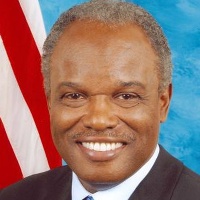
David Scott
Representative
GA
David Scott
Representative
GA
This Act addresses the significant unemployment disparities faced by young African Americans by strengthening pathways into registered apprenticeship programs. It establishes a Diversity and Inclusion Administrator within the Department of Labor to promote greater participation from underrepresented groups. Furthermore, the bill authorizes a competitive grant program to help entities create or expand apprenticeships, requiring applicants to submit plans specifically aimed at increasing African American enrollment.
This bill authorizes Congress to award Congressional Gold Medals to the 1980 U.S. Men's Olympic Ice Hockey team for their historic "Miracle on Ice" victory.
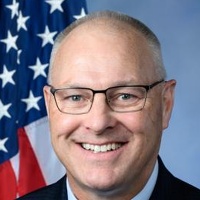
Pete Stauber
Representative
MN
Pete Stauber
Representative
MN
This bill, the Miracle on Ice Congressional Gold Medal Act, officially authorizes Congress to award Congressional Gold Medals to the 1980 U.S. Men's Olympic Ice Hockey Team for their historic "Miracle on Ice" victory. The medals will be struck by the Treasury and permanently displayed at specific national sports museums. The Act also permits the sale of duplicate bronze medals to cover production costs.
This bill officially renames the United States Postal Service facility at 130 North Winton Road in Rochester, New York, as the "Lieutenant James N. Lyons Post Office."
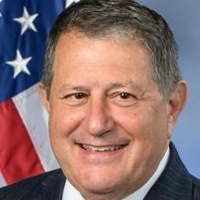
Joseph Morelle
Representative
NY
Joseph Morelle
Representative
NY
This bill officially designates the United States Postal Service facility located at 130 North Winton Road in Rochester, New York, as the "Lieutenant James N. Lyons Post Office." The legislation ensures that all future official references to this location will use the new designated name.
This act nullifies a recent Executive Order regarding federal labor relations and ensures existing collective bargaining agreements remain in effect.
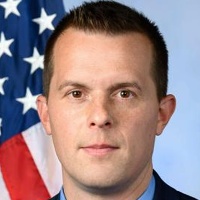
Jared Golden
Representative
ME
Jared Golden
Representative
ME
The Protect America's Workforce Act nullifies a specific Executive Order issued in March 2025 concerning exclusions from federal labor-management relations programs. This legislation ensures that any existing collective bargaining agreements between federal agencies and employee unions remain fully in effect until their stated expiration dates. The Act also prohibits the use of federal funds to implement the overturned Executive Order.
This act mandates protective barriers for new fixed-route bus operator workstations purchased with federal funds, unless waived by the relevant labor union.
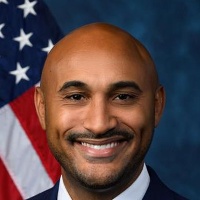
Shomari Figures
Representative
AL
Shomari Figures
Representative
AL
The Bus Operator Safety and Security Act mandates that new fixed-route buses purchased with federal funds, meeting specific size and lifespan criteria, must be equipped with a protective barrier around the operator's workstation. This barrier must fully enclose the area without obstructing the driver's line of sight. This requirement can be waived if the relevant labor union agrees to the waiver for the specific bus purchase.
This act establishes a grant program to help state, local, territorial, and tribal governments hire, retain, and train prosecutors and support staff.
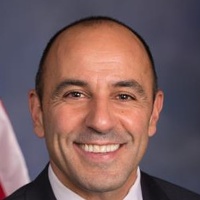
Jimmy Panetta
Representative
CA
Jimmy Panetta
Representative
CA
The Helping Improve Recruitment and Retention Efforts for Prosecutors Act of 2025 establishes a federal grant program to assist state, local, territorial, and tribal governments in hiring, retaining, and training prosecutors and support staff. Administered by the Attorney General, the program will award competitive grants, prioritizing offices in underserved or budget-impacted areas. This initiative is authorized with $10 million annually from 2026 through 2030, requiring a 25% non-federal match unless waived.
The Endometriosis CARE Act establishes a comprehensive program to advance research, improve awareness, analyze access barriers, and study disparities related to endometriosis.
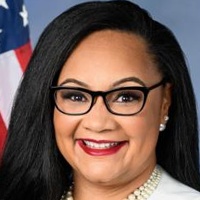
Nikema Williams
Representative
GA
Nikema Williams
Representative
GA
The Endometriosis CARE Act aims to improve the understanding and management of endometriosis through increased research funding and data collection at the NIH. The bill also mandates studies to identify barriers to treatment access and requires the development of public education campaigns and provider information resources. Furthermore, it calls for a comprehensive study on disparities in endometriosis prevalence, detection, and treatment outcomes.
This resolution commends state and local governments for championing reproductive rights as human rights while condemning abortion restrictions and criminalization following the *Dobbs* decision.
Nikema Williams
Representative
GA
Nikema Williams
Representative
GA
This concurrent resolution commends state and local governments for championing reproductive rights as human rights following the overturning of *Roe v. Wade*. It declares that denying abortion care leads to severe health risks and highlights the criminalization of pregnancy outcomes across the U.S. The resolution urges states to repeal abortion restrictions and affirm that reproductive rights are fundamental human rights.
This bill significantly increases civil penalties across various federal labor laws, strengthens enforcement for health plan compliance, establishes penalties for employer unfair labor practices, and treats certain recordkeeping failures as continuing violations.
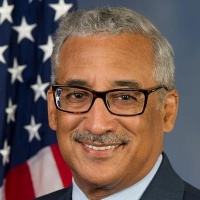
Robert Scott
Representative
VA
Robert Scott
Representative
VA
The Labor Enforcement to Securely Protect Workers (LETS Protect Workers) Act significantly increases civil penalties for violations across major federal labor laws, including child labor, wage and hour, and workplace safety standards. It strengthens enforcement mechanisms for mine safety violations and retaliation against miners, while also establishing new penalties for employer unfair labor practices under the National Labor Relations Act. Furthermore, the bill enhances enforcement for health plan parity and makes certain recordkeeping failures under OSHA and FLSA continuing violations.
This act waives entrance fees for all National Parks and National Wildlife Refuges on Federal holidays.
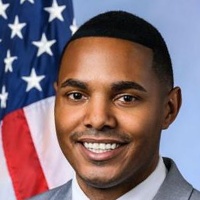
Ritchie Torres
Representative
NY
Ritchie Torres
Representative
NY
The Our Parks Act aims to increase public access to federal lands by eliminating entrance fees at National Parks and National Wildlife Refuges on all Federal holidays. This legislation directs the Secretary of the Interior to waive any normally charged admission fees on these designated days.
This bill officially designates the United States Postal Service facility at 86 Main Street in Haverstraw, New York, as the Paul Piperato Post Office Building.
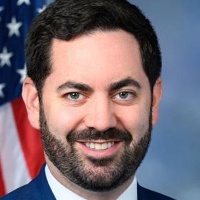
Michael Lawler
Representative
NY
Michael Lawler
Representative
NY
This bill officially designates the United States Postal Service facility located at 86 Main Street in Haverstraw, New York, as the "Paul Piperato Post Office Building." This action ensures the facility will be known by this name in all official federal records and documents moving forward.
This bill officially renames the United States Postal Service facility in Holmes, New York, as the Sheriff Adrian Butch Anderson Post Office Building.
Michael Lawler
Representative
NY
Michael Lawler
Representative
NY
This bill officially designates the United States Postal Service facility located at 298 Route 292 in Holmes, New York, as the "Sheriff Adrian Butch Anderson Post Office Building." This change ensures all federal records and documents will use the new official name for this location.
This bill officially renames the U.S. Postal Service facility in Avon, New York, as the Officer Anthony Mazurkiewicz Memorial Post Office Building.
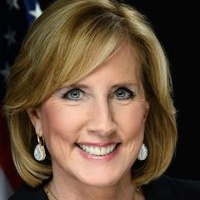
Claudia Tenney
Representative
NY
Claudia Tenney
Representative
NY
This bill officially designates the United States Postal Service facility located at 80 Prospect Street in Avon, New York, as the **Officer Anthony Mazurkiewicz Memorial Post Office Building**. This action ensures the facility will bear this name in all federal records and references moving forward.
The Bridges not Bumpers Act of 2025 establishes working groups, funding, and educational campaigns to improve data sharing and prevent commercial truck bridge strikes.
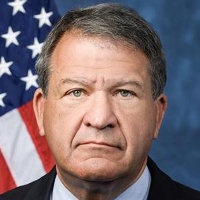
George Latimer
Representative
NY
George Latimer
Representative
NY
The Bridges not Bumpers Act of 2025 aims to reduce commercial truck bridge strikes by establishing a DOT working group to improve data sharing on bridge heights and truck routes, especially for GPS systems. The bill also mandates a national education campaign, creates a central clearinghouse for strike data, and establishes a grant program for research on infrastructure improvements. Furthermore, it addresses liability protections for GPS providers and sets new requirements for rental vehicle companies regarding height disclosure.
This act ensures public broadcasting entities have a dedicated annual application period to receive grants for the Next Generation Warning System.
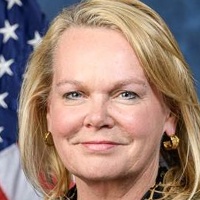
April McClain Delaney
Representative
MD
April McClain Delaney
Representative
MD
The Emergency Alert Grant Fairness Act ensures public broadcasting entities have an annual opportunity to apply for FEMA's Next Generation Warning System grants. This legislation mandates that the application period for these critical warning system grants remains open for at least 30 days each year.
The HELP Copays Act mandates that financial assistance from non-profits and drug manufacturers must count toward a patient's deductible, copay, and out-of-pocket maximum for prescription drugs.
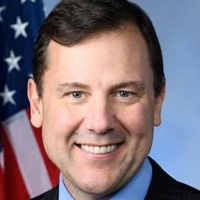
Thomas Kean
Representative
NJ
Thomas Kean
Representative
NJ
The HELP Copays Act requires that financial assistance provided by non-profit organizations and drug manufacturers must count toward a patient's deductible, copayments, and out-of-pocket maximums for prescription drugs. This change ensures that patient assistance dollars directly reduce the amount a patient must pay before their coverage fully kicks in. The legislation specifically applies to specialty drugs and those subject to utilization management. These provisions will take effect for plan years beginning on or after January 1, 2026.
This resolution condemns the Iranian government's systematic persecution of the Baha'i minority and calls for the immediate release of imprisoned Baha'is and the imposition of sanctions on responsible officials.

Janice Schakowsky
Representative
IL
Janice Schakowsky
Representative
IL
This resolution strongly condemns the Iranian government for its ongoing, state-sponsored persecution of the Baha'i religious minority, which violates international human rights laws. It documents systematic abuses, including economic restrictions, denial of education, and arbitrary arrests, noting that these actions may constitute a crime against humanity. The resolution calls on Iran to immediately release all imprisoned Bahais and urges the U.S. President and Secretary of State to condemn these violations and impose sanctions on responsible officials.
This Act establishes a multi-agency Task Force to develop and implement a comprehensive strategy to dismantle transnational criminal syndicates operating forced-labor scam centers, particularly those targeting Americans with cryptocurrency fraud.
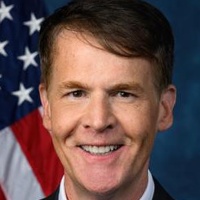
Jefferson Shreve
Representative
IN
Jefferson Shreve
Representative
IN
The Dismantle Foreign Scam Syndicates Act establishes a high-level Task Force, chaired by the Secretary of State, to develop and execute a comprehensive U.S. strategy against transnational criminal organizations running massive online scams, often utilizing victims of human trafficking in Southeast Asia. This strategy must focus on disrupting these operations, sanctioning responsible parties, and providing support for rescued victims. The bill authorizes $30 million over two years to fund these efforts and requires annual reporting to Congress on progress and impact.
The Rx ACCESS Act extends beneficiary choice for TRICARE prescription refills, establishes minimum fair reimbursement standards for retail pharmacies, and mandates annual independent audits of the TRICARE pharmacy benefits program.
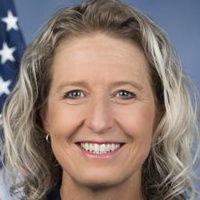
Jennifer Kiggans
Representative
VA
Jennifer Kiggans
Representative
VA
The Rx ACCESS Act aims to improve prescription access, fairness, and transparency within the TRICARE pharmacy benefits program. It extends beneficiary choice for receiving non-generic maintenance medications and establishes minimum reimbursement standards for TRICARE retail pharmacies. Furthermore, the bill mandates annual independent audits by the Comptroller General to review reimbursement rates and network adequacy.
This act mandates the continuation of the pause on World Bank disbursements and new financing commitments to the Government of Burma.
Nikema Williams
Representative
GA
Nikema Williams
Representative
GA
The No New Burma Funds Act mandates the continuation of the pause on World Bank disbursements and new financing commitments to the Government of Burma. This action upholds the U.S. stance against the 2021 military coup. The Secretary of the Treasury must instruct the U.S. Executive Director to maintain this position unless a national interest determination is made otherwise.