Legislative Activity
Track Timothy's sponsored bills, co-sponsored legislation, and voting record
This bill seeks to disapprove and nullify the Department of Veterans Affairs' final rule regarding "Reproductive Health Services."
Julia Brownley
Representative
CA
Julia Brownley
Representative
CA
This resolution seeks to disapprove the Department of Veterans Affairs' final rule concerning "Reproductive Health Services" issued in September 2024. If enacted, this disapproval, made under the Congressional Review Act, would prevent the VA rule from taking legal effect.
The Language Access for All Act of 2026 mandates that federal agencies implement comprehensive language assistance services, including translation and interpretation, to ensure meaningful access for individuals with limited English proficiency.

Grace Meng
Representative
NY
Grace Meng
Representative
NY
The Language Access for All Act of 2026 mandates that federal agencies provide meaningful access to programs and services for individuals with limited English proficiency. The bill requires agencies to implement comprehensive language access plans, establish technical standards for translation and interpretation, and appoint dedicated coordinators to ensure compliance. Additionally, it creates a public complaint system and sets strict guidelines for the use of AI in language services to ensure accuracy and accountability.
This bill establishes a statutory definition for "essential health system" based on financial criteria related to serving Medicaid and low-income patients, and requires MACPAC to create an index and report on these hospitals.
Lori Trahan
Representative
MA
Lori Trahan
Representative
MA
This bill establishes a statutory definition for an "essential health system" based on the volume of care provided to low-income and Medicaid patients. It requires the Secretary of Health and Human Services to designate qualifying hospitals for a five-year period. Furthermore, the bill mandates MACPAC to create an annual index ranking all relevant hospitals based on these financial criteria and to review payment policies supporting these essential systems.
This bill automatically appropriates funds to ensure federal employees and essential contractors receive their regular pay during a government shutdown.
Dusty Johnson
Representative
SD
Dusty Johnson
Representative
SD
The Shutdown Fairness Act automatically appropriates necessary funds to ensure federal employees and essential contractors receive their regular pay during a government shutdown. This legislation mandates timely payment for covered personnel, regardless of whether they were deemed "excepted" or furloughed. The funds are charged against the agency's subsequent regular appropriations once they are enacted.
This Act mandates that newly elected House members from special elections must be sworn in within five legislative days of their election certification.
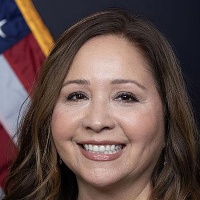
Adelita Grijalva
Representative
AZ
Adelita Grijalva
Representative
AZ
The No Delay in Representation Act ensures that individuals elected to the House of Representatives through special elections are seated promptly. It mandates that these new members must be given the opportunity to take the oath of office within five legislative days of their election certification. This act aims to prevent delays in representation for newly elected members.
This resolution honors the 97th anniversary of Dr. Martin Luther King, Jr.’s birth by reaffirming his legacy of equality, condemning hate, and promoting tolerance and civil discourse.

Shontel Brown
Representative
OH
Shontel Brown
Representative
OH
This resolution honors the 97th anniversary of the birth of Reverend Dr. Martin Luther King, Jr. by celebrating his legacy of equality, diversity, and civil discourse. It reaffirms a national commitment to his values of justice and tolerance while explicitly condemning all forms of hate, discrimination, and prejudice.
This act nullifies New York State's jurisdiction over Seneca Nation reservations upon written agreement from the U.S. Attorney General and the Seneca Nation.
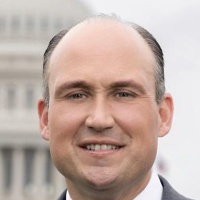
Nicholas Langworthy
Representative
NY
Nicholas Langworthy
Representative
NY
This act, the Seneca Nation Law Enforcement Efficiency Act, aims to restore full law enforcement jurisdiction to the Seneca Nation. It nullifies New York State's jurisdiction over Seneca Nation reservations, but this change only takes effect upon written agreement from both the U.S. Attorney General and the Seneca Nation.
This bill impeaches Secretary of Homeland Security Kristi Lynn Arnold Noem for high crimes and misdemeanors, citing willful refusal to comply with oversight law, violating the Impoundment Control Act, directing unlawful ICE misconduct, and misusing federal funds for personal gain.
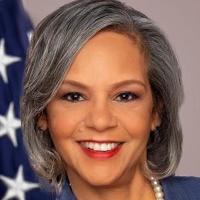
Robin Kelly
Representative
IL
Robin Kelly
Representative
IL
This resolution initiates impeachment proceedings against Secretary of Homeland Security Kristi Lynn Arnold Noem for high crimes and misdemeanors. The articles of impeachment charge her with willfully refusing to comply with Congressional oversight laws and violating the Impoundment Control Act by improperly withholding funds. Further articles allege she directed widespread misconduct by ICE agents that violated federal law and constitutional rights, and misused taxpayer funds for personal gain through improper contracting.
This resolution recognizes and honors Delta Sigma Theta Sorority, Incorporated, on its 113th anniversary for its extensive legacy of service, global reach, and commitment to community upliftment.

Summer Lee
Representative
PA
Summer Lee
Representative
PA
This resolution recognizes and honors Delta Sigma Theta Sorority, Incorporated, on its 113th anniversary. It celebrates the sorority's founding by 22 women at Howard University and commends its legacy of service through its Five-Point Program Thrust. The bill further acknowledges the organization's vast global impact and commitment to democratic participation and humanitarian efforts.
This resolution designates January 13th as Korean American Day to honor the contributions of Korean Americans and recognize the anniversary of the first Korean immigrants' arrival.
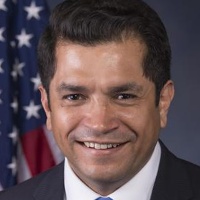
Jimmy Gomez
Representative
CA
Jimmy Gomez
Representative
CA
This resolution officially designates January 13th as Korean American Day. It expresses support for the day's ideals and encourages Americans to observe it. The resolution also honors the 123rd anniversary of the first Korean immigrants arriving in the United States.
This bill modifies deposits into the Crime Victims Fund by excluding certain False Claims Act recoveries and mandates an Inspector General audit of the Fund's sustainability.
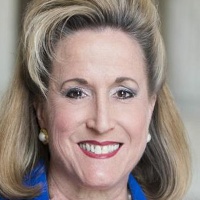
Ann Wagner
Representative
MO
Ann Wagner
Representative
MO
This bill amends the Victims of Crime Act of 1984 to temporarily exclude certain False Claims Act recoveries from being deposited into the Crime Victims Fund through fiscal year 2029. It also mandates a comprehensive audit by the Department of Justice Inspector General on the Fund's sustainability and the impact of recent legislative changes. The resulting report will provide recommendations for improving the Fund's effectiveness and oversight.
This bill designates Burma for Temporary Protected Status (TPS) for eligible nationals present in the U.S. since enactment.
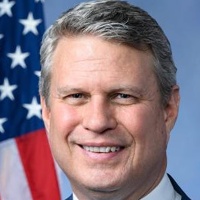
Bill Huizenga
Representative
MI
Bill Huizenga
Representative
MI
This bill designates Burma for Temporary Protected Status (TPS) for an initial period of 18 months, beginning November 25, 2025. It establishes eligibility requirements for Burmese nationals already present in the U.S. and outlines conditions for emergency travel authorization.
This resolution recognizes the 15th anniversary of the 2011 Tucson shooting, honoring the victims, survivors, and the ongoing advocacy of Gabby Giffords.
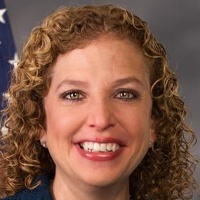
Debbie Wasserman Schultz
Representative
FL
Debbie Wasserman Schultz
Representative
FL
This resolution commemorates the 15th anniversary of the tragic January 8, 2011, Tucson shooting, honoring the six lives lost and the thirteen injured. It specifically commends the courage and ongoing advocacy of gun violence survivor and former Congresswoman Gabby Giffords. The resolution also recognizes the resilience of the community and reaffirms a commitment to ending political violence.
The American Affordability Act of 2025 is a comprehensive bill designed to lower costs for families through expanded housing assistance, clean energy tax credits, monthly child payments, education relief, and enhanced healthcare subsidies.
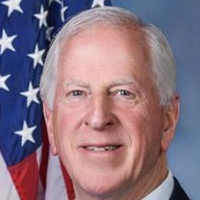
Mike Thompson
Representative
CA
Mike Thompson
Representative
CA
The American Affordability Act of 2025 is a comprehensive bill designed to lower costs across five key areas: housing, energy, family care, education, and healthcare. It achieves this by expanding tax credits for housing construction and homebuyers, extending incentives for clean energy manufacturing and consumer adoption, replacing the Child Tax Credit with larger monthly payments, making higher education expenses more affordable, and permanently expanding subsidies to lower health insurance premiums for millions. Overall, the legislation aims to provide direct financial relief and increase access to essential services for American families and workers.
This bill imposes comprehensive sanctions on Russia for its war against Ukraine while permanently extending the U.S. sanctions authority against Iran.
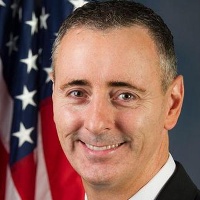
Brian Fitzpatrick
Representative
PA
Brian Fitzpatrick
Representative
PA
The Peace Through Strength Against Russia Act of 2025 imposes comprehensive sanctions on Russia's financial, military, and energy sectors in response to its war against Ukraine. This legislation cuts off major Russian banks from the U.S. financial system and bans new American investment in Russia. Additionally, the bill makes the existing sanctions authority against Iran permanent by removing its expiration date.
This bill amends the Port Infrastructure Development Program to mandate equitable geographic distribution of project funding across all US regions.
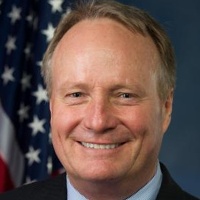
David Joyce
Representative
OH
David Joyce
Representative
OH
The Securing Smart Investments in our Ports Act aims to ensure federal port infrastructure funding is distributed fairly across the nation. This legislation amends the Port Infrastructure Development Program to mandate equitable geographic distribution when awarding grants for port projects, including those benefiting small ports.
This act increases federal funding to 90% of administrative costs for states operating summer food assistance programs via electronic benefit transfers.
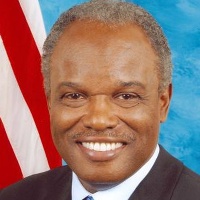
David Scott
Representative
GA
David Scott
Representative
GA
The Bridge to Summer Nutrition Act of 2025 aims to strengthen summer food assistance programs by increasing federal support for state administrative costs. Specifically, it mandates that the USDA reimburse states 90% of their monthly administrative expenses for operating summer electronic benefit transfer (EBT) programs for children. This increased funding also applies to administrative costs for regular SNAP operations.
The D-BLOC Act establishes a national 10-minute time limit for trains blocking public highway-rail grade crossings, mandates investigation of frequent blockages, and requires railroads to provide public contact information for reporting these incidents.
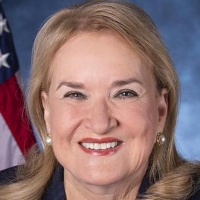
Sylvia Garcia
Representative
TX
Sylvia Garcia
Representative
TX
The D-BLOC Act establishes a national 10-minute time limit for trains blocking public highway-rail grade crossings, with specific exceptions for safety or emergencies. The bill mandates investigations and potential civil penalties for railroads that frequently violate this limit. Additionally, it enhances public access to reporting mechanisms by requiring railroads to establish public contact numbers and link to the federal blocked crossing portal.
The Essential Caregivers Act of 2025 guarantees nursing home and long-term care residents the right to designate an essential caregiver who maintains access to them even during public health emergencies.

Claudia Tenney
Representative
NY
Claudia Tenney
Representative
NY
The Essential Caregivers Act of 2025 protects the rights of residents in long-term care facilities to designate an essential caregiver who can provide support and companionship. This legislation ensures that these caregivers maintain in-person access to residents even during public health emergencies when general visitation is restricted. By establishing clear protocols and an appeals process, the bill aims to prevent the harmful effects of isolation and ensure residents continue to receive vital care and advocacy.
This act restricts senior government officials and their families from owning or trading specific investments, requiring divestment of existing holdings to restore public trust.
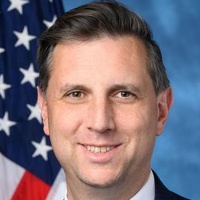
Seth Magaziner
Representative
RI
Seth Magaziner
Representative
RI
The Restore Trust in Government Act establishes strict new federal restrictions on senior government officials and their immediate families regarding the ownership and trading of specific financial investments. Covered individuals must divest existing investments that fall under the law's definition within a set timeframe, with limited exceptions. Violators face significant financial penalties, including a 10% fee on the investment value and disgorgement of any profits earned from prohibited transactions.