This act establishes a grant program to help state, local, territorial, and tribal governments hire, retain, and train prosecutors and support staff.
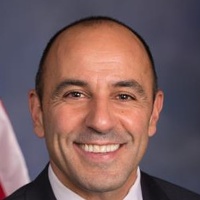
Jimmy Panetta
Representative
CA-19
The Helping Improve Recruitment and Retention Efforts for Prosecutors Act of 2025 establishes a federal grant program to assist state, local, territorial, and tribal governments in hiring, retaining, and training prosecutors and support staff. Administered by the Attorney General, the program will award competitive grants, prioritizing offices in underserved or budget-impacted areas. This initiative is authorized with $10 million annually from 2026 through 2030, requiring a 25% non-federal match unless waived.
New $10M Grant Program Targets Staffing Crisis in Rural Prosecutor Offices
The newly proposed Helping Improve Recruitment and Retention Efforts for Prosecutors Act of 2025 (or the HIRRE Prosecutors Act) sets up a federal grant program to tackle a problem many local governments are facing: keeping prosecutor offices staffed. This isn’t about changing laws; it’s about funding the people who enforce them. Specifically, the bill authorizes the Attorney General to establish a competitive grant program, backed by $10 million annually from 2026 through 2030, aimed squarely at helping state, local, tribal, and territorial governments hire, retain, and train prosecutors and their support staff.
Where the Money Goes and Who Gets Priority
Think of this as a much-needed lifeline for smaller jurisdictions. The funds are strictly earmarked for personnel—hiring new people, keeping the experienced staff from walking out the door, and professional development. The bill gives a clear signal about who the Department of Justice should prioritize when reviewing applications: offices in tribal, remote, or rural areas get preferential treatment. This is a big deal for communities that often struggle to compete with urban centers for legal talent. They also prioritize offices looking to rehire prosecutors who were laid off due to local budget cuts, which helps stabilize communities hit by previous economic downturns.
The Fine Print: Matching Funds and Forfeiture Assets
Like many federal grants, this one comes with a catch: the local government has to put some skin in the game. The federal government will cover up to 75% of the project cost, meaning the local office needs to come up with the remaining 25% non-federal match. However, the Attorney General has the discretion to waive this 25% match if an applicant’s financial situation justifies it—a provision that could be critical for financially strapped rural or tribal governments. On the flip side, the bill allows local governments to use assets from the federal equitable sharing forfeiture program to meet that match requirement. While this helps local governments meet the requirement, it also means that money that might have been used for other local law enforcement needs will now be funneled into covering the grant match. Crucially, the bill requires that the federal funds supplement, not supplant, existing local funding. This means the money must increase the total budget for prosecutors, not just replace the money the state or county was already spending.
Real-World Impact for Local Justice
If this bill is enacted, the biggest beneficiaries will be those smaller, often overlooked jurisdictions. Imagine a county prosecutor’s office in a remote area that has been operating with two lawyers when they need five. This grant could allow them to hire two more support staff and a new prosecutor, significantly reducing case backlogs and improving the speed of justice for everyone in that county. For the average person, this translates to a faster, more efficient local court system, whether you’re waiting for a case to be resolved or you’re a victim seeking justice. While the total funding pool is modest at $10 million per year, its targeted approach to staffing shortages in areas that need it most makes it a focused effort to improve the nuts and bolts of the justice system.