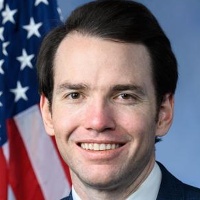
Legislative Activity
Track Kevin's sponsored bills, co-sponsored legislation, and voting record
This act mandates Medicare coverage for FDA-approved early detection screening tests for Alzheimer's disease and related dementias beginning in 2028.
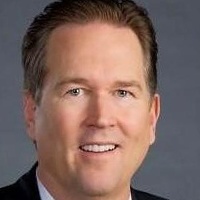
Vern Buchanan
Representative
FL
Vern Buchanan
Representative
FL
The Alzheimer’s Screening and Prevention Act of 2025 (ASAP Act) amends Medicare to cover early detection screening tests for Alzheimer's disease and related dementias starting in 2028. This coverage applies to FDA-cleared tests, including genomic sequencing and other equivalent diagnostic methods, designed to detect pre-symptomatic or early-stage conditions. The bill ensures these screenings are added to the list of covered medical services under Medicare.
This bill officially renames the United States Postal Service facility at 28201 Franklin Parkway in Santa Clarita, California, as the "Deputy Ryan Clinkunbroomer Post Office Building."
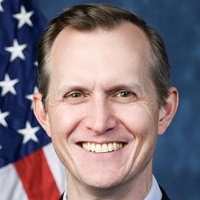
George Whitesides
Representative
CA
George Whitesides
Representative
CA
This bill officially designates the United States Postal Service facility at 28201 Franklin Parkway in Santa Clarita, California, as the "Deputy Ryan Clinkunbroomer Post Office Building." The legislation ensures that all future official references to this location will use the new name.
This bill authorizes the minting and sale of commemorative gold, silver, and clad coins in 2029 to celebrate the history and contributions of the United States Foreign Service, with surcharges benefiting the Association for Diplomatic Studies and Training.
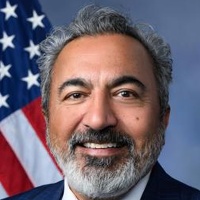
Ami Bera
Representative
CA
Ami Bera
Representative
CA
This Act authorizes the Secretary of the Treasury to mint and issue a series of commemorative gold, silver, and clad coins in 2029 to celebrate the centennial of the United States Foreign Service. The coins will feature designs representing the importance of American diplomacy and the contributions of the Foreign Service. All surcharges collected from the sale of these coins will be paid to the Association for Diplomatic Studies and Training to support its historical preservation work. The Treasury must ensure that the minting and issuance of these coins result in no net cost to the U.S. government.
This bill extends and modifies the premium tax credit, improves Medicare Advantage risk adjustment using more diagnostic data, and increases penalties and oversight to reduce fraudulent enrollment in qualified health plans.
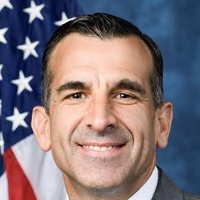
Sam Liccardo
Representative
CA
Sam Liccardo
Representative
CA
This bill temporarily extends and modifies the enhanced premium tax credit for health insurance through 2027. It also introduces significant changes to Medicare Advantage risk adjustment by requiring the use of two years of diagnostic data starting in 2026. Finally, the legislation aims to reduce fraudulent enrollment in health plans by increasing civil and criminal penalties for agents and brokers and establishing new consumer protection and oversight processes.
This act ensures the uninterrupted funding of the Supplemental Nutrition Assistance Program (SNAP) for fiscal year 2026, even if Congress delays passing the full USDA budget.
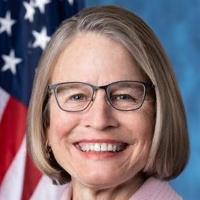
Mariannette Miller-Meeks
Representative
IA
Mariannette Miller-Meeks
Representative
IA
The Keep SNAP Funded Act of 2025 ensures that Supplemental Nutrition Assistance Program (SNAP) benefits continue without interruption if Congress fails to pass the full Department of Agriculture budget by October 1, 2025. This legislation authorizes automatic funding from the Treasury to maintain benefit payments. Furthermore, it guarantees that any benefits missed due to a funding lapse will be paid retroactively once the bill is enacted.
This Act mandates recordkeeping for distributors of highly pathogenic agents and requires strategic evaluations and new standards for high-containment laboratories to protect public health and national security.
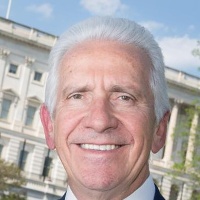
Jim Costa
Representative
CA
Jim Costa
Representative
CA
The Preventing Illegal Laboratories and Protecting Public Health Act of 2025 establishes new federal requirements for tracking the transfer of highly pathogenic biological agents by requiring distributors to maintain detailed sales logs. It also mandates a comprehensive, ongoing evaluation of all high-containment laboratories (BSL-3 and above) to assess national biosafety and biosecurity readiness. The bill further directs the creation of a centralized team to coordinate oversight and provide resources to state and local agencies regarding lab safety. Finally, it requires a study on establishing a national database of these high-containment facilities.
This resolution honors the life and legacy of Charles "Charlie" James Kirk, condemns his assassination as political violence, and calls for a renewed commitment to civil discourse and American founding principles.

Mike Johnson
Representative
LA
Mike Johnson
Representative
LA
This resolution honors the life and legacy of Charles "Charlie" James Kirk, founder of Turning Point USA. It strongly condemns his assassination as an act of political violence. The bill calls for a renewed national commitment to civil discourse and the founding principles of the United States.
This bill authorizes the creation and presentation of a Congressional Gold Medal to honor Peace Corps Volunteers who served between 1961 and 2026 for their contributions to world peace and understanding.
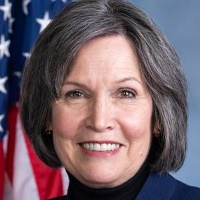
Betty McCollum
Representative
MN
Betty McCollum
Representative
MN
This bill authorizes the presentation of a Congressional Gold Medal to all Peace Corps Volunteers who served between August 28, 1961, and December 31, 2026, to recognize their distinguished service and promotion of world peace. The medal will be awarded to the Director of the Peace Corps for display at the agency's headquarters. The Secretary of the Treasury is also authorized to strike and sell bronze duplicates of the medal to cover production costs.
This bill amends the Social Security Act to provide Medicare coverage for FDA-approved multi-cancer early detection screening tests starting in 2028.
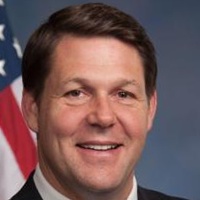
Jodey Arrington
Representative
TX
Jodey Arrington
Representative
TX
The Nancy Gardner Sewell Medicare Multi-Cancer Early Detection Screening Coverage Act amends the Social Security Act to provide Medicare Part B coverage for multi-cancer early detection screening tests starting January 1, 2028. This legislation establishes clear criteria for qualifying tests and outlines payment structures to ensure beneficiaries have access to these advanced diagnostic tools. Importantly, this coverage is designed to complement, rather than replace, existing Medicare-covered cancer screenings.
This Act ensures the automatic continuation of pay for active duty military personnel and essential civilian support staff if Congress fails to pass a budget for fiscal year 2026.
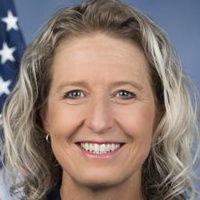
Jennifer Kiggans
Representative
VA
Jennifer Kiggans
Representative
VA
The Pay Our Troops Act of 2026 ensures that active duty military personnel and essential civilian support staff continue to receive their pay if Congress has not yet passed the full budget for fiscal year 2026. This act provides automatic continuing appropriations from the Treasury to prevent a lapse in military salaries due to budget delays. The funding automatically terminates once a new budget or continuing resolution is passed, or on January 1, 2027, whichever comes first.
This Act establishes sanctions against Pakistani officials undermining democracy and human rights, while urging the U.S. government to promote democratic institutions in Pakistan until September 30, 2030.
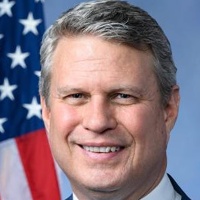
Bill Huizenga
Representative
MI
Bill Huizenga
Representative
MI
The Pakistan Freedom and Accountability Act expresses strong U.S. support for democracy and human rights in Pakistan, citing concerns over military influence and recent election interference. This legislation directs the President to identify and impose sanctions on Pakistani officials responsible for undermining democratic processes or committing serious human rights abuses. The Act emphasizes the need for civilian control over the military and sets an expiration date for its provisions in September 2030.
This Act limits the sharing of consumer reports requested in connection with a residential mortgage loan to prevent unauthorized access to homebuyers' sensitive financial information.
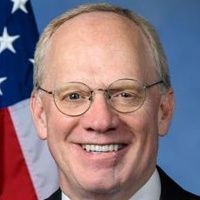
John Rose
Representative
TN
John Rose
Representative
TN
The Homebuyers Privacy Protection Act limits how consumer reporting agencies can share a consumer's report when it is requested in connection with a residential mortgage loan. Reports can only be shared with entities directly involved in the consumer's current mortgage or those providing a firm offer of credit or insurance. The Act also mandates a study by the GAO regarding the use and impact of "trigger leads" derived from credit checks.
This Act bans Members of Congress and their immediate families from trading or owning specific investments while in office, requiring divestment within 90 to 180 days or facing significant financial penalties.
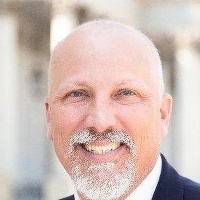
Chip Roy
Representative
TX
Chip Roy
Representative
TX
The Restore Trust in Congress Act establishes strict new rules prohibiting Members of Congress and their immediate families from owning or trading specific financial assets, referred to as "covered investments," while in office. Covered individuals must divest existing prohibited holdings within a set timeframe or face significant financial penalties, including fines and forfeiture of profits. The legislation aims to eliminate conflicts of interest arising from personal financial trading while serving in federal office.
The AMERICA DRIVES Act preempts state laws to allow fully autonomous commercial motor vehicles to operate interstate without a human occupant and streamlines federal regulations for their safe integration.
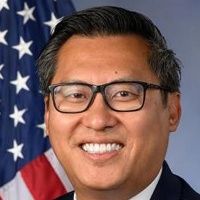
Vince Fong
Representative
CA
Vince Fong
Representative
CA
The AMERICA DRIVES Act modernizes federal regulations to facilitate the safe deployment of self-driving commercial trucks across state lines. It explicitly preempts state laws that require a human occupant in Level 4 or 5 automated driving system (ADS) equipped commercial motor vehicles. Furthermore, the bill mandates the review and updating of existing trucking regulations to clarify applicability for driverless operations and defines new roles like "remote driver." This legislation aims to reduce regulatory obstacles and ensure fair treatment for companies adopting autonomous trucking technology.
The Proven Forest Management Act of 2025 streamlines forest management on National Forest System lands by prioritizing environmental benefits while allowing cost exceptions and fast-tracking fuel reduction projects up to 10,000 acres.
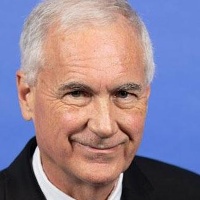
Tom McClintock
Representative
CA
Tom McClintock
Representative
CA
The Proven Forest Management Act of 2025 updates how the National Forest System is managed, prioritizing environmental benefits like fire fuel reduction and biodiversity improvement. While managers must generally coordinate with affected groups, they can waive certain environmental goals if the cost is deemed too high. The Act also establishes an expedited approval process for smaller projects focused on reducing forest fuels.
This bill mandates that the Forest Service aggressively suppress wildfires on high-risk national forest lands within 24 hours and restricts the use of fire as a management tool.
Tom McClintock
Representative
CA
Tom McClintock
Representative
CA
This bill mandates that the Forest Service aggressively suppress wildfires on high-risk National Forest lands, requiring extinguishment within 24 hours of detection. It restricts the use of prescribed fires and backfires while ensuring federal agencies do not interfere with state and local firefighting efforts. These requirements apply specifically to areas facing severe drought, extreme fire danger, or high wildfire exposure.
The SUPPLY Act establishes a new HUD insurance program for second mortgages used to finance the construction of accessory dwelling units (ADUs) and directs Fannie Mae and Freddie Mac to purchase and securitize those insured loans.
Sam Liccardo
Representative
CA
Sam Liccardo
Representative
CA
The Supporting Upgraded Property Projects and Lending for Yards (SUPPLY) Act establishes a new federal insurance program, managed by HUD, to specifically back second mortgages used for financing the construction of Accessory Dwelling Units (ADUs). This legislation also directs the FHFA to allow Fannie Mae and Freddie Mac to purchase and securitize these newly insured ADU construction loans, subject to risk oversight. The goal is to increase the availability of financing for property owners looking to add secondary housing units.
This Act prohibits the Federal Reserve from directly or indirectly issuing a Central Bank Digital Currency (CBDC) and bars the Fed from developing or using one for monetary policy without explicit Congressional authorization.
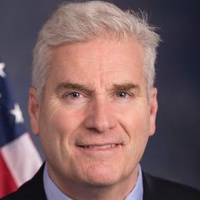
Tom Emmer
Representative
MN
Tom Emmer
Representative
MN
The Anti-CBDC Surveillance State Act strictly prohibits the Federal Reserve from directly or indirectly issuing a Central Bank Digital Currency (CBDC) to individuals. This legislation prevents the Fed from developing, testing, or implementing any digital currency that functions as a direct liability of the Federal Reserve. Furthermore, Congress asserts that any authority to create such a digital asset must explicitly come from Congress itself.
This act requires the CBO to score the long-term budget savings resulting from preventive healthcare measures when requested by key committee leaders.
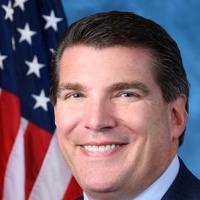
Jay Obernolte
Representative
CA
Jay Obernolte
Representative
CA
The Preventive Health Savings Act requires the Congressional Budget Office (CBO) to score the long-term budget savings resulting from preventive healthcare measures when requested by key congressional leaders. If savings are found, the CBO must include an estimate of these future reductions in its budget projections for the legislation. However, these supplementary savings estimates cannot be used to satisfy standard budget enforcement rules.
This bill grants the Forest Service and the Department of the Interior direct hiring authority for federal wildland firefighting positions and mandates the streamlining and public reporting of hiring processes.
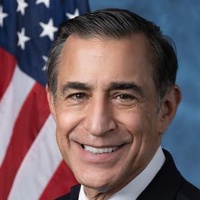
Darrell Issa
Representative
CA
Darrell Issa
Representative
CA
This bill, the "Direct Hire To Fight Fires Act," grants the Forest Service and the Department of the Interior new authority to directly hire qualified individuals for federal wildland firefighting and support positions, bypassing lengthy competitive hiring processes. It mandates the agencies to streamline hiring policies within one year to reduce the time it takes to fill essential roles. Furthermore, the Secretaries must annually report to Congress and the public on staffing needs, vacancies, and the use of these new hiring flexibilities.