
Legislative Activity
Track Andy's sponsored bills, co-sponsored legislation, and voting record
This resolution expresses support for designating the week of May 3, 2026, through May 9, 2026, as National Small Business Week to celebrate the vital contributions of small businesses across the United States.

Joni Ernst
Senator
IA
Joni Ernst
Senator
IA
This resolution expresses support for designating the week of May 3, 2026, through May 9, 2026, as "National Small Business Week." It aims to celebrate the vital contributions and entrepreneurial spirit of small businesses across the United States. The bill recognizes the essential role these businesses play in the national economy and applauds their resilience.
The Protecting America’s Workers Act expands OSHA protections to public employees, significantly strengthens whistleblower rights, increases penalties for safety violations, and enhances federal oversight of state safety programs.
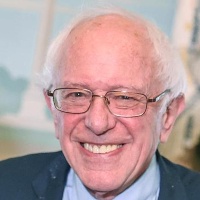
Bernard Sanders
Senator
VT
Bernard Sanders
Senator
VT
The **Protecting America’s Workers Act** significantly expands workplace safety protections by extending OSHA coverage to all public employees and strengthening whistleblower rights against retaliation. The bill increases penalties for safety violations, grants victims' families more rights during investigations, and improves federal oversight of state-run safety programs. Overall, it aims to create a more comprehensive, transparent, and punitive system to prevent workplace injuries and hold employers accountable.
This Act expands eligibility for certain Small Business Administration (SBA) loans and bond guarantees to include specific non-citizens and individuals residing outside the U.S. if they meet established criteria.
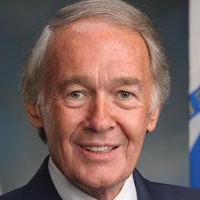
Edward Markey
Senator
MA
Edward Markey
Senator
MA
The Investing in the American Dream Act expands eligibility for key Small Business Administration (SBA) loans and surety bonds. This change allows businesses majority-owned by certain immigrants, non-citizens lawfully present in the U.S., and even some individuals residing abroad to access federal support. The bill ensures that businesses meeting ownership and location criteria are not denied SBA financing solely because of the status of their eligible owners.
This bill reauthorizes the Terrorism Risk Insurance Program for seven years, extending its operation until 2034 and updating the recoupment timelines for government recovery of insurance payments.
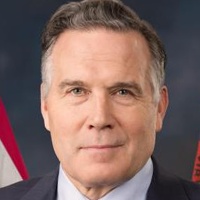
Dave McCormick
Senator
PA
Dave McCormick
Senator
PA
This bill officially reauthorizes the Terrorism Risk Insurance Program (TRIP) for an additional seven years, extending its operation until 2034. It also updates the mandatory recoupment timelines for when the government recovers insurance payments following a covered terrorist act.
This Act establishes comprehensive procedures and protections for parents apprehended during immigration enforcement actions to safeguard the well-being and family unity of their children in the United States.

Tina Smith
Senator
MN
Tina Smith
Senator
MN
The HELP Separated Children Act establishes comprehensive procedures to protect the rights and ensure the well-being of children when their parents are apprehended during immigration enforcement actions. It mandates that DHS officials identify detained parents, provide them with immediate access to make childcare arrangements, and facilitate ongoing communication and legal participation in child welfare and custody proceedings. The bill also requires mandatory training for personnel and extensive data collection to track the outcomes for these families.
This joint resolution directs the President to remove U.S. Armed Forces from hostilities within or against Iran unless Congress explicitly authorizes military action.
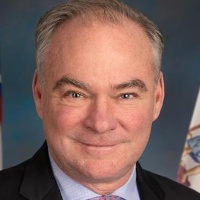
Timothy Kaine
Senator
VA
Timothy Kaine
Senator
VA
This joint resolution directs the President to remove U.S. Armed Forces from hostilities within or against Iran unless Congress has explicitly authorized such military action. It reaffirms Congress's constitutional authority to declare war. The resolution maintains exceptions for necessary self-defense and providing specific defensive support to allies attacked by Iran.
The Neighborhood Tree Act of 2026 establishes the Neighborhood Tree Fund to prioritize and fund projects that increase and improve urban tree canopy in underserved and heat-vulnerable communities.
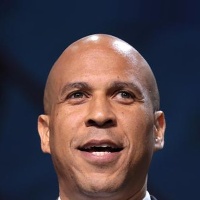
Cory Booker
Senator
NJ
Cory Booker
Senator
NJ
The Neighborhood Tree Act of 2026 establishes the Neighborhood Tree Fund to increase and improve urban tree canopies, prioritizing investments in underserved and high-heat communities. This legislation directs the Department of Agriculture to fund projects that enhance community health and climate resilience through tree planting and maintenance. The Act also updates the composition of the National Urban and Community Forestry Advisory Council to better reflect community needs.
This bill repeals an executive order and prohibits federal funding for creating national voter/citizenship databases or regulating mail-in ballots, reinforcing state authority over federal elections.

Alejandro Padilla
Senator
CA
Alejandro Padilla
Senator
CA
This bill, the Absentee and Mail Voter Protection Act, explicitly repeals Executive Order 14399, which attempted to regulate mail-in voting. It prohibits federal agencies, including the Postal Service, from using funds to create national voter/citizenship databases or interfere with state administration of absentee and mail-in ballots. The Act reaffirms that states, not the federal government, control federal election procedures.
This act permanently bars Members of Congress convicted of specific corruption felonies or felony sexual abuse offenses from receiving their federal pensions.
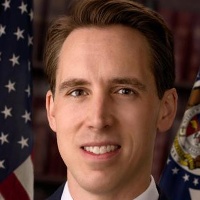
Joshua Hawley
Senator
MO
Joshua Hawley
Senator
MO
This Act permanently bars any Member of Congress convicted of specific corruption or felony sexual abuse offenses committed while in office from receiving their federal pension or retirement annuity. The bill removes the requirement that corruption-related crimes must involve the Member's official duties to trigger forfeiture. These provisions apply to convictions occurring on or after the date of enactment.
This joint resolution directs the President to remove U.S. Armed Forces from hostilities within or against Iran unless Congress has explicitly authorized the action.
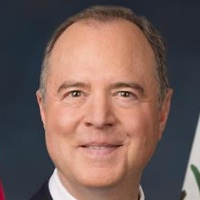
Adam Schiff
Senator
CA
Adam Schiff
Senator
CA
This joint resolution directs the President to remove U.S. Armed Forces from hostilities within or against Iran unless Congress has explicitly authorized the action. It asserts Congress's sole power to declare war and notes the current hostilities lack such authorization under the War Powers Resolution. The bill carves out exceptions for necessary self-defense, intelligence sharing, and assisting allies defensively.
The Stop CHEATERS Act provides significant new funding to the IRS for enforcement, taxpayer services, and technology upgrades to prevent tax avoidance by corporations and high earners.
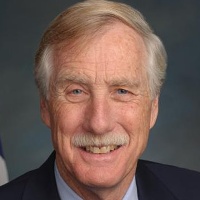
Angus King
Senator
ME
Angus King
Senator
ME
The Stop CHEATERS Act aims to prevent tax avoidance by large corporations and high-income individuals. It provides significant, multi-year appropriations to the IRS for increased enforcement, improved taxpayer services, and technology modernization. Furthermore, the bill mandates regular reporting from the IRS and the Treasury Inspector General to Congress detailing efforts to audit high-earners and large businesses.
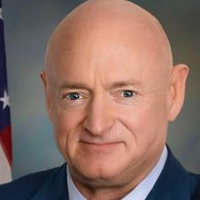
This act repeals the federal tax credit and gross income exclusion for contributions to and distributions from scholarship granting organizations.
Mark Kelly
Senator
AZ
Mark Kelly
Senator
AZ
The Keep Public Funds in Public Schools Act repeals federal tax incentives that encourage private donations to scholarship granting organizations. Specifically, it eliminates the tax credit for contributions and the exclusion of certain scholarship amounts from gross income. This legislation aims to redirect financial support toward public education systems.
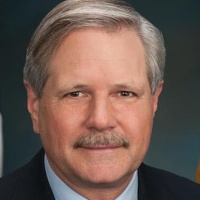
This Act establishes the Mental Health in Aviation Act of 2025 to review and reform FAA policies regarding mental health for pilots and air traffic controllers, aiming to reduce stigma and improve access to care.
John Hoeven
Senator
ND
John Hoeven
Senator
ND
The Mental Health in Aviation Act of 2025 directs the FAA to establish a committee to review and recommend updates to policies regarding the medical certification of pilots and air traffic controllers with mental health conditions. The bill mandates regulatory updates to encourage aviation personnel to seek mental health care without fear of penalty. Furthermore, it allocates funding to enhance the FAA's capacity to process reviews and launches a public campaign to reduce mental health stigma within the industry.
This bill reauthorizes and significantly expands the National Quantum Initiative to accelerate U.S. leadership in quantum science, engineering, and technology through enhanced workforce development, supply chain security, international cooperation, and new research infrastructure.

Todd Young
Senator
IN
Todd Young
Senator
IN
The National Quantum Initiative Reauthorization Act of 2026 aims to significantly expand and strengthen the U.S. national commitment to quantum information science, engineering, and technology. This bill reauthorizes and updates the existing initiative by bolstering workforce development, enhancing interagency coordination, and securing the quantum supply chain against foreign threats. It also establishes new programs for quantum testbeds, NIST research centers, and requires a review of regulatory barriers to accelerate domestic quantum innovation.
This comprehensive bill establishes grant programs and streamlines federal nutrition assistance to significantly reduce food insecurity among seniors and adults with disabilities.

Kirsten Gillibrand
Senator
NY
Kirsten Gillibrand
Senator
NY
The Senior Hunger Prevention Act of 2026 aims to significantly reduce food insecurity among older adults and adults with disabilities through multiple avenues. It establishes new grant programs to fund local anti-hunger initiatives and modernizes federal nutrition assistance programs like SNAP by streamlining applications and improving access. Furthermore, the bill expands eligibility for existing programs, such as the Commodity Supplemental Food Program and the Seniors Farmers' Market Nutrition Program, to include adults with disabilities.
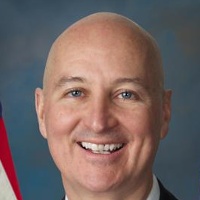
The MATCH Act mandates the alignment of allied export controls on semiconductor manufacturing equipment to prevent adversaries from accessing foundational technology for advanced computing.
Pete Ricketts
Senator
NE
Pete Ricketts
Senator
NE
The MATCH Act mandates the U.S. government to work with allies to align export controls on critical semiconductor manufacturing equipment to prevent adversaries from accessing foundational technology. It requires identifying key equipment and facilities, prioritizing diplomatic engagement with allies to adopt similar controls, and imposing U.S. unilateral controls if diplomatic efforts fail. Ultimately, the bill aims to secure the U.S. advantage in advanced computing by closing gaps in the current export control system.
This joint resolution directs the President to remove U.S. Armed Forces from unauthorized hostilities against Iran unless Congress provides explicit authorization.
Kirsten Gillibrand
Senator
NY
Kirsten Gillibrand
Senator
NY
This joint resolution directs the President to remove U.S. Armed Forces from unauthorized hostilities against the Islamic Republic of Iran. It asserts Congress's constitutional authority to declare war and mandates the withdrawal of troops unless military action is explicitly authorized by law. The measure preserves the right of the U.S. to defend against direct attacks and provide defensive support to allies.
This joint resolution seeks to disapprove and nullify the Department of Education's recent rule concerning the William D. Ford Federal Direct Loan Program.
Timothy Kaine
Senator
VA
Timothy Kaine
Senator
VA
This joint resolution seeks to disapprove and nullify a specific rule recently issued by the Department of Education concerning the William D. Ford Federal Direct Loan Program. If enacted, this resolution would prevent the published rule from taking effect or being enforced.
This joint resolution directs the President to remove U.S. Armed Forces from unauthorized hostilities against Iran unless Congress declares war or provides specific authorization.

Chris Van Hollen
Senator
MD
Chris Van Hollen
Senator
MD
This joint resolution directs the President to remove United States Armed Forces from unauthorized hostilities against the Islamic Republic of Iran. It mandates that military involvement must cease unless Congress provides a formal declaration of war or specific authorization for the use of force. The bill preserves the President's authority to defend against direct attacks and provide humanitarian and defensive support to U.S. personnel and allies.
This joint resolution directs the President to remove U.S. Armed Forces from unauthorized hostilities against Iran, while maintaining the authority to defend against attacks and support partner nations.

Jeff Merkley
Senator
OR
Jeff Merkley
Senator
OR
This joint resolution directs the President to remove United States Armed Forces from unauthorized hostilities against the Islamic Republic of Iran. It reinforces Congress's constitutional authority over war powers while ensuring the U.S. retains the right to defend itself and support partner nations against Iranian attacks.