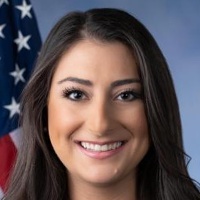
Legislative Activity
Track Sara's sponsored bills, co-sponsored legislation, and voting record
This Act establishes the Children's Commission to advise on and advocate for the well-being of children and marginalized youth across federal policy and action.
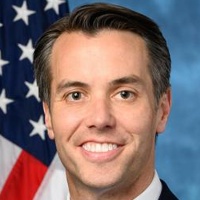
Morgan McGarvey
Representative
KY
Morgan McGarvey
Representative
KY
The Child Safety and Well-Being Act of 2026 establishes a permanent, expert-led Children’s Commission to advise Congress and federal agencies on policies affecting children and marginalized youth. This Commission will promote child well-being, review agency actions, and ensure the voices of children are incorporated into federal decision-making. It will be led by a Children's Commissioner and is authorized to receive funding through fiscal year 2034.
This Act guarantees government-funded legal counsel for unaccompanied children in immigration proceedings and expands document access for all noncitizens facing removal.
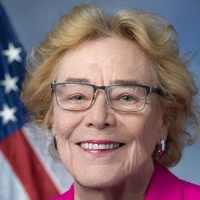
Zoe Lofgren
Representative
CA
Zoe Lofgren
Representative
CA
The Fair Day in Court for Kids Act of 2026 aims to improve fairness and efficiency in immigration proceedings by expanding access to legal information and counsel. The bill specifically guarantees government-funded legal representation for all unaccompanied children throughout their immigration proceedings. It also mandates timely access to case files for all noncitizens and requires the establishment of pro bono representation systems for children.
This bill expresses congressional disapproval of the Department of Health and Human Services' rule aimed at restoring flexibility within the Child Care and Development Fund (CCDF).
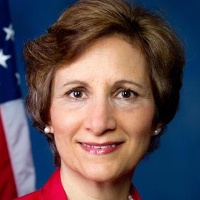
Suzanne Bonamici
Representative
OR
Suzanne Bonamici
Representative
OR
This bill expresses the disapproval of Congress, under the Congressional Review Act, of a Department of Health and Human Services rule concerning the Child Care and Development Fund (CCDF). Specifically, it rejects the rule that aimed to restore flexibility within the CCDF program. As a result, the rule published on May 12, 2026, will not take effect.
This act restricts government use of mail covers by requiring a court order based on reasonable grounds related to an ongoing criminal investigation.
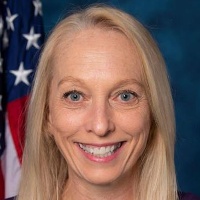
Mary Scanlon
Representative
PA
Mary Scanlon
Representative
PA
The Postal Data Privacy Act of 2026 significantly restricts the government's ability to use mail covers. This act mandates that federal entities must obtain a court order based on reasonable suspicion of criminal activity before accessing mail information. Furthermore, it establishes clear requirements for preserving mail records once a legal process is initiated.
This bill establishes the Smithsonian American Women's History Museum, designates its site on the National Mall, and sets requirements for its mission, construction, and diverse representation of viewpoints.
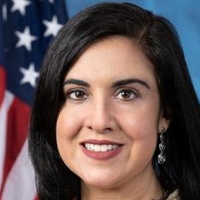
Nicole Malliotakis
Representative
NY
Nicole Malliotakis
Representative
NY
This act officially establishes the Smithsonian American Women’s History Museum and designates its location on the National Mall, requiring the transfer of land jurisdiction to the Smithsonian Institution. The museum is mandated to preserve and present the history and achievements of biological women in the United States. Furthermore, the legislation requires that exhibits and programs reflect diverse political viewpoints and authentic experiences of women, as guided by a broad array of knowledgeable sources.
This resolution expresses the sense of Congress that the U.S. must act to end child poverty by making permanent key investments like the expanded Child Tax Credit and ensuring all children have access to essential resources.
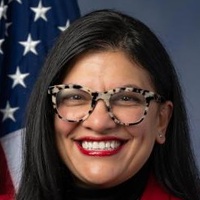
Rashida Tlaib
Representative
MI
Rashida Tlaib
Representative
MI
This resolution expresses the sense of Congress that the United States must take immediate action to end child poverty, citing alarming national rates and the proven success of past federal investments. It calls for establishing a national goal to reduce child poverty and supports key policy changes, including making the expanded Child Tax Credit permanent. The bill advocates for increased federal spending on children, universal access to quality early education, and equitable K-12 public schooling for every child.
This bill authorizes the minting and sale of commemorative gold and silver coins to honor the 25th anniversary of the September 11, 2001, terrorist attacks, with surcharges supporting the National September 11 Memorial and Museum.

Dan Goldman
Representative
NY
Dan Goldman
Representative
NY
This bill authorizes the Secretary of the Treasury to mint and issue commemorative gold and silver coins marking the 25th anniversary of the September 11, 2001, terrorist attacks. The coins will honor the victims, first responders, and survivors, with designs selected in consultation with the National September 11 Memorial and Museum. All surcharges from the sale of these coins will be paid directly to the Memorial and Museum to support its operations and maintenance.
This bill establishes a demonstration project for states to test alternative payment models in Medicaid and CHIP to improve maternal health outcomes for pregnant and postpartum individuals.

Janice Schakowsky
Representative
IL
Janice Schakowsky
Representative
IL
The IMPACT to Save Moms Act establishes a demonstration project for states to test alternative payment models for maternity care within Medicaid and CHIP programs. This project aims to improve maternal health outcomes, particularly for high-risk groups, by considering factors like risk stratification and social determinants of health. The Secretary of HHS must evaluate the project's impact and report recommendations to Congress on potential national expansion.
This Act funds data collection, research, public communication, and task force recommendations to improve maternal health outcomes during public health emergencies.
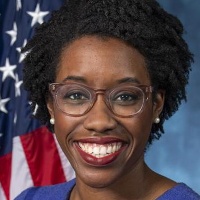
Lauren Underwood
Representative
IL
Lauren Underwood
Representative
IL
The Maternal Health Pandemic Response Act aims to improve maternal and infant health outcomes during public health emergencies. It authorizes significant funding for enhanced data collection, surveillance, and research across various CDC programs. Furthermore, the bill mandates public data disclosure, requires public health communication campaigns, and establishes a task force to develop federal recommendations for ensuring safe, respectful, and equitable maternity care during crises.
This resolution expresses support for designating the last full week of May as Wildfire Preparedness Week to promote public education on fire safety and community preparedness.
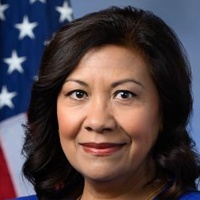
Norma Torres
Representative
CA
Norma Torres
Representative
CA
This resolution expresses support for designating the last full week of May as "Wildfire Preparedness Week." The initiative aims to raise public awareness about the growing threat of wildfires and promote essential educational programs on fire safety and community preparedness. It encourages preventative measures, such as evacuation planning and responsible land management, to reduce human-caused fires.
The Moms Matter Act establishes grant programs to improve maternal mental health equity and expand the diverse workforce providing maternal mental and behavioral health care.
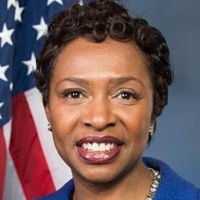
Yvette Clarke
Representative
NY
Yvette Clarke
Representative
NY
The Moms Matter Act establishes two grant programs to improve maternal mental health. The first program funds initiatives to expand mental health and substance use disorder services for pregnant and postpartum individuals, prioritizing high-risk populations. The second program provides grants to grow and diversify the workforce of mental and behavioral health providers specializing in maternal health.
The **Protecting Our Democracy Act** imposes sweeping restrictions on presidential power, enhances congressional oversight, strengthens ethics and anti-corruption laws, and bolsters accountability for federal officials.
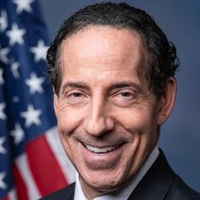
Jamie Raskin
Representative
MD
Jamie Raskin
Representative
MD
The **Protecting Our Democracy Act** imposes sweeping reforms across the executive branch to strengthen accountability and restore checks and balances. It restricts presidential pardon power, closes loopholes to ensure no President is above the law, and enforces constitutional emoluments clauses to prevent self-enrichment. Furthermore, the Act enhances congressional oversight by strengthening subpoena enforcement, increasing transparency around White House visitors and tax returns, and protecting federal whistleblowers from retaliation.
This act establishes universal free breakfast and lunch programs in schools, eliminates meal debt, and updates poverty metrics across various federal education and nutrition programs.
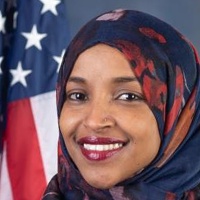
Ilhan Omar
Representative
MN
Ilhan Omar
Representative
MN
The Universal School Meals Program Act of 2026 establishes permanent, universal free breakfast and lunch programs for all enrolled students at participating schools, eliminating income tests and meal debt collection. The bill significantly updates federal funding mechanisms by replacing reliance on free and reduced-price lunch data with new measures for identifying economically disadvantaged students across various education and social programs. Furthermore, it expands access to summer and afterschool meals while making technical amendments across several federal education and nutrition laws.
The YALI Act of 2025 establishes and expands the Young African Leaders Initiative to invest in sub-Saharan African leaders through training, networking, and fellowships like the Mandela Washington Fellowship, while also setting up regional centers and requiring regular progress reports.
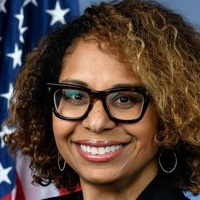
Sydney Kamlager-Dove
Representative
CA
Sydney Kamlager-Dove
Representative
CA
The YALI Act of 2025 formally establishes and expands the Young African Leaders Initiative to invest in emerging African leaders across sub-Saharan Africa. This legislation mandates the creation of professional development, training, and networking opportunities focused on business, civic engagement, and public administration. The bill specifically supports the Mandela Washington Fellowship and requires the establishment of regional leadership centers and online networks to foster ongoing engagement and U.S.-Africa ties.
This resolution condemns attacks on civilians in Sudan, demands an end to external support for the warring parties, and calls for efforts to negotiate a settlement to the civil war.
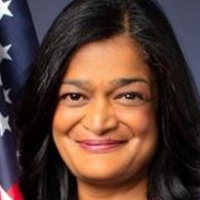
Pramila Jayapal
Representative
WA
Pramila Jayapal
Representative
WA
This resolution condemns the devastating attacks on civilians in the Sudanese civil war and calls for an immediate end to external support fueling the conflict. It urges all parties to cease hostilities and demands robust international efforts to negotiate a settlement leading to civilian-led democratic governance. The bill emphasizes the urgent need to address the massive humanitarian crisis and hold perpetrators of atrocities accountable.
This act prohibits the use of federal funds for military action in or against Iran through 2026 unless Congress formally declares war or authorizes such force.
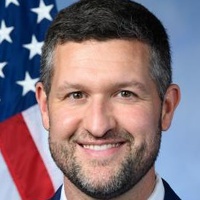
Patrick Ryan
Representative
NY
Patrick Ryan
Representative
NY
The No Funds for Iran War Act prohibits the use of federal funds for military action in or against Iran through the end of 2026. This ban remains in effect unless Congress formally declares war or passes a specific authorization for military force. Exceptions are made only for actions consistent with the War Powers Resolution or necessary self-defense against an imminent attack.
This bill officially designates May 2026 as Asian American, Native Hawaiian, and Pacific Islander Heritage Month to celebrate their significant contributions to U.S. history and culture.
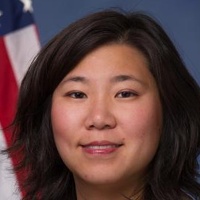
Grace Meng
Representative
NY
Grace Meng
Representative
NY
This bill officially designates May 2026 as Asian American, Native Hawaiian, and Pacific Islander Heritage Month. It calls for nationwide recognition and celebration of the significant contributions, achievements, and history of these communities to the United States. The measure emphasizes that these communities enhance the nation's diversity and strength.
This bill nullifies three specific Department of State rules regarding foreign assistance, effectively voiding their implementation and preventing enforcement of similar future policies.
Grace Meng
Representative
NY
Grace Meng
Representative
NY
This Act nullifies three specific Department of State rules concerning foreign assistance, effectively treating them as if they never existed. It prohibits any federal agency from implementing or enforcing these rules, or any substantially similar future policies. The legislation aims to prevent the enforcement of rules related to "Protecting Life," "Discriminatory Equity Ideology," and "Gender Ideology" in foreign aid.
This bill officially designates the United States Postal Service facility at 3817 Marysville Boulevard in Sacramento, California, as the "Grantland Johnson Post Office."
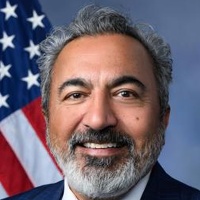
Ami Bera
Representative
CA
Ami Bera
Representative
CA
This bill officially designates the United States Postal Service facility located at 3817 Marysville Boulevard in Sacramento, California, as the "Grantland Johnson Post Office." This action ensures the building is officially recognized by its new name in all records and documentation.
This act extends eligibility for various Department of Veterans Affairs benefits to former service members discharged solely due to their sexual orientation or gender identity.
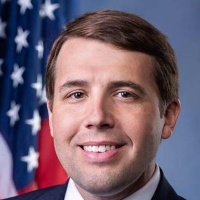
Chris Pappas
Representative
NH
Chris Pappas
Representative
NH
The Securing the Rights our Veterans Earned Act (SERVE Act) extends eligibility for key Department of Veterans Affairs (VA) benefits to former service members who were discharged based on their sexual orientation or gender identity. This includes access to hospital care, mental health services, national cemetery burial, Post-9/11 GI Bill education assistance, and housing loans. The bill also mandates the VA Secretary to conduct outreach regarding these newly available benefits.