Legislative Activity
Track Hank's sponsored bills, co-sponsored legislation, and voting record
This Act mandates that the U.S. government's annual human rights reports abroad must include detailed findings on the status of reproductive rights, aligning U.S. foreign policy with international human rights standards.
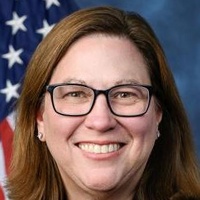
Julie Johnson
Representative
TX
Julie Johnson
Representative
TX
The Reproductive Rights are Human Rights Act of 2025 establishes that reproductive rights are fundamental human rights based on international commitments. This bill mandates that the State Department must include a detailed, required section on the status of reproductive rights in every country within its annual human rights reports. These reports must cover access to contraception, abortion services, and instances of reproductive coercion or discrimination against marginalized groups. The Act aims to ensure robust U.S. monitoring and accountability regarding global reproductive health and autonomy.
This act mandates that employers provide employees with at least two hours of paid leave to vote in federal elections, with the employer determining the specific time the leave is taken.
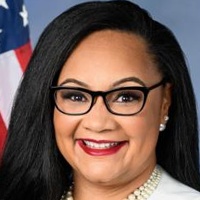
Nikema Williams
Representative
GA
Nikema Williams
Representative
GA
The Time Off to Vote Act mandates that employers provide employees with at least two consecutive hours of paid leave to vote in federal elections. Employers retain control over when this paid leave is taken, which can include early voting periods if permitted by state law. This Act prohibits employers from penalizing employees for utilizing this required voting leave.
This Act establishes a new federal program to provide dedicated, long-term funding to states for improving election administration, security, and accessibility, managed by a new federal office.
Nikema Williams
Representative
GA
Nikema Williams
Representative
GA
The Sustaining Our Democracy Act establishes a new federal program to provide annual grants to states for improving election administration, security, and accessibility, managed by a newly created Office of Democracy Advancement and Innovation. This funding is supported by a dedicated ten-year Trust Fund to ensure stable resources for election infrastructure upgrades. The bill imposes strict rules on how states can use the money, including prohibitions against purchasing insecure voting machines or restricting basic voter support. If states fail to comply, the federal Director can bypass state government to fund local election subdivisions directly.
This Act prohibits deceptive communications and voter intimidation related to federal elections, establishes penalties for spreading false voting information (including AI-generated content), and empowers the Attorney General to issue public corrections.
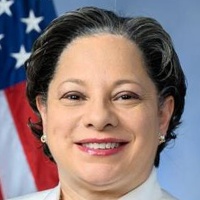
Jennifer McClellan
Representative
VA
Jennifer McClellan
Representative
VA
The Deceptive Practices and Voter Intimidation Prevention Act of 2025 establishes federal prohibitions and penalties against knowingly spreading materially false information intended to suppress voting in federal elections, including the use of AI-generated content within 60 days of an election. The bill also criminalizes intimidating election workers involved in ballot tabulation and certification processes. Furthermore, it authorizes the Attorney General to issue public corrections to widespread false voting information and requires detailed reporting on election interference allegations.
This Act mandates the distribution of voter registration information to individuals receiving federal rental assistance or applying for residential mortgages.
Nikema Williams
Representative
GA
Nikema Williams
Representative
GA
The Voters on the Move Registration Act of 2025 mandates that standardized, multilingual voter registration information be provided to individuals applying for certain federally assisted rental housing or residential mortgages. This ensures that tenants and mortgage applicants receive clear instructions on how to register to vote. The Bureau of Consumer Financial Protection is tasked with creating this uniform voter information statement. This requirement focuses solely on providing information, not compelling voter registration.
This Act secures and expands voting rights for unhoused citizens by prohibiting residency-based disenfranchisement, establishing new accessibility requirements, and creating federal grants to support local outreach efforts.
Nikema Williams
Representative
GA
Nikema Williams
Representative
GA
The Unhoused Voter Opportunity Through Elections Act aims to secure and expand the right to vote for citizens experiencing homelessness by prohibiting residency-based disenfranchisement. It mandates accessible registration methods, requires outreach from service providers, and establishes federal grants to help local governments implement these protections. Ultimately, this legislation seeks to ensure that where a person sleeps cannot be a barrier to their participation in federal elections.
The CHALLENGES Act establishes strict requirements and penalties to prevent individuals from submitting dishonest or unsupported challenges to registered voters' eligibility.
Nikema Williams
Representative
GA
Nikema Williams
Representative
GA
The CHALLENGES Act aims to protect election integrity by establishing strict new requirements to prevent dishonest or bad-faith challenges to registered voters' eligibility. It mandates that individuals challenging a voter's status must provide specific, firsthand evidence and swear under oath, while also imposing criminal penalties for knowingly submitting false challenges. Furthermore, the bill requires online challenge systems to reject anonymous submissions and clearly state the prohibition against bad-faith filings.
The Youth Voting Rights Act establishes new federal protections and requirements to expand and enforce voting access for young citizens, including pre-registration for 16- and 17-year-olds, mandatory on-campus polling places, and validation of student IDs.
Nikema Williams
Representative
GA
Nikema Williams
Representative
GA
The Youth Voting Rights Act aims to strengthen voting access for young Americans by enforcing the 26th Amendment. This bill mandates that public colleges facilitate voter registration, allows 16- and 17-year-olds to pre-register for federal elections, and requires on-campus polling locations. It also establishes grants to encourage youth civic engagement and strengthens protections against age-based barriers in voting, including ID rules and absentee voting.
The People Over Long Lines Act mandates a maximum 30-minute wait time for federal elections, requires states to submit plans to ensure fair resource allocation, and establishes funding to prevent unreasonable voter delays.
Nikema Williams
Representative
GA
Nikema Williams
Representative
GA
The People Over Long Lines Act (POLL Act) aims to protect the fundamental right to vote by establishing a national standard that no eligible citizen should wait more than 30 minutes to cast a ballot in a federal election. To achieve this, the bill mandates that states submit plans detailing how they will ensure fair wait times and requires the Attorney General to set minimum standards for voting resources like poll workers and equipment. Furthermore, the Act authorizes federal funding to help states comply and creates a private right of action allowing citizens to sue over excessive wait times.
The CLEAR ID Act mandates that Department of Homeland Security immigration enforcement officers clearly display identification during operations, with limited exceptions for medical necessity or approved undercover work.
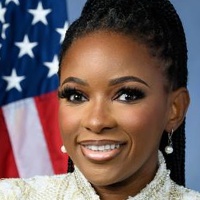
Jasmine Crockett
Representative
TX
Jasmine Crockett
Representative
TX
The CLEAR ID Act aims to combat crimes committed by individuals impersonating immigration enforcement officers by establishing strict identification requirements for federal immigration enforcement actions. This bill mandates that officers clearly display identification, wear visible agency insignia, and refrain from facial coverings during operations funded by the Department of Homeland Security (DHS). These rules are designed to protect the public and maintain trust in legitimate law enforcement.
The DEAL Act of 2025 mandates a report investigating government settlements exceeding \$1 million with law firms whose legal engagements appear linked to the withdrawal or non-enforcement of regulatory actions against those firms between February 1 and April 30, 2025.
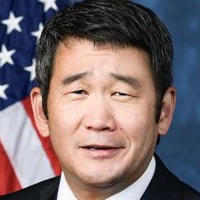
Dave Min
Representative
CA
Dave Min
Representative
CA
The DEAL Act of 2025 mandates the Comptroller General to investigate specific large-value settlements or agreements between the Executive Branch and certain law firms occurring between February 1 and April 30, 2025. This report will determine if these arrangements—where legal services were provided concerning Executive Branch priorities—violated existing federal financial rules. The focus is on high-value legal engagements potentially linked to the government easing enforcement actions against those firms.
This resolution officially recognizes World Hepatitis Day on July 28, 2025, while urging increased public awareness, vaccination, and treatment access to combat the significant public health threat of hepatitis B and C.
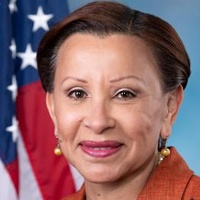
Nydia Velázquez
Representative
NY
Nydia Velázquez
Representative
NY
This resolution officially recognizes July 28, 2025, as "World Hepatitis Day" to bring urgent attention to the deadly threat of viral hepatitis B and C in the United States. It highlights the high rates of undiagnosed infections and disproportionate impact on vulnerable communities. The bill urges increased public education, vaccination efforts for adults, and improved access to curative treatments for hepatitis C. Ultimately, it supports national goals to eliminate viral hepatitis through coordinated public health action.
This resolution commemorates the continuation of hip hop's semicentennial by designating specific days and months in 2025 to celebrate its cultural impact and history.
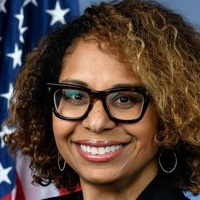
Sydney Kamlager-Dove
Representative
CA
Sydney Kamlager-Dove
Representative
CA
This resolution commemorates the continuation of the semicentennial of hip hop by officially designating specific dates to honor its cultural impact. It recognizes August 11, 2025, as "Hip Hop Celebration Day," August 2025 as "Hip Hop Recognition Month," and November 2025 as "Hip Hop History Month." The bill celebrates hip hop's origins in the Bronx and its evolution into a globally influential, multi-billion dollar American art form.
This bill repeals specific prior health reconciliation provisions and expands eligibility for the Premium Tax Credit by removing the 400% income cap and adjusting the subsidy calculation formula.
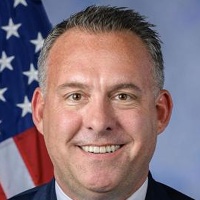
Adam Gray
Representative
CA
Adam Gray
Representative
CA
The Protecting Health Care and Lowering Costs Act of 2025 repeals specific prior reconciliation health provisions. This bill significantly expands eligibility for the Premium Tax Credit by eliminating the 400% Federal Poverty Level income cap. It also updates the subsidy calculation formula to ensure a smoother, linear adjustment of assistance across various income levels.
This resolution supports Minority Mental Health Awareness Month by recognizing the disproportionate mental health struggles and access barriers faced by minority populations and urging increased focus on culturally competent care.
Jasmine Crockett
Representative
TX
Jasmine Crockett
Representative
TX
This resolution supports Minority Mental Health Awareness Month by recognizing the disproportionate impact of mental health conditions on minority populations. It highlights significant racial disparities in mental health experiences and barriers to culturally competent care. The bill calls on the President to increase efforts to improve access to mental health services that specifically address the unique cultural and social challenges faced by minority communities.
The EATS Act of 2025 expands eligibility for SNAP benefits by removing previous restrictions for students enrolled at least half-time in recognized educational programs.
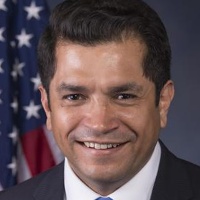
Jimmy Gomez
Representative
CA
Jimmy Gomez
Representative
CA
The EATS Act of 2025 significantly updates eligibility for the Supplemental Nutrition Assistance Program (SNAP) by removing previous restrictions that often disqualified students. This legislation explicitly includes bona fide students enrolled at least half-time in recognized educational programs as eligible participants for food assistance. These changes take effect on January 2, 2026.
This bill mandates that former candidates' campaign committees and PACs must spend down remaining funds within two years after an election, unless the candidate runs again, and requires former candidates who become lobbyists or foreign agents to certify compliance with these disbursement rules.
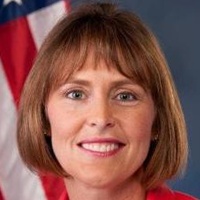
Kathy Castor
Representative
FL
Kathy Castor
Representative
FL
The Honest Elections and Campaign, No Gain Act mandates that candidates' leftover campaign funds must be spent down within two years after an election, unless the candidate immediately runs again. Remaining funds must be used to pay debts or donated to specific political or charitable organizations. Furthermore, former candidates who become registered lobbyists or foreign agents must certify that their past campaign committees complied with these new disbursement rules. These provisions take effect starting with the general federal elections in November 2026.
This act repeals the prohibition on Medicaid payments to certain healthcare entities and mandates retroactive payment for services already rendered under the repealed ban.
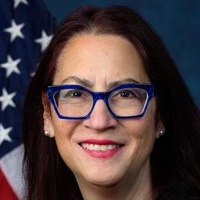
Laura Friedman
Representative
CA
Laura Friedman
Representative
CA
The Restoring Essential Healthcare Act repeals an outdated ban that prevented Medicaid from making payments to certain healthcare providers. This legislation ensures that these previously prohibited entities will now be reimbursed for medical services rendered between the enactment of the original ban and the passage of this Act. In short, it restores payment eligibility and retroactively covers past services.
This act authorizes $50 million annually from 2026 through 2031 for the CDC to conduct research on firearms safety and gun violence prevention.
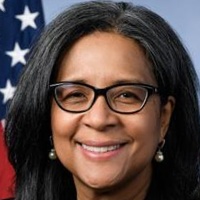
Marilyn Strickland
Representative
WA
Marilyn Strickland
Representative
WA
The Gun Violence Prevention Research Act of 2025 authorizes $50 million annually for the Centers for Disease Control and Prevention (CDC) to conduct or support research on firearms safety and gun violence prevention. This dedicated funding is authorized for each fiscal year from 2026 through 2031. This new allocation is separate from and in addition to any existing CDC research funding.
The Protected Time Off Act establishes a federal minimum accrual rate of one hour of paid annual leave for every 25 hours worked, while protecting employees' rights to use and enforce this earned time off.
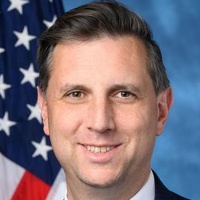
Seth Magaziner
Representative
RI
Seth Magaziner
Representative
RI
The Protected Time Off Act establishes a federal minimum standard for earned paid annual leave, requiring employers to grant employees at least one hour of paid time off for every 25 hours worked, up to 80 hours annually. This law specifies how leave is accrued, used, and rolled over, while protecting employees from retaliation for exercising these rights. It also ensures that existing state laws or agreements that provide more generous leave benefits remain in effect. Enforcement mechanisms are established, largely mirroring those under the Fair Labor Standards Act, allowing both government investigation and direct employee lawsuits.