
Legislative Activity
Track Hank's sponsored bills, co-sponsored legislation, and voting record
This act mandates the FDA to study the human health impacts of microplastic exposure through food and water and report recommendations to Congress.

Janelle Bynum
Representative
OR
Janelle Bynum
Representative
OR
The Microplastics Safety Act mandates the FDA to conduct a comprehensive study on the human health impacts of microplastic exposure through food and water. This research must specifically investigate risks to children's health, endocrine function, cancer, and reproduction. Following the study, the FDA is required to report its findings and recommend necessary legislative or regulatory actions to Congress.
This Act prohibits federal funding for immigration detention facilities in the Everglades ecosystem and mandates unannounced Congressional access and an Inspector General review of any existing facilities in the area.
Debbie Wasserman Schultz
Representative
FL
Debbie Wasserman Schultz
Representative
FL
The No Cages in the Everglades Act prohibits the Department of Homeland Security from using any federal funds to operate or build immigration detention facilities within the Everglades ecosystem. The bill also mandates immediate, unannounced access for Members of Congress to all immigration detention centers for oversight purposes. Furthermore, it requires the DHS Inspector General to conduct a comprehensive review of any existing detention facilities in the area.
This Act mandates that colleges and secondary schools develop, practice, and publicly post venue-specific emergency action plans for preventing and responding to student athlete heat-related illnesses.
Kweisi Mfume
Representative
MD
Kweisi Mfume
Representative
MD
The Jordan McNair Student Athlete Heat Fatality Prevention Act mandates that colleges and secondary schools develop and implement specific emergency action plans for heat-related illnesses, including required training and public posting of these procedures. The bill aims to prevent tragic incidents like the death of Jordan McNair by ensuring rapid access to cooling equipment and clear coordination with emergency medical services. Furthermore, it requires the Department of Education to actively promote federal grant opportunities available to schools for heat illness prevention, training, and equipment purchases.
The Gun Safety Incentive Act establishes federal guidelines for safe firearm storage, mandates safety warnings on new firearms, expands safe storage requirements for firearm sales, creates a grant program for states to distribute storage devices, and offers a tax credit to businesses selling safe storage devices.

André Carson
Representative
IN
André Carson
Representative
IN
The Gun Safety Incentive Act aims to promote responsible firearm ownership by establishing voluntary best practices for safe storage developed by the Attorney General. It mandates clear safe storage warnings on newly manufactured firearms and expands existing federal law to require safe storage information for all firearm purchases, including rifles and shotguns. Furthermore, the Act establishes a grant program to help states and Tribes distribute free safe storage devices and creates a tax credit for businesses selling these devices.
The Texture Positive Act of 2025 establishes a federal grant program to fund states in awarding subgrants to specialized organizations for integrating comprehensive textured hair training into cosmetology school curricula.
Nydia Velázquez
Representative
NY
Nydia Velázquez
Representative
NY
The Texture Positive Act of 2025 establishes a federal grant program administered by the Secretary of Labor to improve specialized training for cosmetologists. States can apply for these grants to award subgrants to qualified, established, minority- or women-owned training providers. These subgrants must fund the integration of comprehensive textured hair care techniques into cosmetology school curricula.
This bill places a temporary moratorium on the closure or restriction of access to National Oceanic and Atmospheric Administration (NOAA) facilities until 180 days after a required justification report is submitted to Congress.
Gabe Amo
Representative
RI
Gabe Amo
Representative
RI
The Stop NOAA Closures Act places a temporary moratorium on the closure or restriction of access to any National Oceanic and Atmospheric Administration (NOAA) facilities. This freeze remains in effect until 180 days after key officials submit a required report to Congress detailing the criteria and process for any future facility changes. After the moratorium lifts, any major facility action will still require a 30-day advance notice and justification report to Congress, except in cases of immediate emergency threatening staff safety.
The Housing Is a Human Right Act of 2025 shifts federal focus from penalizing homelessness to investing in supportive alternatives, increasing housing infrastructure funding, and ensuring equitable access to housing and voting rights.

Pramila Jayapal
Representative
WA
Pramila Jayapal
Representative
WA
The Housing Is a Human Right Act of 2025 aims to combat homelessness and housing instability through comprehensive federal action. It establishes new funding streams and infrastructure investments to build affordable housing and provide direct support services while shifting local responses away from criminalizing poverty. Furthermore, the Act introduces new taxes on high-value real estate transactions to fund these initiatives and mandates stronger civil rights protections across federal housing and assistance programs.
This resolution declares the Trump administration's fossil fuel directives a health and safety emergency disproportionately harming children's fundamental rights by worsening climate change and suppressing climate science.

Janice Schakowsky
Representative
IL
Janice Schakowsky
Representative
IL
This resolution declares a health and safety emergency disproportionately affecting children due to prior administration directives that promoted fossil fuels and suppressed climate science. Congress asserts that these actions harm children's fundamental rights to life and a stable environment by worsening climate change impacts. The bill demands the current administration cease policies that increase greenhouse gases and restore access to suppressed climate research. Ultimately, it calls for aligning all energy and climate laws with the duty to protect the rights and future of young people.
This bill prohibits U.S. Immigration and Customs Enforcement (ICE) from using federal funds to detain or transport U.S. citizens during civil immigration enforcement activities.
Pramila Jayapal
Representative
WA
Pramila Jayapal
Representative
WA
The Stop ICE from Kidnapping U.S. Citizens Act strictly prohibits U.S. Immigration and Customs Enforcement (ICE) from using any federal funds for civil immigration enforcement activities involving U.S. citizens. Specifically, this bill bans ICE from spending money to detain or transport any citizen of the United States. This measure ensures federal funds are not used to wrongfully target or remove American citizens.
This Act amends bankruptcy law to make it easier for struggling student loan borrowers to discharge their debt by removing the "undue hardship" standard.
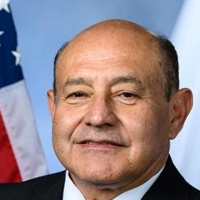
J. Correa
Representative
CA
J. Correa
Representative
CA
The Student Loan Bankruptcy Improvement Act of 2025 aims to reform the bankruptcy process for student loan borrowers. This bill seeks to lower the current, overly difficult standard required to discharge student loan debt in bankruptcy proceedings. By making these changes, Congress intends to provide struggling borrowers with a genuine opportunity for a financial fresh start.
This Act mandates federal standards requiring employers to implement comprehensive heat illness and injury prevention programs to protect workers from dangerous heat stress.
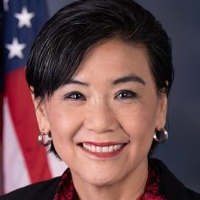
Judy Chu
Representative
CA
Judy Chu
Representative
CA
The Asunción Valdivia Heat Illness, Injury, and Fatality Prevention Act of 2025 mandates that employers protect workers from dangerous heat stress by establishing comprehensive safety standards. This Act requires the Secretary of Labor to create evidence-based rules covering engineering controls, administrative procedures, required training, and paid rest breaks to prevent heat-related illness. Furthermore, the law establishes strict enforcement mechanisms, whistleblower protections, and specific timelines for the implementation of these new federal heat protection standards.
This bill establishes strict limits and reporting requirements for donations made to Presidential Libraries and Centers, particularly targeting lobbyists, federal contractors, and foreign nationals while a president is in or recently out of office.

Jared Moskowitz
Representative
FL
Jared Moskowitz
Representative
FL
This bill amends federal law to establish strict limits and reporting requirements for donations made to Presidential Libraries and Centers. It prohibits certain restricted entities, such as lobbyists and federal contractors, from donating while a President is in office or for two years after they leave. The legislation also imposes an aggregate $10,000 lifetime donation cap per person and mandates public disclosure of all significant contributions.
This resolution urges Congress to prioritize the rapid and equitable development of solutions that address the unique health vulnerabilities of children facing extreme weather and poor air quality.

Jennifer McClellan
Representative
VA
Jennifer McClellan
Representative
VA
This resolution expresses the sense of Congress that extreme weather poses unique and severe threats to the health and well-being of children. It urges that solutions to address these escalating dangers must be rapidly and equitably developed and deployed with children's specific vulnerabilities in mind. The bill calls for prioritizing the physical and mental health needs of children in all future climate adaptation and air quality planning efforts.
This bill mandates the Attorney General to release nearly all unclassified Department of Justice records related to Jeffrey Epstein within 30 days, with limited exceptions for victim privacy or active investigations.

Thomas Massie
Representative
KY
Thomas Massie
Representative
KY
This bill, titled the Epstein Files Transparency Act, mandates the Attorney General to release nearly all unclassified Department of Justice records related to Jeffrey Epstein within 30 days of enactment. The legislation strictly limits the justifications for withholding or redacting documents, prohibiting secrecy based on political sensitivity or potential embarrassment. The only permissible redactions involve victim privacy, child sexual abuse material, or narrowly defined threats to active investigations or national security classifications. Upon completion, the Attorney General must submit a detailed report to Congress listing all released and withheld materials, including an unredacted list of all named government officials.
This Act mandates a comprehensive federal study to investigate the potential link between the use of chemical hair straighteners and the incidence of uterine cancer, with a specific focus on disparities among women of color.

Yvette Clarke
Representative
NY
Yvette Clarke
Representative
NY
The Uterine Cancer Study Act of 2025 mandates a comprehensive federal study to investigate the potential link between the use of chemical hair straighteners and the risk of developing uterine cancer. This research must specifically examine disparities in cancer rates among women of color. The study will ultimately recommend whether the FDA should require additional safety testing for these hair products.
This Act establishes federal funding for research, state grants, and public awareness campaigns aimed at improving the early detection, intervention, and treatment of uterine fibroids.

Shontel Brown
Representative
OH
Shontel Brown
Representative
OH
The Uterine Fibroid Intervention and Gynecological Health Treatment Act of 2025 aims to improve the detection and treatment of uterine fibroids. It mandates federal research to develop evidence-based early detection strategies and establishes grant programs for states to fund screening, education, and intervention services, prioritizing vulnerable populations. Furthermore, the bill allocates funding for research into pain management related to fibroid surgery and other uterine conditions.
This Act establishes increased federal research, public education, and provider information dissemination regarding uterine fibroids, with a focus on addressing racial disparities and non-hysterectomy treatment options.
Yvette Clarke
Representative
NY
Yvette Clarke
Representative
NY
The Stephanie Tubbs Jones Uterine Fibroid Research and Education Act of 2025 aims to significantly increase federal research, public education, and provider awareness regarding uterine fibroids. The bill mandates expanded research coordination across federal agencies and authorizes funding to study the condition, which disproportionately affects minority women. It also requires the creation of public awareness campaigns detailing non-hysterectomy treatment options and mandates data collection on Medicaid/CHIP spending for fibroid treatments.
The People's Response Act establishes a new federal division and grant programs to fund community-led, evidence-based approaches that reduce contact with the criminal justice system and promote public safety, especially for historically marginalized communities.

Summer Lee
Representative
PA
Summer Lee
Representative
PA
The People’s Response Act establishes a new Division on Community Safety within HHS to research and fund evidence-based, non-punitive methods for improving public safety. The law creates several grant programs to directly support community-led organizations, local governments, and states in implementing these "qualified approaches." These efforts prioritize reducing contact with the criminal justice system and providing comprehensive support to historically marginalized communities. The Act also mandates the creation of advisory bodies to ensure the work centers the needs and experiences of those most impacted by systemic harm.
This resolution demands the immediate handover of all unclassified federal documents related to the Jeffrey Epstein investigation within 14 days, authorizing subpoenas if the executive branch fails to comply.

Marc Veasey
Representative
TX
Marc Veasey
Representative
TX
This resolution demands that federal agencies immediately release all unclassified documents related to the Jeffrey Epstein investigation. Congress is asserting its constitutional authority to compel transparency regarding Epstein's network, client lists, and internal agency communications. Agencies have 14 days to comply before the House initiates subpoena proceedings to force disclosure.
This resolution officially honors the victims of the 1967 Newark riots and acknowledges their enduring impact on the community and the national conversation on inequality.

LaMonica McIver
Representative
NJ
LaMonica McIver
Representative
NJ
This resolution officially honors the memory of the victims of the 1967 Newark riots and acknowledges the enduring impact of the civil unrest on the community. It recognizes the historical context, causes, and consequences of the events, including systemic inequality and police misconduct. Furthermore, the resolution commits to supporting ongoing efforts to address racial and economic disparities to prevent future unrest.