Legislative Activity
Track Erin's sponsored bills, co-sponsored legislation, and voting record
This resolution strongly condemns the rise of antisemitism in the United States and honors the memory of Yaron Lischinsky and Sarah Milgrim, who were murdered while promoting peace.
Addison McDowell
Representative
NC
Addison McDowell
Representative
NC
This resolution strongly condemns the rise of antisemitism in the United States and around the world. It specifically honors the memory of Yaron Lischinsky and Sarah Milgrim, who were tragically murdered while promoting peace. Ultimately, Congress reaffirms its commitment to combating all forms of hate and ensuring the vigorous enforcement of laws protecting religious freedom.
The DEFIANCE Act of 2025 establishes a federal civil right of action against the creation, possession with intent to share, or sharing of nonconsensual sexually explicit digital forgeries, or "deepfakes."
Alexandria Ocasio-Cortez
Representative
NY
Alexandria Ocasio-Cortez
Representative
NY
The DEFIANCE Act of 2025 establishes a federal civil cause of action against the creation, possession with intent to share, or sharing of nonconsensual intimate digital forgeries, often known as deepfakes. This legislation updates existing law to specifically address image-based sexual abuse created through AI or digital manipulation, regardless of whether the image is labeled as fake. Victims can sue for significant statutory damages, attorney's fees, and injunctive relief to stop the spread of the harmful content. The Act ensures that this new federal standard does not preempt or limit stronger existing State or Tribal laws.
This resolution condemns former FBI Director James Comey for allegedly inciting violence against President Trump through a cryptic social media post and demands an investigation and his permanent barring from federal employment.
Laurel Lee
Representative
FL
Laurel Lee
Representative
FL
This resolution strongly condemns former FBI Director James Comey for a social media post interpreted as inciting violence against President Donald J. Trump during his overseas trip. Congress demands that federal authorities investigate Comey's actions and permanently bar him from any future federal employment. The measure asserts that political violence incitement by former high-ranking officials is unacceptable and threatens national security.
This Act reinstates and extends the ability for taxpayers to deduct personal casualty losses from unexpected events like crimes, scams, and disasters without previous limitations.
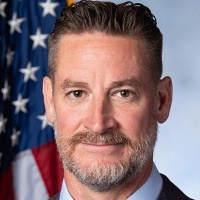
W. Steube
Representative
FL
W. Steube
Representative
FL
The Tax Relief for Victims of Crimes, Scams, and Disasters Act reinstates and removes limitations on the federal income tax deduction for personal casualty losses resulting from unexpected events like fires or floods. This legislation also extends the deadline for taxpayers to file claims for refunds related to these casualty loss deductions for past tax years. These changes apply to tax years beginning after December 31, 2017.
This resolution formally expresses Congress's support, gratitude, and recognition for the dedication and sacrifices of local law enforcement officers.
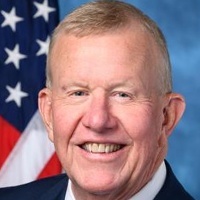
Mike Ezell
Representative
MS
Mike Ezell
Representative
MS
This Concurrent Resolution formally expresses the appreciation of Congress for the dedication and service of local law enforcement officers across the nation. It recognizes the sacrifices made by officers and their families in keeping communities safe. The resolution also encourages strong partnerships between police departments and the communities they serve.
This bill disapproves of and nullifies the Department of Energy's energy conservation standards for commercial refrigerators, freezers, and refrigerator-freezers.
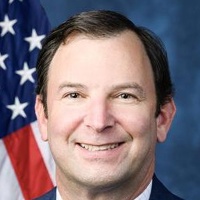
Craig Goldman
Representative
TX
Craig Goldman
Representative
TX
This bill disapproves of and nullifies the Department of Energy's rule on energy conservation standards for commercial refrigerators, freezers, and refrigerator-freezers.
This joint resolution disapproves the Department of Energy's submitted rule establishing new energy conservation standards for walk-in coolers and freezers.
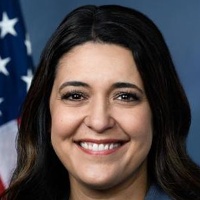
Stephanie Bice
Representative
OK
Stephanie Bice
Representative
OK
This joint resolution expresses the disapproval of Congress regarding a specific rule submitted by the Department of Energy (DOE) concerning energy conservation standards for walk-in coolers and freezers. By utilizing the Congressional Review Act, this measure nullifies the DOE's recently published rule, preventing it from taking effect. Essentially, Congress is overturning the new energy efficiency requirements for commercial refrigeration units.
This resolution formally honors mothers, recognizes their essential role in raising the next generation, and explicitly defines motherhood as belonging to women while rejecting alternative terminology.
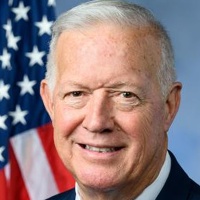
Randy Weber
Representative
TX
Randy Weber
Representative
TX
This resolution formally honors mothers and recognizes the vital role they play in raising the next generation, coinciding with Mother's Day. It reaffirms that motherhood is defined by women and strongly rejects alternative terminology that diminishes this role. Ultimately, the bill encourages the nation to celebrate the invaluable contributions of mothers to families and the country.
This Act establishes a bipartisan Fiscal Commission tasked with developing and reporting legislative recommendations to reduce the national debt, followed by an expedited congressional process for considering those recommendations.
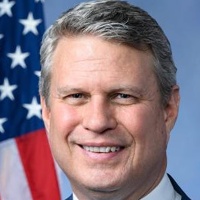
Bill Huizenga
Representative
MI
Bill Huizenga
Representative
MI
The Fiscal Commission Act establishes a bipartisan commission tasked with developing legislative recommendations to improve the nation's long-term fiscal health, aiming to reduce the national debt ratio to 100% of GDP by 2039. This Commission, composed of appointed members from both chambers of Congress and outside experts, must submit its final report and proposed legislation within a specific timeframe. The Act also creates an expedited, amendment-free process for Congress to consider and vote on any resulting "implementing bills."
This resolution recognizes National Foster Care Month to highlight the challenges faced by children in the foster care system and encourages policy improvements to better their lives.
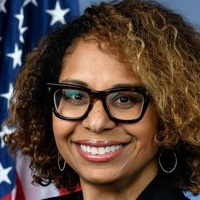
Sydney Kamlager-Dove
Representative
CA
Sydney Kamlager-Dove
Representative
CA
This resolution officially recognizes May as National Foster Care Month to raise awareness about the challenges facing children in the foster care system. It highlights the urgent need for improved policy and support to ensure every child achieves a safe, permanent, and loving family. The bill encourages greater investment in prevention services, family reunification, and support for youth aging out of care.
This bill establishes procedures for attributing errors and liabilities between employers and third-party payroll tax payors when filing payroll taxes.
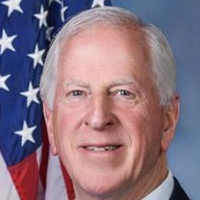
Mike Thompson
Representative
CA
Mike Thompson
Representative
CA
This bill establishes new procedures for the IRS when errors occur in payroll tax filings made by third-party payors, such as Professional Employer Organizations (PEOs). It clarifies the responsibility for resulting tax liabilities or penalties based on whether the payor relied on erroneous information provided by the employer. The legislation aims to fairly allocate responsibility between the employer and the third-party payor when mistakes happen during tax certification and filing.
The SALUTE Act establishes a pilot program allowing certain active military members and their dependents to purchase supplemental, self-funded insurance to cover out-of-pocket cancer-related medical expenses not covered by TRICARE.
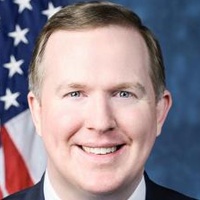
Brian Jack
Representative
GA
Brian Jack
Representative
GA
The SALUTE Act establishes a pilot program to allow certain active-duty service members and their dependents to purchase supplemental private insurance for uncovered cancer-related medical expenses. This optional coverage will be offered through agreements with selected insurance companies, with participants paying the full premium cost. The Department of Defense must report on the program's success after three years to determine if it should become permanent.
The App Store Accountability Act establishes federal standards for app stores and developers regarding age verification, parental consent for minors' data use, and clear age-based disclosures.
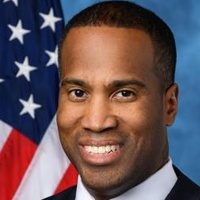
John James
Representative
MI
John James
Representative
MI
The App Store Accountability Act establishes federal standards for app stores and developers regarding user age verification and parental consent. It mandates that app stores accurately determine user age and secure verifiable parental permission before allowing minors to access certain app features or content. The law grants the FTC and state Attorneys General enforcement authority, treating violations as deceptive practices. This federal framework preempts conflicting state or local regulations concerning these specific requirements.
This bill establishes new responsibilities for the Assistant Secretary of Commerce to strengthen critical U.S. supply chains, promote domestic manufacturing of emerging technologies, and coordinate a working group to assess and mitigate supply chain vulnerabilities over the next ten years.
John James
Representative
MI
John James
Representative
MI
The Promoting Resilient Supply Chains Act of 2025 significantly expands the role of the Assistant Secretary of Commerce to strengthen critical U.S. supply chains and emerging technologies. This legislation establishes a new interagency Working Group tasked with mapping vulnerabilities and developing strategies to boost domestic manufacturing and reduce reliance on high-risk foreign sources. The Act mandates comprehensive annual reporting to Congress on the state of national supply chain resilience. All provisions of this Act are set to automatically expire ten years after enactment.
This Act mandates a study to assess the feasibility of manufacturing essential, currently imported critical infrastructure products within the United States.
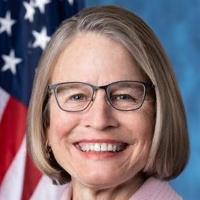
Mariannette Miller-Meeks
Representative
IA
Mariannette Miller-Meeks
Representative
IA
The Critical Infrastructure Manufacturing Feasibility Act mandates the Secretary of Commerce to conduct a comprehensive study on the domestic manufacturing capabilities for essential products across the 16 critical infrastructure sectors. This study will identify key imported items, analyze the economic and employment impacts of producing them domestically, and recommend feasible products for U.S. production. The findings and specific manufacturing suggestions will then be reported to Congress and made publicly available.
The Safeguard American Voter Eligibility (SAVE) Act mandates that individuals registering to vote in federal elections must present documentary proof of U.S. citizenship.
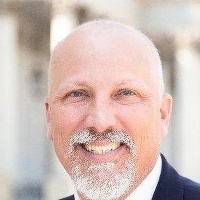
Chip Roy
Representative
TX
Chip Roy
Representative
TX
The Safeguard American Voter Eligibility Act (SAVE Act) significantly amends federal law to require individuals registering to vote in federal elections to present documentary proof of U.S. citizenship. This legislation mandates that states actively clean their voter rolls and cooperate with federal agencies to verify citizenship status. It establishes new criminal penalties for officials who fail to enforce these documentation requirements.
The Neighborhood Homes Investment Act establishes a new federal tax credit to incentivize the development and substantial rehabilitation of affordable starter homes in low-income communities by closing the financing gap between construction costs and sale prices.
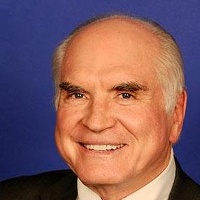
Mike Kelly
Representative
PA
Mike Kelly
Representative
PA
The Neighborhood Homes Investment Act establishes a new federal tax credit designed to close the financing gap hindering the construction and rehabilitation of affordable starter homes in distressed communities. This credit incentivizes developers to build or substantially renovate housing in specific low-income census tracts and sell it affordably to qualified moderate-income homeowners. State agencies will manage the allocation of these credits, ensuring projects meet affordability standards and promoting revitalization in struggling neighborhoods.
The SOAR Act of 2025 reforms Medicare oxygen benefits by removing competitive bidding, establishing specific supplier responsibilities, enhancing fraud protection through electronic documentation, and enshrining patient rights for supplemental oxygen recipients.
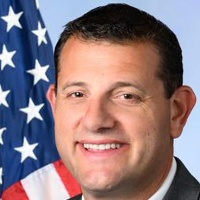
David Valadao
Representative
CA
David Valadao
Representative
CA
The SOAR Act of 2025 aims to significantly reform Medicare access to supplemental oxygen by removing it from the competitive bidding program and establishing new payment rates. The bill also mandates clearer documentation requirements for medical necessity using electronic templates and restores clinical judgment in claim audits. Finally, it establishes specific rights for oxygen beneficiaries and improves reimbursement for respiratory therapists.
The Affordable Housing Credit Improvement Act of 2025 updates state allocation formulas, reforms tenant eligibility and credit determination rules, and enhances assistance for Native American and rural housing projects.
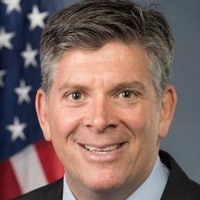
Darin LaHood
Representative
IL
Darin LaHood
Representative
IL
The Affordable Housing Credit Improvement Act of 2025 updates federal housing tax credit allocations to reflect current economic realities and boosts minimum state allotments. It reforms tenant eligibility rules to stabilize tenancy and enhance protections for vulnerable residents, including victims of abuse. The bill also provides disaster relief for property owners, increases incentives for housing the extremely low-income, and directs greater resources toward Native American and rural housing needs. Finally, it streamlines administrative processes and signals a future focus on data transparency and discouraging restrictive local zoning.
This Act establishes a specific P visa category for temporary workers employed by traveling carnivals, circuses, and associated concession providers, while subjecting them to existing H-2B temporary worker regulations.
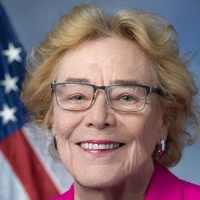
Zoe Lofgren
Representative
CA
Zoe Lofgren
Representative
CA
The Carnivals are Real Entertainment Act establishes a specific P visa pathway for temporary workers employed by traveling carnivals, circuses, and associated concession providers. This new classification ensures essential mobile entertainment staff can enter the U.S. while adhering to existing H-2B temporary worker program regulations. The law mandates that the Secretaries of Homeland Security and Labor develop and finalize the necessary rules within one year of enactment.