Legislative Activity
Track Josh's sponsored bills, co-sponsored legislation, and voting record
This Act mandates the public release of all unclassified Department of Justice documents related to Jeffrey Epstein, Ghislaine Maxwell, and their associates within 30 days, with very limited exceptions for victim privacy or active investigations.
Ro Khanna
Representative
CA
Ro Khanna
Representative
CA
The Epstein Files Transparency Act mandates the Attorney General to publicly release all unclassified Department of Justice records related to Jeffrey Epstein and his associates within 30 days of the bill becoming law. This release must include materials concerning investigations, flight logs, settlements, and internal communications, with very limited exceptions for victim privacy or active investigations. The Act strictly prohibits withholding documents due to political sensitivity or reputational harm and requires detailed justification for any redactions made.
This act mandates Medicare coverage for FDA-approved early detection screening tests for Alzheimer's disease and related dementias beginning in 2028.
Vern Buchanan
Representative
FL
Vern Buchanan
Representative
FL
The Alzheimer’s Screening and Prevention Act of 2025 (ASAP Act) amends Medicare to cover early detection screening tests for Alzheimer's disease and related dementias starting in 2028. This coverage applies to FDA-cleared tests, including genomic sequencing and other equivalent diagnostic methods, designed to detect pre-symptomatic or early-stage conditions. The bill ensures these screenings are added to the list of covered medical services under Medicare.
This bill officially renames the United States Postal Service facility at 28201 Franklin Parkway in Santa Clarita, California, as the "Deputy Ryan Clinkunbroomer Post Office Building."
George Whitesides
Representative
CA
George Whitesides
Representative
CA
This bill officially designates the United States Postal Service facility at 28201 Franklin Parkway in Santa Clarita, California, as the "Deputy Ryan Clinkunbroomer Post Office Building." The legislation ensures that all future official references to this location will use the new name.
This act repeals specific sections of a prior reconciliation act to restore previous laws affecting American families and farmers.
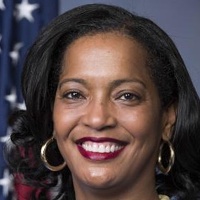
Jahana Hayes
Representative
CT
Jahana Hayes
Representative
CT
The Restoring Food Security for American Families and Farmers Act of 2025 aims to strengthen domestic food security by repealing specific sections of a prior reconciliation act. This action effectively revives the original laws that were previously amended by the repealed provisions. The bill seeks to revert existing agricultural and food-related statutes to their pre-amendment status.
This act modernizes water infrastructure by defining and funding the adoption of intelligent technologies for improved water and wastewater management.
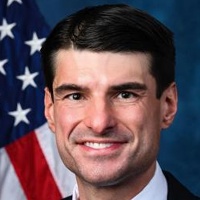
Robert Bresnahan
Representative
PA
Robert Bresnahan
Representative
PA
The Water Infrastructure Modernization Act of 2025 updates federal water pollution control grants to prioritize and fund "intelligent water infrastructure technology." This technology utilizes real-time monitoring, AI, and advanced sensors to improve the efficiency, reliability, and resilience of water and wastewater systems. The bill modifies grant uses to specifically cover the implementation of these smart technologies and increases the authorization of appropriations.
This bill mandates the VA to implement systems providing callers with estimated wait times and offering automated callbacks for waits exceeding ten minutes on most customer service lines.
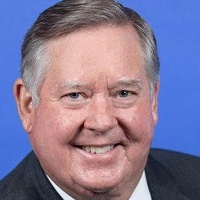
Ken Calvert
Representative
CA
Ken Calvert
Representative
CA
The Stuck On Hold Act mandates that the Department of Veterans Affairs (VA) implement automated systems to inform callers of their estimated wait times on customer service lines. If the wait exceeds ten minutes, callers must be offered an automated callback option. The VA is also required to issue guidance aimed at reducing average wait times to ten minutes or less.
This Act establishes strict standards, training, and reporting requirements for federal immigration enforcement personnel regarding the use of force, identification, and equipment.
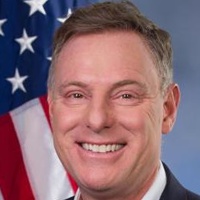
Scott Peters
Representative
CA
Scott Peters
Representative
CA
The Stop Excessive Force in Immigration Act of 2025 establishes strict new standards for the use of non-deadly force by federal immigration personnel, requiring proportionality and de-escalation efforts. The bill mandates identification requirements, restricts the use of certain crowd-control equipment, and imposes new body camera and detailed reporting mandates. Furthermore, it creates affirmative duties for officers to intervene against excessive force and requires annual training on these new policies.
This Act allows for specific variances regarding flood elevation or floodproofing requirements for agricultural structures in flood hazard zones and introduces an optional umbrella insurance policy for properties with multiple structures.
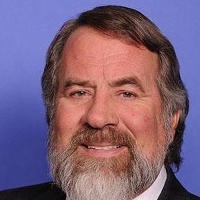
Doug LaMalfa
Representative
CA
Doug LaMalfa
Representative
CA
The Flood Insurance for Farmers Act of 2025 amends the National Flood Insurance Act to allow specific variances for elevating or floodproofing agricultural structures in special flood hazard zones under strict local conditions. This bill also directs FEMA to offer an optional umbrella insurance policy for property owners with multiple structures on the same property. These changes aim to provide flexibility for agricultural building standards while maintaining appropriate risk assessment for flood insurance premiums.
This bill allows volunteer firefighters and emergency medical personnel to claim a charitable deduction for the value of their services, capped at 300 hours per year.
Robert Bresnahan
Representative
PA
Robert Bresnahan
Representative
PA
The Helping Our Heroes Act allows volunteer firefighters and emergency medical personnel to claim a charitable deduction for the value of their services. This deduction is set at \$20 per hour, up to 300 hours annually. The provision also permits taxpayers who do not itemize deductions to claim this specific charitable contribution.
This Act establishes new regulations and serial number requirements for tableting and encapsulating machines and their critical parts to combat illicit drug manufacturing.
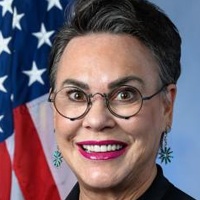
Harriet Hageman
Representative
WY
Harriet Hageman
Representative
WY
The Fight Illicit Pill Presses Act amends the Controlled Substances Act to regulate equipment used in illicit drug manufacturing. This legislation requires manufacturers and distributors of tableting and encapsulating machines, and their critical parts, to apply permanent serial numbers to these items. The bill also prohibits the removal or alteration of these required serial numbers.
This resolution expresses support for designating October 2025 as "Crime Prevention Month" to promote evidence-based strategies and sustained investment in community safety efforts.
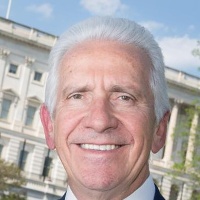
Jim Costa
Representative
CA
Jim Costa
Representative
CA
This resolution expresses strong support for designating October 2025 as "Crime Prevention Month." It recognizes the high costs of crime and commends the efforts of law enforcement, community organizers, and others working to prevent it. The bill encourages federal, state, and local entities to invest in evidence-based prevention strategies and calls upon all citizens to participate in related public safety activities.
This resolution expresses support for the official recognition and commemoration of the 1984 Sikh Genocide and calls for accountability for the perpetrators.
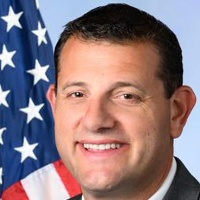
David Valadao
Representative
CA
David Valadao
Representative
CA
This resolution expresses support for recognizing the 1984 Sikh Genocide, acknowledging the systemic violence, trauma, and destruction inflicted upon the Sikh community. It calls for accountability for the perpetrators, including government officials and state institutions involved in the attacks. Furthermore, the bill establishes a U.S. policy to officially recognize this event and rejects any association with its denial.
The School Food Modernization Act provides federal loan guarantees, grants, and training to upgrade school food facilities and improve staff skills for serving healthier meals.
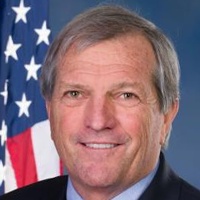
Mark DeSaulnier
Representative
CA
Mark DeSaulnier
Representative
CA
The School Food Modernization Act aims to improve school meal programs by providing financial assistance for facility upgrades and equipment purchases through loan guarantees and grants. It also establishes a new grant program to fund third-party training for school food service staff on nutrition standards and efficiency. Finally, the bill requires reports to Congress on program implementation and a study on how states use administrative funds for workforce training.
The Wildfire Recovery Act ensures the federal government covers at least 75% of eligible fire management assistance costs and updates policies to allow pre-disaster reimbursement for pre-staged domestic assets.
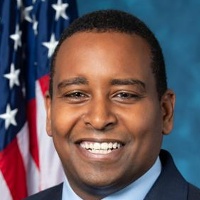
Joe Neguse
Representative
CO
Joe Neguse
Representative
CO
The Wildfire Recovery Act ensures the federal government covers at least 75% of eligible fire management assistance costs for newly appropriated funds. It also mandates new rulemaking to establish clear standards for increasing federal disaster cost-sharing based on measurable financial impact. Finally, the bill updates FEMA policy to allow state, local, and Tribal governments to seek reimbursement for pre-staging their own equipment before a disaster is officially declared.
This act expands physical therapists' participation in the National Health Service Corps loan repayment program and ensures Medicare coverage for their services at Rural Health Clinics and Federally Qualified Health Centers.

Diana DeGette
Representative
CO
Diana DeGette
Representative
CO
The Physical Therapist Workforce and Patient Access Act of 2025 aims to increase patient access to physical therapy, recognizing its importance in pain management and recovery. This bill integrates physical therapists into the National Health Service Corps, making them eligible for loan repayment in underserved areas. Furthermore, it mandates that Medicare Rural Health Clinics and Federally Qualified Health Centers cover physical therapy services starting in 2027.
This resolution officially designates the week of September 22 through September 28, 2025, as National Falls Prevention Awareness Week to raise public awareness and encourage the prevention of falls among older adults.
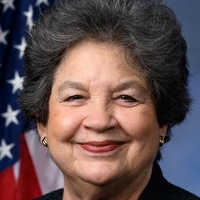
Lois Frankel
Representative
FL
Lois Frankel
Representative
FL
This resolution officially designates the week of September 22 through September 28, 2025, as "National Falls Prevention Awareness Week." The goal is to raise public awareness about the significant dangers of falls among older adults. By highlighting this issue, the measure encourages widespread efforts to promote proven, cost-effective prevention strategies.
The FASTER Act establishes a FEMA grant program to help fire departments implement home safety and fall prevention initiatives for older adults.
Lois Frankel
Representative
FL
Lois Frankel
Representative
FL
The FASTER Act establishes a FEMA grant program to fund fire departments in creating home safety and fall prevention initiatives for older adults. These grants will help departments conduct home safety assessments, install safety modifications like grab bars, and provide related community paramedicine services. The goal is to reduce the high rate of debilitating and costly falls among seniors through proactive community intervention.
This bill adds eyeglass lens fittings to the list of medical services veterans can receive through the Veterans Community Care Program.
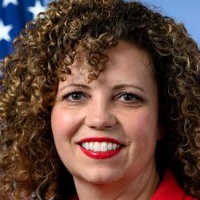
Celeste Maloy
Representative
UT
Celeste Maloy
Representative
UT
This bill amends the Veterans Community Care Program to officially include eyeglass lens fittings as a covered medical service provided by non-VA providers. It mandates that the VA quickly establish procedures to ensure veterans eligible for community care can easily access local providers for these fittings. The VA Secretary must report to Congress within 180 days on the implementation and impact of this new coverage.
This Act establishes federal grants to fund comprehensive, trauma-informed mental health services and support programs in schools for students facing significant challenges.
Andrea Salinas
Representative
OR
Andrea Salinas
Representative
OR
The Mental Health Services for Students Act of 2025 establishes a new federal program to provide comprehensive, trauma-informed mental health services and supports in schools through grants and contracts. These funds will support partnerships to implement awareness campaigns, staff training on trauma and suicide risk, and direct student and family treatment. The Secretary must ensure equitable distribution of funding, which is capped at \$2 million per award, with Congress authorized to appropriate \$300 million annually for the initial years.
This resolution expresses support for designating a week in September 2025 to recognize the vital contributions of Asian American and Native American Pacific Islander-Serving Institutions in higher education.
Judy Chu
Representative
CA
Judy Chu
Representative
CA
This resolution expresses strong support for recognizing September 22–28, 2025, as "Asian American and Native American Pacific Islander-Serving Institutions Week." It highlights the critical role these institutions play in educating a significant portion of AANAPISI students, many of whom are first-generation and low-income. The bill encourages national acknowledgment and support for the programs and achievements of these vital colleges and universities.