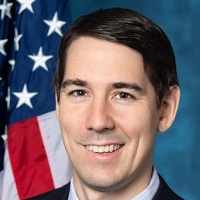
Legislative Activity
Track Josh's sponsored bills, co-sponsored legislation, and voting record
This bill amends the Robert T. Stafford Disaster Relief and Emergency Assistance Act to include algal blooms as a condition for disaster relief.
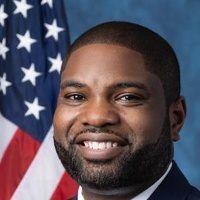
Byron Donalds
Representative
FL
Byron Donalds
Representative
FL
The "Harmful Algal Bloom Disaster Relief Act" amends the Stafford Act to include algal blooms as a condition in which disaster relief and emergency assistance can be given. This change will allow states to receive federal assistance in the event of an algal bloom.
The "Roberto Clemente Commemorative Coin Act" directs the Treasury to mint coins in 2027 honoring Roberto Clemente, with surcharges benefiting the Roberto Clemente Foundation.
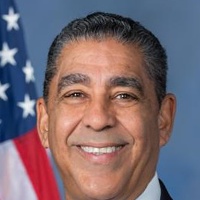
Adriano Espaillat
Representative
NY
Adriano Espaillat
Representative
NY
The Roberto Clemente Commemorative Coin Act directs the Department of Treasury to mint and issue gold, silver, and half-dollar coins in 2027 to commemorate the life and legacy of Roberto Clemente. The coins' designs will represent Clemente's life, including his baseball achievements and humanitarian work. Surcharges from the coin sales will benefit the Roberto Clemente Foundation, supporting their educational programs, youth sports initiatives, disaster relief efforts, and historic preservation projects. The Act ensures that the coin program will not incur any net cost to the United States government.
The Rural Veterans Transportation to Care Act expands transportation grants to include rural areas, broadens eligible recipients, increases grant amounts, and removes funding limits to improve healthcare access for veterans.
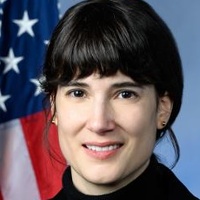
Marie Gluesenkamp Perez
Representative
WA
Marie Gluesenkamp Perez
Representative
WA
The Rural Veterans Transportation to Care Act expands the Department of Veterans Affairs' transportation grant program to include rural areas, not just highly rural ones. It broadens the range of eligible grant recipients to include county veterans service organizations and tribal organizations. The bill also increases the maximum grant amount to $60,000, with a possible increase to $80,000 for vehicle purchases needed to comply with the Americans with Disabilities Act and authorizes necessary funding by removing the previous funding limit.
This bill creates a tax credit for investments in innovative agricultural technology, such as precision and controlled environment agriculture, to encourage advancements in specialty crop production.
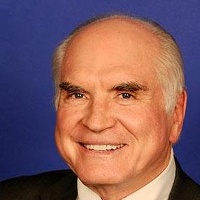
Mike Kelly
Representative
PA
Mike Kelly
Representative
PA
The Supporting Innovation in Agriculture Act of 2025 introduces a tax credit for investments in innovative agricultural technology, aiming to boost the production, storage, and processing of specialty crops through precision and controlled environment agriculture. This credit covers 30% of qualified investments in projects using technologies like precision agriculture and controlled environment agriculture, effective for construction starting after January 1, 2025, and includes options for direct payment or transfer of the credit.
The SAFE Act of 2025 amends existing law to include equines (horses) in the prohibition of slaughtering animals for human consumption.
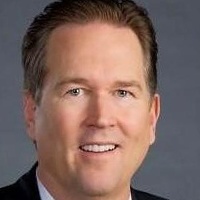
Vern Buchanan
Representative
FL
Vern Buchanan
Representative
FL
The SAFE Act of 2025 amends existing legislation to explicitly prohibit the slaughter of horses for human consumption, reinforcing protections for these animals. This bill seeks to prevent the inhumane treatment of American equines by closing loopholes that allow their slaughter and export for human consumption.
The PAST Act of 2025 significantly strengthens the Horse Protection Act by increasing penalties, banning specific action devices, and mandating licensed inspectors to combat the practice of horse soring.
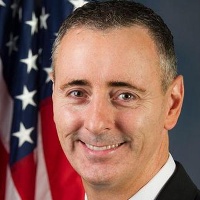
Brian Fitzpatrick
Representative
PA
Brian Fitzpatrick
Representative
PA
The PAST Act of 2025 significantly strengthens the Horse Protection Act to combat the painful practice of soring in specific horse breeds. This bill increases penalties for violations, establishes stricter licensing and oversight for inspectors, and explicitly bans the use of "action devices" designed to cause unnatural gaits. The legislation aims to enhance enforcement, ensure fairer competition, and hold violators accountable through increased fines and disqualifications.
This bill amends the Social Security Act to eliminate consideration of a spouse's income and resources when determining SSI eligibility and benefits for married individuals with intellectual or developmental disabilities.
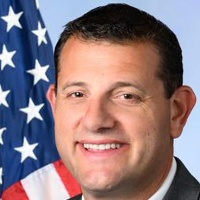
David Valadao
Representative
CA
David Valadao
Representative
CA
The "Eliminating the Marriage Penalty in SSI Act" amends the Social Security Act to revise eligibility rules for Supplemental Security Income (SSI) for individuals with intellectual or developmental disabilities. It ensures these individuals are eligible for SSI regardless of their spouse's income and resources. This change allows eligible individuals to receive the standard individual SSI rate, reduced only by their own income.
The EARLY Minds Act supports state-level mental health prevention and early intervention programs for children and adolescents.
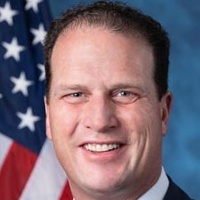
August Pfluger
Representative
TX
August Pfluger
Representative
TX
The "EARLY Minds Act" amends the Public Health Service Act to emphasize early intervention for mental health by requiring states to outline prevention strategies in their plans. States can use up to 5% of their funding to support these programs. The Secretary must report to Congress biennially on state prevention and early intervention activities, including outcomes and demographics.
The "Preventing Deep Fake Scams Act" establishes a task force to study and report on the use of artificial intelligence in the financial services sector, including its potential risks and benefits, and to recommend best practices and regulations to protect consumers from AI-enabled fraud.
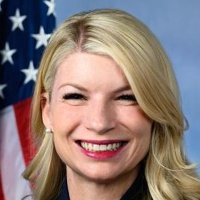
Brittany Pettersen
Representative
CO
Brittany Pettersen
Representative
CO
The "Preventing Deep Fake Scams Act" establishes a task force to study and report on the use of artificial intelligence in the financial services sector. The task force will assess both the benefits and potential risks, especially regarding deep fakes and their potential use in fraud and identity theft. The goal is to develop best practices and recommend legislation or regulations to protect consumers from AI-related financial crimes.
The Humane Cosmetics Act of 2025 bans cosmetic animal testing in the U.S., restricts the use of animal testing data, and sets penalties for violations, while also preventing states from enacting conflicting regulations.
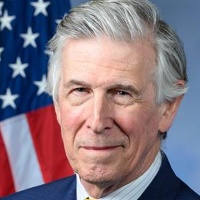
Donald Beyer
Representative
VA
Donald Beyer
Representative
VA
The Humane Cosmetics Act of 2025 bans cosmetic animal testing in the U.S. and restricts the use of animal testing data for cosmetic safety, with certain exceptions. It authorizes the Secretary of Health and Human Services to impose civil penalties for non-compliance and preempts states from enacting conflicting regulations. The Act defines key terms related to cosmetic animal testing and cosmetics.
This Act allows federal disaster aid recipients to retain and use unspent management funds for future preparedness and recovery efforts, subject to a five-year availability period.
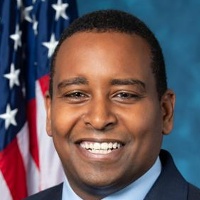
Joe Neguse
Representative
CO
Joe Neguse
Representative
CO
The Disaster Management Costs Modernization Act allows federal disaster aid recipients to retain and use unspent management funds for future preparedness, recovery, or mitigation activities. This change applies to grants awarded for disasters declared after the Act's enactment. Furthermore, the GAO is required to study current and historical disaster management costs to assess the appropriateness of current cost allocations.
This resolution condemns the Iranian regime’s terrorism and human rights abuses while affirming support for the Iranian people’s right to establish a democratic, secular, and non-nuclear republic.
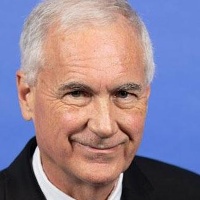
Tom McClintock
Representative
CA
Tom McClintock
Representative
CA
This resolution condemns the Iranian regime for its ongoing human rights abuses, state-sponsored terrorism, and regional instability. It expresses strong support for the Iranian people's struggle for a democratic, secular, and non-nuclear republic. Furthermore, the bill advocates for international accountability for the regime's crimes and calls for the protection of Iranian political refugees.
The TREATS Act amends the Controlled Substances Act to allow telehealth evaluations for prescribing certain medications for substance use disorder treatment.
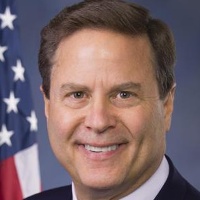
Donald Norcross
Representative
NJ
Donald Norcross
Representative
NJ
The TREATS Act amends the Controlled Substances Act to allow telehealth evaluations for prescribing certain controlled substances used in substance use disorder treatment. This removes the prior requirement for an in-person evaluation, enabling remote medical assessments via real-time audio-visual or audio-only communication, in accordance with federal and state laws. The goal of this bill is to increase access to treatment for substance use disorders.
This bill would allow nurse practitioners and physician assistants to complete Medicare paperwork for covering certain shoes for people with diabetes.
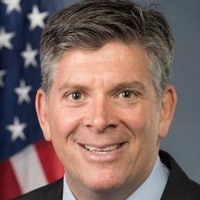
Darin LaHood
Representative
IL
Darin LaHood
Representative
IL
The "Promoting Access to Diabetic Shoes Act" allows nurse practitioners and physician assistants to complete Medicare paperwork for covering therapeutic shoes for people with diabetes, increasing access to this benefit.
The American Dream and Promise Act of 2025 provides a pathway to permanent residency for eligible individuals who came to the U.S. as children, or who have Temporary Protected Status (TPS) or Deferred Enforced Departure (DED) status.
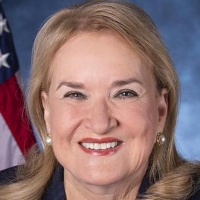
Sylvia Garcia
Representative
TX
Sylvia Garcia
Representative
TX
The American Dream and Promise Act of 2025 provides a pathway to permanent residency for eligible individuals who entered the United States as children and those with Temporary Protected Status (TPS) or Deferred Enforced Departure (DED). Title I, the Dream Act of 2025, establishes conditional permanent residency for eligible individuals who entered the U.S. as children. Title II, the American Promise Act of 2025, allows the Secretary of Homeland Security or the Attorney General to grant permanent resident status to eligible individuals from TPS or DED countries. Title III outlines general provisions, such as background checks, application processes, and fee exemptions, applicable to all seeking to adjust their status under this Act.
Ethan's Law establishes federal penalties for improperly storing firearms where minors or prohibited persons can access them and creates grant programs to incentivize states to adopt matching safe storage laws.
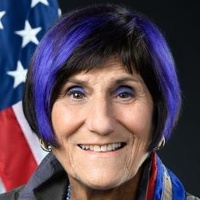
Rosa DeLauro
Representative
CT
Rosa DeLauro
Representative
CT
Ethan's Law establishes federal requirements for the secure storage of firearms to prevent unauthorized access by minors and prohibited persons, making improper storage a civil violation with escalating penalties if injury or death results. The bill also creates a federal grant program to incentivize states and Tribes to adopt matching safe storage laws. Furthermore, Congress declares that failing to comply with these storage requirements constitutes negligence and may be considered the direct cause of resulting firearm injuries.
The "World Language Education Assistance Program Act" aims to improve access to world language programs and dual language programs in schools.
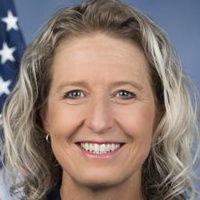
Jennifer Kiggans
Representative
VA
Jennifer Kiggans
Representative
VA
The "World Language Education Assistance Program Act" aims to address the language skills crisis in America by establishing a grant program to create, improve, and implement world language and dual language programs in schools. These grants will support professional development for teachers, partnerships with community-based language schools, and innovative language immersion programs. The act prioritizes programs that demonstrate language proficiency growth, can be replicated, and have a sustainability plan, with the goal of equipping students with the language skills needed for a globalized world. The act authorizes \$15,000,000 for fiscal year 2026 and each subsequent fiscal year to carry out this section.
The "Protect and Serve Act of 2025" establishes federal penalties for intentionally causing serious harm or death to law enforcement officers because of their position, under certain circumstances, and requires Attorney General certification for federal prosecution in many cases.
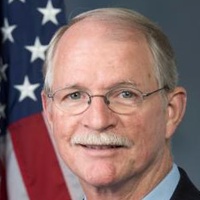
John Rutherford
Representative
FL
John Rutherford
Representative
FL
The "Protect and Serve Act of 2025" creates federal offenses for intentionally causing serious injury or death to law enforcement officers because of their status as officers. It sets penalties including imprisonment and fines, with increased penalties if death results or if kidnapping or attempted killing is involved. Federal prosecution requires certification from the Attorney General, based on a request from the state or if it is in the public interest to ensure substantial justice. The act defines "law enforcement officer" and "State" for the purposes of the new offenses.
The REPAIR Act ensures vehicle owners and independent repair shops have access to vehicle data and repair information, promoting competition and protecting data privacy in the auto repair industry.
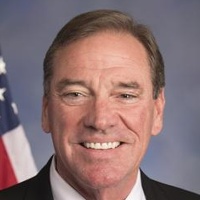
Neal Dunn
Representative
FL
Neal Dunn
Representative
FL
The "Right to Equitable and Professional Auto Industry Repair Act" or the "REPAIR Act" ensures vehicle owners and independent repair shops have access to necessary vehicle data, repair information, and tools, preventing manufacturers from creating barriers to repairs. It establishes an advisory committee to address competition issues in the auto repair industry and mandates that car buyers are informed of their rights to choose repair options. The Federal Trade Commission (FTC) is empowered to enforce the Act, protecting consumers from unfair restrictions on vehicle repair and ensuring control over their vehicle data.
The "ALYSSA Act" would require all elementary and secondary schools to install silent panic alarms to alert law enforcement during a school security emergency as a condition for receiving federal funding.
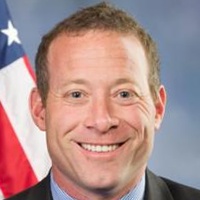
Josh Gottheimer
Representative
NJ
Josh Gottheimer
Representative
NJ
The "ALYSSA Act" amends the Elementary and Secondary Education Act of 1965 to require all elementary and secondary schools to install silent panic alarms for use during school security emergencies. To receive federal funding, local education agencies must equip each school with at least one panic alarm, defined as a silent security system for signaling life-threatening emergencies to law enforcement. This ensures schools have a direct and immediate way to alert law enforcement during critical situations.