Legislative Activity
Track Josh's sponsored bills, co-sponsored legislation, and voting record
This act requires the Department of Veterans Affairs to recognize providers working through state-licensed nurse registries for services under the Veterans Community Care Program.
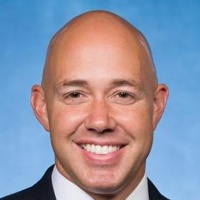
Brian Mast
Representative
FL
Brian Mast
Representative
FL
The Veterans Homecare Choice Act of 2025 amends the Veterans Community Care Program to officially recognize providers working through state-compliant nurse registries. This ensures that services delivered by registered nurses, CNAs, and home health aides contracted via these registries are eligible for VA community care payments. The bill updates existing law to broaden the pool of recognized homecare providers available to veterans.
This Act authorizes the Treasury to mint and sell commemorative gold, silver, and clad coins honoring the National Fallen Firefighters Memorial, with surcharges benefiting the National Fallen Firefighters Foundation.
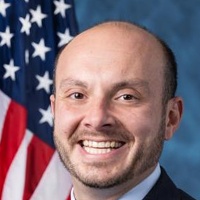
Andrew Garbarino
Representative
NY
Andrew Garbarino
Representative
NY
The National Fallen Firefighters Memorial Coin Act authorizes the Secretary of the Treasury to mint and issue special commemorative gold, silver, and clad coins honoring the National Fallen Firefighters Memorial. These coins will be sold to the public, with surcharges from the sales benefiting the National Fallen Firefighters Foundation. The Treasury must ensure that the production and issuance of these coins result in no net cost to the U.S. Government.
The Air America Act of 2025 authorizes one-time monetary awards to former Air America employees or their survivors for service supporting the CIA between 1950 and 1976.
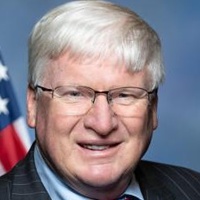
Glenn Grothman
Representative
WI
Glenn Grothman
Representative
WI
The Air America Act of 2025 recognizes the sacrifices of former Air America employees who served the U.S. Government between 1950 and 1976. This Act authorizes a one-time monetary award, up to $40,000 plus potential additional amounts, for qualifying service members or their survivors. The CIA Director is responsible for administering these payments, which are capped at a total of $60 million, and establishing the application procedures. Decisions made by the Director regarding these awards are final and not subject to judicial review.
The PARA-EMT Act of 2025 establishes pilot grant programs to combat the national shortage of EMTs and paramedics by funding recruitment, training, and veteran credentialing, alongside mandating a comprehensive study of the workforce crisis.

Marie Gluesenkamp Perez
Representative
WA
Marie Gluesenkamp Perez
Representative
WA
The PARA-EMT Act of 2025 addresses the critical national shortage of EMTs and paramedics by establishing a pilot grant program to help agencies hire, train, and support their emergency medical workforce. It also creates a federal grant program to assist states in streamlining the transition of veterans with military medical training into civilian EMS roles. Finally, the bill mandates a comprehensive study to quantify the current and projected workforce shortage and recommend solutions, including potential visa considerations.
The Innovative FEED Act of 2025 establishes a new regulatory pathway under the FDA for substances added to animal food intended to modify digestive byproducts, reduce foodborne pathogens, or alter gut function without providing nutrition.
Nicholas Langworthy
Representative
NY
Nicholas Langworthy
Representative
NY
The Innovative FEED Act of 2025 establishes a new regulatory category for "zootechnical animal food substances" intended to modify animal digestive byproducts or reduce foodborne pathogens without treating disease. This bill mandates that these new substances must undergo the standard food additive approval process with the FDA, requiring petitioners to provide extensive data on their intended effects. Approval is contingent upon proving the substance achieves its claimed function under proposed use conditions, and all resulting animal food must carry a specific disclaimer stating it is not for disease treatment.
Urges Congress and the administration to collaborate on food and agricultural trade policies that expand market access, eliminate trade barriers, and ensure global competitiveness for U.S. farmers and ranchers.
Dusty Johnson
Representative
SD
Dusty Johnson
Representative
SD
This resolution urges Congress and the administration to work together to address the decline in U.S. food and agricultural exports by expanding market access, reducing trade barriers, and supporting domestic trade promotion programs. It emphasizes the importance of trade agreements and the enforcement of existing commitments to ensure global competitiveness for U.S. farmers and ranchers. The resolution seeks a global trading system grounded in scientific principles to bolster the U.S. agricultural sector.
This Act establishes grants to help medical and osteopathic schools, particularly those in underserved areas, expand programs to increase the number of doctors serving diverse and medically needy communities.

Jim Costa
Representative
CA
Jim Costa
Representative
CA
The Expanding Medical Education Act establishes new federal grants to help medical and osteopathic schools establish, upgrade, or expand programs, prioritizing those in medically underserved areas. These funds are intended to support the recruitment and training of diverse students, particularly those from disadvantaged backgrounds, and develop curricula focused on culturally competent care. The Secretary of HHS must report regularly to Congress on the impact of these grants on the healthcare workforce in underserved communities.
This Act establishes a federal grant program to help states and local school districts train staff and implement necessary health plans to support students with epilepsy or seizure disorders.
Donald Norcross
Representative
NJ
Donald Norcross
Representative
NJ
The Seizure Awareness and Preparedness Act establishes a new federal grant program to help states support students with epilepsy or seizure disorders in schools. States will award subgrants to local districts to fund mandatory training for all school personnel on seizure response and the use of individualized health care plans. This funding aims to improve preparedness and ensure consistent, safe care for students managing seizure disorders while at school.
This act establishes a mandatory, science-based testing and certification program for commercial honey packers to prevent economically motivated adulteration and sets an official standard of identity for honey.
W. Steube
Representative
FL
W. Steube
Representative
FL
The Honey Integrity Act establishes a clear standard of identity for honey based on existing quality benchmarks. It mandates that commercial honey packers implement rigorous, scientifically advanced testing protocols to detect fraud and adulteration. Furthermore, the bill requires the Secretary to report on enforcement actions against mislabeled honey and establishes a new program funded by packer fees to ensure honey sold in the U.S. is authentic.
The Major Richard Star Act ensures that military retirees with combat-related disabilities can concurrently receive their full military retirement pay and VA disability compensation without reduction.

Gus Bilirakis
Representative
FL
Gus Bilirakis
Representative
FL
The Major Richard Star Act ensures that military retirees with combat-related disabilities can receive both their military retirement pay and VA disability compensation concurrently without reduction. This law removes previous restrictions that caused military retirement pay to be offset by VA disability payments for these specific cases. The changes take effect on the first day of the month following the Act's enactment.
This act exempts individuals and businesses deriving at least 75% of their adjusted gross income from farming, ranching, or forestry from certain payment limitations for specified agricultural disaster programs.
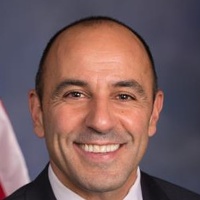
Jimmy Panetta
Representative
CA
Jimmy Panetta
Representative
CA
The Fair Access to Agriculture Disaster Programs Act creates an exception to income limits for certain federal agriculture disaster payments. This exception applies to individuals or businesses where at least 75% of their average adjusted gross income is derived from farming, ranching, or forestry. Consequently, these deeply involved agricultural producers will not be subject to standard payment caps on specific disaster assistance programs.
The HELPER Act of 2025 establishes a new FHA mortgage insurance program offering 100% financing with an upfront premium and no monthly premiums for eligible first responders, educators, and law enforcement officers.
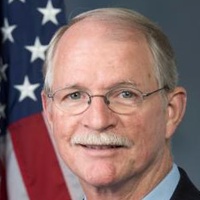
John Rutherford
Representative
FL
John Rutherford
Representative
FL
The HELPER Act of 2025 establishes a new FHA mortgage insurance program to assist first responders, educators, and law enforcement officers in purchasing homes. This program offers eligible first-time homebuyers 100% financing with no down payment required. Instead of monthly premiums, borrowers pay an upfront FHA insurance premium at closing.
This Act extends the eligibility period for beginning and veteran farmers and ranchers to receive enhanced crop insurance premium assistance.
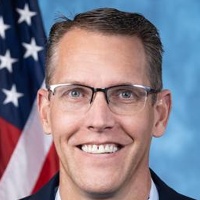
Randy Feenstra
Representative
IA
Randy Feenstra
Representative
IA
The Crop Insurance for Future Farmers Act expands eligibility for enhanced crop insurance support by increasing the definition of a "beginning farmer or rancher" from five to ten crop years. This legislation also extends the qualifying period for "veteran farmers and ranchers" under the same terms. Furthermore, it restructures the premium assistance structure for these groups, providing tiered, decreasing levels of extra financial help over their first ten years of participation.
This act officially designates Postal Service police officers as federal agents with authority over Postal Service property and establishes penalties for violating property rules set by the Postmaster General.
Andrew Garbarino
Representative
NY
Andrew Garbarino
Representative
NY
The Postal Police Reform Act of 2025 officially designates Postal Service police officers as federal law enforcement agents under Title 18 of the U.S. Code. This legislation grants the Postmaster General the authority to establish and enforce rules for protecting Postal Service property. Violations of these new rules may result in federal fines or imprisonment up to 30 days.
This Act establishes an annual National STEM Week, designated by CoSTEM, to promote STEM education, highlight career opportunities, and encourage partnerships between schools, families, and industry leaders.

Mike Carey
Representative
OH
Mike Carey
Representative
OH
The National STEM Week Act establishes an annual celebration designated by the CoSTEM committee to emphasize the importance of Science, Technology, Engineering, and Math education. This week aims to showcase STEM career paths, encourage family involvement, and foster partnerships between schools and industry leaders to improve access and participation. CoSTEM is required to report annually to Congress on the week's activities and their impact on narrowing educational gaps.
This Act establishes a statutory right to access Assisted Reproductive Technology (ART) services and prohibits overly burdensome state or local regulations that interfere with that access.
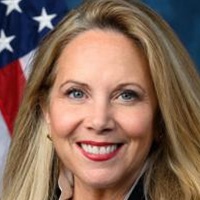
Laura Gillen
Representative
NY
Laura Gillen
Representative
NY
The Access to Family Building Act aims to guarantee that patients can access Assisted Reproductive Technology (ART) services and that healthcare providers can offer them without unreasonable interference. This legislation preempts state and local laws that impose burdens on ART services not required for similar medical procedures or that hinder access without improving safety. The Act establishes the right to access ART and provides robust legal avenues for individuals, providers, and the government to challenge and strike down restrictive regulations.
This Act mandates federal research to identify chemical compounds causing smoke taint in wine grapes and develop testing and mitigation strategies for growers.
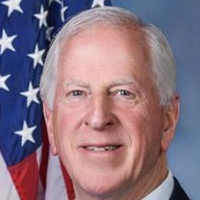
Mike Thompson
Representative
CA
Mike Thompson
Representative
CA
The Smoke Exposure Research Act of 2025 mandates new federal research to understand and mitigate the impact of wildfire smoke on wine grapes and resulting wine. This research will focus on identifying harmful chemical compounds, developing reliable testing methods, and creating practical solutions for growers. The Secretary of Agriculture will coordinate this effort with universities in key wine-producing states using dedicated funding through 2030.
This Act eliminates the waiting periods for Social Security disability benefits and Medicare coverage for individuals diagnosed with metastatic breast cancer.
Andrew Garbarino
Representative
NY
Andrew Garbarino
Representative
NY
The Metastatic Breast Cancer Access to Care Act aims to improve support for individuals diagnosed with metastatic breast cancer. This bill eliminates the standard waiting period for receiving Social Security disability insurance benefits and waives the 24-month waiting period for Medicare coverage. These changes ensure immediate access to crucial financial and healthcare support upon diagnosis.
The Credit for Caring Act of 2025 establishes a new, partially refundable federal income tax credit for working family caregivers covering qualified expenses exceeding \$2,000, up to a \$5,000 annual limit.
Mike Carey
Representative
OH
Mike Carey
Representative
OH
The Credit for Caring Act of 2025 establishes a new, non-refundable federal income tax credit for working family caregivers who incur significant expenses caring for a relative with long-term care needs. Eligible caregivers can claim a credit equal to 30% of qualified expenses exceeding \$2,000, up to a maximum annual credit of \$5,000. The bill specifies detailed requirements for the care recipient's needs, the types of allowable expenses, and includes income phase-out limits for claiming the benefit.
The REDI Act allows medical and dental interns and residents to defer both principal and interest payments on their student loans while in training.
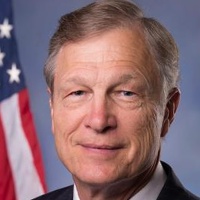
Brian Babin
Representative
TX
Brian Babin
Representative
TX
The Resident Education Deferred Interest (REDI) Act amends federal student loan regulations to provide a specific deferment for medical and dental residents. This allows borrowers currently serving in an internship or residency program to pause principal payments and prevent interest accrual on their student loans during that training period.