
Legislative Activity
Track Josh's sponsored bills, co-sponsored legislation, and voting record
The SOAR Act of 2025 reforms Medicare oxygen benefits by removing competitive bidding, establishing specific supplier responsibilities, enhancing fraud protection through electronic documentation, and enshrining patient rights for supplemental oxygen recipients.
David Valadao
Representative
CA
David Valadao
Representative
CA
The SOAR Act of 2025 aims to significantly reform Medicare access to supplemental oxygen by removing it from the competitive bidding program and establishing new payment rates. The bill also mandates clearer documentation requirements for medical necessity using electronic templates and restores clinical judgment in claim audits. Finally, it establishes specific rights for oxygen beneficiaries and improves reimbursement for respiratory therapists.
This Act prioritizes using trained military veterans to apply humane, on-range fertility controls for managing wild horse and burro populations.
Nancy Mace
Representative
SC
Nancy Mace
Representative
SC
The Veterans for Mustangs Act amends existing law to prioritize humane, on-range fertility control for managing wild horse and burro populations. This legislation mandates that the Secretary of the Interior must prioritize recruiting, training, and hiring military veterans to administer these fertility control measures. This ensures population management goals are met while providing employment opportunities for veterans.
This bill excludes employer-provided child and elder care benefits from being included in an employee's regular rate of pay when calculating overtime compensation.
Mark Messmer
Representative
IN
Mark Messmer
Representative
IN
The Empowering Employer Child and Elder Care Solutions Act amends the Fair Labor Standards Act to clarify that employer-provided child and dependent care benefits are excluded from an employee's regular rate of pay when calculating overtime compensation. This change aims to encourage employers to offer these valuable care solutions without negatively impacting overtime pay calculations.
This Act expands Medicare coverage to include audiology services provided directly by qualified audiologists starting in 2027, removing physician supervision and referral requirements.

Gus Bilirakis
Representative
FL
Gus Bilirakis
Representative
FL
The Medicare Audiology Access Improvement Act of 2025 expands Medicare coverage for audiology services, beginning in 2027. This legislation allows qualified audiologists to provide diagnostic and treatment services without physician referral or supervision, as permitted by state law. The bill also specifies payment rates and includes audiologists in coverage for Rural Health Clinics and Federally Qualified Health Centers.
This act bans bump stocks and similar devices that increase the firing rate of semi-automatic firearms, requiring registration for any previously modified weapons.
Dina Titus
Representative
NV
Dina Titus
Representative
NV
The Closing the Bump Stock Loophole Act of 2025 seeks to amend federal gun laws by banning devices and modifications that significantly increase the rate of fire of semiautomatic firearms, effectively treating them like machineguns. The bill specifically prohibits the manufacture, sale, or possession of such accessories and modified firearms after 120 days of enactment. Existing owners of previously modified firearms must register them under the National Firearms Act within that same timeframe to legally keep them.
This bill establishes the American Family Act, which revamps the Child Tax Credit into a system of refundable monthly advance payments for qualifying children and a separate credit for other dependents.

Rosa DeLauro
Representative
CT
Rosa DeLauro
Representative
CT
The American Family Act fundamentally overhauls the Child Tax Credit by replacing the annual lump sum with a system of advance, refundable monthly payments delivered directly to families. These monthly allowances vary based on the child's age, with higher amounts provided for younger children. The bill also establishes a separate, smaller credit for other dependents and outlines procedures for annual renewal and reconciliation of advance payments when filing taxes.
This Act authorizes states to allow qualified conservation organizations to acquire, hold, and manage conservation easements under the Forest Legacy Program.

John Garamendi
Representative
CA
John Garamendi
Representative
CA
The Forest Legacy Management Flexibility Act grants states the authority to allow qualified conservation organizations to acquire, hold, and manage conservation easements under the Forest Legacy Program. This allows states to partner with accredited, conservation-focused groups to enhance forest protection efforts. The bill establishes clear criteria for these organizations and outlines conditions under which easement rights would revert to the state if management responsibilities are not met.
The Invest to Protect Act of 2025 establishes a Department of Justice grant program to fund training, mental health resources, and recruitment/retention bonuses for small local law enforcement agencies.
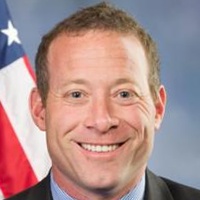
Josh Gottheimer
Representative
NJ
Josh Gottheimer
Representative
NJ
The Invest to Protect Act of 2025 establishes a new, streamlined grant program within the Department of Justice to support small local and Tribal law enforcement agencies (under 175 officers). These funds are specifically designated for officer training, mental health resources, and recruitment/retention bonuses. The law mandates a rapid application process and includes strict accountability measures, such as audits and public reporting of bonuses. Congress is authorized to appropriate up to $50 million annually for this program through fiscal year 2031.
The Affordable Housing Credit Improvement Act of 2025 updates state allocation formulas, reforms tenant eligibility and credit determination rules, and enhances assistance for Native American and rural housing projects.
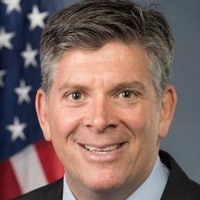
Darin LaHood
Representative
IL
Darin LaHood
Representative
IL
The Affordable Housing Credit Improvement Act of 2025 updates federal housing tax credit allocations to reflect current economic realities and boosts minimum state allotments. It reforms tenant eligibility rules to stabilize tenancy and enhance protections for vulnerable residents, including victims of abuse. The bill also provides disaster relief for property owners, increases incentives for housing the extremely low-income, and directs greater resources toward Native American and rural housing needs. Finally, it streamlines administrative processes and signals a future focus on data transparency and discouraging restrictive local zoning.
This Act establishes federal minimum standards for public employee collective bargaining rights, allowing states to maintain their own laws if they meet or exceed these standards, otherwise the Federal Labor Relations Authority will enforce federal rules.
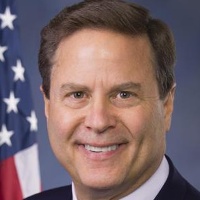
Donald Norcross
Representative
NJ
Donald Norcross
Representative
NJ
The Public Service Freedom to Negotiate Act of 2025 establishes federal minimum standards for collective bargaining rights for public employees across the nation. It requires the Federal Labor Relations Authority (FLRA) to review state laws to ensure they substantially provide these minimum rights, including the right to organize and bargain collectively. If a state fails to meet these standards, the FLRA will administer federal labor relations rules for the uncovered employees. The Act also prohibits strikes or lockouts that would measurably disrupt emergency or public safety services.
This Act allows employees to fully deduct union dues above the line and restores the itemized deduction for certain other job-related business expenses.
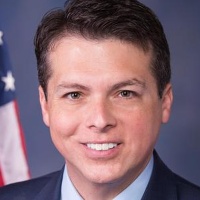
Brendan Boyle
Representative
PA
Brendan Boyle
Representative
PA
The Tax Fairness for Workers Act restores key federal tax deductions for employees, effective after 2024. This legislation makes union dues fully deductible "above the line," meaning they reduce Adjusted Gross Income without itemizing. Additionally, it allows itemizers to deduct certain other job-related business expenses that were previously limited.
The No Tax Breaks for Union Busting Act denies businesses tax deductions for expenses incurred while influencing employees regarding union organization and activities.
Donald Norcross
Representative
NJ
Donald Norcross
Representative
NJ
The No Tax Breaks for Union Busting (NTBUB) Act aims to disallow businesses from deducting federal income taxes for expenses incurred while attempting to influence employees regarding union organization or activities. This change is intended to stop companies from subsidizing anti-union campaigns through tax write-offs. The bill also establishes new, significant reporting requirements and penalties for businesses and third-party consultants who engage in these influence expenditures.
The End Kidney Deaths Act establishes a \$50,000 federal tax credit over five years for individuals who make non-directed living kidney donations between 2027 and 2036.
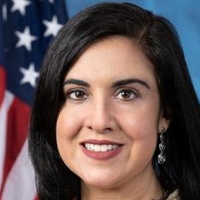
Nicole Malliotakis
Representative
NY
Nicole Malliotakis
Representative
NY
The End Kidney Deaths Act establishes a new federal tax credit for individuals who make non-directed living kidney donations. Eligible donors will receive an annual \$10,000 tax credit for five consecutive years, totaling a potential \$50,000 benefit. This provision is designed to incentivize altruistic donation while ensuring the credit is not considered payment for the organ.
This Act establishes a federal grant program to help public water systems reduce nitrate and arsenic contamination in drinking water, prioritizing disadvantaged communities.
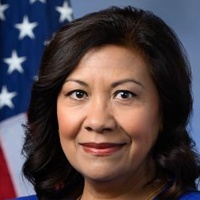
Norma Torres
Representative
CA
Norma Torres
Representative
CA
This Act establishes the Nitrate and Arsenic Reduction Grant Program under the Safe Drinking Water Act to fund projects that reduce these contaminants in public drinking water systems. Priority for these grants will be given to disadvantaged communities and systems that have previously failed to meet safety standards. The program aims to ensure cleaner drinking water, with special consideration for projects benefiting schools and low-income residents.
This act mandates the FAA to create and annually update a public list of medications deemed safe for pilots and air traffic controllers to use while maintaining their medical certification.
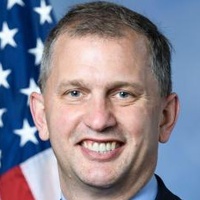
Sean Casten
Representative
IL
Sean Casten
Representative
IL
The Aviation Medication Transparency Act of 2025 mandates the Federal Aviation Administration (FAA) to create and maintain a public list of medications deemed safe for pilots and air traffic controllers to use while maintaining their medical certification. This list must be developed in consultation with relevant industry and labor groups. The FAA is required to update this comprehensive list annually, ensuring airmen and their doctors have clear guidance on medication approval status and necessary waiting periods.
The IDEA Full Funding Act establishes mandatory, increasing funding levels for the Individuals with Disabilities Education Act (IDEA) from 2026 through 2035, contingent upon offsetting budget cuts.
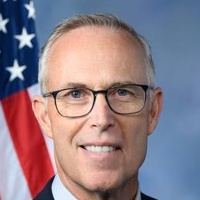
Jared Huffman
Representative
CA
Jared Huffman
Representative
CA
The IDEA Full Funding Act establishes mandatory, increasing funding levels for the Individuals with Disabilities Education Act (IDEA) programs through fiscal year 2035. This legislation sets specific appropriation targets based on student counts and national average spending to ensure greater financial support for special education services. Furthermore, the bill requires that these new IDEA appropriations adhere to "cut-as-you-go" budget offset rules.
This bill reauthorizes funding for lifespan respite care through fiscal year 2029 and updates the definition of a family caregiver.
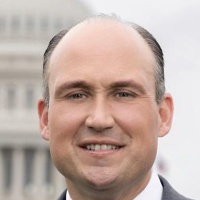
Nicholas Langworthy
Representative
NY
Nicholas Langworthy
Representative
NY
The Lifespan Respite Care Reauthorization Act of 2025 updates the definition of a family caregiver to include any unpaid individual providing care. Crucially, this bill extends the federal funding authorization for lifespan respite care programs through fiscal years 2025 through 2029. This ensures continued support for caregivers needing temporary relief.
This Act establishes the New Producer Economic Security Program to fund community-led projects that provide land, capital, and market access to new and disadvantaged farmers, ranchers, and forest owners.
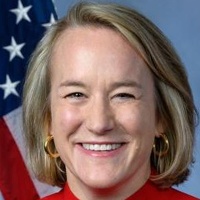
Nicole (Nikki) Budzinski
Representative
IL
Nicole (Nikki) Budzinski
Representative
IL
The New Producer Economic Security Act establishes a new federal program to fund community-led projects that help new and disadvantaged farmers, ranchers, and forest owners gain access to land, capital, and markets. Run by the USDA's Farm Service Agency, the initiative aims to ensure the long-term economic viability and security of these producers. Eligible entities will apply for grants to provide direct assistance, technical support, and financial tools to qualified beneficiaries. Priority will be given to projects that offer direct financial aid, support land affordability, and involve strong local partnerships.
The CARE Act of 2025 mandates Medicare to test a new payment model covering emergency response services provided by ground ambulance companies even when patient transport does not occur.

Mike Carey
Representative
OH
Mike Carey
Representative
OH
The CARE Act of 2025 mandates that the Center for Medicare and Medicaid Innovation (CMMI) test a new payment model for emergency services. This model will allow Medicare to pay ground ambulance providers for emergency responses, even when a patient does not ultimately require transport under Medicare Part B. The five-year demonstration aims to evaluate the impact of covering these non-transport emergency responses on patient access and resource utilization.
This Act imposes sweeping, mandatory sanctions, tariffs, and investment prohibitions on the Russian Federation and its affiliates until Russia negotiates a lasting peace with Ukraine.
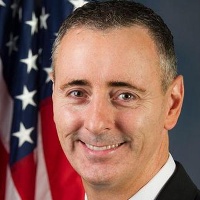
Brian Fitzpatrick
Representative
PA
Brian Fitzpatrick
Representative
PA
The Sanctioning Russia Act of 2025 imposes sweeping economic penalties on the Russian Federation in response to its aggression against Ukraine. This legislation mandates severe, immediate sanctions against key Russian officials, financial institutions, and energy sector entities, including asset freezes and trade prohibitions. Furthermore, the Act dramatically increases import duties on Russian goods and requires the President to review and reimpose these measures until Russia negotiates a lasting peace with Ukraine.