Legislative Activity
Track Jared's sponsored bills, co-sponsored legislation, and voting record
This resolution celebrates the 50th anniversary of the Individuals with Disabilities Education Act (IDEA) and recognizes its profound, transformative impact on ensuring a free, appropriate public education for children with disabilities.
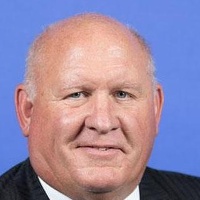
Glenn Thompson
Representative
PA
Glenn Thompson
Representative
PA
This resolution celebrates the 50th anniversary of the Individuals with Disabilities Education Act (IDEA), recognizing its landmark achievement in guaranteeing a free, appropriate public education for every child with a disability. It honors the law's transformative impact since 1975, which ensured access, protected rights, and established critical early intervention services. The resolution reaffirms the commitment to fully implementing IDEA so all students with disabilities have the opportunity to thrive.
The Mikaela Naylon Give Kids a Chance Act primarily focuses on enhancing pediatric drug research, ensuring completion of pediatric study requirements, extending incentives for rare pediatric disease treatments, and making targeted updates to FDA and organ transplant network operations.
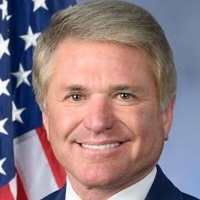
Michael McCaul
Representative
TX
Michael McCaul
Representative
TX
The Mikaela Naylon Give Kids a Chance Act focuses primarily on improving pediatric drug development and ensuring patient access to necessary treatments. This legislation mandates new research requirements for molecularly targeted pediatric cancer drugs, strengthens FDA enforcement of pediatric study completion, and extends incentives for developing drugs for rare pediatric diseases. Additionally, the bill updates organ transplant network functions and establishes an Abraham Accords Office within the FDA to enhance international regulatory cooperation.
This bill amends House rules to require a 60% supermajority vote of those present and voting to censure, disapprove of, or remove a Member, Delegate, or Resident Commissioner from committee.
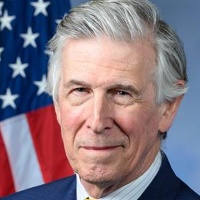
Donald Beyer
Representative
VA
Donald Beyer
Representative
VA
This bill proposes amending the House Rules to increase the threshold required for disciplinary action against a Member, Delegate, or Resident Commissioner. Specifically, it mandates that a supermajority of at least 60% of votes cast must support any resolution for censure, disapproval, or removal from committee membership. This change establishes a higher bar for imposing these specific forms of House discipline.
This resolution recognizes the epidemic of violence against transgender people, memorializes those lost this year, and calls for action to ensure their safety and dignity.

Pramila Jayapal
Representative
WA
Pramila Jayapal
Representative
WA
This resolution supports the goals of Transgender Day of Remembrance by recognizing the ongoing epidemic of violence targeting transgender people, particularly transgender women of color. It memorializes the lives lost this year and highlights the systemic barriers, including discrimination and lack of healthcare access, faced by the transgender community. The bill calls for urgent action from the government to protect these lives through inclusive legislation and policies that ensure dignity and respect for all individuals.
This Act establishes mandatory, standardized annual scorecards for electricity transmission entities, detailing performance metrics on interconnection, investment, and reliability, to be made publicly available and subject to independent verification.
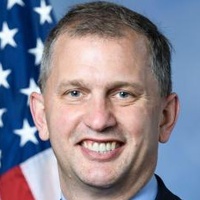
Sean Casten
Representative
IL
Sean Casten
Representative
IL
The Electricity Transmission Scorecard Act mandates that major electricity transmission entities annually report detailed performance data to FERC and the EIA. This data, covering interconnection queues, project development, and system performance, will be made publicly available via an online portal. The goal is to create standardized transparency to improve accountability, reliability, and affordability across the national transmission system. FERC is also required to periodically review and update these scorecard metrics with stakeholder input.
This Act mandates FERC to modernize and standardize electric utility reporting, establishes a centralized, public data repository, and directs research and a public dashboard to analyze grid expansion costs and interconnection processes.
Sean Casten
Representative
IL
Sean Casten
Representative
IL
The Grid Research and Development Act mandates the Federal Energy Regulatory Commission (FERC) to modernize and standardize how electric utilities report detailed data on transmission projects, costs, and operations. This law establishes a centralized, publicly accessible data repository, managed by FERC and the EIA, to make this information searchable and machine-readable. Furthermore, it directs the Secretary of Energy to conduct research and develop a public dashboard to analyze grid expansion costs, interconnection efficiency, and overall system performance for improved affordability and planning.
This act ensures the uninterrupted storage of National Oceanic and Atmospheric Administration (NOAA) data sets by restricting the Secretary of Commerce's ability to cancel cloud service contracts without a transition plan.
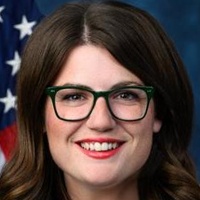
Sarah Elfreth
Representative
MD
Sarah Elfreth
Representative
MD
The NOAA Data Preservation Act aims to ensure the uninterrupted storage of critical National Oceanic and Atmospheric Administration (NOAA) data sets. This legislation restricts the Secretary of Commerce from canceling cloud storage contracts unless a comprehensive plan for seamless data transition and protection is established in collaboration with NOAA. The bill focuses on maintaining continuous access to vital environmental data.
This Act prohibits discrimination based on religion, sex, or marital status in federally funded child welfare services to improve outcomes for all children, especially LGBTQ youth.
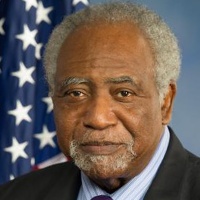
Danny Davis
Representative
IL
Danny Davis
Representative
IL
The John Lewis Every Child Deserves a Family Act prohibits discrimination based on religion, sex, or marital status in federally funded child welfare services. This aims to increase the number of stable, family-like placements for children, especially for LGBTQ youth who are overrepresented in foster care. The bill mandates federal guidance, training, and data collection to improve safety and well-being outcomes for all children involved in the system.
The EXPERTS Act of 2025 aims to reform federal rulemaking by increasing transparency around submitted studies, establishing new disclosure requirements for conflicts of interest, streamlining agency review timelines, and creating an Office of the Public Advocate focused on social equity.
Pramila Jayapal
Representative
WA
Pramila Jayapal
Representative
WA
The EXPERTS Act of 2025 aims to enhance transparency and accountability in the federal rulemaking process. It introduces new disclosure requirements for studies submitted during public comment periods and mandates greater public awareness of agency actions. Furthermore, the bill establishes the Office of the Public Advocate to improve public involvement and explicitly requires agencies to consider social equity in their cost-benefit analyses. Finally, it streamlines the Office of Information and Regulatory Affairs (OIRA) review timeline and clarifies judicial review standards for agency interpretations.
This act mandates Medicare coverage for FDA-approved early detection screening tests for Alzheimer's disease and related dementias beginning in 2028.
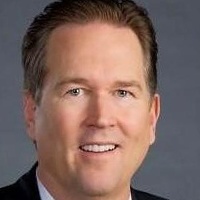
Vern Buchanan
Representative
FL
Vern Buchanan
Representative
FL
The Alzheimer’s Screening and Prevention Act of 2025 (ASAP Act) amends Medicare to cover early detection screening tests for Alzheimer's disease and related dementias starting in 2028. This coverage applies to FDA-cleared tests, including genomic sequencing and other equivalent diagnostic methods, designed to detect pre-symptomatic or early-stage conditions. The bill ensures these screenings are added to the list of covered medical services under Medicare.
This bill officially renames the United States Postal Service facility at 28201 Franklin Parkway in Santa Clarita, California, as the "Deputy Ryan Clinkunbroomer Post Office Building."
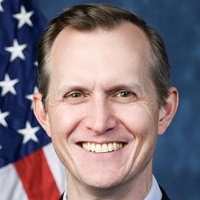
George Whitesides
Representative
CA
George Whitesides
Representative
CA
This bill officially designates the United States Postal Service facility at 28201 Franklin Parkway in Santa Clarita, California, as the "Deputy Ryan Clinkunbroomer Post Office Building." The legislation ensures that all future official references to this location will use the new name.
This bill establishes sanctions against foreign individuals responsible for human rights violations against LGBTQI people and mandates enhanced tracking and reporting of such abuses in annual human rights reports.

Sarah McBride
Representative
DE
Sarah McBride
Representative
DE
The Global Respect Act aims to promote and protect the human rights of LGBTQI individuals worldwide. It mandates the President to identify and report foreign persons responsible for human rights violations against LGBTQI people, leading to their inadmissibility to the United States. Furthermore, the Act requires enhanced tracking and reporting of violence and discrimination targeting individuals based on sexual orientation, gender identity, or sex characteristics in the annual human rights reports.
This bill mandates regular testing and public reporting of nearby drinking water sources for all hydraulic fracturing operations that inject fluids underground.

Janice Schakowsky
Representative
IL
Janice Schakowsky
Representative
IL
The Safe Hydration is an American Right in Energy Development Act of 2025 amends the Safe Drinking Water Act to establish new testing and reporting requirements for hydraulic fracturing (fracking) operations. This bill prohibits fracking injection unless operators agree to test nearby underground drinking water sources according to a set schedule and submit results to the EPA. The EPA is required to create a publicly accessible database of all submitted test results.
This bill amends the Revised Statutes to redefine the scope of civil actions that can be brought against individuals acting under the authority of the United States.
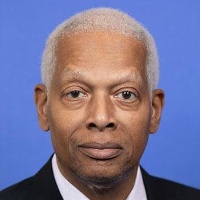
Henry Johnson
Representative
GA
Henry Johnson
Representative
GA
The Bivens Act of 2025 amends existing law to redefine the scope of civil actions that can be brought against individuals acting under federal authority. This legislation specifically revises Section 1979 of the Revised Statutes concerning such lawsuits. The core change narrows the focus of these civil actions to exclusively target persons acting under the authority of the United States.
This bill mandates the disclosure of chemicals used in hydraulic fracturing operations to the state both before and after operations, while ensuring immediate disclosure of proprietary formulas during medical emergencies.

Diana DeGette
Representative
CO
Diana DeGette
Representative
CO
The Fracturing Responsibility and Awareness of Chemicals Act of 2025 amends the Safe Drinking Water Act to bring hydraulic fracturing fluid injection under federal regulation. This bill mandates that operators disclose the specific chemicals used before and after fracturing operations to the relevant state authority. Furthermore, it ensures immediate disclosure of proprietary chemical formulas to medical professionals during emergencies.
This bill reauthorizes and expands funding for the Wildlife Crossings Program through 2031, removes the "pilot" designation, and establishes 100% federal cost-share and technical assistance for projects led by Indian Tribes.
Donald Beyer
Representative
VA
Donald Beyer
Representative
VA
The Wildlife Road Crossings Program Reauthorization Act of 2025 extends and expands federal funding for wildlife crossing infrastructure through 2031. This legislation renames the existing pilot program, authorizes \$200 million annually for the program, and ensures 100% federal cost-sharing for projects led by Indian Tribes. Additionally, it establishes technical assistance to help tribes efficiently access these crucial wildlife safety funds.
The CLEANER Act of 2025 mandates the EPA to review and regulate oil, gas, and geothermal production wastes under the Solid Waste Disposal Act, potentially classifying them as hazardous waste or establishing stricter standards for non-hazardous disposal.

Kathy Castor
Representative
FL
Kathy Castor
Representative
FL
The CLEANER Act of 2025 mandates the Administrator to review and regulate wastes generated from oil, gas, and geothermal energy production under the Solid Waste Disposal Act. This includes determining if these wastes qualify as hazardous and establishing corresponding regulations if they do. For non-hazardous wastes from these industries, the Act requires the revision of criteria for disposal facilities to ensure protection of human health and the environment, including requirements for groundwater monitoring.
This act repeals specific sections of a prior reconciliation act to restore previous laws affecting American families and farmers.
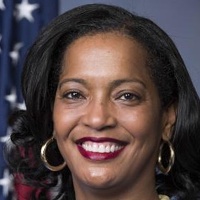
Jahana Hayes
Representative
CT
Jahana Hayes
Representative
CT
The Restoring Food Security for American Families and Farmers Act of 2025 aims to strengthen domestic food security by repealing specific sections of a prior reconciliation act. This action effectively revives the original laws that were previously amended by the repealed provisions. The bill seeks to revert existing agricultural and food-related statutes to their pre-amendment status.
The CLOSE Act removes the Clean Air Act exemption for aggregating oil and gas emissions and mandates the EPA to list hydrogen sulfide as a hazardous air pollutant.
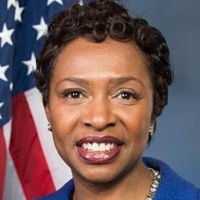
Yvette Clarke
Representative
NY
Yvette Clarke
Representative
NY
The CLOSE Act aims to strengthen air quality regulations by removing the exemption that previously allowed for the aggregation of emissions from oil and gas sources under the Clean Air Act. Furthermore, this legislation mandates the EPA to formally list hydrogen sulfide as a hazardous air pollutant. This action will require the EPA to establish specific source categories for hydrogen sulfide emissions, including oil and gas wells.
This bill establishes a permanent Special Envoy for the Human Rights of LGBTQI+ Peoples within the Department of State to advance U.S. policy countering global criminalization, violence, and discrimination against LGBTQI+ individuals.
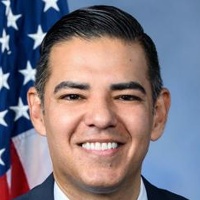
Robert Garcia
Representative
CA
Robert Garcia
Representative
CA
This bill, the International Human Rights Defense Act of 2025, establishes a permanent Special Envoy for the Human Rights of LGBTQI+ Peoples within the Department of State. It codifies U.S. policy to actively combat international criminalization, violence, and discrimination against LGBTQI+ individuals worldwide. The legislation also mandates enhanced reporting on these abuses in annual human rights reports and authorizes assistance to support related protection efforts abroad.