This bill reauthorizes and expands funding for the Wildlife Crossings Program through 2031, removes the "pilot" designation, and establishes 100% federal cost-share and technical assistance for projects led by Indian Tribes.
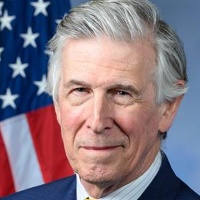
Donald Beyer
Representative
VA-8
The Wildlife Road Crossings Program Reauthorization Act of 2025 extends and expands federal funding for wildlife crossing infrastructure through 2031. This legislation renames the existing pilot program, authorizes \$200 million annually for the program, and ensures 100% federal cost-sharing for projects led by Indian Tribes. Additionally, it establishes technical assistance to help tribes efficiently access these crucial wildlife safety funds.
Road Safety Bill Commits $1.2 Billion to Wildlife Crossings, Guarantees 100% Federal Funding for Tribal Projects
The Wildlife Road Crossings Program Reauthorization Act of 2025 is looking to make a serious, long-term investment in keeping both drivers and animals safer on the road. Instead of running a small, temporary experiment, this bill permanently establishes and turbocharges the federal program that funds overpasses and underpasses for wildlife. It authorizes $200 million annually for six straight fiscal years—2026 through 2031—totaling a hefty $1.2 billion commitment.
Moving Beyond the ‘Pilot’ Phase
If you’re a commuter in an area known for deer, elk, or moose, you know how dangerous wildlife collisions are. They cause thousands of injuries and fatalities every year, not to mention the massive insurance claims and vehicle damage. This bill signals that the federal government is moving past the “pilot program” phase, which typically means testing an idea. By striking the word “pilot” from the existing law, the legislation confirms that wildlife crossings are now a permanent, funded part of our national infrastructure strategy. This shift means state and local transportation departments can start planning bigger, longer-term projects with confidence that the funding will be there.
The 100% Federal Share for Tribes
One of the most significant changes in this reauthorization focuses on equity and accessibility for Indian tribes. Currently, many federal infrastructure grants require a local match—meaning the state or tribe has to chip in a percentage of the project cost. This bill waives that requirement entirely for tribal applicants. A new section (h) dictates that if a grant application comes from an Indian tribe, the Federal share of the project cost must be 100 percent. This is huge. For tribes often facing tight budgets and limited local tax bases, this provision removes the biggest barrier to building essential safety infrastructure on or near their lands.
Making the Money Accessible
Knowing the money is there is one thing; actually getting it is another. Navigating federal grant applications can be a bureaucratic nightmare, especially for smaller entities. To address this, the bill allocates a small amount—up to 0.5 percent of the total funds—specifically for technical assistance for tribes. This funding is meant to help tribes with application support, getting projects shovel-ready, and speeding up the time between selection and fund obligation (Section (i)). This is the government essentially paying for the paperwork and consulting necessary to ensure these critical funds actually reach the communities that need them.
The Fiscal Fine Print: No Money Left Behind
For those of us who worry about government efficiency, there’s a small but important detail in the bill about unobligated funds. If the full $200 million authorized for a given year isn’t spent (meaning the money hasn’t been officially committed to a project), that remaining balance doesn’t disappear. It stays available until it’s spent, and it gets added to the pot for the following years. This provision ensures that the money dedicated to reducing collisions and improving habitat connectivity actually gets used, rather than expiring due to bureaucratic delays. The Secretary of Transportation also gets to retain a small slice, up to 0.5 percent, for administrative costs like application review, which is standard practice for managing large federal programs.