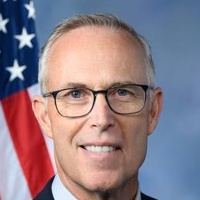
Legislative Activity
Track Jared's sponsored bills, co-sponsored legislation, and voting record
This Act bans Members of Congress and their immediate families from trading or owning specific investments while in office, requiring divestment within 90 to 180 days or facing significant financial penalties.

Chip Roy
Representative
TX
Chip Roy
Representative
TX
The Restore Trust in Congress Act establishes strict new rules prohibiting Members of Congress and their immediate families from owning or trading specific financial assets, referred to as "covered investments," while in office. Covered individuals must divest existing prohibited holdings within a set timeframe or face significant financial penalties, including fines and forfeiture of profits. The legislation aims to eliminate conflicts of interest arising from personal financial trading while serving in federal office.
This act prohibits discrimination in federal jury service based on disability or age, ensuring individuals are not excluded if they can perform the essential functions of jury duty with reasonable accommodation.
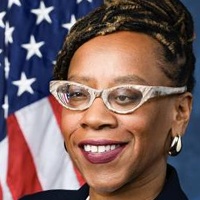
Lateefah Simon
Representative
CA
Lateefah Simon
Representative
CA
This Act prohibits discrimination against individuals based on disability or age in federal jury service. It amends federal law to ensure that a disability cannot be used as a basis for exclusion from a jury unless the individual cannot perform the essential functions of service even with a reasonable accommodation. The legislation updates existing jury qualification standards to reflect this nondiscrimination principle.
The MORE Act seeks to federally decriminalize cannabis, expunge past non-violent federal cannabis convictions, establish reinvestment programs, and open up SBA access for cannabis-related businesses.
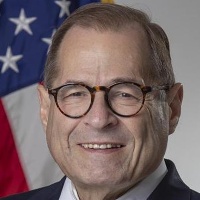
Jerrold Nadler
Representative
NY
Jerrold Nadler
Representative
NY
The Marijuana Opportunity Reinvestment and Expungement (MORE) Act seeks to federally decriminalize cannabis by removing it from the Controlled Substances Act, which will retroactively apply to past offenses. The bill establishes an Opportunity Trust Fund, financed by new cannabis taxes, to reinvest in communities harmed by prohibition. Furthermore, it mandates the expungement of non-violent federal cannabis convictions and opens up Small Business Administration (SBA) programs to legitimate cannabis businesses.
This bill expands the Smith River National Recreation Area into Oregon, updates management rules, and designates numerous tributaries of the North Fork Smith River as Wild and Scenic Rivers.
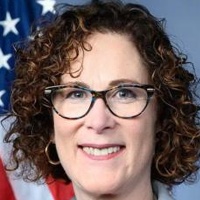
Valerie Hoyle
Representative
OR
Valerie Hoyle
Representative
OR
This Act expands the Smith River National Recreation Area to include new areas in Oregon, updating management rules to protect roadless areas and wilderness. It also designates numerous tributaries of the North Fork Smith River in Oregon for protection under the National Wild and Scenic Rivers System. Furthermore, the bill mandates a five-year study of the newly added lands to inform future management plan revisions.
This Act mandates the full staffing and funding of NOAA, reinstates critical weather tracking tools, and prevents cuts to essential climate disaster preparedness programs.
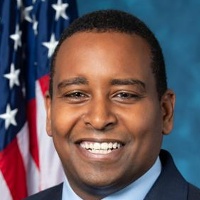
Joe Neguse
Representative
CO
Joe Neguse
Representative
CO
The Protect Americans from Climate Disasters Act addresses the increasing danger from severe weather events driven by climate change. This bill mandates that the National Oceanic and Atmospheric Administration (NOAA) be fully staffed, including reinstating recently departed employees, to ensure accurate forecasting and public alerts. Furthermore, it secures specific funding for NOAA in Fiscal Year 2026 and requires the immediate reinstatement of critical data tools, such as the Billion-Dollar Weather and Climate Disasters tracker.
This resolution terminates the President's declared crime emergency in the District of Columbia, asserting that the emergency is unwarranted and the legal basis for federal MPD control is flawed.
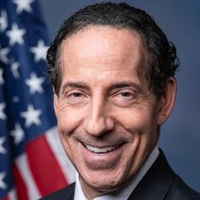
Jamie Raskin
Representative
MD
Jamie Raskin
Representative
MD
This resolution terminates the President's August 11, 2025, declaration of a crime emergency in the District of Columbia. Congress asserts that the President lacks the legal authority under the D.C. Home Rule Act to take operational control of the Metropolitan Police Department. Furthermore, the bill notes that local violent crime rates have been declining significantly.
This bill mandates a study to review and recommend improvements for protecting children in schools and childcare settings from wildfire smoke exposure.
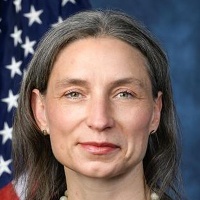
Maxine Dexter
Representative
OR
Maxine Dexter
Representative
OR
The Shielding Students from Wildfire Smoke Act directs the EPA to commission a comprehensive study on how K-12 schools and childcare facilities currently manage wildfire smoke exposure for children. This review will assess existing policies, identify gaps in protection, and recommend actionable strategies to Congress for improving safeguards, especially for resource-limited settings.
This bill extends the federal regulations governing High Occupancy Vehicle (HOV) facilities from September 30, 2025, to September 30, 2031.
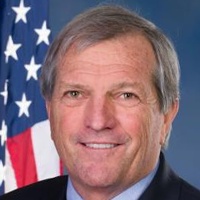
Mark DeSaulnier
Representative
CA
Mark DeSaulnier
Representative
CA
The High Occupancy Vehicle Lane Exemption Reauthorization Act extends the federal regulations governing High Occupancy Vehicle (HOV) facilities. Specifically, this bill pushes back the expiration date for these existing HOV facility rules from September 30, 2025, to September 30, 2031. This ensures the current federal guidelines remain in effect for an additional six years.
This Act establishes new federal grants to help public wastewater treatment plants upgrade their systems to treat or eliminate emerging contaminants like PFAS.
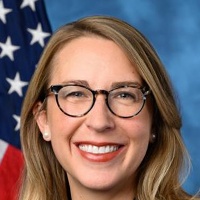
Hillary Scholten
Representative
MI
Hillary Scholten
Representative
MI
The Public Utility Remediation and Enhancement for Water Act establishes a new federal grant program administered by the EPA to help public wastewater treatment plants upgrade facilities. These grants specifically target the planning, design, and construction needed to treat or eliminate emerging contaminants like PFAS chemicals. The federal government will cover at least 75% of eligible project costs to improve water quality.
The EQUAL Parks Act permanently codifies the Presidential Memorandum promoting diversity and inclusion in the management and use of public lands and waters.
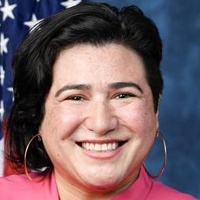
Emily Randall
Representative
WA
Emily Randall
Representative
WA
The EQUAL Parks Act codifies a previous Presidential Memorandum into permanent law, ensuring that federal policies regarding public lands and waters prioritize diversity and inclusion. This legislation solidifies the commitment to making these shared spaces accessible and welcoming to all Americans.
This Act prohibits deceptive communications and voter intimidation related to federal elections, establishes penalties for spreading false voting information (including AI-generated content), and empowers the Attorney General to issue public corrections.
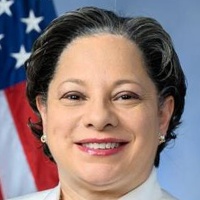
Jennifer McClellan
Representative
VA
Jennifer McClellan
Representative
VA
The Deceptive Practices and Voter Intimidation Prevention Act of 2025 establishes federal prohibitions and penalties against knowingly spreading materially false information intended to suppress voting in federal elections, including the use of AI-generated content within 60 days of an election. The bill also criminalizes intimidating election workers involved in ballot tabulation and certification processes. Furthermore, it authorizes the Attorney General to issue public corrections to widespread false voting information and requires detailed reporting on election interference allegations.
This Act extends the deadline for states to begin construction on federally funded emergency highway repair projects and mandates periodic updates to the Emergency Relief Manual.

John Garamendi
Representative
CA
John Garamendi
Representative
CA
The Transportation Emergency Relief Extension Act grants states significantly more time—up to six fiscal years—to begin construction on federally funded emergency highway repair projects following a major disaster declaration. This extension allows states additional flexibility to complete planning and administrative tasks before starting physical construction. Furthermore, the bill establishes a process for governors to request further extensions if needed and mandates regular updates to the Emergency Relief Manual.
The CLEAR ID Act mandates that Department of Homeland Security immigration enforcement officers clearly display identification during operations, with limited exceptions for medical necessity or approved undercover work.

Jasmine Crockett
Representative
TX
Jasmine Crockett
Representative
TX
The CLEAR ID Act aims to combat crimes committed by individuals impersonating immigration enforcement officers by establishing strict identification requirements for federal immigration enforcement actions. This bill mandates that officers clearly display identification, wear visible agency insignia, and refrain from facial coverings during operations funded by the Department of Homeland Security (DHS). These rules are designed to protect the public and maintain trust in legitimate law enforcement.
This bill repeals specific prior health reconciliation provisions and expands eligibility for the Premium Tax Credit by removing the 400% income cap and adjusting the subsidy calculation formula.
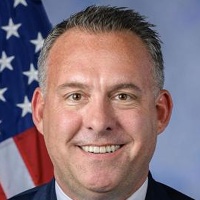
Adam Gray
Representative
CA
Adam Gray
Representative
CA
The Protecting Health Care and Lowering Costs Act of 2025 repeals specific prior reconciliation health provisions. This bill significantly expands eligibility for the Premium Tax Credit by eliminating the 400% Federal Poverty Level income cap. It also updates the subsidy calculation formula to ensure a smoother, linear adjustment of assistance across various income levels.
The EATS Act of 2025 expands eligibility for SNAP benefits by removing previous restrictions for students enrolled at least half-time in recognized educational programs.
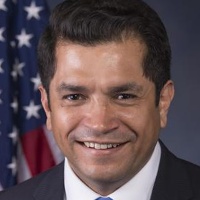
Jimmy Gomez
Representative
CA
Jimmy Gomez
Representative
CA
The EATS Act of 2025 significantly updates eligibility for the Supplemental Nutrition Assistance Program (SNAP) by removing previous restrictions that often disqualified students. This legislation explicitly includes bona fide students enrolled at least half-time in recognized educational programs as eligible participants for food assistance. These changes take effect on January 2, 2026.
This act repeals the prohibition on Medicaid payments to certain healthcare entities and mandates retroactive payment for services already rendered under the repealed ban.
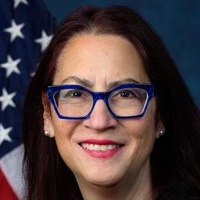
Laura Friedman
Representative
CA
Laura Friedman
Representative
CA
The Restoring Essential Healthcare Act repeals an outdated ban that prevented Medicaid from making payments to certain healthcare providers. This legislation ensures that these previously prohibited entities will now be reimbursed for medical services rendered between the enactment of the original ban and the passage of this Act. In short, it restores payment eligibility and retroactively covers past services.
The Ethics in Energy Act of 2025 prohibits covered utilities from passing the costs of political influence activities onto ratepayers and mandates detailed annual reporting of such expenses to FERC.
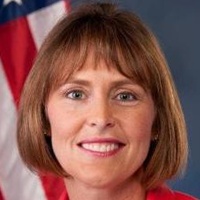
Kathy Castor
Representative
FL
Kathy Castor
Representative
FL
The Ethics in Energy Act of 2025 prohibits covered electric and natural gas utilities from passing the costs of political influencing activities onto their customers through rate requests. The Act mandates that FERC establish new accounting rules to segregate these "covered expenses" and requires utilities to submit detailed annual reports on all such political spending. Utilities found to have wrongly charged ratepayers for these expenses will face significant financial penalties, with collected funds split between customer rebates and enforcement.
This Act immediately enacts the January 2025 federal rules for gas pipeline leak detection and repair while preserving the authority to implement stricter future safety standards.
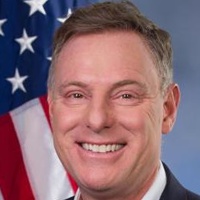
Scott Peters
Representative
CA
Scott Peters
Representative
CA
The Gas Pipeline Leak Detection and Repair Act of 2025 immediately enacts the final rule on gas pipeline leak detection and repair issued by PHMSA in January 2025. This legislation fast-tracks these new federal safety standards into effect upon signing. Furthermore, it preserves the authority of the Secretary of Transportation to implement even stricter future safety regulations for gas pipelines.
The Protected Time Off Act establishes a federal minimum accrual rate of one hour of paid annual leave for every 25 hours worked, while protecting employees' rights to use and enforce this earned time off.
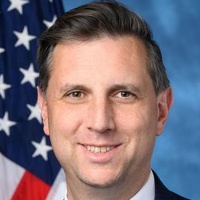
Seth Magaziner
Representative
RI
Seth Magaziner
Representative
RI
The Protected Time Off Act establishes a federal minimum standard for earned paid annual leave, requiring employers to grant employees at least one hour of paid time off for every 25 hours worked, up to 80 hours annually. This law specifies how leave is accrued, used, and rolled over, while protecting employees from retaliation for exercising these rights. It also ensures that existing state laws or agreements that provide more generous leave benefits remain in effect. Enforcement mechanisms are established, largely mirroring those under the Fair Labor Standards Act, allowing both government investigation and direct employee lawsuits.
This bill updates the eligibility requirements for creating records of lawful admission for long-term residents by changing the qualifying entry date to a minimum of seven years of U.S. residency prior to application.
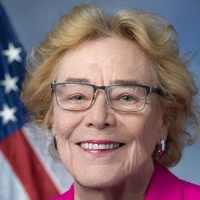
Zoe Lofgren
Representative
CA
Zoe Lofgren
Representative
CA
This bill, the Renewing Immigration Provisions of the Immigration Act of 1929, updates the eligibility requirements for creating records of lawful admission for long-term residents. It replaces a fixed entry date with a new standard requiring applicants to have resided in the U.S. for at least seven years prior to applying. These revised provisions will take effect 60 days after the Act is enacted.