Legislative Activity
Track Jared's sponsored bills, co-sponsored legislation, and voting record
The Appalachian Communities Health Equity (ACHE) Act of 2025 immediately halts new mountaintop removal coal mining permits pending a federal health study while mandating increased pollution monitoring at existing sites.
Morgan McGarvey
Representative
KY
Morgan McGarvey
Representative
KY
The Appalachian Communities Health Equity (ACHE) Act of 2025 addresses health concerns linked to mountaintop removal coal mining by immediately halting new federal permits for these operations. The bill mandates a comprehensive health study led by the NIEHS to investigate potential risks to nearby communities. Furthermore, it requires enhanced, publicly accessible pollution monitoring at active sites until the Secretary of Health and Human Services determines the practice poses no health risk.
The PRIME Act exempts custom slaughter facilities from federal inspection requirements for meat distributed only within the state where it was processed, provided they comply with state law.
Thomas Massie
Representative
KY
Thomas Massie
Representative
KY
The PRIME Act, or Processing Revival and Intrastate Meat Exemption Act, exempts custom slaughter facilities from federal inspection requirements for meat that is processed and sold only within the state of origin. To qualify, facilities must comply with all applicable state laws regarding slaughter and preparation. This legislation ensures that states retain the authority to enforce their own, potentially stricter, regulations on local meat processing.
This resolution expresses Congress's commitment to actively restoring the climate by reducing atmospheric $\text{CO}_2$ to safe pre-industrial levels for future generations.
Mike Thompson
Representative
CA
Mike Thompson
Representative
CA
This resolution expresses the sense of Congress that the United States must commit to actively restoring the climate, not just slowing emissions. It establishes the goal of reducing atmospheric $\text{CO}_2$ to safe, pre-industrial levels below 300 $\text{ppm}$ by supporting research and deployment of carbon removal technologies. Ultimately, the bill frames climate restoration as an urgent priority and an obligation to future generations to mitigate severe climate impacts.
This bill updates the eligibility requirements for creating records of lawful admission for long-term residents by changing the qualifying entry date to a minimum of seven years of U.S. residency prior to application.
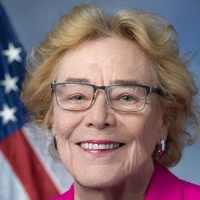
Zoe Lofgren
Representative
CA
Zoe Lofgren
Representative
CA
This bill, the Renewing Immigration Provisions of the Immigration Act of 1929, updates the eligibility requirements for creating records of lawful admission for long-term residents. It replaces a fixed entry date with a new standard requiring applicants to have resided in the U.S. for at least seven years prior to applying. These revised provisions will take effect 60 days after the Act is enacted.
Ally's Act mandates that certain private health insurance plans must cover auditory implant devices, related services, and upgrades for qualifying individuals without imposing stricter cost-sharing or treatment limitations than other medical benefits.
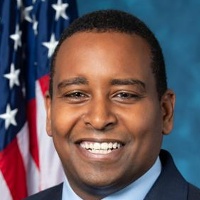
Joe Neguse
Representative
CO
Joe Neguse
Representative
CO
The Ally's Act mandates that certain private health insurance plans must cover auditory implant devices, related supplies, and necessary services for qualifying individuals. This coverage must be comparable to other medical and surgical benefits regarding cost-sharing and treatment limitations. Furthermore, plans cannot deny coverage if a physician or qualified audiologist determines the required hearing items or services are medically necessary. These new requirements take effect for plan years beginning on or after January 1, 2026.
This constitutional amendment prohibits immunity from criminal prosecution for federal officials based on their official duties and bars the President from self-pardoning.
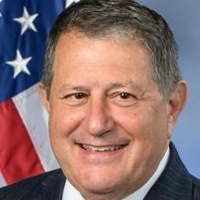
Joseph Morelle
Representative
NY
Joseph Morelle
Representative
NY
This proposed constitutional amendment would eliminate immunity from criminal prosecution for federal officials, including the President, based on their official duties. It also explicitly prohibits the President from issuing a self-pardon for any federal crimes. If ratified, these changes would take effect immediately.
This Act prohibits insurance companies from discriminating against living organ donors when issuing life, disability, or long-term care policies and mandates the updating of educational materials regarding donation risks and insurance implications.
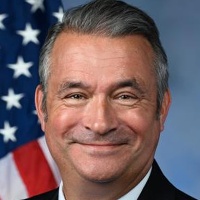
Don Bacon
Representative
NE
Don Bacon
Representative
NE
The Living Donor Protection Act of 2025 prohibits life, disability, and long-term care insurance companies from denying coverage or increasing premiums solely because an individual is a living organ donor. This legislation ensures that living donors are not financially penalized for their altruistic act. Additionally, the bill requires the Secretary of HHS to update educational materials to accurately reflect the insurance protections afforded to living donors.
This bill amends the Family and Medical Leave Act to explicitly qualify time taken for an employee's own organ donation surgery as a serious health condition.
Don Bacon
Representative
NE
Don Bacon
Representative
NE
This bill amends the Family and Medical Leave Act (FMLA) to explicitly clarify that time taken off for an employee's own organ donation surgery qualifies as a serious health condition. This ensures both private and federal sector workers receive FMLA protection for recovery from organ donation. The legislation also specifies how federal employees must substitute existing paid leave when taking FMLA time for this purpose.
The Franchisee Freedom Act establishes a private right of action for franchisees harmed by specific regulatory or statutory violations and protects their right to associate with other franchisees.

Janice Schakowsky
Representative
IL
Janice Schakowsky
Representative
IL
The Franchisee Freedom Act establishes a private right of action allowing franchisees to sue for damages and seek relief when franchisors violate specific federal regulations or provisions of this Act. Furthermore, this legislation explicitly protects a franchisee's right to associate, communicate, and join trade groups with other franchisees without fear of retaliation from the franchisor. This ensures franchisees have legal recourse and the freedom to organize.
The EACH Act of 2025 mandates that all federally funded health programs and facilities must cover and provide abortion services, while also prohibiting federal interference with private insurance coverage.
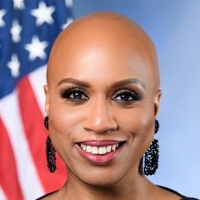
Ayanna Pressley
Representative
MA
Ayanna Pressley
Representative
MA
The EACH Act of 2025 aims to ensure equal access to abortion coverage by requiring all federally funded health programs and facilities to cover abortion services. This legislation prohibits federal interference with state or private insurance coverage of abortion and repeals Section 1303 of the Affordable Care Act. Ultimately, the bill seeks to eliminate financial and insurance barriers to abortion care, particularly for low-income individuals relying on programs like Medicaid.
This Act establishes the Office of Climate Change and Health Equity within HHS to develop a national strategic action plan, supported by an advisory board and expert reports, to protect public health from climate change impacts.

Doris Matsui
Representative
CA
Doris Matsui
Representative
CA
The Climate Change Health Protection and Promotion Act of 2025 establishes a new Office of Climate Change and Health Equity within HHS to coordinate federal efforts against climate-related health threats. This office is tasked with developing a comprehensive national strategic action plan to prepare the U.S. health sector for climate impacts, with a special focus on vulnerable communities. The Act also creates a science advisory board and mandates regular expert reports to ensure the national strategy is based on the best available science and continuously updated.
This Act establishes a federal catastrophic property loss reinsurance program to backstop primary insurers offering all-perils policies, while also mandating studies on relocation funds and earthquake coverage feasibility.
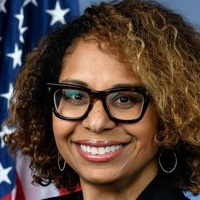
Sydney Kamlager-Dove
Representative
CA
Sydney Kamlager-Dove
Representative
CA
The Incorporating National Support for Unprecedented Risks and Emergencies Act (INSURE Act) establishes a federal catastrophic property loss reinsurance program managed by the Treasury Secretary to provide backup coverage for primary insurers. This program phases in coverage for perils like wind, wildfire, and flood, requiring participating insurers to offer "all-perils" policies and engage in loss prevention partnerships. The Act also mandates studies on creating a relocation fund for uninsurable properties and assessing the feasibility of including earthquake coverage in standard policies. Finally, it launches a pilot program for multi-year property insurance policies with restrictions on mid-term premium increases related to reassessed disaster risk.
This bill places a temporary moratorium on the closure or restriction of access to National Oceanic and Atmospheric Administration (NOAA) facilities until 180 days after a required justification report is submitted to Congress.
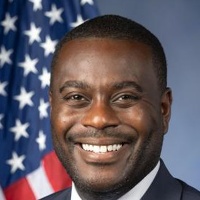
Gabe Amo
Representative
RI
Gabe Amo
Representative
RI
The Stop NOAA Closures Act places a temporary moratorium on the closure or restriction of access to any National Oceanic and Atmospheric Administration (NOAA) facilities. This freeze remains in effect until 180 days after key officials submit a required report to Congress detailing the criteria and process for any future facility changes. After the moratorium lifts, any major facility action will still require a 30-day advance notice and justification report to Congress, except in cases of immediate emergency threatening staff safety.
This Act amends federal disaster relief law to explicitly include extreme heat and drought as qualifying events for major disaster declarations.
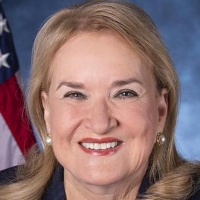
Sylvia Garcia
Representative
TX
Sylvia Garcia
Representative
TX
The Extreme Heat Emergency Act of 2025 amends federal law to formally recognize extreme heat and drought as qualifying events for major disaster declarations. This change ensures that regions suffering from severe heatwaves or droughts can access the same level of federal disaster relief assistance previously reserved for events like hurricanes or earthquakes.
This bill prohibits U.S. Immigration and Customs Enforcement (ICE) from using federal funds to detain or transport U.S. citizens during civil immigration enforcement activities.

Pramila Jayapal
Representative
WA
Pramila Jayapal
Representative
WA
The Stop ICE from Kidnapping U.S. Citizens Act strictly prohibits U.S. Immigration and Customs Enforcement (ICE) from using any federal funds for civil immigration enforcement activities involving U.S. citizens. Specifically, this bill bans ICE from spending money to detain or transport any citizen of the United States. This measure ensures federal funds are not used to wrongfully target or remove American citizens.
This Act mandates federal standards requiring employers to implement comprehensive heat illness and injury prevention programs to protect workers from dangerous heat stress.
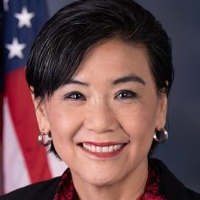
Judy Chu
Representative
CA
Judy Chu
Representative
CA
The Asunción Valdivia Heat Illness, Injury, and Fatality Prevention Act of 2025 mandates that employers protect workers from dangerous heat stress by establishing comprehensive safety standards. This Act requires the Secretary of Labor to create evidence-based rules covering engineering controls, administrative procedures, required training, and paid rest breaks to prevent heat-related illness. Furthermore, the law establishes strict enforcement mechanisms, whistleblower protections, and specific timelines for the implementation of these new federal heat protection standards.
This resolution urges Congress to prioritize the rapid and equitable development of solutions that address the unique health vulnerabilities of children facing extreme weather and poor air quality.
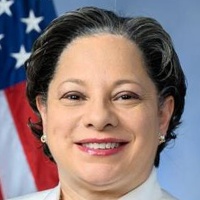
Jennifer McClellan
Representative
VA
Jennifer McClellan
Representative
VA
This resolution expresses the sense of Congress that extreme weather poses unique and severe threats to the health and well-being of children. It urges that solutions to address these escalating dangers must be rapidly and equitably developed and deployed with children's specific vulnerabilities in mind. The bill calls for prioritizing the physical and mental health needs of children in all future climate adaptation and air quality planning efforts.
This resolution declares the Trump administration's fossil fuel directives a health and safety emergency disproportionately harming children's fundamental rights by worsening climate change and suppressing climate science.
Janice Schakowsky
Representative
IL
Janice Schakowsky
Representative
IL
This resolution declares a health and safety emergency disproportionately affecting children due to prior administration directives that promoted fossil fuels and suppressed climate science. Congress asserts that these actions harm children's fundamental rights to life and a stable environment by worsening climate change impacts. The bill demands the current administration cease policies that increase greenhouse gases and restore access to suppressed climate research. Ultimately, it calls for aligning all energy and climate laws with the duty to protect the rights and future of young people.
This comprehensive act establishes federal entitlements and grants to ensure access to affordable, high-quality child care and universal preschool for young children while significantly increasing compensation for early childhood educators.
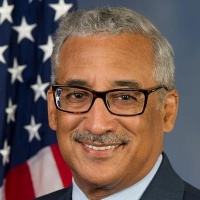
Robert Scott
Representative
VA
Robert Scott
Representative
VA
The Child Care for Working Families Act establishes comprehensive federal programs to ensure access to high-quality, affordable child care and universal preschool for young children. The legislation creates an entitlement program for child care, mandates that provider reimbursement rates cover actual costs and ensure living wages for staff, and establishes free, universal preschool for 3- and 4-year-olds. Additionally, it provides dedicated funding to stabilize childcare providers and extend the operating hours and compensation for Head Start staff.
This act enables states to apply for federal waivers to create and implement their own comprehensive, budget-neutral universal healthcare systems.
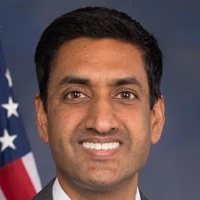
Ro Khanna
Representative
CA
Ro Khanna
Representative
CA
The State-Based Universal Health Care Act of 2025 empowers individual states to design and implement their own comprehensive universal health coverage systems. States can apply for a federal waiver to bypass most existing federal health insurance rules, including major parts of the ACA, Medicare, and Medicaid. In exchange for waiving federal funding, the federal government will transfer equivalent funds to the state, provided the state commits to covering at least 95% of its residents within five years and maintains budget neutrality for the federal government.