Legislative Activity
Track Bill's sponsored bills, co-sponsored legislation, and voting record
This Act mandates updated threat analyses, strategy revisions, and performance metrics for enhancing security along the northern border.
Nicholas Langworthy
Representative
NY
Nicholas Langworthy
Representative
NY
The Northern Border Security Enhancement and Review Act mandates updated threat analyses of the northern border every two years, with the first due by September 2, 2026. Following each analysis, the Department of Homeland Security must update its border strategy or formally explain why an update is unnecessary. The bill also requires classified briefings for Congress and the development of performance measures for Air and Marine Operations along the northern border.
This bill renames and revises the Great American Outdoors Act's maintenance fund, increases dedicated funding through new, higher fees for foreign visitors, and sets spending priorities for deferred maintenance across public lands agencies.
Bruce Westerman
Representative
AR
Bruce Westerman
Representative
AR
This bill, the Great American Outdoors Act 250, significantly reforms and renames the existing public lands restoration fund to the America’s Legacy Restoration Fund. It secures dedicated funding streams, primarily from energy revenues and new fees on foreign visitors, to address critical deferred maintenance across the National Park Service, Forest Service, and other public land agencies. The legislation establishes strict spending priorities for infrastructure repair while also creating pilot programs for enhancing outdoor recreation and sportsmen's access. Finally, it mandates increased transparency and accountability through standardized metrics and public reporting on all funded projects.
The Jewish American Security Act aims to combat rising antisemitism through enhanced security grants, new protections for Jewish students in education, and increased transparency requirements for online platforms regarding hate speech.

Dan Goldman
Representative
NY
Dan Goldman
Representative
NY
The Jewish American Security Act addresses the rising threat of antisemitism across the nation. This bill mandates new protections for Jewish students in educational settings and significantly increases funding and administrative support for securing Jewish community institutions. Furthermore, it requires increased transparency from large online platforms regarding their moderation of antisemitic content and mandates federal assessments of domestic and transnational antisemitic threats.
This bill strengthens U.S. access to critical minerals by authorizing international partnerships, establishing energy security compacts, and creating specialized State Department roles and workforce development programs to counter reliance on adversaries.
Young Kim
Representative
CA
Young Kim
Representative
CA
This bill strengthens U.S. access to critical minerals by authorizing international partnerships and agreements to build secure, transparent supply chains with allies. It establishes Energy Security Compacts to diversify energy and mineral sources while protecting American jobs and the environment. Finally, the legislation creates new leadership roles and exchange programs at the State Department to build a skilled domestic mining workforce and counter foreign leverage over essential resources.
This bill reauthorizes the United States Commission on International Religious Freedom through December 31, 2028, including funding through that date.
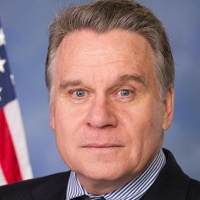
Christopher Smith
Representative
NJ
Christopher Smith
Representative
NJ
This bill, the United States Commission on International Religious Freedom Reauthorization Act of 2026, extends the authorization and funding for the U.S. Commission on International Religious Freedom. It specifically updates the Commission's operational period through the end of 2028. This action ensures the continued function of the body tasked with monitoring religious freedom abroad.
This resolution recognizes the vital economic and historical contributions of American automotive workers, particularly in Michigan, and supports designating September 2026 as "American Automotive Worker Recognition Month."
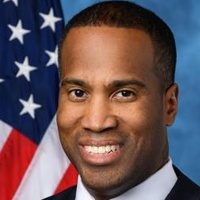
John James
Representative
MI
John James
Representative
MI
This resolution recognizes the vital economic and historical contributions of American automotive workers, with a special focus on Michigan's central role in the industry. It highlights the sector's impact on national manufacturing, job creation, and security. The resolution further expresses support for designating September 2026 as "American Automotive Worker Recognition Month."
This bill reaffirms the nation's commitment to the phrase "one Nation under God" in the Pledge of Allegiance as a unifying affirmation of shared American values.
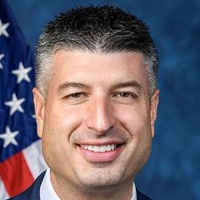
Tom Barrett
Representative
MI
Tom Barrett
Representative
MI
This bill reaffirms the nation's commitment to the phrase "one Nation under God" in the Pledge of Allegiance. It highlights the historical context of this phrase and its role in expressing the principle that individual rights stem from a higher authority. The legislation also acknowledges the upcoming 250th anniversary of the Declaration of Independence and a related rededication event.
The PANA Act of 2026 establishes the Venezuela Restoration Fund, using forfeited assets from individuals tied to the Maduro regime to support democracy, human rights, and anti-corruption efforts in Venezuela.
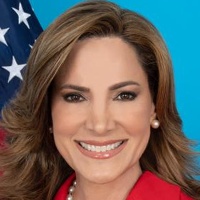
Maria Salazar
Representative
FL
Maria Salazar
Representative
FL
The PANA Act of 2026 establishes the Venezuela Restoration Fund, which will hold assets forfeited from individuals or entities connected to the Chávez or Maduro regimes. This fund authorizes the Secretary of State to spend the money without further congressional approval to strengthen democracy, defend human rights, support independent media, and fight corruption in Venezuela. The Treasury Secretary must report annually to Congress on the fund's deposits and expenditures.
This bill prohibits the VA from reporting veterans to the NICS background check system solely because a fiduciary has been appointed to manage their benefits, unless a judicial authority deems them a danger to themselves or others.
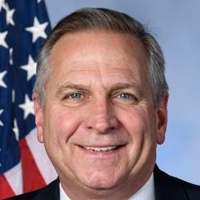
Mike Bost
Representative
IL
Mike Bost
Representative
IL
The Veterans 2nd Amendment Protection Act prohibits the VA from reporting veterans to the NICS background check system solely because a fiduciary was appointed to manage their benefits. This legislation ensures that a VA finding of mental incompetence or the appointment of a fiduciary alone is not used to treat a veteran as a "mental defective" for gun control purposes. Furthermore, the VA must notify the Attorney General about past transmissions of this information that lacked a proper legal basis.
This bill establishes the Smithsonian American Women's History Museum, designates its site on the National Mall, and sets requirements for its mission, construction, and diverse representation of viewpoints.
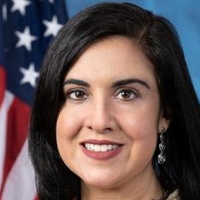
Nicole Malliotakis
Representative
NY
Nicole Malliotakis
Representative
NY
This act officially establishes the Smithsonian American Women’s History Museum and designates its location on the National Mall, requiring the transfer of land jurisdiction to the Smithsonian Institution. The museum is mandated to preserve and present the history and achievements of biological women in the United States. Furthermore, the legislation requires that exhibits and programs reflect diverse political viewpoints and authentic experiences of women, as guided by a broad array of knowledgeable sources.
This bill authorizes the minting and sale of commemorative gold and silver coins to honor the 25th anniversary of the September 11, 2001, terrorist attacks, with surcharges supporting the National September 11 Memorial and Museum.
Dan Goldman
Representative
NY
Dan Goldman
Representative
NY
This bill authorizes the Secretary of the Treasury to mint and issue commemorative gold and silver coins marking the 25th anniversary of the September 11, 2001, terrorist attacks. The coins will honor the victims, first responders, and survivors, with designs selected in consultation with the National September 11 Memorial and Museum. All surcharges from the sale of these coins will be paid directly to the Memorial and Museum to support its operations and maintenance.
This Act establishes new grant programs, improves agency coordination, and authorizes funding to enhance the control, prevention, and rapid response to aquatic invasive species.
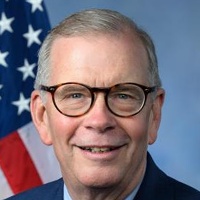
Tim Walberg
Representative
MI
Tim Walberg
Representative
MI
The Aquatic Invasive Species Control and Prevention Act of 2026 strengthens federal efforts to combat invasive species by establishing new grant programs for technology development and rapid response. The bill enhances coordination across federal and regional agencies through the expansion of the Aquatic Nuisance Species Task Force. It also mandates studies and plans for improving watercraft inspection, monitoring high-risk waterways, and updating management strategies. Finally, it allows existing mitigation grants to support the installation of advanced ballast water management systems.
This resolution designates specific dates to honor law enforcement officers killed in the line of duty and expresses support for all officers.
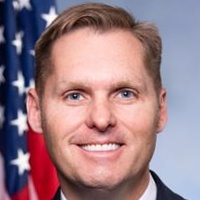
Michael Guest
Representative
MS
Michael Guest
Representative
MS
This resolution officially designates May 15, 2026, as Peace Officers Memorial Day and the week of May 10-16, 2026, as National Police Week. It honors the service and sacrifice of law enforcement officers killed in the line of duty, specifically recognizing 363 officers lost in 2025. The bill expresses unwavering support for law enforcement and acknowledges the need for proper resources to ensure officer safety.
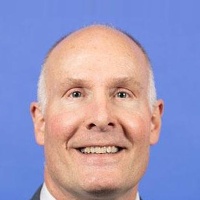
This Act prohibits the sale or importation of connected vehicles and components containing hardware or software from covered adversarial countries like China, Russia, Iran, and North Korea, starting in 2027.
John Moolenaar
Representative
MI
John Moolenaar
Representative
MI
The Connected Vehicle Security Act of 2026 prohibits the sale or importation of connected vehicles, hardware, or software originating from or controlled by designated "covered countries" (North Korea, China, Russia, or Iran). This measure aims to safeguard U.S. economic and national security against risks like espionage and cyber intrusion posed by foreign adversaries exploiting vehicle connectivity technology. The Secretary of Commerce is tasked with issuing regulations to enforce these bans, which begin phasing in starting in 2027, though waivers may be granted under specific national security conditions.
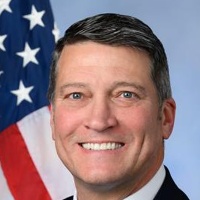
This Act establishes an Office of Export Controls and Border Security within the State Department to enhance global security by preventing the diversion of sensitive technologies and dual-use items through strengthened partner country controls and border security.
Ronny Jackson
Representative
TX
Ronny Jackson
Representative
TX
This Act establishes the Office of Export Controls and Border Security within the State Department to enhance U.S. national security. The Office will work with partner countries to prevent the diversion and misuse of sensitive technologies and dual-use items that could aid weapons proliferation. Furthermore, the bill directs the development of a comprehensive strategy to strengthen global export controls and border security enforcement.
This bill expands U.S. port financing while launching a comprehensive strategy to counter China's shipbuilding dominance through allied coordination, domestic investment, and supply chain diversification.
Young Kim
Representative
CA
Young Kim
Representative
CA
This bill aims to bolster U.S. shipbuilding capacity and reduce reliance on China by expanding port infrastructure financing and requiring detailed reports on Chinese state-owned shipbuilding enterprises. It establishes a comprehensive strategy to coordinate with allies on maritime security, supply chain resilience, and workforce training. The legislation also creates new diplomatic roles and international frameworks to counter unfair foreign shipbuilding practices.
This act establishes grants for community-based programs to provide affordable health coverage and integrated support services to low-income employees of small businesses.
John Moolenaar
Representative
MI
John Moolenaar
Representative
MI
This act establishes the Community Multi-Share Coverage Program to award grants for creating local partnerships that offer affordable health coverage to employees of small businesses with limited income. These programs must integrate comprehensive health services with workforce and economic support to help individuals transition away from government-sponsored health programs. The funding structure requires shared contributions from public, private, and enrollee sources to ensure long-term sustainability.
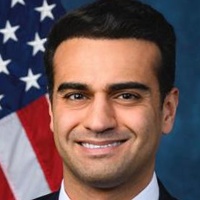
This bill condemns the multiple assassination attempts against President Donald J. Trump and recognizes the critical mission of the Department of Homeland Security.
Abraham Hamadeh
Representative
AZ
Abraham Hamadeh
Representative
AZ
This bill strongly condemns the multiple attempted assassinations against President Donald J. Trump, including the attack on April 25, 2026. It commends the heroism of law enforcement and recognizes the critical mission of the Department of Homeland Security. Furthermore, the resolution calls for unity against political violence and the full funding of essential security agencies.
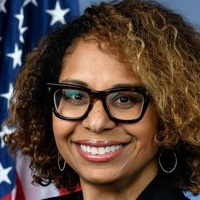
This Act establishes a five-year program to significantly increase the number of U.S. export control officers stationed overseas to enhance enforcement and prevent the diversion of controlled American items.
Sydney Kamlager-Dove
Representative
CA
Sydney Kamlager-Dove
Representative
CA
The Export Controls Enforcement Act addresses the critical shortage of overseas personnel responsible for verifying that controlled U.S. exports are used as intended. This bill establishes a new, five-year Export Control Officer Program to significantly increase the number of officers stationed abroad. These officers will conduct essential end-use checks, advise foreign partners, and help prevent the diversion of sensitive American technology.
This bill establishes a federal program to promote the global export of U.S. artificial intelligence technology to allies while implementing security measures to maintain American leadership and prevent access by foreign adversaries.
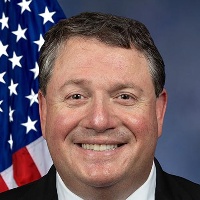
Randall Fine
Representative
FL
Randall Fine
Representative
FL
The Full AI Stack Export Promotion Act establishes a national strategy to maintain U.S. global dominance in artificial intelligence by promoting the export of American AI technology to allies. The bill mandates the creation of industry consortia, diplomatic initiatives to remove trade barriers, and rigorous security standards to prevent foreign adversaries from accessing U.S. AI infrastructure. Additionally, it requires federal agencies to track and report on the global deployment and market share of U.S. AI technologies to ensure long-term economic and national security.