Legislative Activity
Track Adam's sponsored bills, co-sponsored legislation, and voting record
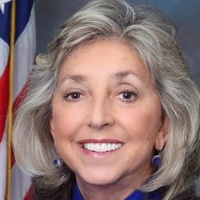
This act amends tax law to allow taxpayers to deduct wagering losses dollar-for-dollar against their wagering winnings, up to the full amount of those winnings.
Dina Titus
Representative
NV
Dina Titus
Representative
NV
The FAIR Bet Act amends tax law to allow taxpayers to deduct wagering losses dollar-for-dollar against their wagering winnings, up to 100% of those winnings. This change modifies the previous limitation on deducting gambling losses. Essentially, it ensures that gambling losses can fully offset gambling income for tax purposes.
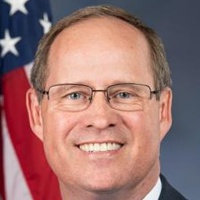
This bill mandates quarterly rebates from manufacturers of selected drugs based on the difference between standard Medicare payment rates and the negotiated Maximum Fair Price, while adjusting beneficiary coinsurance accordingly.
Gregory Murphy
Representative
NC
Gregory Murphy
Representative
NC
This bill, the Protecting Patient Access to Cancer and Complex Therapies Act, establishes a new mandatory rebate system for manufacturers of certain drugs selected for Maximum Fair Price (MFP) negotiation under Medicare. Manufacturers must pay quarterly rebates based on the difference between the standard Medicare payment and the lower negotiated MFP for units sold under Part B. These changes also adjust beneficiary coinsurance calculations to reflect the lower MFP, ensuring patient out-of-pocket costs are based on the negotiated price.
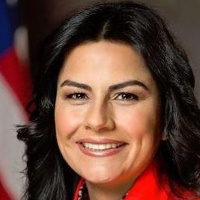
This resolution recognizes the right to peaceful protest while condemning violence and criticizing the federal government's controversial deployment of military forces during recent Los Angeles demonstrations.
Nanette Barragán
Representative
CA
Nanette Barragán
Representative
CA
This resolution formally recognizes the constitutional right to peaceful protest while strongly condemning violence and illegal acts committed during demonstrations. It criticizes the federal government's deployment of military forces during recent events, arguing the actions were an overreach that bypassed proper legal and state authority. Ultimately, the bill asserts the importance of transparency in law enforcement and denounces rhetoric that escalates community tensions.
This Act establishes mandatory federal response time standards, including a 30-minute initial evaluation goal, for wildfires occurring on federal lands.
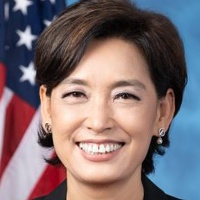
Young Kim
Representative
CA
Young Kim
Representative
CA
The Wildfire Response and Preparedness Act of 2025 mandates federal agencies to establish strict new response time standards for wildfires on federal lands. This includes setting goals for initial incident evaluation within 30 minutes and deploying suppression crews within 3 hours. The responsible Secretaries must report annually to Congress on unified budgeting, resource needs, and necessary system changes to meet these aggressive readiness targets.
The FIGHT Act of 2025 strengthens federal prohibitions against animal fighting, enhances enforcement mechanisms, and allows citizens to sue violators of animal fighting provisions.
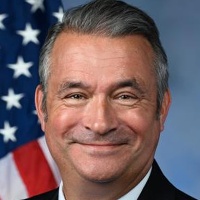
Don Bacon
Representative
NE
Don Bacon
Representative
NE
The FIGHT Act of 2025 significantly strengthens federal prohibitions against animal fighting ventures, specifically targeting the sponsorship, exhibition, and gambling associated with these events. This legislation clarifies the definition of a rooster for legal purposes and bans the interstate transport of roosters for fighting. Furthermore, it empowers private citizens to file lawsuits against violators, allowing for civil penalties and the potential seizure of property used to facilitate illegal animal fighting.
This act reauthorizes and updates mandatory funding levels for federal programs aimed at preventing, surveilling, and rapidly responding to foreign animal diseases in the United States through 2031.
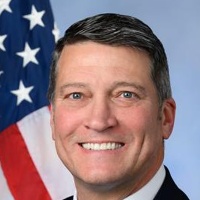
Ronny Jackson
Representative
TX
Ronny Jackson
Representative
TX
The Foreign Animal Disease Prevention, Surveillance, and Rapid Response Act of 2025 reauthorizes and significantly increases mandatory funding levels for critical animal disease prevention and management programs through 2031. This legislation ensures sustained financial support for national animal health laboratories, surveillance efforts, and preparedness initiatives. The bill updates funding allocations to enhance the nation's ability to rapidly respond to potential foreign animal disease outbreaks.
This act revises budget baseline calculations by excluding funds designated as emergency requirements or provided through supplemental appropriations.
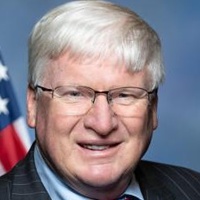
Glenn Grothman
Representative
WI
Glenn Grothman
Representative
WI
The Stop the Baseline Bloat Act of 2025 aims to reform how federal budget baselines are calculated under existing deficit control laws. Specifically, this bill mandates that funding designated as "emergency requirements" or provided through supplemental appropriations must be excluded when determining the baseline spending level. This change seeks to prevent temporary, non-recurring spending from artificially inflating future budget caps.
This resolution expresses the House of Representatives' support for designating June 11, 2025, as "World Franchise Day" to recognize the economic impact and opportunities created by the franchising industry.
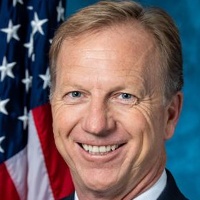
Kevin Hern
Representative
OK
Kevin Hern
Representative
OK
This resolution expresses the House of Representatives' support for designating June 11, 2025, as "World Franchise Day." It recognizes the significant role franchising plays in the U.S. economy by fostering entrepreneurship, creating millions of jobs, and providing pathways to ownership. The bill formally endorses the global recognition of this vital business model.
This act ensures and expands Medicare coverage for mental and behavioral health services provided through telehealth, effective retroactively to 2021.

Doris Matsui
Representative
CA
Doris Matsui
Representative
CA
The Telemental Health Care Access Act of 2025 updates Medicare rules to ensure comprehensive coverage for mental and behavioral health services delivered via telehealth. This legislation clarifies and expands the scope of telehealth coverage under Medicare for these essential services. Furthermore, it removes previous restrictions, making the expanded coverage effective retroactively to the Consolidated Appropriations Act of 2021.
This bill establishes minimum and emergency staffing requirements for the Low-Income Home Energy Assistance Program (LIHEAP) and limits the use of contractors.
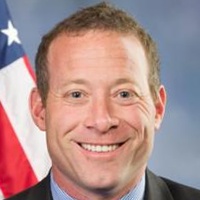
Josh Gottheimer
Representative
NJ
Josh Gottheimer
Representative
NJ
The LIHEAP Staffing Support Act establishes minimum staffing requirements for the Low-Income Home Energy Assistance Program (LIHEAP) to ensure effective program administration. It mandates a baseline of at least 20 dedicated employees, with limits on contractor usage during normal operations. Furthermore, the bill requires an emergency staffing boost to at least 30 employees within 45 days of declaring an energy crisis.
The Golden Mussel Eradication and Control Act of 2025 establishes a demonstration program, research grants, and guidelines to combat the spread and impact of the invasive golden mussel.
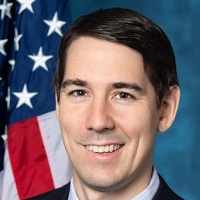
Josh Harder
Representative
CA
Josh Harder
Representative
CA
The Golden Mussel Eradication and Control Act of 2025 establishes a new Demonstration Program to combat the invasive golden mussel through prevention, control, and eradication efforts across infested waters. This Act mandates the creation of comprehensive management plans and sets up a competitive grant program to fund research and develop new removal technologies. The goal is to coordinate federal, state, and local partners to effectively manage and contain the spread of this aquatic nuisance.
This Act mandates that colleges and universities must print or post essential suicide prevention contact information, including the 988 Lifeline, on student IDs or websites.
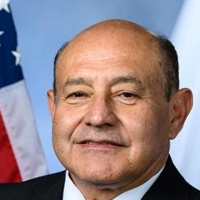
J. Correa
Representative
CA
J. Correa
Representative
CA
The Improving Mental Health Access for Students Act mandates that colleges and universities must prominently display essential mental health and suicide prevention contact information on student ID cards or official websites. This includes the 988 Suicide and Crisis Lifeline, the Crisis Text Line, and the campus mental health center. These requirements take effect one year after the Act is signed into law.
This bill amends the Rural Surface Transportation Grant Program to set aside 10% of funding for eligible projects on farm-to-market roads in counties with high agricultural output.
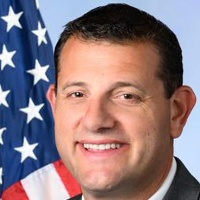
David Valadao
Representative
CA
David Valadao
Representative
CA
This bill amends the Rural Surface Transportation Grant Program to create a new funding set-aside for specific counties with high agricultural output. It defines "covered counties" based on significant annual agricultural production value and density. Ten percent of the program's funds must then be reserved for projects located on "farm-to-market roads" within these designated counties.
The Mental Health in Schools Excellence Program Act of 2025 establishes a matching-funds program to help graduate schools reduce the cost of attendance for students who commit to working as school-based mental health service providers.
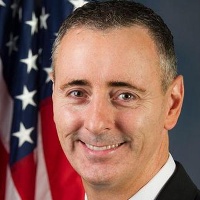
Brian Fitzpatrick
Representative
PA
Brian Fitzpatrick
Representative
PA
The Mental Health in Schools Excellence Program Act of 2025 establishes a new federal program designed to increase the number of mental health professionals working in schools. This program creates matching grants where the government helps cover graduate students' educational costs if their institutions agree to match the funding dollar-for-dollar. The goal is to incentivize graduate schools to support students who commit to careers in school-based mental health services, with specific outreach targeting low-income students.
This Act removes the statute of limitations for surviving spouses of service members who died in the line of duty on or after September 11, 2001, to file specific survivor benefit claims against the U.S. Government.
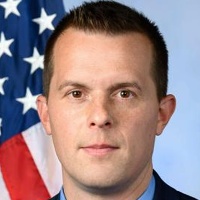
Jared Golden
Representative
ME
Jared Golden
Representative
ME
The Supporting Our Surviving Spouses Act removes the statute of limitations for certain survivor benefit claims filed by the spouses of armed forces members who died in the line of duty on or after September 11, 2001. This change allows eligible survivors to file these specific claims at any time after the law is enacted. The bill ensures that no deadline prevents these survivors from seeking entitled benefits.
This Act establishes a bipartisan Fiscal Commission tasked with developing and reporting legislative recommendations to reduce the national debt, followed by an expedited congressional process for considering those recommendations.
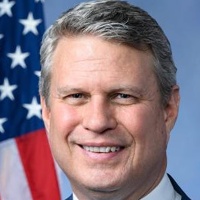
Bill Huizenga
Representative
MI
Bill Huizenga
Representative
MI
The Fiscal Commission Act establishes a bipartisan commission tasked with developing legislative recommendations to improve the nation's long-term fiscal health, aiming to reduce the national debt ratio to 100% of GDP by 2039. This Commission, composed of appointed members from both chambers of Congress and outside experts, must submit its final report and proposed legislation within a specific timeframe. The Act also creates an expedited, amendment-free process for Congress to consider and vote on any resulting "implementing bills."
This Act exempts discharges from the use of Forest Service-approved products for fire control and suppression from certain federal water pollution permit requirements.
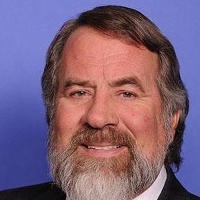
Doug LaMalfa
Representative
CA
Doug LaMalfa
Representative
CA
The Forest Protection and Wildland Firefighter Safety Act of 2025 exempts discharges resulting from the use of Forest Service-approved products for fire control and suppression from certain federal water pollution permit requirements. This change streamlines firefighting operations by removing unnecessary permitting hurdles for using approved suppression agents. The Act also includes technical updates to related environmental statutes.
The Farm Workforce Modernization Act of 2025 establishes pathways to legal status for current agricultural workers, reforms the H-2A visa program, and mandates a modernized electronic employment verification system.
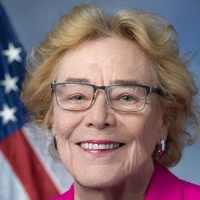
Zoe Lofgren
Representative
CA
Zoe Lofgren
Representative
CA
The Farm Workforce Modernization Act of 2025 aims to stabilize the agricultural labor force by creating a pathway to legal status for current undocumented farmworkers and modernizing the H-2A temporary worker program. The bill also mandates the implementation of a new, high-security electronic employment verification system across all industries, with specific deadlines for agricultural employers. Overall, it seeks to secure the existing workforce while establishing new compliance standards and protections for future agricultural labor.
This act establishes research grants and training programs to develop and implement PFAS-free, next-generation turnout gear to protect firefighters from occupational illness and injury.

Debbie Dingell
Representative
MI
Debbie Dingell
Representative
MI
The PFAS Alternatives Act aims to protect firefighters by funding research and development for next-generation turnout gear that eliminates harmful PFAS chemicals. The bill establishes grants through NIOSH to create safer, PFAS-free protective equipment and separate funding for training programs on the proper care of this new gear. Ultimately, this legislation seeks to reduce occupational illness and injury among fire and EMS personnel.
This resolution recognizes the 50th anniversary of the Fall of Saigon, honoring the history, service, and contributions of Vietnamese Americans while reaffirming U.S. commitment to democracy and human rights.
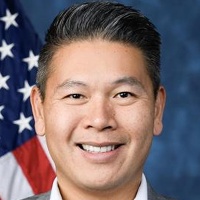
Derek Tran
Representative
CA
Derek Tran
Representative
CA
This resolution commemorates the 50th anniversary of the Fall of Saigon and recognizes the profound contributions of Vietnamese Americans to the United States. It honors those who fled the communist regime after April 30, 1975, and reaffirms American commitment to democracy and human rights. The bill encourages all citizens to observe this anniversary and remember the sacrifices made in the pursuit of freedom.