Legislative Activity
Track Adam's sponsored bills, co-sponsored legislation, and voting record
This act prohibits state and local governments from enacting regulations that restrict energy service based on the type or source of energy sold in interstate commerce.
Nicholas Langworthy
Representative
NY
Nicholas Langworthy
Representative
NY
The Energy Choice Act places federal restrictions on state and local governments, preventing them from enacting regulations that prohibit or limit energy service based on its type or source. This means local governments cannot ban or restrict access to energy services sold in interstate commerce. The legislation aims to ensure consistent access to various energy sources across jurisdictions.
This bill establishes grant programs to fund and expand accredited midwifery and nurse-midwifery education, prioritizing support for students serving in shortage areas and from rural or disadvantaged communities.
Ashley Hinson
Representative
IA
Ashley Hinson
Representative
IA
The Midwives for MOMS Act of 2025 establishes new grant programs to strengthen the maternity care workforce by supporting the education and training of midwives and nurse-midwives. These grants will fund student support, the expansion of accredited educational programs, and the recruitment of clinical preceptors. Priority will be given to institutions that commit to training providers who will practice in designated health professional shortage areas, particularly in rural and economically disadvantaged communities.
This act establishes a grant program to help colleges and universities create and operate dedicated Student Veteran Centers to support the academic and transitional success of student veterans.
Lois Frankel
Representative
FL
Lois Frankel
Representative
FL
The Veteran Education Empowerment Act establishes a grant program to help colleges and universities create and operate dedicated Student Veteran Centers. These centers will serve as centralized hubs to coordinate academic support, transition services, and community building for student veterans. The bill authorizes funding for these grants, which can be used for establishing and operating the centers, with specific reporting requirements to track effectiveness.
The Mikaela Naylon Give Kids a Chance Act primarily focuses on enhancing pediatric drug research, ensuring completion of pediatric study requirements, extending incentives for rare pediatric disease treatments, and making targeted updates to FDA and organ transplant network operations.
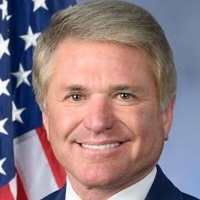
Michael McCaul
Representative
TX
Michael McCaul
Representative
TX
The Mikaela Naylon Give Kids a Chance Act focuses primarily on improving pediatric drug development and ensuring patient access to necessary treatments. This legislation mandates new research requirements for molecularly targeted pediatric cancer drugs, strengthens FDA enforcement of pediatric study completion, and extends incentives for developing drugs for rare pediatric diseases. Additionally, the bill updates organ transplant network functions and establishes an Abraham Accords Office within the FDA to enhance international regulatory cooperation.
This act extends the period during which interest earned on the Federal aid to wildlife restoration fund can be used for conservation and access improvements until 2033.
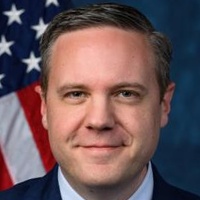
Jeff Hurd
Representative
CO
Jeff Hurd
Representative
CO
The Wetlands Conservation and Access Improvement Act of 2025 extends the period during which interest earned on obligations within the Federal aid to wildlife restoration fund can be used. Specifically, this amendment moves the availability deadline for these funds from 2026 to 2033. This change aims to provide continued financial resources for wildlife restoration efforts.
This Act authorizes the Secretary of the Interior to fund extraordinary maintenance on designated "urban canals of concern" to mitigate risks to life and property.

Michael Simpson
Representative
ID
Michael Simpson
Representative
ID
The Urban Canal Modernization Act addresses the maintenance of critical infrastructure by establishing a definition for "urban canal of concern." This legislation authorizes the Secretary of the Interior to fund necessary extraordinary operation and maintenance work on these canals. Specifically, the bill mandates that the Federal government cover 35% of the costs allocated to the operating entity on a nonreimbursable basis for this essential work.
This bill officially renames the United States Postal Service facility at 28201 Franklin Parkway in Santa Clarita, California, as the "Deputy Ryan Clinkunbroomer Post Office Building."
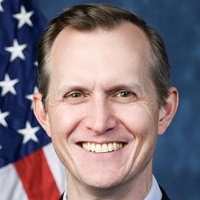
George Whitesides
Representative
CA
George Whitesides
Representative
CA
This bill officially designates the United States Postal Service facility at 28201 Franklin Parkway in Santa Clarita, California, as the "Deputy Ryan Clinkunbroomer Post Office Building." The legislation ensures that all future official references to this location will use the new name.
This act mandates Medicare coverage for FDA-approved early detection screening tests for Alzheimer's disease and related dementias beginning in 2028.
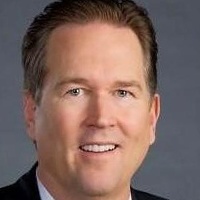
Vern Buchanan
Representative
FL
Vern Buchanan
Representative
FL
The Alzheimer’s Screening and Prevention Act of 2025 (ASAP Act) amends Medicare to cover early detection screening tests for Alzheimer's disease and related dementias starting in 2028. This coverage applies to FDA-cleared tests, including genomic sequencing and other equivalent diagnostic methods, designed to detect pre-symptomatic or early-stage conditions. The bill ensures these screenings are added to the list of covered medical services under Medicare.
The PRECISE Act expands conservation loan and assistance programs to specifically incentivize and fund the adoption of precision agriculture technology and practices for rural producers.
Ashley Hinson
Representative
IA
Ashley Hinson
Representative
IA
The PRECISE Act aims to promote conservation and efficiency in agriculture by expanding access to conservation loans and rural assistance for adopting precision agriculture practices and technology. It updates definitions and increases potential payments under existing conservation programs like EQIP and CSP to incentivize the use of precision methods. Furthermore, the bill directs emphasis toward using third-party providers for technical assistance related to soil health and precision agriculture planning.
This bill extends and modifies the premium tax credit, improves Medicare Advantage risk adjustment using more diagnostic data, and increases penalties and oversight to reduce fraudulent enrollment in qualified health plans.
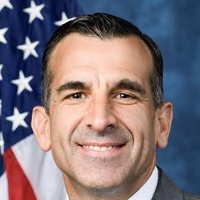
Sam Liccardo
Representative
CA
Sam Liccardo
Representative
CA
This bill temporarily extends and modifies the enhanced premium tax credit for health insurance through 2027. It also introduces significant changes to Medicare Advantage risk adjustment by requiring the use of two years of diagnostic data starting in 2026. Finally, the legislation aims to reduce fraudulent enrollment in health plans by increasing civil and criminal penalties for agents and brokers and establishing new consumer protection and oversight processes.
The Converting Our Waste Sustainably Act of 2025 (COWS Act) establishes and funds new alternative manure management and composting practices within existing conservation programs to reduce greenhouse gas emissions and improve soil health.
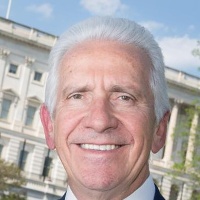
Jim Costa
Representative
CA
Jim Costa
Representative
CA
The Converting Our Waste Sustainably (COWS) Act of 2025 aims to expand successful manure management programs by formally defining and incentivizing "alternative manure management practices" and "composting practices" within the Food Security Act. This bill directs the USDA Secretary to establish new payment structures, prioritize applications that maximize carbon sequestration and emissions reductions, and provide technical assistance for these sustainable farming methods. Ultimately, the legislation seeks to improve environmental health, soil quality, and air quality across the nation's livestock industry.
This resolution expresses support for the official recognition and commemoration of the 1984 Sikh Genocide and calls for accountability for the perpetrators.
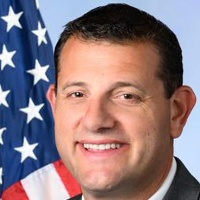
David Valadao
Representative
CA
David Valadao
Representative
CA
This resolution expresses support for recognizing the 1984 Sikh Genocide, acknowledging the systemic violence, trauma, and destruction inflicted upon the Sikh community. It calls for accountability for the perpetrators, including government officials and state institutions involved in the attacks. Furthermore, the bill establishes a U.S. policy to officially recognize this event and rejects any association with its denial.
This Act establishes grant programs to fund law enforcement efforts against online fentanyl sales, public awareness campaigns about fentanyl dangers, and protective equipment for officers.
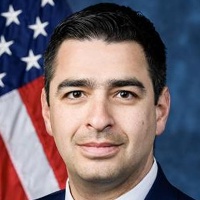
Gabe Evans
Representative
CO
Gabe Evans
Representative
CO
The Combatting Fentanyl Poisonings Act of 2025 establishes several new grant programs managed by the Attorney General to address the fentanyl crisis. These grants will fund local law enforcement efforts to stop social media drug sales, support non-profit organizations in running public awareness campaigns, and equip officers to safely handle fentanyl exposure. The Act specifically allocates funds for enforcement, education, and officer protection related to the dangers of fentanyl.
The Redistricting Reform Act of 2025 mandates the use of independent, nonpartisan commissions to draw fair congressional maps based on strict criteria, while establishing federal court oversight and administrative procedures to ensure compliance.
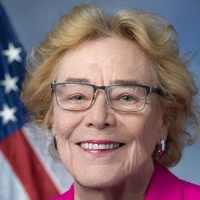
Zoe Lofgren
Representative
CA
Zoe Lofgren
Representative
CA
The Redistricting Reform Act of 2025 fundamentally overhauls congressional map-drawing by mandating the use of independent, non-partisan commissions in every state. This legislation establishes strict, prioritized criteria for map creation, explicitly banning partisan manipulation and requiring maps to prioritize community representation over political advantage. Furthermore, it sets firm deadlines for map enactment and establishes clear federal court procedures to intervene if states fail to adopt a lawful plan. Overall, the bill aims to ensure fairer congressional representation by removing map-drawing authority from state legislatures.
This bill amends the Social Security Act to provide Medicare coverage for FDA-approved multi-cancer early detection screening tests starting in 2028.
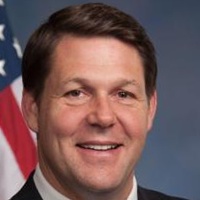
Jodey Arrington
Representative
TX
Jodey Arrington
Representative
TX
The Nancy Gardner Sewell Medicare Multi-Cancer Early Detection Screening Coverage Act amends the Social Security Act to provide Medicare Part B coverage for multi-cancer early detection screening tests starting January 1, 2028. This legislation establishes clear criteria for qualifying tests and outlines payment structures to ensure beneficiaries have access to these advanced diagnostic tools. Importantly, this coverage is designed to complement, rather than replace, existing Medicare-covered cancer screenings.
The FAMILY Act establishes a national paid family and medical leave insurance program administered by the Social Security Administration, providing benefits for caregiving related to serious health conditions or victims of violence.
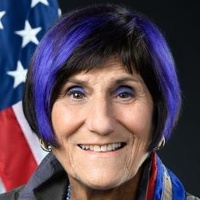
Rosa DeLauro
Representative
CT
Rosa DeLauro
Representative
CT
The FAMILY Act establishes a national Paid Family and Medical Leave Insurance program administered by a new office within the Social Security Administration. This program provides monthly benefits to eligible individuals who take time off for qualified caregiving reasons, including serious health conditions or victims of violence. The Act also sets forth detailed eligibility requirements, benefit calculation formulas, and job protection guarantees for employees utilizing the leave. Finally, it creates a funding mechanism to support existing state-level paid leave programs that meet federal standards.
This Act ensures the automatic continuation of pay for active duty military personnel and essential civilian support staff if Congress fails to pass a budget for fiscal year 2026.
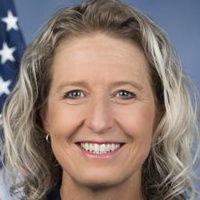
Jennifer Kiggans
Representative
VA
Jennifer Kiggans
Representative
VA
The Pay Our Troops Act of 2026 ensures that active duty military personnel and essential civilian support staff continue to receive their pay if Congress has not yet passed the full budget for fiscal year 2026. This act provides automatic continuing appropriations from the Treasury to prevent a lapse in military salaries due to budget delays. The funding automatically terminates once a new budget or continuing resolution is passed, or on January 1, 2027, whichever comes first.
This bill mandates a study on the energy impact of growing AI and data centers, especially in rural areas, and explores solutions for infrastructure and alternative power sources.
Jim Costa
Representative
CA
Jim Costa
Representative
CA
The Unleashing Low-Cost Rural AI Act mandates a comprehensive study by the Secretary of Energy to assess the impact of growing AI and data center infrastructure on the nation's energy supply. This study must specifically examine energy needs, alternative power sources, and consumer costs, with a special focus on frontier and remote areas. The goal is to identify supply gaps and explore ways to expedite necessary infrastructure permitting.
The UNLOCK Act amends federal housing law to allow local governments to directly use certain federal funds for the construction of new low- and moderate-income housing.
Sam Liccardo
Representative
CA
Sam Liccardo
Representative
CA
The UNLOCK Act amends the Housing and Community Development Act of 1974 to expand how federal housing funds can be used. This legislation now allows local entities to directly use these funds for the construction of new housing specifically for low- and moderate-income residents. The bill removes the requirement for these entities to partner with a nonprofit organization to carry out the new construction projects.
This bill establishes and reauthorizes federal and pilot programs for detecting, tracking, and mitigating unauthorized drones near critical sites and airports, while also updating drone safety information requirements.
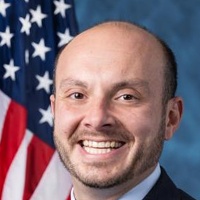
Andrew Garbarino
Representative
NY
Andrew Garbarino
Representative
NY
The Counter-UAS Authority Security, Safety, and Reauthorization Act significantly expands federal authority to detect, track, and neutralize unauthorized drones posing threats to critical infrastructure and national airspace. The bill establishes new coordination requirements between the Department of Homeland Security, the FAA, and the Department of Justice for deploying counter-drone technology, including restrictions on foreign-made equipment. It also creates pilot programs allowing state and local law enforcement to use drone mitigation technology at specific sites and events. Finally, the legislation mandates new safety reporting requirements for drone manufacturers and sets an expiration date of October 1, 2030, for most of the new authorities granted.