
Legislative Activity
Track Maggie's sponsored bills, co-sponsored legislation, and voting record
The EMS Counts Act mandates the Department of Labor to accurately classify dual-role firefighter-EMTs and firefighter-paramedics in federal occupational statistics to ensure proper resource allocation for emergency services.

Glenn Thompson
Representative
PA
Glenn Thompson
Representative
PA
The EMS Counts Act addresses the critical undercounting of Emergency Medical Services (EMS) personnel by the Bureau of Labor Statistics. This bill mandates that the Secretary of Labor update occupational classifications to explicitly recognize dual-role firefighter-EMTs and firefighter-paramedics. By accurately counting all EMS practitioners, this legislation aims to improve federal planning for emergency response and disaster preparedness.
This resolution urgently calls for the immediate delivery of humanitarian aid to address the severe hunger crisis in Gaza and demands the administration use all diplomatic means to secure hostage release and end the fighting.

Pramila Jayapal
Representative
WA
Pramila Jayapal
Representative
WA
This resolution formally expresses the House of Representatives' grave concern over the severe humanitarian crisis and widespread suffering of civilians in Gaza, alongside the plight of hostages. It urgently calls on the Administration to use all diplomatic tools to secure the release of all hostages. Furthermore, the bill demands the immediate delivery and secure distribution of essential humanitarian aid to address the catastrophic hunger crisis in Gaza.
This bill mandates that Small Business Development Centers and Women's Business Centers actively connect small businesses with graduates and resources from Career and Technical Education programs.
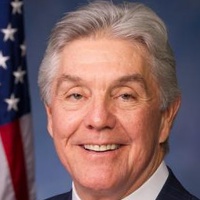
Roger Williams
Representative
TX
Roger Williams
Representative
TX
The Connecting Small Businesses with Career and Technical Education Graduates Act of 2025 aims to strengthen the pipeline between skilled CTE graduates and small businesses. This legislation mandates that Small Business Development Centers (SBDCs) and Women's Business Centers actively educate businesses on hiring CTE graduates and connect these programs with entrepreneurial resources. The bill officially defines CTE by referencing existing federal law to ensure consistent standards.
This act requires the Small Business Administration to report to Congress on the specific challenges, current resources, and unmet needs of entrepreneurs with disabilities.

Morgan McGarvey
Representative
KY
Morgan McGarvey
Representative
KY
The Entrepreneurs with Disabilities Reporting Act of 2025 requires the Small Business Administration (SBA) to submit a comprehensive report to Congress detailing the specific challenges faced by entrepreneurs with disabilities. This report must analyze current SBA resources, outreach efforts, and identify gaps in support for this community. Ultimately, the Act aims to uncover necessary improvements and suggest legislative actions to better support disabled business owners.
This Act establishes a partnership between the Small Business Administration and the National Council on Disability to increase employment opportunities for individuals with disabilities, particularly within small businesses.
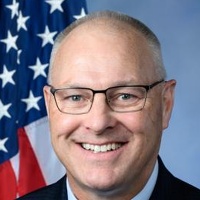
Pete Stauber
Representative
MN
Pete Stauber
Representative
MN
The ThinkDIFFERENTLY About Disability Employment Act establishes a partnership between the Small Business Administration (SBA) and the National Council on Disability to significantly increase employment opportunities for individuals with disabilities, particularly within small businesses. This collaboration focuses on supporting entrepreneurship, assisting small businesses with hiring and accessibility, and coordinating efforts through formal agreements. The SBA is required to report on the progress and future plans for expanding these opportunities two years after enactment, utilizing existing budgets for implementation.
This Act mandates that federal agencies provide clear reasons and future plans when cancelling small business contract solicitations and requires agency directors to assist affected small businesses in finding alternative opportunities.
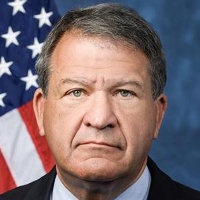
George Latimer
Representative
NY
George Latimer
Representative
NY
The Transparency and Predictability in Small Business Opportunities Act aims to provide small businesses with greater clarity when the government cancels a federal contract solicitation they bid on. The bill mandates that federal agencies must publicly disclose the reasons for cancellation and any plans to reissue the opportunity. Furthermore, it establishes a process where small businesses whose bids are cancelled without reissue will be referred to an agency director to help them find alternative contracting opportunities.
This Act requires federal agencies to write contract opportunity notices for small businesses in clear, plain language on the main government website.
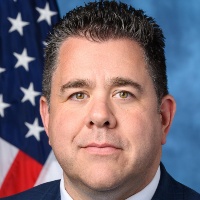
Nicolas LaLota
Representative
NY
Nicolas LaLota
Representative
NY
The Plain Language in Contracting Act requires federal agencies to write contract opportunity notices for small businesses in a clear, concise, and easily understandable manner. This ensures small businesses can quickly find and comprehend relevant government contract postings on the main federal website. The Small Business Administration is tasked with establishing the rules to implement these clarity standards.
This bill mandates that only formally certified Women-Owned Small Businesses (WOSBs) count toward federal contracting goals, excluding those that are self-certified.
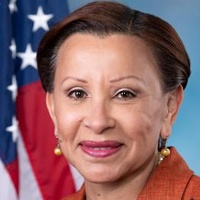
Nydia Velázquez
Representative
NY
Nydia Velázquez
Representative
NY
The WOSB Accountability Act mandates that federal agencies only count formally certified Women-Owned Small Businesses (WOSBs) toward their contracting goals, excluding those that are only self-certified. This change ensures greater accuracy in tracking government support for legitimate WOSBs. The Small Business Administration (SBA) is required to establish new rules for this process and provide regular progress reports to Congress.
This act mandates that FHA loan disclosures include comparable VA loan information and requires lenders to ask about military service on standard loan applications.

Brittany Pettersen
Representative
CO
Brittany Pettersen
Representative
CO
The VA Loan Informed Disclosure Act of 2025 (VALID Act) aims to increase awareness of VA loan options among homebuyers. It requires lenders to include comparative information about potential VA loan terms on standard FHA disclosure forms. Furthermore, the Act mandates that the Uniform Residential Loan Application include a prominent question regarding the applicant's military service.
The VET PFAS Act expands VA healthcare and disability benefits for veterans and their families exposed to toxic PFAS chemicals at military installations by establishing presumptions of service connection for related illnesses.
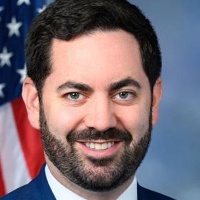
Michael Lawler
Representative
NY
Michael Lawler
Representative
NY
The VET PFAS Act expands healthcare and disability benefits for veterans and their families exposed to toxic PFAS chemicals, like PFOA, at contaminated military installations. It establishes a presumption of service connection for specific related illnesses, making it easier for veterans to receive disability compensation. Furthermore, the bill grants eligible family members access to VA medical care, contingent upon future appropriations. The VA is also required to report annually on the implementation and utilization of these new provisions for three years.
This bill allows National Guard and Reserve members eligible for federal employee health benefits to enroll in TRICARE Reserve Select starting January 1, 2026.
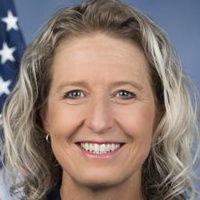
Jennifer Kiggans
Representative
VA
Jennifer Kiggans
Representative
VA
The Servicemember Healthcare Freedom Act of 2025 aims to ensure continuous healthcare coverage for National Guard and Reserve members who are also federal employees. This bill removes the current restriction preventing these service members from enrolling in TRICARE Reserve Select (TRS) if they are eligible for the Federal Employee Health Benefits (FEHB) program. By allowing earlier enrollment in TRS starting January 1, 2026, the Act seeks to eliminate potential healthcare gaps during mobilization.
This act establishes fixed, non-renewable 18-year terms for future Supreme Court Justices and outlines a staggered appointment schedule, while also creating a temporary mechanism for filling vacancies below the nine-justice quorum.

Henry Johnson
Representative
GA
Henry Johnson
Representative
GA
The Supreme Court Tenure Establishment and Retirement Modernization Act of 2025 establishes fixed, non-renewable 18-year terms for all future Supreme Court Justices, with appointments staggered every two years. This legislation also outlines a process for phasing out current Justices upon the confirmation of new appointees. Finally, it grants the Chief Justice the authority to temporarily fill sudden vacancies below the standard nine-justice level using a randomly selected retired Justice.
This Act restricts the use of federal funds for a U.S. nuclear first strike unless the President deems it necessary and Congress is notified seven days prior, except in cases of declared war, prior nuclear attack, or launch-on-warning scenarios.

Scott Peters
Representative
CA
Scott Peters
Representative
CA
The Nuclear First-Strike Security Act of 2025 places strict limitations on the use of federal funds to initiate a nuclear attack. Under this Act, a first-use nuclear strike requires a presidential determination that it is in the U.S. best interest, followed by a mandatory seven-day notification to top Congressional leaders. This notification requirement is waived only in cases of a formal declaration of war, a prior nuclear attack on the U.S. or an ally, or during a confirmed launch-on-warning scenario.
The ASSIST Act of 2025 clarifies that medically necessary automobile adaptations are covered under VA medical services and extends certain limits on veteran pension payments.
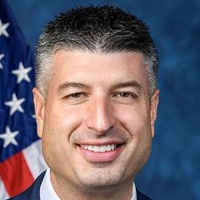
Tom Barrett
Representative
MI
Tom Barrett
Representative
MI
The ASSIST Act of 2025 clarifies that medically necessary automobile adaptations for veterans are officially covered under Department of Veterans Affairs (VA) medical services. This ensures essential vehicle modifications for safe driving and mobility are recognized as part of veteran medical benefits. Additionally, the bill extends the expiration date for certain limits on veterans' pension payments.
This Act establishes the new Forest Conservation Easement Program to protect and restore private and Tribal forests through easements, while simultaneously repealing the existing Healthy Forests Reserve Program.
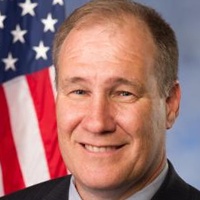
Trent Kelly
Representative
MS
Trent Kelly
Representative
MS
The Forest Conservation Easement Program Act of 2025 establishes a new federal program to protect and restore private and Tribal forest lands through conservation easements. This program offers two types of easements—Forest Land and Forest Reserve—with federal cost-share assistance available to eligible entities and landowners, prioritizing working forests and species recovery. The Act also allocates $100 million annually for this new program from 2026 through 2030 while simultaneously repealing the existing Healthy Forests Reserve Program, ensuring existing contracts remain honored. Finally, Congress stipulates that the costs associated with implementing this Act must be offset by savings or new revenue.
This Act reinstates and extends the ability for taxpayers to deduct personal casualty losses from unexpected events like crimes, scams, and disasters without previous limitations.
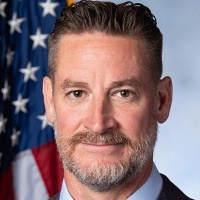
W. Steube
Representative
FL
W. Steube
Representative
FL
The Tax Relief for Victims of Crimes, Scams, and Disasters Act reinstates and removes limitations on the federal income tax deduction for personal casualty losses resulting from unexpected events like fires or floods. This legislation also extends the deadline for taxpayers to file claims for refunds related to these casualty loss deductions for past tax years. These changes apply to tax years beginning after December 31, 2017.
This Act allows former federally funded highway land to be transferred to local entities or approved private developers for the purpose of building long-term affordable housing.
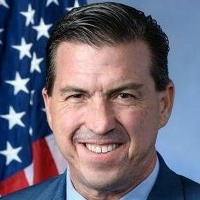
Kevin Mullin
Representative
CA
Kevin Mullin
Representative
CA
The Empty Lots to Housing Act streamlines the process for transferring federally funded, unneeded real property to local entities or qualified private developers. This transfer is contingent upon the recipient agreeing to long-term affordability requirements for the resulting housing. Specifically, at least 40% of new units must be affordable for low-income families, with a portion reserved for extremely low-income households.
The EAGLE Act of 2025 establishes a federal grant program to help small local law enforcement agencies cover the costs of achieving or maintaining professional accreditation.

Chris Pappas
Representative
NH
Chris Pappas
Representative
NH
The EAGLE Act of 2025 establishes a new federal grant program to help small, local law enforcement agencies cover the costs associated with achieving or renewing official professional accreditation. This funding is specifically designated to pay for accreditation fees, on-site assessments, and related expenses from recognized organizations like CALEA. The program is funded with $10 million for Fiscal Year 2025 to support agencies with fewer than 350 employees.
This bill mandates that school food service worker training must be paid, occur during work hours when possible, and prohibits penalizing staff for non-attendance.
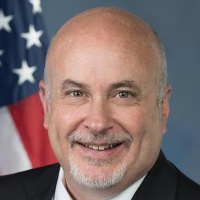
Mark Pocan
Representative
WI
Mark Pocan
Representative
WI
The Improving Training for School Food Service Workers Act of 2025 establishes new federal standards for required training programs for school food service personnel. This bill mandates that all required training must be paid for by the employer, conducted during regular work hours whenever possible, and offered at no cost to the employee. Furthermore, the Act strictly prohibits employers from penalizing staff who are unable to attend training sessions.
This Act enhances the FAA's Collegiate Training Initiative, establishes new grant programs, funds training equipment, creates retention incentives for air traffic controllers, and mandates improvements to mental health support and airport radar safety reporting.

Nicholas Begich
Representative
AK
Nicholas Begich
Representative
AK
The Air Traffic Control Workforce Development Act of 2025 aims to strengthen the air traffic control pipeline by improving the Collegiate Training Initiative (CTI) program and establishing new grants for participating colleges. The bill also funds new training equipment and creates financial incentives to both encourage trainees to complete their certification and retain experienced controllers. Finally, it mandates improvements to mental health support for controllers and requires a report on the future of airport radar safety systems.