Legislative Activity
Track Brandon's sponsored bills, co-sponsored legislation, and voting record
The "Death Tax Repeal Act" eliminates estate and generation-skipping transfer taxes, adjusts gift tax calculations, and sets a $10,000,000 lifetime gift exemption.
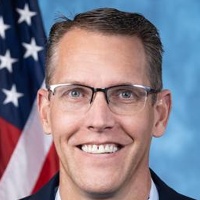
Randy Feenstra
Representative
IA
Randy Feenstra
Representative
IA
The "Death Tax Repeal Act" eliminates both estate and generation-skipping transfer taxes, effective from the date of enactment. It adjusts gift tax calculations by setting the lifetime gift exemption at $10,000,000, with inflation adjustments after 2011. The Act also includes transitional rules for applying certain sections of the Internal Revenue Code during the enactment year.
The "More Homes on the Market Act" increases the tax exclusion for profit from the sale of a primary residence, incentivizing homeowners to sell and increasing housing supply.
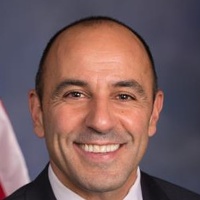
Jimmy Panetta
Representative
CA
Jimmy Panetta
Representative
CA
The "More Homes on the Market Act" increases the tax exclusion for profit from the sale of a primary residence, raising it to $500,000 for single filers and $1,000,000 for married couples filing jointly. These amounts will be adjusted for inflation starting in 2025. This change encourages homeowners to sell their properties, thereby increasing the availability of homes on the market.
The Midnight Rules Relief Act allows Congress to bundle and overturn multiple federal agency regulations finalized during the final year of a presidential term through a single joint resolution of disapproval.
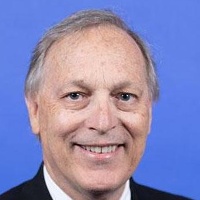
Andy Biggs
Representative
AZ
Andy Biggs
Representative
AZ
The Midnight Rules Relief Act streamlines the congressional review process by allowing lawmakers to bundle multiple federal agency rules issued during a President’s final year into a single joint resolution of disapproval. This legislation simplifies the process for overturning "midnight rules," enabling Congress to vote on several regulations simultaneously rather than individually.
Prohibits banks and credit card companies from using specific codes that identify gun and ammunition stores.
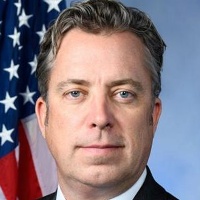
Andrew Ogles
Representative
TN
Andrew Ogles
Representative
TN
The "Protecting the Second Amendment in Financial Services Act" prevents banks and credit card companies from using specific merchant codes that would identify businesses selling firearms or ammunition. This ensures that financial institutions cannot track or discriminate against legal firearm-related transactions.
The "National Right-to-Work Act" prohibits mandatory union membership as a condition of employment, protecting employees' rights to choose whether or not to join or support a labor union.
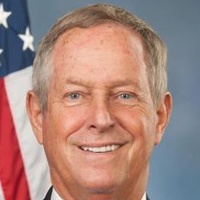
Joe Wilson
Representative
SC
Joe Wilson
Representative
SC
The "National Right-to-Work Act" amends both the National Labor Relations Act and the Railway Labor Act to protect an employee's right to choose whether or not to join or support a labor union. It eliminates the possibility of mandatory union membership or dues payments as a condition of employment, ensuring that employees cannot be forced to join or support a union against their will.
The United States-Israel Defense Partnership Act of 2025 bolsters defense cooperation between the U.S. and Israel through joint programs, funding increases, and extended authorities related to countering unmanned systems, anti-tunnel technology, emerging technologies, and war reserve stockpiles, while also exploring Israel's inclusion in the national technology and industrial base and assessing integrated air and missile defense in the CENTCOM region.
Joe Wilson
Representative
SC
Joe Wilson
Representative
SC
The United States-Israel Defense Partnership Act of 2025 seeks to bolster the defense relationship between the United States and Israel through joint initiatives and increased cooperation. It establishes programs to counter unmanned systems, extend anti-tunnel and counter-UAS cooperation, and promote collaboration in emerging technologies like AI and cybersecurity. The act also mandates the establishment of a Defense Innovation Unit office in Israel and assesses integrated air and missile defense in the U.S. Central Command region. Finally, it explores Israel's potential inclusion in the national technology and industrial base.
The SAFE for America Act of 2025 eliminates the diversity visa program, effective October 1, 2025.
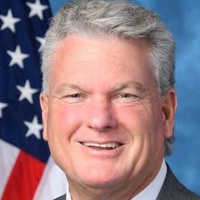
Mike Collins
Representative
GA
Mike Collins
Representative
GA
The SAFE for America Act of 2025 eliminates the Diversity Visa Program, which makes visas available to persons from countries with low rates of immigration to the United States. This is achieved through repealing subsection (c) of Section 203 of the Immigration and Nationality Act. The Act also makes corresponding technical amendments to other sections of the Immigration and Nationality Act to reflect this change. These changes would take effect beginning October 1, 2025.
This bill seeks to reimburse the State of Texas for expenses incurred while securing the southern border between 2021 and 2025 due to the Federal Government's lack of action.
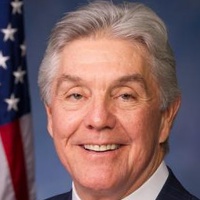
Roger Williams
Representative
TX
Roger Williams
Representative
TX
The "Operation Lone Star Reimbursement Act" seeks to reimburse the State of Texas for the $11.1 billion in expenses incurred for securing the southern border between 2021 and 2025 due to the Federal Government's lack of action. The Governor of Texas must apply for reimbursement from the Department of Homeland Security and the Treasury, including a detailed list of expenses. The Secretary of Homeland Security will review the application and determine eligible expenses, and the Treasury Secretary will then pay Texas the reimbursable amount from unallocated funds.
Repeals the Impoundment Control Act of 1974, eliminating congressional oversight of presidential decisions to withhold funds.
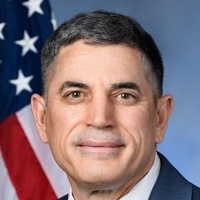
Andrew Clyde
Representative
GA
Andrew Clyde
Representative
GA
This bill repeals the Impoundment Control Act of 1974, eliminating the requirements for the President to report to Congress on decisions to withhold or delay spending of appropriated funds. This removes the process by which Congress can approve or disapprove of these presidential actions.
The FIRM Act of 2025 increases visa application fees for foreign nationals from countries that deny or delay accepting their deported citizens, are state sponsors of terrorism, or are listed as Tier 3 countries in the State Department's Trafficking in Persons report.
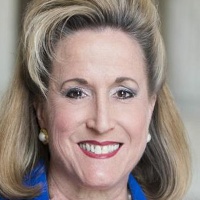
Ann Wagner
Representative
MO
Ann Wagner
Representative
MO
The "Fee Increases for Reckless Mismanagement Act of 2025" or "FIRM Act of 2025" increases visa application fees for foreign nationals from countries that deny or delay accepting their deported citizens, are state sponsors of terrorism, or are listed as Tier 3 countries in the State Department's Trafficking in Persons report. The fee increase will be between 50% and 150% depending on how many criteria the country meets. The Secretary of State will review these determinations monthly to decide if any increases should be reduced or applied to additional countries.
This bill allows states to use Medicaid to pay primary care providers directly, including through value-based care models, and requires a report on the quality and cost of these arrangements.
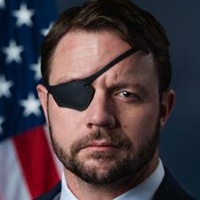
Dan Crenshaw
Representative
TX
Dan Crenshaw
Representative
TX
The "Medicaid Primary Care Improvement Act" allows states to use Medicaid funds for direct agreements with healthcare providers, including value-based care models and direct primary care arrangements. It requires the Secretary of Health and Human Services to gather input and issue guidance to states on implementing these arrangements. Additionally, the Act mandates a report to Congress analyzing state contracts with independent physicians and the quality/cost of care in direct primary care arrangements within Medicaid. This aims to improve primary care access and quality within the Medicaid program without altering existing cost-sharing or limiting medical assistance.
This bill restricts federal funds to non-profits that fail to certify compliance with laws against human trafficking and alien smuggling, and directs the Department of Homeland Security to develop strategies to combat these issues.
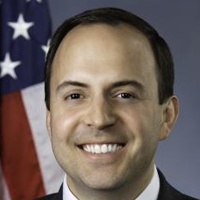
Lance Gooden
Representative
TX
Lance Gooden
Representative
TX
The "Protecting Federal Funds from Human Trafficking and Smuggling Act of 2025" restricts federal funding to non-profit organizations that do not certify compliance with federal laws on human trafficking, alien smuggling, fraud, and bribery. It also directs the Secretary of Homeland Security to develop strategies and best practices for non-profits to comply with federal law, detect and report violations, and improve cooperation with law enforcement. Additionally, the Comptroller General is required to report to Congress on any violations by non-profit entities.
This bill prohibits the President from declaring a moratorium on hydraulic fracturing without explicit Congressional authorization and affirms state authority over oil and gas regulation.
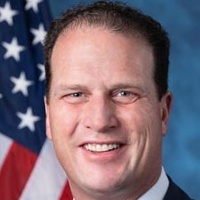
August Pfluger
Representative
TX
August Pfluger
Representative
TX
The Protecting American Energy Production Act prohibits the President from declaring a moratorium on hydraulic fracturing without explicit authorization from Congress. Additionally, the bill affirms that states should maintain primary regulatory authority over hydraulic fracturing activities on state and private lands.
Mandates the disclosure of third parties entitled to payment from civil action settlements or judgments to ensure transparency.
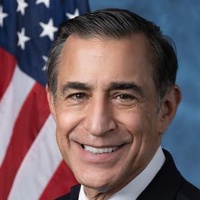
Darrell Issa
Representative
CA
Darrell Issa
Representative
CA
The Litigation Transparency Act of 2025 requires parties in civil actions to disclose the identity of any third party entitled to payment contingent on the outcome of the case, along with the relevant agreements. This disclosure aims to increase transparency in civil litigation by revealing who financially benefits from the lawsuit's outcome. Certain payments, such as loan repayments and attorney's fees, are exempt from this disclosure requirement. The Act applies to both ongoing and future court cases.
Repeals a mandate requiring kill switches in cars.
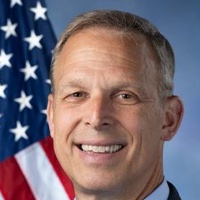
Scott Perry
Representative
PA
Scott Perry
Representative
PA
The "No Kill Switches in Cars Act" repeals a section of the Infrastructure Investment and Jobs Act. The repealed section required the Department of Transportation to create a rule mandating that all new cars have advanced drunk and impaired driving prevention technology. This bill prohibits the government from requiring car manufacturers to install kill switches in vehicles.
The REAL Meat Act of 2025 prohibits federal funds from supporting cell-cultured meat production, research, or promotion, except for NASA's use of it for off-planet consumption.
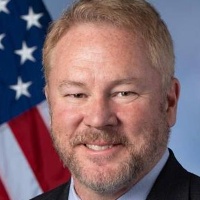
Warren Davidson
Representative
OH
Warren Davidson
Representative
OH
The "REAL Meat Act of 2025" prohibits federal funding for cell-cultured meat production, research, and promotion, defining it as lab-grown meat from animal cells. An exception is made, allowing NASA to use federal funds for cell-cultured meat intended for consumption off-planet.
This bill abolishes the United States Agency for International Development (USAID), redirecting its assets and responsibilities to the Secretary of State.
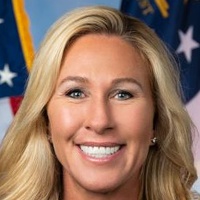
Marjorie Greene
Representative
GA
Marjorie Greene
Representative
GA
This bill proposes to eliminate the United States Agency for International Development (USAID). It would cut off all federal funding to USAID starting from the bill's enactment date. Any unspent funds previously allocated to USAID would be rescinded and transferred to the Secretary of State, along with all remaining assets and liabilities of the agency.
The Safe Passage on Interstates Act of 2025 establishes federal criminal penalties for individuals who knowingly obstruct, interfere with, or endanger the normal flow of traffic on interstate highways.
Mike Collins
Representative
GA
Mike Collins
Representative
GA
The Safe Passage on Interstates Act of 2025 establishes federal criminal penalties for knowingly obstructing or interfering with the normal use of an interstate highway. The bill imposes significant fines and prison sentences for activities that delay traffic, endanger motorists, or impede emergency vehicles. Lawful activities authorized by government entities remain exempt from these prohibitions.
The Marc Fischer Memorial Act mandates the implementation of a comprehensive digital mail scanning strategy across all federal prisons to detect and interdict synthetic drugs like fentanyl.
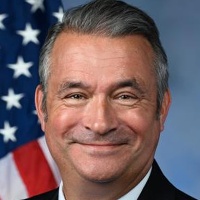
Don Bacon
Representative
NE
Don Bacon
Representative
NE
The Marc Fischer Memorial Act mandates that the Bureau of Prisons implement a comprehensive strategy to achieve 100% digital scanning of all inmate mail to interdict fentanyl and other synthetic drugs. By transitioning to digital mail processing, the Act aims to protect staff and inmates from lethal exposure, improve institutional security, and alleviate the administrative burden on correctional personnel.
The "UNPLUG EVs Act" rescinds unspent funds from electric vehicle charging and fueling grant programs and the National Electric Vehicle Infrastructure Formula Program to reduce the federal deficit.
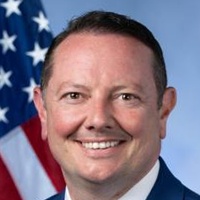
Eric Burlison
Representative
MO
Eric Burlison
Representative
MO
The "UNPLUG EVs Act" rescinds any unspent funds allocated for electric vehicle charging and fueling grants, as well as funds from the National Electric Vehicle Infrastructure Formula Program. The recovered funds will be deposited into the Treasury's general fund and used to reduce the federal deficit.