Legislative Activity
Track Laura's sponsored bills, co-sponsored legislation, and voting record
The Iran Human Rights, Internet Freedom, and Accountability Act of 2026 aims to support the Iranian people by expanding internet access, strengthening sanctions against regime officials, and establishing a Treasury initiative to combat Iranian government corruption and kleptocracy.
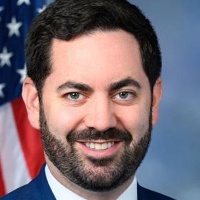
Michael Lawler
Representative
NY
Michael Lawler
Representative
NY
The Iran Human Rights, Internet Freedom, and Accountability Act of 2026 aims to support the Iranian people by expanding access to uncensored internet and communication technologies. The bill strengthens U.S. policy against regime repression by mandating investigations into human rights abuses and establishing a new Treasury initiative to combat corruption and money laundering by Iranian officials. Additionally, it enhances congressional oversight of sanctions and promotes independent media to counter state-sponsored censorship.
This act awards the Congressional Gold Medal to the Freedom House Ambulance Service in recognition of its pioneering role in developing the modern paramedic system and its contributions to emergency medical services.
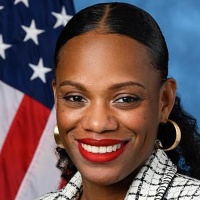
Summer Lee
Representative
PA
Summer Lee
Representative
PA
The Freedom House Ambulance Service Congressional Gold Medal Act honors the pioneering Pittsburgh-based service that established the model for modern emergency medical care. As the nation’s first paramedic program, Freedom House revolutionized life-saving techniques while providing vital job training to the Black community. This legislation awards a Congressional Gold Medal to the service to commemorate its enduring contributions to both medical innovation and civil rights.
This bill exempts specific less-than-lethal projectile devices from federal firearm restrictions, excise taxes, and National Firearms Act regulations to promote de-escalation innovation in law enforcement.
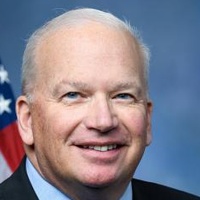
Scott Fitzgerald
Representative
WI
Scott Fitzgerald
Representative
WI
The Law-Enforcement Innovate to De-Escalate Act aims to promote de-escalation by exempting specific, clearly defined less-than-lethal projectile devices from federal firearm restrictions and excise taxes. This legislation provides a formal process for determining which devices qualify for these exemptions under both federal law and the National Firearms Act. The bill also modernizes tax regulations by exempting qualifying less-than-lethal devices and their ammunition from federal excise taxes.
The Representing our Seniors at VA Act of 2026 updates the membership requirements of the VA Geriatrics and Gerontology Advisory Committee to include representatives from veterans service organizations, State homes, and nursing home administration.
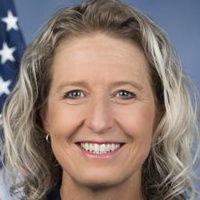
Jennifer Kiggans
Representative
VA
Jennifer Kiggans
Representative
VA
The Representing our Seniors at VA Act of 2026 updates the membership requirements for the Department of Veterans Affairs Geriatrics and Gerontology Advisory Committee. This legislation ensures the committee includes diverse representation from veterans service organizations, State homes, and licensed nursing home administrators to better support aging veterans.
This Act establishes the United States-Israel Defense Technology Cooperation Initiative to accelerate joint research, development, and integration of defense technologies between the two nations.
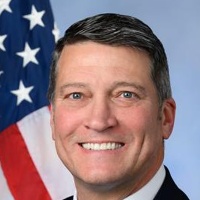
Ronny Jackson
Representative
TX
Ronny Jackson
Representative
TX
This bill establishes the United States-Israel Defense Technology Cooperation Initiative to accelerate joint research, development, and integration of critical defense technologies. The initiative focuses on key areas like AI, missile defense, and counter-drone systems to enhance the security and technological edge of both nations. It mandates regular reporting to Congress on progress and authorizes funding for fiscal years 2027 through 2029.
This bill establishes the Coastal Storm Risk Management Trust Fund, funded by offshore energy revenues, to finance federal costs for coastal storm risk management projects.
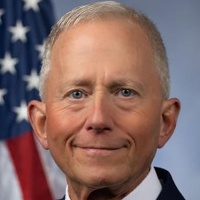
Jefferson Van Drew
Representative
NJ
Jefferson Van Drew
Representative
NJ
This bill establishes the Coastal Storm Risk Management Trust Fund, funded annually by $\$1$ billion from offshore energy revenues. The fund provides dedicated resources for the federal share of costs related to authorized coastal storm risk management projects carried out by the Secretary of the Army. It also creates specific budgetary treatment for appropriations drawn from this fund.
This bill officially renames the United States Postal Service facility in Martville, New York, as the "Sergeant Staret J. Engleston Memorial Post Office Building."
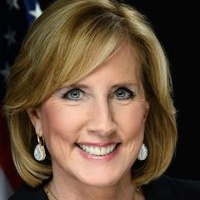
Claudia Tenney
Representative
NY
Claudia Tenney
Representative
NY
This bill officially renames the United States Postal Service facility in Martville, New York, located at 15422 NY 104. The building will now be known as the "Sergeant Staret J. Engleston Memorial Post Office Building." This designation must be used in all future official federal references to the facility.
This act establishes new federal safety standards requiring motorcoaches to provide drivers with a minimally obstructed forward-facing view, allowing for compliance through camera technology.
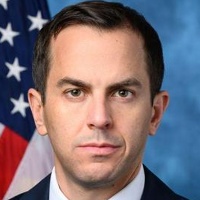
Robert Menendez
Representative
NJ
Robert Menendez
Representative
NJ
The Safe Intersections for Buses and Pedestrians Act mandates the creation of new federal safety standards to ensure bus drivers have a minimally obstructed forward-facing view. This requires the Secretary of Transportation to establish these standards within one year of enactment. Motorcoaches may meet this requirement through direct visibility or approved camera technology that enhances the driver's field of vision.
This bill directs the Secretary of Commerce to collect and publish standardized, up-to-date geospatial data on fishing and recreational vessel restrictions in federally managed ocean areas.
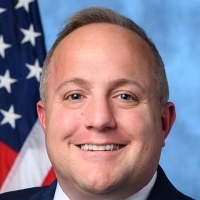
Russell Fry
Representative
SC
Russell Fry
Representative
SC
The Modernizing Access to Our Public Oceans Act directs the Secretary of Commerce to collect and publish comprehensive, up-to-date information on fishing restrictions in federally managed fisheries on a public website. This legislation also mandates the standardization of geospatial data related to ocean activities and marine protected areas. The goal is to improve accessibility and interoperability of critical ocean use information for the public, while explicitly preserving existing regulatory authority and Tribal rights.
This bill impeaches Secretary of Homeland Security Kristi Lynn Arnold Noem for high crimes and misdemeanors, citing willful refusal to comply with oversight law, violating the Impoundment Control Act, directing unlawful ICE misconduct, and misusing federal funds for personal gain.
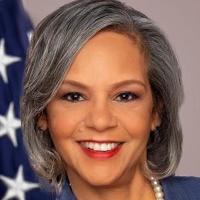
Robin Kelly
Representative
IL
Robin Kelly
Representative
IL
This resolution initiates impeachment proceedings against Secretary of Homeland Security Kristi Lynn Arnold Noem for high crimes and misdemeanors. The articles of impeachment charge her with willfully refusing to comply with Congressional oversight laws and violating the Impoundment Control Act by improperly withholding funds. Further articles allege she directed widespread misconduct by ICE agents that violated federal law and constitutional rights, and misused taxpayer funds for personal gain through improper contracting.
This bill expresses support for the Iranian people protesting for a free and democratic Iran while condemning the Islamic Republic's violent repression.
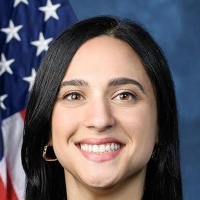
Yassamin Ansari
Representative
AZ
Yassamin Ansari
Representative
AZ
This resolution expresses strong support for the Iranian people protesting for freedom, democracy, and basic human rights against the repressive Islamic Republic. It condemns the regime's brutal crackdown on demonstrators and demands an end to violence and the release of political prisoners. Furthermore, it urges the U.S. government to work with allies to deter further lethal violence against protesters.
This bill establishes a special base pay system that increases the salaries of Bureau of Prisons correctional officers and certain hourly employees by 35 percent for a five-year period, subject to review.

Dan Goldman
Representative
NY
Dan Goldman
Representative
NY
The Federal Correctional Officer Paycheck Protection Act of 2026 establishes a special pay system to increase the base pay for Bureau of Prisons (BOP) correctional officers by 35 percent. This legislation also provides a similar 35 percent wage increase for certain hourly BOP employees involved in inmate custody. The new pay authority is set to expire after five years, unless the Department of Justice Inspector General reports measurable progress in reducing the use of non-custodial staff for officer duties and excessive overtime.
This Act establishes a federal crime for unlawfully compelling a minor to engage in harmful acts, including self-harm, animal crushing, or sexually explicit conduct, through coercion or manipulation.
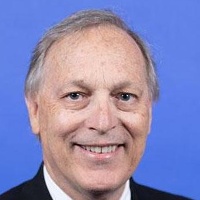
Andy Biggs
Representative
AZ
Andy Biggs
Representative
AZ
The Coercion and Sexual Abuse Free Environment (CSAFE) Act establishes a new federal crime for intentionally compelling a minor to engage in harmful acts, including self-harm, animal crushing, or abusive nonsexual or sexually explicit conduct. This law applies when using mail, interstate commerce, or within U.S. jurisdiction, defining "compel" to include threats, fraud, or manipulation. Penalties range up to 10 years imprisonment, increasing significantly if serious bodily injury or death results.
This act expands federal child sexual exploitation laws to prohibit coercing a minor to be depicted in sexually explicit conduct, even if the minor did not physically participate in the act.
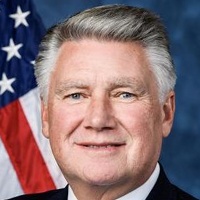
Mark Harris
Representative
NC
Mark Harris
Representative
NC
The Child Predators Accountability Act strengthens federal laws against child sexual exploitation. This legislation expands prohibited acts to explicitly cover coercing a minor to be *depicted* in sexually explicit conduct, even if the minor did not physically participate in the act itself. The bill clarifies that intentionally depicting a minor in such content constitutes a violation.
The James T. Woods Act, or COP Act, establishes a federal crime for threatening to distribute child sexual abuse material to coerce a minor into creating new explicit content.
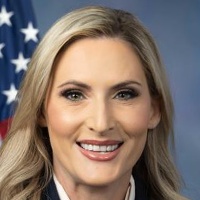
Laurel Lee
Representative
FL
Laurel Lee
Representative
FL
The James T. Woods Act, also known as the COP Act, establishes a new federal crime targeting individuals who threaten to distribute child sexual abuse material. This prohibition specifically targets threats made with the intent to coerce a minor into creating and sending new explicit material. The bill amends existing federal laws to ensure these coercive threats carry appropriate penalties.
This bill modifies deposits into the Crime Victims Fund by excluding certain False Claims Act recoveries and mandates an Inspector General audit of the Fund's sustainability.
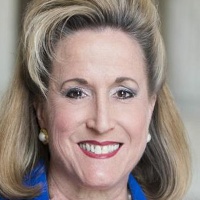
Ann Wagner
Representative
MO
Ann Wagner
Representative
MO
This bill amends the Victims of Crime Act of 1984 to temporarily exclude certain False Claims Act recoveries from being deposited into the Crime Victims Fund through fiscal year 2029. It also mandates a comprehensive audit by the Department of Justice Inspector General on the Fund's sustainability and the impact of recent legislative changes. The resulting report will provide recommendations for improving the Fund's effectiveness and oversight.
This resolution recognizes the 15th anniversary of the 2011 Tucson shooting, honoring the victims, survivors, and the ongoing advocacy of Gabby Giffords.
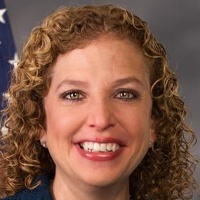
Debbie Wasserman Schultz
Representative
FL
Debbie Wasserman Schultz
Representative
FL
This resolution commemorates the 15th anniversary of the tragic January 8, 2011, Tucson shooting, honoring the six lives lost and the thirteen injured. It specifically commends the courage and ongoing advocacy of gun violence survivor and former Congresswoman Gabby Giffords. The resolution also recognizes the resilience of the community and reaffirms a commitment to ending political violence.
This bill temporarily funds the FAA using the Aviation Insurance Revolving Fund during a lapse in appropriations and extends non-premium war risk insurance provisions.
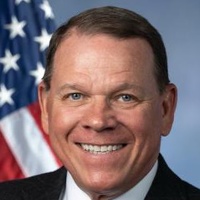
Sam Graves
Representative
MO
Sam Graves
Representative
MO
The Aviation Funding Solvency Act establishes a temporary mechanism to ensure the Federal Aviation Administration (FAA) can continue essential operations if Congress fails to pass regular appropriations. This allows the FAA Administrator to draw upon the Aviation Insurance Revolving Fund to maintain operations at the previous year's funding rate. The temporary funding ceases once a new appropriation or continuing resolution is enacted. The bill also makes a technical amendment regarding non-premium war risk insurance.
This bill imposes comprehensive sanctions on Russia for its war against Ukraine while permanently extending the U.S. sanctions authority against Iran.
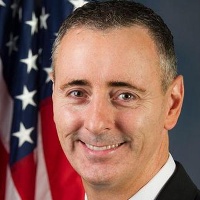
Brian Fitzpatrick
Representative
PA
Brian Fitzpatrick
Representative
PA
The Peace Through Strength Against Russia Act of 2025 imposes comprehensive sanctions on Russia's financial, military, and energy sectors in response to its war against Ukraine. This legislation cuts off major Russian banks from the U.S. financial system and bans new American investment in Russia. Additionally, the bill makes the existing sanctions authority against Iran permanent by removing its expiration date.
This bill authorizes Congress to award Congressional Gold Medals to the 1980 U.S. Men's Olympic Ice Hockey team for their historic "Miracle on Ice" victory.
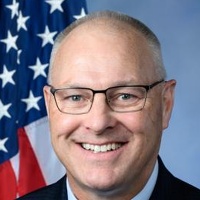
Pete Stauber
Representative
MN
Pete Stauber
Representative
MN
This bill, the Miracle on Ice Congressional Gold Medal Act, officially authorizes Congress to award Congressional Gold Medals to the 1980 U.S. Men's Olympic Ice Hockey Team for their historic "Miracle on Ice" victory. The medals will be struck by the Treasury and permanently displayed at specific national sports museums. The Act also permits the sale of duplicate bronze medals to cover production costs.