Legislative Activity
Track Chuy's sponsored bills, co-sponsored legislation, and voting record
The VA Employee Fairness Act of 2025 streamlines collective bargaining rules for Veterans Health Administration employees by modifying existing statutes while preserving the Secretary's authority regarding incentive pay and expedited hiring.
Mark Takano
Representative
CA
Mark Takano
Representative
CA
The VA Employee Fairness Act of 2025 modifies the collective bargaining rules for employees of the Veterans Health Administration (VHA) by streamlining existing statutes. This act removes outdated subsections related to bargaining and renumbers the remaining relevant section. Importantly, these changes do not affect the Secretary of Veterans Affairs' existing authority regarding incentive pay or expedited hiring processes.
This act establishes research grants and training programs to develop and implement PFAS-free, next-generation turnout gear to protect firefighters from occupational illness and injury.

Debbie Dingell
Representative
MI
Debbie Dingell
Representative
MI
The PFAS Alternatives Act aims to protect firefighters by funding research and development for next-generation turnout gear that eliminates harmful PFAS chemicals. The bill establishes grants through NIOSH to create safer, PFAS-free protective equipment and separate funding for training programs on the proper care of this new gear. Ultimately, this legislation seeks to reduce occupational illness and injury among fire and EMS personnel.
The Captive Primate Safety Act of 2025 bans the interstate commerce, breeding, and possession of most nonhuman primates, with limited exceptions for existing registered owners and research facilities.

Mike Quigley
Representative
IL
Mike Quigley
Representative
IL
The Captive Primate Safety Act of 2025 amends the Lacey Act to prohibit the importation, sale, breeding, and possession of most nonhuman primates across state lines. This sweeping ban includes species like monkeys and lemurs, with limited exceptions for registered research facilities and existing owners who register their animals promptly. The law establishes immediate prohibitions, even before the Secretary of the Interior finalizes all associated regulations.
This Act reinstates and provides backpay to unfairly terminated CDC employees and mandates regular reporting from the CDC on employee dismissals.
Nanette Barragán
Representative
CA
Nanette Barragán
Representative
CA
The Protect our Public Health Workforce Act addresses the unfair removal of certain CDC federal employees between January 20, 2025, and the enactment of this law. It mandates the reinstatement or placement of these affected employees into equivalent positions, along with providing full backpay. Furthermore, the CDC must regularly report detailed information regarding employee removals to relevant Congressional committees until January 20, 2029.
This bill expands the definition of highly compensated individuals whose executive pay is not tax-deductible for corporations, applying to tax years beginning after December 31, 2024.
Lloyd Doggett
Representative
TX
Lloyd Doggett
Representative
TX
The Stop Subsidizing Multimillion Dollar Corporate Bonuses Act expands the tax code rules that limit corporate deductions for excessive executive compensation. This bill broadens the definition of "covered individuals" whose high pay is subject to these limits, including certain past top executives. The changes aim to prevent companies from deducting multi-million dollar bonuses for highly compensated employees and grant the IRS authority to issue clarifying regulations.
This bill mandates that certain immigration officers prominently display large, visible identification during all immigration enforcement actions.
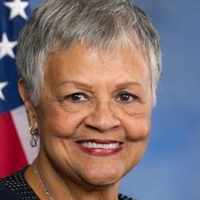
Bonnie Watson Coleman
Representative
NJ
Bonnie Watson Coleman
Representative
NJ
This bill mandates that certain immigration officers from agencies like CBP and ICE must clearly display large, highly visible identification during all enforcement actions. The identification, at least 12x6 inches, cannot be obscured by external gear like body armor. This ensures clear identification of immigration officers while they are actively carrying out their duties.
Anna's Law of 2025 establishes a grant program to fund trauma-informed training for law enforcement and EMTs responding to sexual assault cases.

Janice Schakowsky
Representative
IL
Janice Schakowsky
Representative
IL
Anna's Law of 2025 establishes a new grant program to fund trauma-informed training for law enforcement and EMTs responding to sexual assault cases. This training aims to educate first responders on the effects of trauma to improve victim interactions and reduce re-traumatization. Agencies accepting the grants must ensure new recruits receive eight hours of training, while current staff receives four hours annually. The bill also mandates reporting on the program's effectiveness and maintaining a public directory of qualified trainers.
This bill bans the manufacture, sale, and transfer of specific semiautomatic assault weapons and large-capacity ammunition feeding devices while grandfathering existing possessions and establishing new transfer requirements.
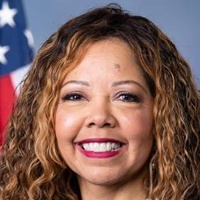
Lucy McBath
Representative
GA
Lucy McBath
Representative
GA
The Assault Weapons Ban of 2025 comprehensively defines and bans the manufacture, sale, and transfer of specific semiautomatic assault weapons and large capacity ammunition feeding devices. The bill grandfathers existing weapons but imposes new requirements for their secure storage and mandates dealer involvement for future private transfers. It also allows federal grant money to be used by states for buy-back programs targeting these banned items.
This bill repeals the Arctic National Wildlife Refuge oil and gas program and designates over 1.5 million acres of the refuge as protected wilderness.
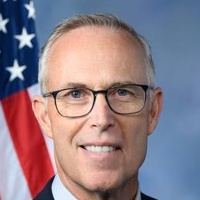
Jared Huffman
Representative
CA
Jared Huffman
Representative
CA
The Arctic Refuge Protection Act officially repeals the previous law authorizing oil and gas leasing in the Arctic National Wildlife Refuge. This legislation simultaneously designates approximately 1.56 million acres within the Refuge as protected wilderness under the National Wilderness Preservation System. The Secretary of the Interior is now required to manage this newly designated land according to strict wilderness preservation standards.
The Equality Act comprehensively prohibits discrimination based on sex, sexual orientation, and gender identity across key areas including public accommodations, employment, housing, credit, and jury service.
Mark Takano
Representative
CA
Mark Takano
Representative
CA
The Equality Act comprehensively expands federal civil rights protections against discrimination based on sex, sexual orientation, and gender identity across key areas of American life. It amends existing laws to prohibit discrimination in public accommodations, housing, credit, employment, and federal funding. The purpose of the bill is to provide consistent, explicit, and comprehensive remedies for individuals facing bias in these essential sectors.
This bill establishes a universal, comprehensive national health insurance program called "Medicare for All" that eliminates patient cost-sharing and transitions the nation away from private insurance duplication.

Pramila Jayapal
Representative
WA
Pramila Jayapal
Representative
WA
The Medicare for All Act establishes a universal, nationwide health insurance program providing comprehensive coverage for all U.S. residents with no out-of-pocket costs. It fundamentally restructures healthcare financing by implementing global budgets for institutions and a new fee schedule for individuals, while phasing out existing federal programs like Medicare and Medicaid. The legislation also sets strict quality standards for providers and creates a dedicated Trust Fund to manage the system's finances.
The Agent Orange Relief Act of 2025 expands benefits for children of male Vietnam veterans, funds health studies for affected Vietnamese Americans, and mandates research into the ongoing health effects of Agent Orange exposure.
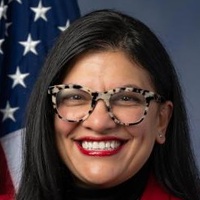
Rashida Tlaib
Representative
MI
Rashida Tlaib
Representative
MI
The Agent Orange Relief Act of 2025 aims to address the ongoing health crises stemming from the U.S. use of herbicides during the Vietnam War. This legislation expands benefits for children of male veterans born with certain birth defects and mandates new research into intergenerational health effects. Furthermore, the Act requires the Department of Health and Human Services to fund health studies and establish treatment centers for affected Vietnamese Americans. Agencies are given 18 months to fully implement these provisions, followed by mandatory quarterly progress reports to Congress.
This Act establishes comprehensive assistance programs through USAID for Vietnamese individuals affected by Agent Orange exposure and mandates HHS to conduct health assessments and establish support centers for Vietnamese Americans.
Rashida Tlaib
Representative
MI
Rashida Tlaib
Representative
MI
The Victims of Agent Orange Act of 2025 aims to address the ongoing health and environmental damage caused by the use of herbicides, including Agent Orange, during the Vietnam War. This legislation establishes comprehensive assistance programs through USAID for affected individuals and environmental cleanup in Vietnam. Furthermore, it mandates health assessments and the creation of dedicated health centers by HHS to support Vietnamese Americans impacted by the toxic exposure.
This Act establishes and protects the right of tenants in federally assisted housing to organize, communicate concerns, and receive support for their participation in housing matters.
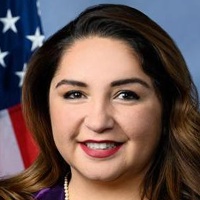
Delia Ramirez
Representative
IL
Delia Ramirez
Representative
IL
The Tenants’ Right to Organize Act establishes and protects the right of tenants receiving federal rental assistance, including Section 8 voucher holders and those in LIHTC projects, to form and participate in tenant organizations without fear of retaliation. The bill mandates that Public Housing Agencies and property owners must recognize these legitimate groups, consider their concerns, and respond to their feedback. Furthermore, it creates new enforcement mechanisms, allows tenants to sue for violations, and establishes funding for technical assistance and training for tenant groups.
This Act authorizes the President to impose sanctions, including asset freezes and visa bans, on foreign individuals involved in violence, property destruction, or displacement in the West Bank.
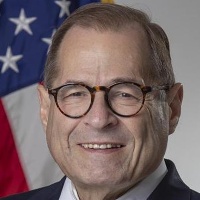
Jerrold Nadler
Representative
NY
Jerrold Nadler
Representative
NY
The West Bank Violence Prevention Act of 2025 declares extreme settler violence and displacement in the West Bank a threat to U.S. national security interests. This Act mandates the President to impose sanctions, including asset freezes and visa bans, on foreign individuals responsible for undermining peace and stability in the region. The Treasury Department must report to Congress on the implementation of these sanctions every 90 days.
The Housing for All Act of 2025 is a comprehensive bill that dramatically increases federal funding and establishes new programs to expand affordable housing, guarantee rental assistance, combat homelessness, and promote community-driven solutions.
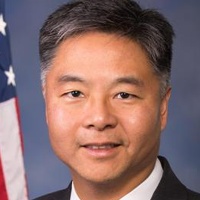
Ted Lieu
Representative
CA
Ted Lieu
Representative
CA
The Housing for All Act of 2025 is a comprehensive bill designed to aggressively combat the national housing shortage and homelessness crisis through massive federal investment. It establishes long-term funding for housing development, dramatically expands rental assistance programs like Section 8 vouchers, and creates new grants for supportive services and community-driven solutions. Ultimately, the Act aims to increase the supply of affordable and supportive housing while providing legal and crisis intervention resources for vulnerable populations.
The Oligarch Act of 2025 establishes a new federal wealth tax on individuals and trusts based on their net worth above an annually adjusted threshold, with rates ranging from 2% to 8%.
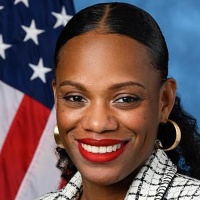
Summer Lee
Representative
PA
Summer Lee
Representative
PA
The Oligarch Act of 2025 establishes a new federal Wealth Tax applied annually to the net worth of high-net-worth individuals and trusts. This tax features progressive rates ranging from 2% to 8% based on the taxpayer's net worth relative to a dynamic threshold amount. The legislation mandates rigorous valuation rules and includes specific enforcement mechanisms, such as required audits and enhanced penalties for significant asset undervaluation.
The WISE Act aims to remove barriers for immigrant survivors of crime and abuse seeking legal status, while significantly reforming and expanding protections within the U-visa program and other victim-based immigration relief.
Pramila Jayapal
Representative
WA
Pramila Jayapal
Representative
WA
The Working for Immigrant Safety and Empowerment (WISE) Act aims to strengthen protections and streamline legal pathways for non-citizen survivors of crime and abuse, including domestic violence and trafficking. The bill reforms the U-visa program by eliminating its annual cap and speeding up work authorization for victims. It also establishes new protections against detention and deportation for victims with pending humanitarian applications and expands access to public benefits for certain lawfully present noncitizens.
This Act establishes an Advisory Council to survey needs, identify best practices, and disseminate comprehensive resources for victims of all forms of gun violence.
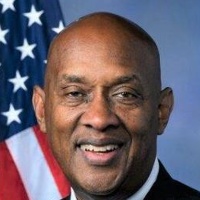
Dwight Evans
Representative
PA
Dwight Evans
Representative
PA
The Resources for Victims of Gun Violence Act of 2025 establishes an Advisory Council, led by HHS, to assess the needs of gun violence victims and service providers. This Council will survey stakeholders, review existing support programs, and identify best practices for medical, financial, and mental health assistance. Its primary function is to compile and widely distribute a comprehensive list of available federal, state, and nonprofit resources to ensure victims can easily access necessary aid.
This resolution supports designating April 10th as "Dolores Huerta Day" to honor the lifelong accomplishments and legacy of the trailblazing labor and civil rights leader.
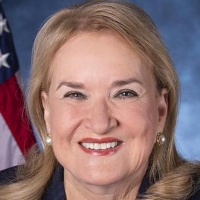
Sylvia Garcia
Representative
TX
Sylvia Garcia
Representative
TX
This resolution supports the designation of April 10th as "Dolores Huerta Day" to honor her legacy as a trailblazing labor and civil rights leader. It recognizes her foundational work co-founding the United Farm Workers and her lifelong fight for economic justice, workers' rights, and equality. The bill formally celebrates her accomplishments without creating new laws or programs.