Legislative Activity
Track H.'s sponsored bills, co-sponsored legislation, and voting record
This Act officially recognizes the installation of mechanical insulation in federal buildings as a qualifying energy or water efficiency measure.
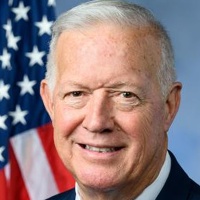
Randy Weber
Representative
TX
Randy Weber
Representative
TX
The Federal Mechanical Insulation Act officially recognizes the installation of mechanical insulation in federal buildings as a qualifying energy or water efficiency measure. This legislation defines compliant mechanical insulation as meeting or exceeding ASHRAE Standard 90.1 requirements and resulting in energy loss reduction. Furthermore, the Act mandates that comprehensive evaluations of federal buildings must identify these specific energy and water-saving insulation opportunities.
This act grants the Federal Energy Regulatory Commission (FERC) exclusive authority to approve or deny natural gas and LNG terminal applications, deeming such exports and imports consistent with the public interest, while preserving presidential sanction authority.
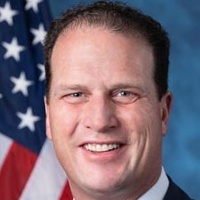
August Pfluger
Representative
TX
August Pfluger
Representative
TX
This act grants the Federal Energy Regulatory Commission (FERC) exclusive authority to approve or deny applications for natural gas and LNG export/import facilities, mandating that such actions be considered consistent with the public interest. The legislation clarifies that it does not limit the President's existing authority to impose sanctions through trade restrictions.
This bill repeals the requirement for Senate offices to be notified regarding legal processes seeking the disclosure of Senate data.
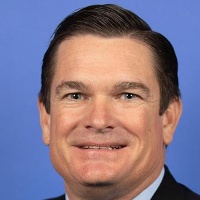
Austin Scott
Representative
GA
Austin Scott
Representative
GA
This bill repeals specific requirements for notifying Senate offices when legal processes seek the disclosure of Senate data. Essentially, it removes existing notification mandates related to legal requests for Senate information.
This Act establishes an interagency task force to combat foreign robocalls, modifies FCC review frequency, introduces a bond requirement for the Robocall Mitigation Database, and grants immunity for private efforts to trace unlawful robocall origins.
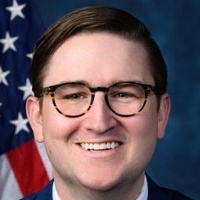
Addison McDowell
Representative
NC
Addison McDowell
Representative
NC
The Foreign Robocall Elimination Act establishes an interagency taskforce to study and recommend strategies for combating unlawful robocalls originating from outside the United States. It also grants the FCC authority to require providers to post a bond to ensure integrity in the Robocall Mitigation Database. Furthermore, the bill provides legal immunity for private consortiums tracing the origin of these illegal calls and allows for the publication of non-cooperative providers.
This bill authorizes the posthumous award of a Congressional Gold Medal to Major Thomas D. Howie for his extraordinary heroism during the Battle of Normandy.
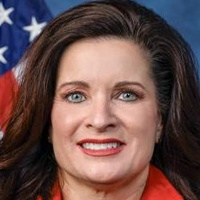
Sheri Biggs
Representative
SC
Sheri Biggs
Representative
SC
This bill authorizes the posthumous award of a Congressional Gold Medal to Major Thomas D. Howie for his extraordinary bravery and leadership during the Battle of Normandy. The medal will be presented to his next of kin before being permanently displayed at The Citadel Museum. The Treasury Secretary is also authorized to strike and sell bronze duplicates of the medal.
This resolution supports designating a week in October 2025 as "Coal Week" to recognize the vital contributions of the coal industry and its workers to the nation's economy and security.
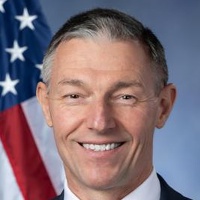
Mike Kennedy
Representative
UT
Mike Kennedy
Representative
UT
This resolution officially supports designating the week beginning October 19, 2025, as "Coal Week." It recognizes the vital contributions of the coal industry and its workers to the nation's economy and national security. The measure also commends the progress made in reducing coal-related emissions through advanced technologies.
This act expands physical therapists' participation in the National Health Service Corps loan repayment program and ensures Medicare coverage for their services at Rural Health Clinics and Federally Qualified Health Centers.

Diana DeGette
Representative
CO
Diana DeGette
Representative
CO
The Physical Therapist Workforce and Patient Access Act of 2025 aims to increase patient access to physical therapy, recognizing its importance in pain management and recovery. This bill integrates physical therapists into the National Health Service Corps, making them eligible for loan repayment in underserved areas. Furthermore, it mandates that Medicare Rural Health Clinics and Federally Qualified Health Centers cover physical therapy services starting in 2027.
The GRID Power Act directs the Federal Energy Regulatory Commission to rapidly update interconnection rules to prioritize and expedite the connection of dispatchable power projects that enhance grid reliability and resilience.
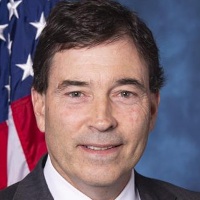
Troy Balderson
Representative
OH
Troy Balderson
Representative
OH
The GRID Power Act directs the Federal Energy Regulatory Commission (FERC) to rapidly update rules governing how new power plants connect to the electric grid. This legislation mandates that FERC prioritize and streamline the interconnection process for dispatchable power projects that demonstrably improve grid reliability and resilience. The goal is to ensure that necessary, dependable power sources can connect quickly while maintaining public input and regular review of the new procedures.
This bill reestablishes the National Coal Council within the Department of Energy, operating under existing federal advisory committee guidelines but exempt from automatic termination.
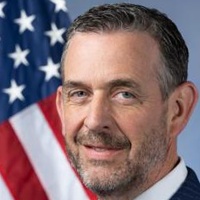
Michael Rulli
Representative
OH
Michael Rulli
Representative
OH
This bill, the National Coal Council Reestablishment Act, mandates the Secretary of Energy to reestablish the National Coal Council within the Department of Energy, adhering to its charter as of November 19, 2021. The Council will generally operate under the Federal Advisory Committee Act guidelines. Crucially, this legislation exempts the Council from the automatic termination provisions that typically apply to federal advisory committees.
This bill amends the Social Security Act to provide Medicare coverage for FDA-approved multi-cancer early detection screening tests starting in 2028.
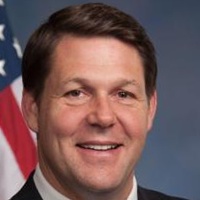
Jodey Arrington
Representative
TX
Jodey Arrington
Representative
TX
The Nancy Gardner Sewell Medicare Multi-Cancer Early Detection Screening Coverage Act amends the Social Security Act to provide Medicare Part B coverage for multi-cancer early detection screening tests starting January 1, 2028. This legislation establishes clear criteria for qualifying tests and outlines payment structures to ensure beneficiaries have access to these advanced diagnostic tools. Importantly, this coverage is designed to complement, rather than replace, existing Medicare-covered cancer screenings.
This Act mandates that new passenger motor vehicles sold in the U.S. must include standard equipment capable of receiving AM broadcast radio signals.

Gus Bilirakis
Representative
FL
Gus Bilirakis
Representative
FL
The AM Radio for Every Vehicle Act of 2025 mandates that the Secretary of Transportation establish a rule requiring AM broadcast radio receivers to be installed as standard equipment in new passenger motor vehicles. This requirement aims to ensure public access to AM radio signals, which are often used for emergency alerts. The bill also directs a GAO study on the effectiveness of AM radio within the national emergency alert system compared to other technologies. Finally, the Act preempts state and local laws on this matter and includes a sunset provision eight years after enactment.
This bill directs the House Oversight Committee to continue its investigation into the mismanagement of the Jeffrey Epstein and Ghislaine Maxwell cases and mandates the public release of most related government documents.
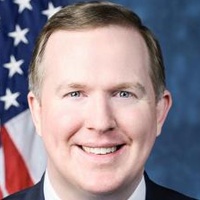
Brian Jack
Representative
GA
Brian Jack
Representative
GA
This bill directs the House Oversight Committee to continue its investigation into the federal government's handling of the Jeffrey Epstein and Ghislaine Maxwell cases, focusing on potential mismanagement and combating sex trafficking. It strongly supports the Committee's ongoing subpoenas and mandates the public release of nearly all unclassified documents related to the investigation, with very limited exceptions. The overall goal is to identify legislative changes needed to improve federal sex crime prosecution and transparency.
This Act establishes a federal database to identify and prohibit federal funding for state and local governments deemed to have sanctuary policies that conflict with immigration enforcement.
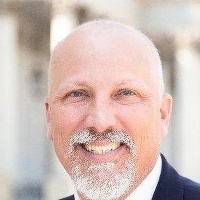
Chip Roy
Representative
TX
Chip Roy
Representative
TX
The Sanctuary Penalty and Public Protection Act of 2025 establishes a federal database to identify and publicly list state and local governments deemed to have policies that obstruct federal immigration enforcement. Jurisdictions placed on this "sanctuary jurisdiction" list will be prohibited from receiving or using any new federal funding. This act aims to penalize local governments that refuse to fully cooperate with federal immigration detainers and enforcement requests.
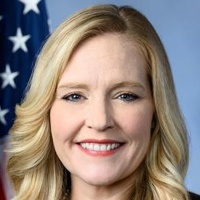
The Data BRIDGE Act mandates the FCC to update the national broadband map to specifically include the locations of agricultural areas after consulting with relevant agencies.
Erin Houchin
Representative
IN
Erin Houchin
Representative
IN
The Data BRIDGE Act mandates that the FCC update its national broadband map to specifically include the locations of agricultural areas. This update must be completed within 180 days of the bill's enactment. To ensure accuracy, the FCC is required to consult with the Secretary of Agriculture and other relevant stakeholders during this process. This action aims to better identify broadband coverage gaps affecting farms.
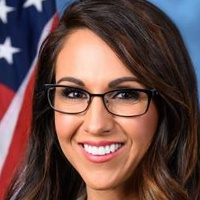
This bill directs the U.S. Postal Service to assign single, unique ZIP Codes to 66 specific communities across the nation.
Lauren Boebert
Representative
CO
Lauren Boebert
Representative
CO
This bill directs the United States Postal Service (USPS) to assign a single, unique ZIP Code to 66 specific communities across numerous states. The USPS is required to complete this designation process within 270 days of the law's enactment. This measure aims to ensure these designated towns and areas each have their own distinct postal code.
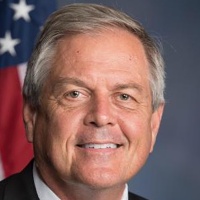
This resolution mandates the public release of nearly all Department of Justice documents related to the Jeffrey Epstein and Ghislaine Maxwell investigations, with limited exceptions for victim privacy and ongoing legal integrity.
Ralph Norman
Representative
SC
Ralph Norman
Representative
SC
This resolution mandates the Department of Justice (DOJ) to publicly release nearly all documents, records, and communications related to the investigations of Jeffrey Epstein and Ghislaine Maxwell within 30 days. The bill strictly prohibits withholding information based on embarrassment or political sensitivity. Any permitted redactions, such as protecting victim privacy or grand jury secrets, must be publicly justified to Congress.
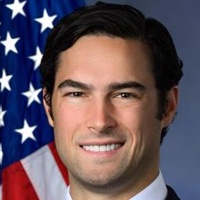
This Act prohibits lawsuits claiming discrimination based solely on the unintended, disproportionate statistical effect (disparate impact) of employment or housing practices.
Brandon Gill
Representative
TX
Brandon Gill
Representative
TX
The Restoring Equal Opportunity Act aims to eliminate "disparate-impact liability" across major federal laws. This bill prohibits lawsuits claiming discrimination based solely on the unintended, disproportionate negative effect of a rule or practice. Consequently, it removes the ability to challenge employment and housing practices unless discriminatory intent can be proven. The Act also nullifies specific prior regulatory approvals related to civil rights enforcement.
This joint resolution disapproves the EPA's rule allowing California to implement its Advanced Clean Cars II vehicle pollution control standards.
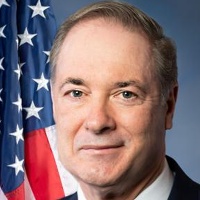
John Joyce
Representative
PA
John Joyce
Representative
PA
This joint resolution expresses Congressional disapproval of the Environmental Protection Agency's (EPA) rule regarding California's "Advanced Clean Cars II" vehicle pollution standards. By rejecting this rule, Congress is effectively canceling the EPA's decision to grant California a waiver allowing it to set stricter emission standards than federal law typically permits. Consequently, the approved California standards will not take effect.
This Act prohibits the retirement or fuel source conversion of certain dispatchable power plants in areas deemed at high or elevated risk of electricity supply shortfalls, while providing a pathway for financial relief or exemptions under specific reliability and financial hardship criteria.
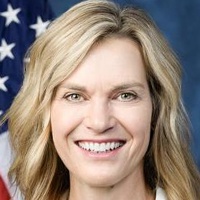
Julie Fedorchak
Representative
ND
Julie Fedorchak
Representative
ND
The Baseload Reliability Protection Act prohibits owners of certain dispatchable power plants in areas facing high or elevated risk of electricity shortages from retiring those units or switching their fuel source. Owners can seek an exemption from this ban from FERC, which must grant it if continued operation causes financial hardship or if retirement does not harm grid reliability. The Department of Energy may offer financial assistance to keep essential, money-losing plants operational.
The MOMS Act establishes a federal resource hub for expecting mothers, improves access to prenatal and postnatal care through grants, and allows for the enforcement of child support obligations for unborn children.
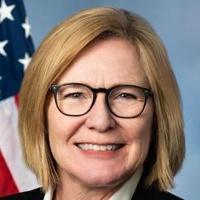
Michelle Fischbach
Representative
MN
Michelle Fischbach
Representative
MN
The MOMS Act aims to support expecting and new mothers through three main initiatives. It establishes a centralized federal resource website, Pregnancy.gov, to connect mothers with local support services and adoption agencies. The bill also creates grant programs to fund organizations offering positive alternatives to abortion and expanding access to at-home prenatal and postnatal telehealth care in underserved areas. Finally, it allows states to establish and enforce child support obligations against biological fathers for unborn children upon the mother's request.