
Legislative Activity
Track Paul's sponsored bills, co-sponsored legislation, and voting record
This act establishes the Domestic Cotton Consumption Credit to incentivize businesses to use U.S.-grown cotton through a verified supply chain with varying credit percentages based on processing location.
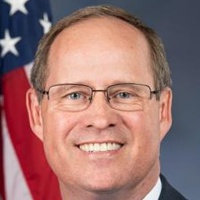
Gregory Murphy
Representative
NC
Gregory Murphy
Representative
NC
The Buying American Cotton Act of 2026 establishes the Domestic Cotton Consumption Credit to incentivize the use of U.S.-grown cotton in products sold domestically. This new business tax credit is calculated based on the volume of U.S. cotton used, the market price, and where the product was processed. The bill mandates digital tracing to verify the supply chain and offers significantly increased credit multipliers for products containing U.S.-made cotton yarn or fabric.
This bill establishes a federal crime and civil cause of action for performing an abortion based on a diagnosis or potential diagnosis of Turner syndrome.
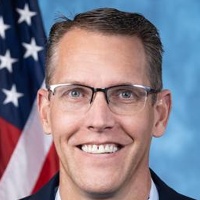
Randy Feenstra
Representative
IA
Randy Feenstra
Representative
IA
The Protecting Girls with Turner Syndrome Act of 2026 prohibits abortions sought solely because an unborn child has or may have Turner syndrome, creating new federal crimes and civil causes of action. This legislation makes it unlawful to perform, coerce, or facilitate such abortions, with penalties including fines and imprisonment. The Act allows specific family members and the Attorney General to file lawsuits seeking damages against those who violate these prohibitions.
This bill, the SCAM Act, establishes new grounds and procedures for the government to revoke the citizenship of naturalized individuals who commit specific serious offenses or fraud within ten years of naturalization.
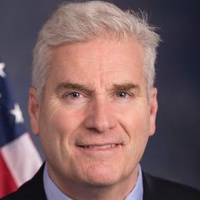
Tom Emmer
Representative
MN
Tom Emmer
Representative
MN
The SCAM Act establishes new grounds for the government to revoke the citizenship of naturalized individuals. It allows for denaturalization if a person commits fraud against the government, joins a terrorist organization, or commits an aggravated felony within ten years of naturalization. These actions are deemed proof that the individual lacked good moral character at the time they became a citizen. Revocation of citizenship under this Act is retroactive to the original date of naturalization.
This bill establishes a distinct regulatory pathway for homeopathic drug products, focusing on specific safety, quality, and transparency requirements while exempting them from premarket approval.

Pete Sessions
Representative
TX
Pete Sessions
Representative
TX
The Homeopathic Drug Product Safety, Quality, and Transparency Act establishes a distinct regulatory pathway for homeopathic drug products to ensure consumer access while setting specific safety and quality standards. This legislation defines homeopathic products, clarifies that they are exempt from premarket approval, and outlines specific manufacturing, testing, and labeling requirements based on established homeopathic standards. The Act also creates a dedicated Homeopathic Drug Product Advisory Committee to guide the Secretary of Health and Human Services on related regulations.
The SAFE KIDS Act voids surrogacy agreements between U.S. surrogates and prospective parents from designated foreign entities of concern, while penalizing brokers who facilitate such arrangements.
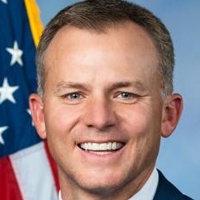
Blake Moore
Representative
UT
Blake Moore
Representative
UT
The SAFE KIDS Act addresses national security concerns by invalidating surrogacy agreements between U.S. surrogates and prospective parents from designated "foreign entities of concern." This legislation voids such contracts and imposes penalties on surrogacy brokers who facilitate these arrangements. The bill ensures that custody decisions for children born under these void agreements are based solely on the child's best interests under state law.
This bill modifies deposits into the Crime Victims Fund by excluding certain False Claims Act recoveries and mandates an Inspector General audit of the Fund's sustainability.
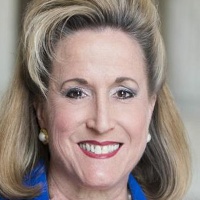
Ann Wagner
Representative
MO
Ann Wagner
Representative
MO
This bill amends the Victims of Crime Act of 1984 to temporarily exclude certain False Claims Act recoveries from being deposited into the Crime Victims Fund through fiscal year 2029. It also mandates a comprehensive audit by the Department of Justice Inspector General on the Fund's sustainability and the impact of recent legislative changes. The resulting report will provide recommendations for improving the Fund's effectiveness and oversight.
This Act codifies and expands the definition of "public charge" to deny admission or status adjustment to immigrants likely to use specific public benefits for more than 12 months within any 36-month period.
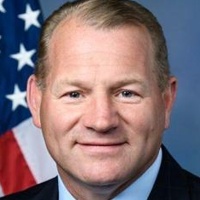
Troy Nehls
Representative
TX
Troy Nehls
Representative
TX
The Public Charge Clarification Act of 2026 establishes a strict, codified definition for when an immigrant is deemed a "public charge," making them inadmissible to the U.S. This law specifically lists numerous federal, state, and local benefits, including SNAP and Medicaid, that count toward this determination if received for more than 12 months within any 36-month period. The Act mandates that officers consider all statutory factors holistically but allows for public charge bonds as a condition of entry in certain cases. These new standards will apply to all pending and future immigration applications after the effective date.
This bill mandates that all Title X-funded family planning projects comply with state and local laws regarding the reporting of sexual abuse, child abuse, and human trafficking as a condition of federal funding.
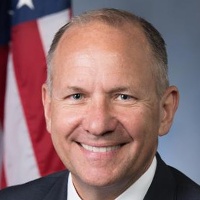
Lloyd Smucker
Representative
PA
Lloyd Smucker
Representative
PA
The Reporting Accountability and Abuse Prevention Act of 2026 mandates that all recipients of federal Title X family planning funds must strictly comply with state and local laws regarding the reporting of various forms of abuse, including child abuse and sexual assault. This compliance requires grantees to implement specific policies, conduct annual training, and establish protocols for patient safety and intervention. Failure to adhere to these requirements will result in penalties, including the repayment of federal funds and a multi-year ban on receiving future Title X assistance for repeat violations.
The Hope Heals Act of 2026 mandates a federal review and improvement of coordination across agencies for mental health crisis prevention and awareness efforts.
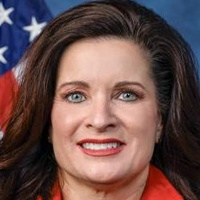
Sheri Biggs
Representative
SC
Sheri Biggs
Representative
SC
The Hope Heals Act of 2026 directs the Secretary of Health and Human Services to assess and improve federal coordination on mental health crisis prevention and awareness. This process requires an evaluation of how federal agencies can better share suicide prevention information and referral mechanisms with individuals in crisis. Following the assessment, the Secretary must report findings and recommendations to Congress, which federal departments are then required to implement where practicable.
This act removes the gray wolf from the endangered and threatened wildlife list and prohibits judicial review of that decision.

Lauren Boebert
Representative
CO
Lauren Boebert
Representative
CO
The Pet and Livestock Protection Act officially removes the gray wolf from the federal list of endangered and threatened wildlife. This legislation mandates the reissuance of the November 3, 2020, final rule concerning the gray wolf's delisting within 60 days of enactment. Furthermore, the reissuance of this rule is explicitly barred from judicial review.
This Act establishes federal criminal penalties for performing genital or bodily mutilation or chemical castration on minors, with specific medical exceptions.
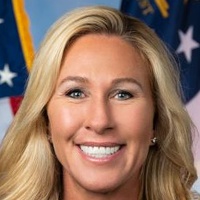
Marjorie Greene
Representative
GA
Marjorie Greene
Representative
GA
The Protect Children’s Innocence Act establishes federal criminal penalties for performing genital or bodily mutilation or chemical castration on individuals under 18 years old. This law applies when the act involves interstate commerce or occurs in U.S. territories. It explicitly prohibits procedures intended to change a minor's body to correspond with a different sex, with narrow exceptions for specific medical necessities.
The ESA Amendments Act of 2025 seeks to modernize the Endangered Species Act by prioritizing resource allocation, incentivizing private land conservation, increasing state involvement, and streamlining federal permitting and regulatory processes.
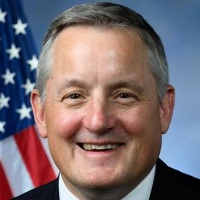
Bruce Westerman
Representative
AR
Bruce Westerman
Representative
AR
The ESA Amendments Act of 2025 proposes comprehensive reforms to the Endangered Species Act, aiming to shift the focus toward state-led conservation, voluntary private land agreements, and streamlined federal permitting. The bill introduces a prioritized, schedule-based approach for listing species while increasing transparency regarding agency data, litigation, and economic impacts. By narrowing the scope of federal regulatory authority and environmental reviews, the legislation seeks to balance species protection with infrastructure development and economic interests.
The Essential Caregivers Act of 2025 guarantees nursing home and long-term care residents the right to designate an essential caregiver who maintains access to them even during public health emergencies.

Claudia Tenney
Representative
NY
Claudia Tenney
Representative
NY
The Essential Caregivers Act of 2025 protects the rights of residents in long-term care facilities to designate an essential caregiver who can provide support and companionship. This legislation ensures that these caregivers maintain in-person access to residents even during public health emergencies when general visitation is restricted. By establishing clear protocols and an appeals process, the bill aims to prevent the harmful effects of isolation and ensure residents continue to receive vital care and advocacy.
This bill authorizes Congress to award Congressional Gold Medals to the 1980 U.S. Men's Olympic Ice Hockey team for their historic "Miracle on Ice" victory.
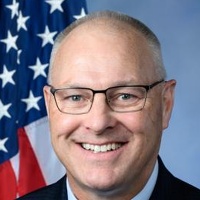
Pete Stauber
Representative
MN
Pete Stauber
Representative
MN
This bill, the Miracle on Ice Congressional Gold Medal Act, officially authorizes Congress to award Congressional Gold Medals to the 1980 U.S. Men's Olympic Ice Hockey Team for their historic "Miracle on Ice" victory. The medals will be struck by the Treasury and permanently displayed at specific national sports museums. The Act also permits the sale of duplicate bronze medals to cover production costs.
This bill establishes a federal crime and civil cause of action against anyone who knowingly administers an abortion-inducing drug to a woman without her informed consent.
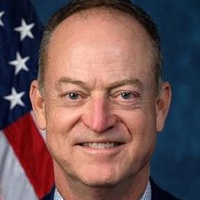
Mark Messmer
Representative
IN
Mark Messmer
Representative
IN
The Forced Abortion Prevention and Accountability Act establishes a new federal crime prohibiting the knowing and intentional administration of abortion-inducing drugs to a pregnant woman without her informed consent. This legislation creates severe criminal penalties, including up to 25 years in prison, for those who violate this prohibition or attempt to do so. Furthermore, it grants victims the right to file a civil lawsuit to recover damages for physical and psychological injuries resulting from forced abortions.
This bill repeals the Human Rights Sanctuary Amendment Act of 2022, restoring previous laws.
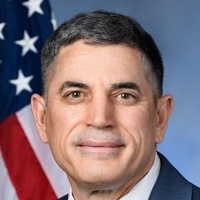
Andrew Clyde
Representative
GA
Andrew Clyde
Representative
GA
This bill, the D.C. Shield Law Repeal Act, seeks to repeal the Human Rights Sanctuary Amendment Act of 2022. By doing so, it will restore the laws and regulations that were in effect prior to the 2022 Act.
This bill authorizes the awarding of the Congressional Gold Medal to Charles "Charlie" James Kirk in recognition of his life, service, and dedication to the United States.
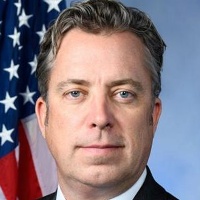
Andrew Ogles
Representative
TN
Andrew Ogles
Representative
TN
The Charlie Kirk Congressional Gold Medal Act authorizes the posthumous award of the Congressional Gold Medal to Charles "Charlie" Kirk in recognition of his life, service, and dedication to the United States. The bill honors his legacy as the founder of Turning Point USA and his commitment to promoting traditional American values, faith, and civil discourse.
This bill repeals the requirement for Senate offices to be notified regarding legal processes seeking the disclosure of Senate data.
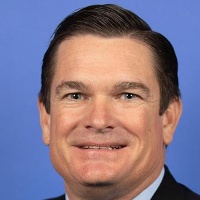
Austin Scott
Representative
GA
Austin Scott
Representative
GA
This bill repeals specific requirements for notifying Senate offices when legal processes seek the disclosure of Senate data. Essentially, it removes existing notification mandates related to legal requests for Senate information.
The CLEAN DC Act of 2025 largely repeals the Comprehensive Policing and Justice Reform Amendment Act of 2022, restoring prior law except for two specific subtitles.
Andrew Clyde
Representative
GA
Andrew Clyde
Representative
GA
The CLEAN DC Act of 2025 aims to repeal most provisions of the Comprehensive Policing and Justice Reform Amendment Act of 2022, effectively reverting policing and justice laws to their pre-2022 status. This legislation seeks to undo the majority of changes made by the previous act. However, it specifically preserves the effects of two distinct subtitles from the 2022 Act.
This act prohibits Medicare-approved medical residency programs from requiring participation in abortion-related training unless the resident voluntarily opts in.
Gregory Murphy
Representative
NC
Gregory Murphy
Representative
NC
This Act prohibits Medicare-approved medical residency programs from requiring participation in abortion-related training. Programs that offer abortion training must ensure it is strictly voluntary, allowing residents to opt-in without facing discrimination. This ensures medical residents are not compelled to participate in abortion procedures, assistance, or referrals against their conscience.