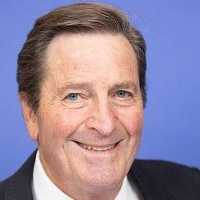
Legislative Activity
Track John's sponsored bills, co-sponsored legislation, and voting record
This bill directs the Secretary of the Interior to study the feasibility of designating the 550-mile Bay Area Ridge Trail as a National Scenic Trail.
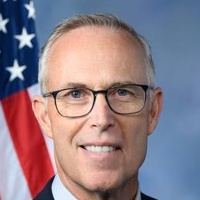
Jared Huffman
Representative
CA
Jared Huffman
Representative
CA
This bill directs the Secretary of the Interior to conduct a feasibility study on designating the approximately 550-mile Bay Area Ridge Trail as a National Scenic Trail. The study will assess the trail's potential for national recognition, considering its scenic, recreational, and cultural significance to the San Francisco Bay Area. The findings must be submitted to Congress within one year of enactment.
This bill mandates the removal of U.S. Armed Forces from Venezuela unless explicitly authorized by Congress.
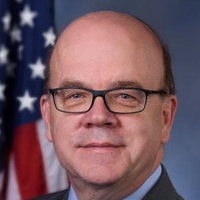
James McGovern
Representative
MA
James McGovern
Representative
MA
This bill mandates the President to withdraw all United States Armed Forces from Venezuela. This action is required unless Congress has formally declared war or passed specific legislation authorizing the use of military force in that country.
This bill prohibits political appointees from managing NIH programs or participating in NIH funding decisions, and prevents the NIH from unilaterally canceling existing research agreements without documented findings of mismanagement or fraud.

Diana DeGette
Representative
CO
Diana DeGette
Representative
CO
The Follow the Science Act aims to insulate the National Institutes of Health (NIH) from political influence by prohibiting most political appointees from working on or managing NIH programs. This legislation specifically bars political employees from participating in the review, selection, or awarding of NIH grants and contracts. Furthermore, it restricts the NIH Director from canceling or delaying existing funding agreements unless specific findings of mismanagement or fraud are documented and reported to Congress.
This resolution honors the 97th anniversary of Dr. Martin Luther King, Jr.’s birth by reaffirming his legacy of equality, condemning hate, and promoting tolerance and civil discourse.

Shontel Brown
Representative
OH
Shontel Brown
Representative
OH
This resolution honors the 97th anniversary of the birth of Reverend Dr. Martin Luther King, Jr. by celebrating his legacy of equality, diversity, and civil discourse. It reaffirms a national commitment to his values of justice and tolerance while explicitly condemning all forms of hate, discrimination, and prejudice.
This bill establishes a Department of Justice Task Force to combat anti-Sikh hate and discrimination through definition, education, and reporting.
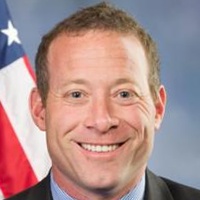
Josh Gottheimer
Representative
NJ
Josh Gottheimer
Representative
NJ
The Sikh American Anti-Discrimination Act of 2026 establishes a Department of Justice Task Force dedicated to combating anti-Sikh hate and discrimination. This Task Force is charged with formally defining anti-Sikh hate, developing educational programs for law enforcement and schools, and collaborating with the Sikh community. The bill mandates annual reporting to Congress on hate crimes, legal actions, and ongoing threats against Sikhs.
This act prohibits the US government from using funds to purchase any NATO member country or NATO-protected territory.
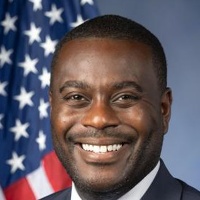
Gabe Amo
Representative
RI
Gabe Amo
Representative
RI
This bill, the "NO NATO for Purchase Act," strictly prohibits any federal department or agency from using funds or taking action to purchase a country that is a member of NATO or any territory protected under the North Atlantic Treaty. Essentially, it bans the U.S. government from acquiring NATO member nations or their protected territories.
This resolution demands the President and Secretary of State provide the House with documents detailing the Administration's stance, policies, and related communications concerning U.S. interest in Greenland.
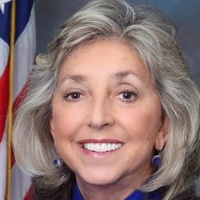
Dina Titus
Representative
NV
Dina Titus
Representative
NV
This resolution is an official inquiry demanding the President and Secretary of State provide the House of Representatives with specific documents regarding the Administration's stance on Greenland. It specifically seeks records concerning U.S. ownership plans, policy toward Danish sovereignty, and security assessments related to the U.S.-Denmark defense agreement. The bill also requires documentation of all related communications between U.S. officials and private citizens, Danish/Greenlandic authorities, or NATO allies.
This bill impeaches Secretary of Homeland Security Kristi Lynn Arnold Noem for high crimes and misdemeanors, citing willful refusal to comply with oversight law, violating the Impoundment Control Act, directing unlawful ICE misconduct, and misusing federal funds for personal gain.
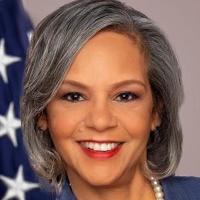
Robin Kelly
Representative
IL
Robin Kelly
Representative
IL
This resolution initiates impeachment proceedings against Secretary of Homeland Security Kristi Lynn Arnold Noem for high crimes and misdemeanors. The articles of impeachment charge her with willfully refusing to comply with Congressional oversight laws and violating the Impoundment Control Act by improperly withholding funds. Further articles allege she directed widespread misconduct by ICE agents that violated federal law and constitutional rights, and misused taxpayer funds for personal gain through improper contracting.
This bill modifies deposits into the Crime Victims Fund by excluding certain False Claims Act recoveries and mandates an Inspector General audit of the Fund's sustainability.
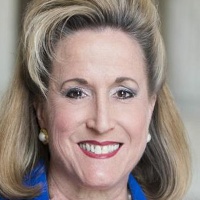
Ann Wagner
Representative
MO
Ann Wagner
Representative
MO
This bill amends the Victims of Crime Act of 1984 to temporarily exclude certain False Claims Act recoveries from being deposited into the Crime Victims Fund through fiscal year 2029. It also mandates a comprehensive audit by the Department of Justice Inspector General on the Fund's sustainability and the impact of recent legislative changes. The resulting report will provide recommendations for improving the Fund's effectiveness and oversight.
This act prohibits the use of federal funds and official action for any invasion of NATO member territory.
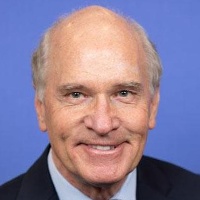
William Keating
Representative
MA
William Keating
Representative
MA
The **No Funds for NATO Invasion Act** prohibits the use of any federal funds for an invasion of any territory belonging to a member nation of the North Atlantic Treaty Organization (NATO). Furthermore, the bill bars U.S. officials from taking any action to execute such an invasion.
This resolution recognizes the 15th anniversary of the 2011 Tucson shooting, honoring the victims, survivors, and the ongoing advocacy of Gabby Giffords.
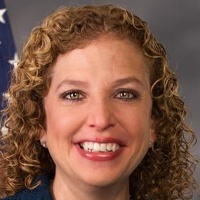
Debbie Wasserman Schultz
Representative
FL
Debbie Wasserman Schultz
Representative
FL
This resolution commemorates the 15th anniversary of the tragic January 8, 2011, Tucson shooting, honoring the six lives lost and the thirteen injured. It specifically commends the courage and ongoing advocacy of gun violence survivor and former Congresswoman Gabby Giffords. The resolution also recognizes the resilience of the community and reaffirms a commitment to ending political violence.
This resolution observes the one-year anniversary of the devastating 2025 Southern California wildfires, honoring victims and first responders while affirming commitment to ongoing community rebuilding efforts.
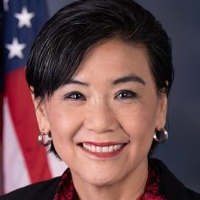
Judy Chu
Representative
CA
Judy Chu
Representative
CA
This resolution observes the one-year anniversary of the devastating 2025 Southern California wildfires. It honors the 31 lives lost, recognizes the heroic efforts of thousands of emergency responders, and affirms commitment to supporting the ongoing rebuilding efforts in affected communities.
This resolution declares the renaming of the Kennedy Center to include Donald J. Trump a violation of federal law and mandates the restoration of its original name.
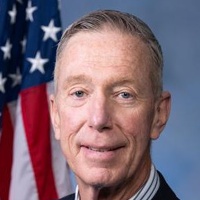
Stephen Lynch
Representative
MA
Stephen Lynch
Representative
MA
This resolution expresses the sense of the House that renaming the John F. Kennedy Center for the Performing Arts to include the name "Donald J. Trump" violates federal law. It declares the unauthorized redesignation null and void and requires the Board of Trustees to immediately restore the original name. Furthermore, the bill calls for the resignation of any trustees appointed by President Trump.
This bill prohibits the use of federal funds for military force in or against Venezuela through 2026 unless Congress declares war or passes a specific authorizing law, with exceptions for defensive actions.
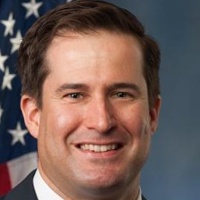
Seth Moulton
Representative
MA
Seth Moulton
Representative
MA
This bill prohibits the use of federal funds for military force in or against Venezuela through the end of 2026. This restriction remains in place unless Congress formally declares war or passes a new, specific authorization for military action that complies with the War Powers Resolution. An exception is made for necessary defensive actions, such as repelling a sudden attack.
The Disaster Survivors Tax Relief and Recovery Act provides targeted tax relief, retirement account flexibility, and housing credit support for individuals and businesses affected by major federally declared disasters occurring in 2025.
Judy Chu
Representative
CA
Judy Chu
Representative
CA
The Disaster Survivors Tax Relief and Recovery Act provides essential financial support to individuals and businesses impacted by major disasters occurring in 2025. The bill offers temporary tax relief, including flexible income calculations for tax credits, penalty-free access to retirement funds, and expanded deductions for charitable contributions and casualty losses. Additionally, it incentivizes the development of affordable housing in disaster-stricken areas and extends tax exclusions for wildfire-related compensation.
This bill establishes tax parity for geothermal energy by allowing for the 24-month amortization of exploration costs and exempting working interests from passive loss limitations, mirroring current rules for oil and gas.
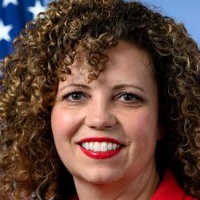
Celeste Maloy
Representative
UT
Celeste Maloy
Representative
UT
The Geothermal Tax Parity Act aims to support geothermal energy development by aligning its tax treatment with that of oil and gas. This legislation allows for the 24-month amortization of geothermal exploration costs and exempts working interests in geothermal properties from passive loss limitations. These changes encourage investment by providing the same federal tax incentives enjoyed by the oil and gas industry.
The American Affordability Act of 2025 is a comprehensive bill designed to lower costs for families through expanded housing assistance, clean energy tax credits, monthly child payments, education relief, and enhanced healthcare subsidies.
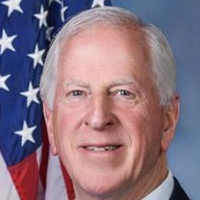
Mike Thompson
Representative
CA
Mike Thompson
Representative
CA
The American Affordability Act of 2025 is a comprehensive bill designed to lower costs across five key areas: housing, energy, family care, education, and healthcare. It achieves this by expanding tax credits for housing construction and homebuyers, extending incentives for clean energy manufacturing and consumer adoption, replacing the Child Tax Credit with larger monthly payments, making higher education expenses more affordable, and permanently expanding subsidies to lower health insurance premiums for millions. Overall, the legislation aims to provide direct financial relief and increase access to essential services for American families and workers.
The SAFE TRACKS Act mandates that states update their safety plans to detail cross-agency strategies for reducing pedestrian fatalities, including suicides, at highway-rail grade crossings.
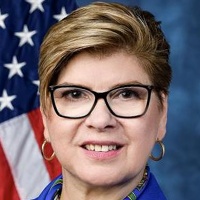
Nellie Pou
Representative
NJ
Nellie Pou
Representative
NJ
The SAFE TRACKS Act requires states to update their highway-rail grade crossing safety plans to specifically address and reduce pedestrian fatalities and suicides along railroad tracks. These updated plans must detail collaboration strategies with railroads, mental health agencies, and law enforcement. States are mandated to submit these comprehensive safety reports to the Federal Railroad Administration every five years.
This bill mandates the removal of U.S. Armed Forces from hostilities within or against Venezuela unless explicitly authorized by Congress.
James McGovern
Representative
MA
James McGovern
Representative
MA
This bill mandates the President to immediately remove all United States Armed Forces from hostilities within or against Venezuela. This action is required unless Congress has specifically authorized the use of military force. The legislation aims to ensure that military engagement in Venezuela requires explicit Congressional approval.
This bill directs the President to withdraw U.S. Armed Forces from hostilities with presidentially designated terrorist organizations in the Western Hemisphere unless Congress authorizes the action.
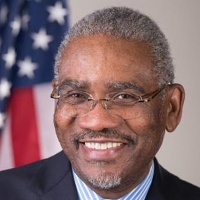
Gregory Meeks
Representative
NY
Gregory Meeks
Representative
NY
This bill directs the President to withdraw U.S. Armed Forces from hostilities involving designated terrorist organizations in the Western Hemisphere. Such withdrawal must occur unless Congress has explicitly authorized the military action through a declaration of war or a specific use of force authorization. The directive is issued under the authority of the War Powers Resolution.