This resolution honors the 97th anniversary of Dr. Martin Luther King, Jr.’s birth by reaffirming his legacy of equality, condemning hate, and promoting tolerance and civil discourse.
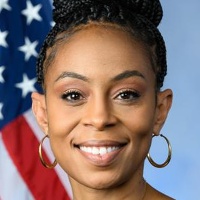
Shontel Brown
Representative
OH-11
This resolution honors the 97th anniversary of the birth of Reverend Dr. Martin Luther King, Jr. by celebrating his legacy of equality, diversity, and civil discourse. It reaffirms a national commitment to his values of justice and tolerance while explicitly condemning all forms of hate, discrimination, and prejudice.
Congress Moves to Formalize MLK Day 2026 as a National Stand Against Hate and Discrimination
This resolution sets the stage for January 19, 2026, marking the 97th anniversary of Dr. Martin Luther King Jr.’s birth. Unlike a standard holiday greeting, this bill formally codifies Dr. King’s teachings into a legislative stance, specifically emphasizing that diversity is a national strength rather than a point of contention. It centers on the "inviolable right" to vote and the necessity of tolerance across every modern demographic line—including race, religion, sexual orientation, and gender identity. By citing his 1963 Letter from a Birmingham Jail, the bill reinforces the idea that in a modern, interconnected economy and society, what happens to one community eventually impacts everyone else.
A Unified Standard for Civil Discourse
At its core, the resolution acts as a formal rejection of the "outsider" narrative. It explicitly states that anyone living within the U.S. borders belongs here, effectively pushing back against rhetoric that treats certain communities as secondary citizens. For the average person navigating a polarized workplace or social media feed, this serves as a federal benchmark for civil discourse. It isn't just about a day off; it’s a commitment to the principle that representative democracy requires everyone’s participation to actually function. By honoring Dr. King’s heroism, the bill seeks to bridge the gap between historical civil rights struggles and today’s challenges with social cohesion.
Drawing a Line Against Harassment
The bill gets very specific about who it is protecting from hate and prejudice. It officially condemns harassment against a wide range of groups, including Black, Indigenous, Jewish, AAPI, Muslim, and Hispanic communities. Notably, it also explicitly includes protections and recognition for the trans community and LGBTQ individuals under the umbrella of Dr. King’s vision for justice. For a small business owner or a manager, this language reinforces the legal and ethical expectations of a discrimination-free environment. It’s a direct call to move past the violence and animus of the past and uphold values of advocacy and peace in everyday interactions.