
Legislative Activity
Track Mike's sponsored bills, co-sponsored legislation, and voting record
The Life at Conception Act declares that the constitutional right to life begins at the moment of fertilization and applies to every member of the species *homo sapiens* at all stages of development.
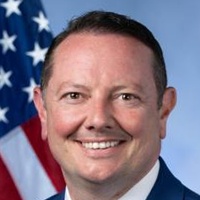
Eric Burlison
Representative
MO
Eric Burlison
Representative
MO
The Life at Conception Act declares that the constitutional right to life begins at the moment of fertilization, defining all human beings as persons from that point forward. The bill establishes legal personhood for every member of the species *homo sapiens* at all stages of development. Additionally, it explicitly prohibits the prosecution of any woman for the death of her unborn child.
The Born-Alive Abortion Survivors Protection Act requires health care practitioners to provide the same level of care to infants born alive after an abortion attempt as they would to any other newborn, mandating immediate hospitalization and imposing penalties for violations, while protecting the mother from prosecution. It also allows the mother of a child born alive to file a civil action against anyone who violated the act.

Ann Wagner
Representative
MO
Ann Wagner
Representative
MO
The "Born-Alive Abortion Survivors Protection Act" ensures that infants born alive after an abortion receive the same medical care as any other newborn, mandating immediate hospitalization and requiring healthcare practitioners to report any failures to comply. Violators face fines, imprisonment, and potential prosecution for homicide or attempted homicide, while the mother of the child cannot be prosecuted. The bill also allows the woman who had the abortion to file a civil action against anyone who violated the act. It defines abortion and attempts at abortion, and renames "Partial-Birth Abortions" to "Abortions" in relevant sections of the U.S. Code.
The SAVE Moms and Babies Act of 2025 prohibits the FDA from approving new abortion drugs and imposes strict federal restrictions on the distribution, usage, and reporting requirements for existing abortion medications.

Robert Latta
Representative
OH
Robert Latta
Representative
OH
The SAVE Moms and Babies Act of 2025 prohibits the FDA from approving new abortion drugs and restricts the use of existing ones. The bill mandates strict safety protocols, including in-person administration requirements, expanded adverse event reporting, and limitations on gestational age for drug use.
The Main Street Tax Certainty Act makes the 20% pass-through business income deduction permanent by removing its scheduled expiration after 2025.

Lloyd Smucker
Representative
PA
Lloyd Smucker
Representative
PA
The Main Street Tax Certainty Act makes the 20% pass-through business income deduction permanent. By removing the current 2025 expiration date, this legislation ensures long-term tax relief for owners of qualified pass-through entities.
The TABS Act of 2025 renames the Consumer Financial Protection Bureau to the Consumer Financial Empowerment Agency, establishes it as an independent entity outside the Federal Reserve, and subjects its funding to the regular congressional appropriations process.

Garland Barr
Representative
KY
Garland Barr
Representative
KY
The TABS Act of 2025 renames the Bureau of Consumer Financial Protection to the Consumer Financial Empowerment Agency and establishes it as an independent agency outside of the Federal Reserve System. Additionally, the bill mandates that the agency’s funding be brought under the regular congressional appropriations process.
The Regulation Decimation Act mandates that federal agencies repeal ten existing regulations for every new rule issued, while requiring that the costs of any new major rule be offset by the repeal of existing ones.
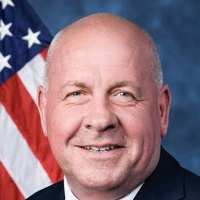
David Taylor
Representative
OH
David Taylor
Representative
OH
The Regulation Decimation Act mandates that federal agencies repeal ten existing regulations for every new rule they issue. For major rules, agencies must also ensure that the cost of the new regulation is offset by the cost savings of the repealed rules. Additionally, the bill requires agencies to conduct comprehensive reviews to identify and eliminate outdated or ineffective regulatory requirements.
The 911 SAVES Act mandates the reclassification of public safety telecommunicators as "Protective Service Occupations" within the federal Standard Occupational Classification system to accurately reflect their critical role in emergency response.

Norma Torres
Representative
CA
Norma Torres
Representative
CA
The 911 SAVES Act mandates that the Office of Management and Budget reclassify public safety telecommunicators as "Protective Service Occupations" within the federal Standard Occupational Classification system. This legislation recognizes the critical, high-stress, and lifesaving nature of 911 dispatchers, correcting their current misclassification to better reflect their essential role in emergency response.
This bill proposes a constitutional amendment to permanently set the number of Supreme Court justices at nine, requiring ratification by three-fourths of the states within seven years.

Dusty Johnson
Representative
SD
Dusty Johnson
Representative
SD
This bill proposes a constitutional amendment to fix the number of Supreme Court justices at nine. For this amendment to be valid, three-fourths of the state legislatures must ratify it within seven years of its submission.
This bill prohibits federal funding for abortions and for health insurance plans that cover abortions, clarifies these prohibitions under the Affordable Care Act, and requires health plans to disclose the extent of their abortion coverage and any related surcharges.

Christopher Smith
Representative
NJ
Christopher Smith
Representative
NJ
The "No Taxpayer Funding for Abortion and Abortion Insurance Full Disclosure Act of 2025" seeks to prohibit the use of federal funds for abortions and for health plans that cover abortions, while allowing individuals and entities to purchase separate abortion coverage with non-federal funds. It clarifies that premium tax credits and cost-sharing reductions under the Affordable Care Act (ACA) cannot be used for health plans that include abortion coverage. The Act also revises notice requirements for health plans, mandating clear disclosure of abortion coverage and any associated premium surcharges to enrollees. Exceptions to the funding restrictions are included for cases of rape, incest, or when the mother's life is in danger.
The Increased TSP Access Act of 2025 expands and streamlines the certification process for third-party technical service providers to improve the delivery of conservation assistance to farmers and ranchers.
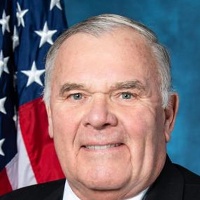
James Baird
Representative
IN
James Baird
Representative
IN
The Increased TSP Access Act of 2025 aims to expand and accelerate the delivery of conservation technical assistance to farmers and ranchers by diversifying the certification process for third-party providers. The bill authorizes non-federal entities and state agencies to certify providers, streamlines credentialing for qualified professionals, and mandates fair payment rates. These reforms are designed to increase capacity, improve transparency, and ensure more efficient implementation of conservation practices nationwide.
The Chiropractic Medicare Coverage Modernization Act of 2025 expands Medicare coverage to include all services provided by doctors of chiropractic that are within the scope of their state licensure.
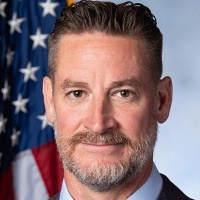
W. Steube
Representative
FL
W. Steube
Representative
FL
The Chiropractic Medicare Coverage Modernization Act of 2025 expands Medicare coverage to include all services legally authorized under a chiropractor’s state license, moving beyond the current restriction limited to manual spinal manipulation. This legislation aligns Medicare benefits with private insurance and other federal health programs to better reflect modern chiropractic practice. To provide these expanded services, chiropractors will be required to complete a one-time training program verified by the Secretary of Health and Human Services.
This bill reclassifies silencers under federal tax law, removes federal registration requirements for legally transferred silencers, preempts state taxation and registration of silencers in commerce, and mandates the destruction of existing federal silencer registration records.

Ben Cline
Representative
VA
Ben Cline
Representative
VA
The Hearing Protection Act aims to remove silencers from the purview of the National Firearms Act (NFA) by treating them similarly to standard firearms under federal tax law. This legislation preempts certain state and local taxes and registration requirements related to silencers involved in interstate commerce. Furthermore, the bill mandates the destruction of existing federal silencer registration records and updates federal marking requirements for manufacturers.
The Old Glory Only Act mandates that only the United States flag may be flown at U.S. diplomatic and consular posts.
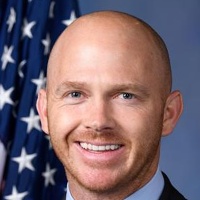
William Timmons
Representative
SC
William Timmons
Representative
SC
The Old Glory Only Act mandates that only the official United States flag may be flown at U.S. diplomatic and consular posts. This legislation prohibits the display of any other flags at these facilities.
This bill prohibits the use of U.S. taxpayer funds for the United Nations Human Rights Council by withholding and rescinding the portion of annual UN contributions allocated to the Council.

Chip Roy
Representative
TX
Chip Roy
Representative
TX
The "No Taxpayer Funding for United Nations Human Rights Council Act" prohibits the use of U.S. funds to support the UN Human Rights Council. It mandates that the Secretary of State withhold the portion of U.S. contributions allocated to the Council and permanently rescinds those funds. This ensures that no American taxpayer dollars are directed toward the Council's operations.
This bill proposes a constitutional amendment to limit members of the House of Representatives to three terms and Senators to two terms, with specific provisions for partial terms. Terms served before the amendment's ratification would not be counted towards these limits, and the amendment must be ratified within seven years to be valid.

Ralph Norman
Representative
SC
Ralph Norman
Representative
SC
This bill proposes a constitutional amendment to limit the number of terms a member of Congress can serve. Representatives would be limited to 3 terms and Senators to 2 terms, with specific rules for partial terms. Terms served before the amendment's ratification would not be counted. The amendment must be ratified by three-fourths of the states within seven years to be valid.
The Regulations from the Executive in Need of Scrutiny (REINS) Act of 2025 increases congressional accountability by requiring federal agencies to obtain legislative approval for all "major" rules before they can take effect.

Katherine Cammack
Representative
FL
Katherine Cammack
Representative
FL
The Regulations from the Executive in Need of Scrutiny (REINS) Act of 2025 aims to increase federal regulatory accountability by requiring Congress to approve any "major" rule before it can take effect. Under this legislation, rules with a significant economic impact require a joint resolution of approval from both chambers of Congress to become law. By shifting this authority back to the legislative branch, the Act seeks to ensure greater transparency and oversight of the federal rulemaking process.