Legislative Activity
Track Russ's sponsored bills, co-sponsored legislation, and voting record
This bill requires the Federal Energy Regulatory Commission to submit an annual report to Congress detailing the status of long-delayed hydropower license applications.
Kim Schrier
Representative
WA
Kim Schrier
Representative
WA
The Hydropower Licensing Transparency Act requires the Federal Energy Regulatory Commission (FERC) to submit an annual report to Congress detailing the status of long-delayed hydropower license applications. This report specifically tracks new, renewed, or original license applications that have been pending for three years or more after the applicant provided notice of intent. The goal is to increase accountability and provide Congress with specific details on the bottlenecks slowing down the licensing process for these energy projects.
The SAMS Act of 2025 codifies several existing Executive Orders related to critical minerals into permanent federal law.
Gary Palmer
Representative
AL
Gary Palmer
Representative
AL
The SAMS Act of 2025 codifies several previous Executive Orders into permanent law, specifically focusing on policies related to critical minerals. This action elevates existing presidential directives concerning these vital resources to the full force and effect of statutory law. The bill ensures the long-term legal standing of established critical mineral supply chain strategies.
This Act grants limited liability protection to manufacturers of critical infrastructure equipment against lawsuits related to wildfire losses unless willful misconduct in design or production is proven.
Mariannette Miller-Meeks
Representative
IA
Mariannette Miller-Meeks
Representative
IA
This bill grants limited legal immunity to manufacturers of essential critical infrastructure equipment against lawsuits stemming from wildfire-related losses. This protection applies unless a plaintiff can prove the manufacturer engaged in willful misconduct during the design or production of the equipment. The legislation aims to bolster the security and resilience of vital national systems by supporting their manufacturers.
The Protect RAIL Act makes non-citizens inadmissible to the U.S. and deportable if they commit or conspire to commit crimes involving theft or tampering with goods shipped across state or international lines.

Paul Gosar
Representative
AZ
Paul Gosar
Representative
AZ
The Protect RAIL Act amends immigration law to prevent non-citizens convicted of or admitting to crimes involving the theft or tampering of goods shipped across state or international lines from entering the United States. Furthermore, this bill makes non-citizens already in the U.S. deportable if they have committed such offenses related to interstate or foreign shipments.
This bill directs the Secretary of Commerce to report to Congress on the value, cost, and feasibility of a trans-Atlantic submarine fiber optic cable connecting the contiguous U.S., the U.S. Virgin Islands, Ghana, and Nigeria.
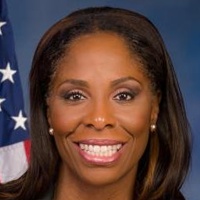
Stacey Plaskett
Representative
VI
Stacey Plaskett
Representative
VI
This bill directs the Secretary of Commerce to assess the value, cost, and feasibility of constructing a new trans-Atlantic submarine fiber optic cable connecting the contiguous United States, the U.S. Virgin Islands, Ghana, and Nigeria. The resulting report must analyze the digital security, national security implications, and economic benefits of this proposed connection. The assessment will also examine the readiness of existing infrastructure and explore partnerships with trusted entities for deployment.
This resolution expresses support for designating June 2025 as "National Dairy Month" to recognize the dairy industry's vital contributions to American health, family farming, and the national economy.
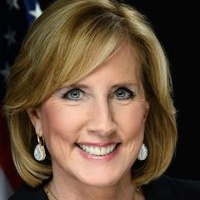
Claudia Tenney
Representative
NY
Claudia Tenney
Representative
NY
This resolution expresses support for designating June 2025 as "National Dairy Month" to recognize the vital role of the dairy industry. It highlights the industry's significant contributions to American health, noting that dairy is a key source of essential nutrients like calcium and Vitamin D. Furthermore, the resolution commends the nation's family-owned dairy farms for their economic impact and agricultural heritage. It also strongly opposes unfair regulations that hinder dairy farmers.
This resolution seeks to disapprove and nullify the Environmental Protection Agency's rule regarding California's Low NOX vehicle and engine pollution control standards.
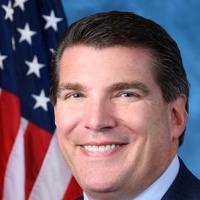
Jay Obernolte
Representative
CA
Jay Obernolte
Representative
CA
This joint resolution seeks to disapprove and nullify a specific rule issued by the Environmental Protection Agency (EPA) regarding California's stringent motor vehicle and engine pollution control standards, known as the "Omnibus Low NOX Regulation." By exercising disapproval under the Congressional Review Act, this measure prevents the EPA's decision on waiving federal preemption for these California standards from taking legal effect. If passed, the EPA's rule will be entirely canceled.
This joint resolution disapproves the EPA's rule allowing California to implement its Advanced Clean Cars II vehicle pollution control standards.
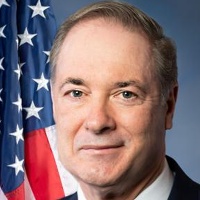
John Joyce
Representative
PA
John Joyce
Representative
PA
This joint resolution expresses Congressional disapproval of the Environmental Protection Agency's (EPA) rule regarding California's "Advanced Clean Cars II" vehicle pollution standards. By rejecting this rule, Congress is effectively canceling the EPA's decision to grant California a waiver allowing it to set stricter emission standards than federal law typically permits. Consequently, the approved California standards will not take effect.
This bill formally rejects the Environmental Protection Agency's recently issued rule concerning California's heavy-duty vehicle and engine pollution control standards.
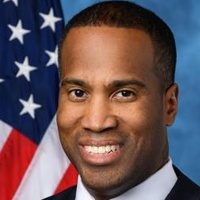
John James
Representative
MI
John James
Representative
MI
This resolution expresses the disapproval of Congress regarding a recent rule issued by the Environmental Protection Agency (EPA) concerning California's motor vehicle and engine pollution control standards. Specifically, it rejects the EPA's proposed regulations covering heavy-duty vehicle emissions, warranties, maintenance, and zero-emission vehicle provisions. By disapproving the rule under the Congressional Review Act, Congress effectively nullifies the EPA's action.
This Act mandates an immediate hiring push for Customs and Border Protection officers along the northern border and updates threat analysis requirements to address staffing shortages and upcoming retirements.
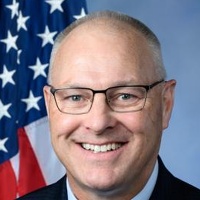
Pete Stauber
Representative
MN
Pete Stauber
Representative
MN
The Northern Border Security and Staffing Reform Act addresses critical staffing shortages within Customs and Border Protection (CBP), particularly along the northern border. It mandates an immediate hiring push to counteract anticipated mass retirements and current personnel deficits. Furthermore, the bill updates threat analysis requirements to specifically focus on staffing projections, retirement risks, and local recruitment strategies for northern ports of entry.
This bill repeals the Freedom of Access to Clinic Entrances (FACE) Act, effectively removing federal criminal penalties for obstructing access to reproductive health clinics.

Chip Roy
Representative
TX
Chip Roy
Representative
TX
The FACE Act Repeal Act of 2025 seeks to eliminate federal protections that currently prohibit the obstruction of reproductive health clinic entrances, the use of force or threats against patients and providers, and the intentional damage of clinic property. If enacted, this legislation would immediately repeal these federal criminal prohibitions and apply to all pending or future prosecutions.
This resolution strongly condemns the rise in ideologically motivated attacks against Jewish individuals in the U.S., including the recent Boulder assault, and reaffirms the House's commitment to combating antisemitism and political violence.
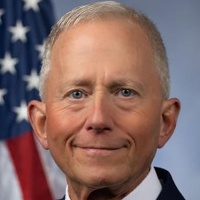
Jefferson Van Drew
Representative
NJ
Jefferson Van Drew
Representative
NJ
This resolution strongly condemns the recent rise in ideologically motivated attacks targeting Jewish individuals and institutions across the United States, including the violent assault in Boulder, Colorado. The House of Representatives reaffirms its commitment to combating antisemitism and politically motivated violence in all its forms. It calls for thorough investigation and prosecution of such incidents and urges all sectors of society to speak out against hate.
This Act mandates a comprehensive study and report on U.S. preparedness for the reintroduction of the devastating New World Screwworm pest.
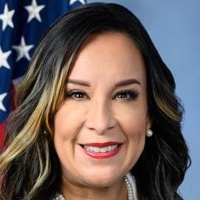
Mónica De La Cruz
Representative
TX
Mónica De La Cruz
Representative
TX
The New World Screwworm Preparedness Act of 2025 mandates a comprehensive study on the United States' readiness to combat the reintroduction of the New World screwworm, a devastating parasite of warm-blooded animals. This study, led by the Secretary of Agriculture, must assess current threat levels, sterile fly production capacity, surveillance systems, and emergency response plans. The resulting report will provide Congress with critical recommendations to strengthen national preparedness against this costly agricultural and wildlife pest.
This Act prohibits the State Department and its funded entities from censoring the free speech of United States citizens and mandates notification if such censorship occurs.
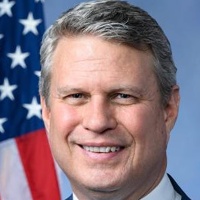
Bill Huizenga
Representative
MI
Bill Huizenga
Representative
MI
The Restoring American Freedom Act prohibits the State Department, its employees, and its funded entities from censoring the free speech of United States citizens. This legislation strictly forbids the use of federal funds to support or facilitate such censorship activities, including the creation or use of advertising blacklists. Furthermore, the Secretary of State must promptly notify Congress and the affected citizen if any censorship is discovered.
The FREE Act mandates federal agencies to develop and implement a "permitting by rule" system to streamline and expedite permit issuance based on applicant certification of compliance with established standards.
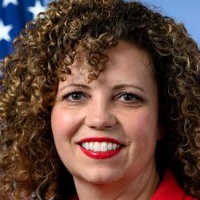
Celeste Maloy
Representative
UT
Celeste Maloy
Representative
UT
The Full Responsibility and Expedited Enforcement (FREE) Act mandates that federal agencies develop and implement a "permitting by rule" system as an alternative to slow, traditional permitting processes. This new system requires applicants to certify compliance with written standards, streamlining approval with a 180-day automatic grant deadline if the agency fails to act. Agencies retain the right to audit and enforce compliance after permits are issued, with the burden of proof shifting to the agency during appeals.
This bill disapproves the Department of Energy's submitted rule establishing new energy conservation standards for consumer gas-fired instantaneous water heaters.
Gary Palmer
Representative
AL
Gary Palmer
Representative
AL
This bill seeks to formally reject a recent rule submitted by the Department of Energy (DOE) concerning new energy conservation standards for consumer gas-fired instantaneous water heaters. By invoking congressional disapproval, the legislation immediately cancels the DOE's proposed efficiency standards. In essence, Congress is overriding the DOE's attempt to implement these specific new regulations for tankless gas water heaters.
This bill removes federal tax and registration requirements for firearm silencers, preempts certain state regulations, mandates the destruction of existing federal silencer owner records, and updates related definitions and marking requirements.
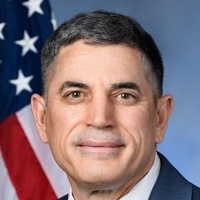
Andrew Clyde
Representative
GA
Andrew Clyde
Representative
GA
The Constitutional Hearing Protection Act aims to treat firearm silencers equally under federal tax law by updating definitions and removing certain registration requirements if existing firearm laws are followed. The bill also preempts state and local governments from imposing special taxes or registration burdens on silencers. Furthermore, it mandates the destruction of existing federal records identifying silencer owners within one year of enactment.
This bill prohibits landlords of federally assisted rental housing from banning tenants from lawfully possessing firearms within their private dwelling units.
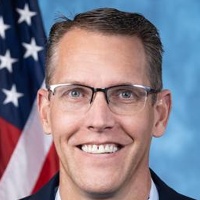
Randy Feenstra
Representative
IA
Randy Feenstra
Representative
IA
This bill, the PROTECT the Second Amendment Act, prevents landlords of federally assisted rental housing from banning tenants who lawfully possess firearms within their private dwelling units. It ensures residents in subsidized housing can legally keep their firearms inside their apartments. The legislation also permits the transportation of firearms through common areas only when moving directly to or from the unit.
The Safeguard American Voter Eligibility (SAVE) Act mandates that individuals registering to vote in federal elections must present documentary proof of U.S. citizenship.
Chip Roy
Representative
TX
Chip Roy
Representative
TX
The Safeguard American Voter Eligibility Act (SAVE Act) significantly amends federal law to require individuals registering to vote in federal elections to present documentary proof of U.S. citizenship. This legislation mandates that states actively clean their voter rolls and cooperate with federal agencies to verify citizenship status. It establishes new criminal penalties for officials who fail to enforce these documentation requirements.
The TAKE IT DOWN Act establishes federal criminal penalties for sharing nonconsensual intimate images (real or digitally forged) and mandates that covered online platforms remove such content within 48 hours of receiving a valid request.

Maria Salazar
Representative
FL
Maria Salazar
Representative
FL
The TAKE IT DOWN Act establishes federal criminal penalties for the intentional sharing of both real and digitally forged nonconsensual intimate images, with stricter penalties for images involving minors. It mandates that covered online platforms create a clear process for victims to request the removal of such content within 48 hours. Failure by platforms to reasonably comply with these removal requests will be treated as an unfair or deceptive practice enforced by the Federal Trade Commission (FTC).