Legislative Activity
Track Brian's sponsored bills, co-sponsored legislation, and voting record
This Act mandates the Department of Veterans Affairs to establish measurable standards and evaluation plans for all suicide prevention and mental health grant or pilot programs administered by the Veterans Health Administration.
Greg Landsman
Representative
OH
Greg Landsman
Representative
OH
The What Works for Preventing Veteran Suicide Act requires the Department of Veterans Affairs (VA) to establish standard operating procedures for all mental health and suicide prevention grant or pilot programs administered by the Veterans Health Administration. These procedures mandate clear, measurable goals and detailed evaluation plans for every program. The goal is to ensure all initiatives are rigorously assessed so that successful strategies can be identified and scaled up to better prevent veteran suicide.
The Historic Tax Credit Growth and Opportunity Act of 2025 modifies rehabilitation tax credits by increasing rates for small projects, eliminating basis adjustments, and changing eligibility rules for various building improvements.
Darin LaHood
Representative
IL
Darin LaHood
Representative
IL
The Historic Tax Credit Growth and Opportunity Act of 2025 significantly enhances historic rehabilitation tax incentives. It establishes a permanent 20% credit rate for qualified expenditures and introduces an optional 30% credit for smaller projects, which includes the ability to transfer the credit. Furthermore, the bill simplifies calculations by eliminating the requirement to reduce the property's basis when claiming the credit.
This act officially recognizes accounting education as part of a well-rounded curriculum to improve access to accounting programs, especially for underrepresented students.

Young Kim
Representative
CA
Young Kim
Representative
CA
The Accounting STEM Pursuit Act of 2025 officially recognizes accounting education as a vital component of a well-rounded K-12 curriculum. This legislation amends federal education law to ensure accounting is counted within core curriculum planning frameworks. The Act specifically directs states and districts to improve access to quality accounting programs, with a focus on increasing opportunities for underrepresented students.
The Save BRIC Act mandates proactive disaster mitigation measures, reversing the cancellation of the BRIC program to save billions in future recovery costs.
Greg Stanton
Representative
AZ
Greg Stanton
Representative
AZ
The Save BRIC Act aims to reinstate and strengthen proactive disaster mitigation efforts, emphasizing that preparation saves significant taxpayer money compared to recovery costs. Specifically, this bill mandates certain actions within existing disaster relief frameworks that were previously optional. By making these mitigation steps required, the Act seeks to build more resilient infrastructure and protect communities before the next disaster strikes.
The Youth Workforce Readiness Act of 2025 establishes grants for out-of-school programs run by community organizations to prepare eligible youth (ages 6-18) for employment through work experience, training, and mentorship, while also strengthening local Youth Councils.
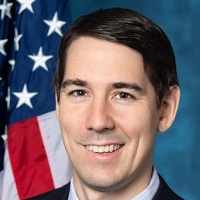
Josh Harder
Representative
CA
Josh Harder
Representative
CA
The Youth Workforce Readiness Act of 2025 establishes a competitive grant program to fund national organizations in developing comprehensive, out-of-school workforce readiness programs for youth aged 6 to 18. This Act aims to boost employment opportunities by connecting youth education and training with employer needs through community partnerships. Furthermore, it strengthens youth voices by mandating the reestablishment and integration of Youth Councils within local workforce boards to advise on training and readiness initiatives.
The Housing Supply Frameworks Act directs the federal government to create guidelines and best practices for state and local governments to reform restrictive zoning and land-use regulations to increase housing supply across all income levels.
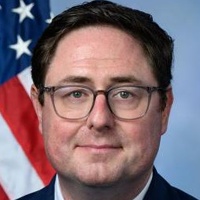
Mike Flood
Representative
NE
Mike Flood
Representative
NE
The Housing Supply Frameworks Act aims to address the national housing shortage by encouraging state and local governments to reform restrictive zoning and land use regulations. It directs the Department of Housing and Urban Development (HUD) to develop and publish comprehensive guidelines and best practices for these reforms. The Act also establishes reporting requirements to track the adoption of these new frameworks and authorizes funding to support these efforts.
This Act makes the existing tax credit for adoption expenses fully refundable, allowing taxpayers to receive the excess credit amount as a refund for tax years beginning after December 31, 2025.
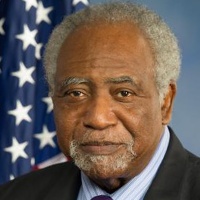
Danny Davis
Representative
IL
Danny Davis
Representative
IL
The Adoption Tax Credit Refundability Act of 2025 makes the existing tax credit for adoption expenses fully refundable, meaning taxpayers can receive the excess credit amount as a refund. This is achieved by renumbering the credit section and updating related tax code references. The bill also mandates new regulations for verifying adoptions via standardized affidavits. These changes will apply to tax years beginning after December 31, 2025.
This Act secures \$5 million annually in grants for youth organizations from fiscal years 2026 through 2030.
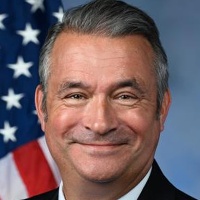
Don Bacon
Representative
NE
Don Bacon
Representative
NE
The Youth Lead Act establishes dedicated federal funding for youth organizations by setting aside \$5 million annually for grants between fiscal years 2026 and 2030. This legislation amends existing law to ensure consistent financial support for these organizations.
The Neighborhood Homes Investment Act establishes a new federal tax credit to incentivize the development and substantial rehabilitation of affordable starter homes in low-income communities by closing the financing gap between construction costs and sale prices.
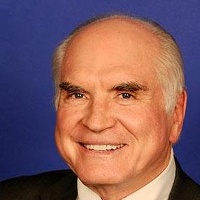
Mike Kelly
Representative
PA
Mike Kelly
Representative
PA
The Neighborhood Homes Investment Act establishes a new federal tax credit designed to close the financing gap hindering the construction and rehabilitation of affordable starter homes in distressed communities. This credit incentivizes developers to build or substantially renovate housing in specific low-income census tracts and sell it affordably to qualified moderate-income homeowners. State agencies will manage the allocation of these credits, ensuring projects meet affordability standards and promoting revitalization in struggling neighborhoods.
This Act prioritizes using trained military veterans to apply humane, on-range fertility controls for managing wild horse and burro populations.
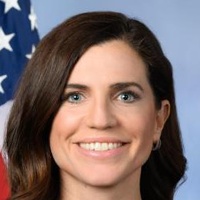
Nancy Mace
Representative
SC
Nancy Mace
Representative
SC
The Veterans for Mustangs Act amends existing law to prioritize humane, on-range fertility control for managing wild horse and burro populations. This legislation mandates that the Secretary of the Interior must prioritize recruiting, training, and hiring military veterans to administer these fertility control measures. This ensures population management goals are met while providing employment opportunities for veterans.
This bill removes the current restriction preventing direct charitable rollovers from Individual Retirement Accounts (IRAs) to Donor Advised Funds (DAFs).
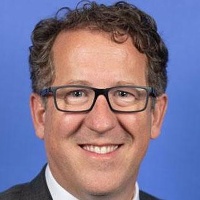
Adrian Smith
Representative
NE
Adrian Smith
Representative
NE
The IRA Charitable Rollover Facilitation and Enhancement Act of 2025 removes the current restriction preventing individuals from making direct charitable rollovers from their Individual Retirement Accounts (IRAs) to Donor Advised Funds (DAFs). This change immediately allows IRA owners to transfer retirement assets directly to DAFs for charitable purposes. The bill simplifies and enhances charitable giving options for IRA holders.
This act increases the maximum loan amounts available to small businesses under certain SBA programs and mandates annual reporting on the distribution of those enhanced loans.
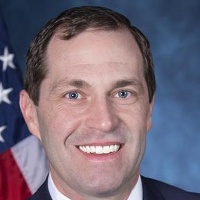
Jason Crow
Representative
CO
Jason Crow
Representative
CO
The Small Business Energy Loan Enhancement Act significantly increases the maximum loan amounts available to eligible small businesses under specific Small Business Administration (SBA) programs, raising the limit from $\$5.5$ million to $\$10$ million. This legislation also mandates that the SBA report annually to Congress detailing the industries and geographic areas benefiting from these enhanced loan categories. The goal is to provide greater financial resources for small businesses through SBA lending.
The SOAR Act of 2025 reforms Medicare oxygen benefits by removing competitive bidding, establishing specific supplier responsibilities, enhancing fraud protection through electronic documentation, and enshrining patient rights for supplemental oxygen recipients.
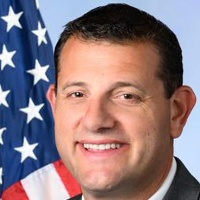
David Valadao
Representative
CA
David Valadao
Representative
CA
The SOAR Act of 2025 aims to significantly reform Medicare access to supplemental oxygen by removing it from the competitive bidding program and establishing new payment rates. The bill also mandates clearer documentation requirements for medical necessity using electronic templates and restores clinical judgment in claim audits. Finally, it establishes specific rights for oxygen beneficiaries and improves reimbursement for respiratory therapists.
This act permanently bans new oil and gas leasing for exploration, development, and production in the North Atlantic, Mid-Atlantic, South Atlantic, and Straits of Florida planning areas of the Outer Continental Shelf.
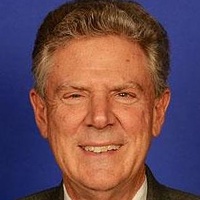
Frank Pallone
Representative
NJ
Frank Pallone
Representative
NJ
The Clean Ocean And Safe Tourism Anti-Drilling Act of 2025 (COAST Anti-Drilling Act) permanently prohibits new oil and gas leasing activities on the Outer Continental Shelf in the North Atlantic, Mid-Atlantic, South Atlantic, and Straits of Florida planning areas. This legislation ensures these specific ocean regions are protected from future exploration and development.
The NO TIME TO Waste Act establishes new offices, grant programs, and coordination efforts across federal agencies to significantly reduce food loss and waste through innovation, infrastructure improvements, and public education.

Chellie Pingree
Representative
ME
Chellie Pingree
Representative
ME
The NO TIME TO Waste Act establishes a new Office of Food Loss and Waste within the USDA to coordinate national efforts, fund data collection, and track progress toward reducing food waste by 50% by 2030. The bill also creates regional coordinators and block grants to improve food recovery infrastructure across the country. Furthermore, it mandates new reporting requirements for federal contractors and launches a national education campaign focused on consumer behavior and food safety dating.
The RESILIENCE Act of 2025 modifies tax rules to allow public utility companies to reduce their adjusted financial statement income by deductions taken for property repair and maintenance costs.
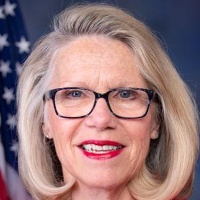
Carol Miller
Representative
WV
Carol Miller
Representative
WV
The Repair Expenditures Support Infrastructure, Labor Investment, Energy Needs, and Creates Equity Act of 2025, or the RESILIENCE Act of 2025, modifies tax rules for public utility companies. This legislation allows utility companies to reduce their adjusted financial statement income by deductions taken for repairing and maintaining their property. The goal is to align these specific repair deductions with existing depreciation rules for tax purposes, effective for tax years beginning after 2024.
This act establishes a federal crime with severe penalties for using shell companies to conceal foreign national contributions in U.S. elections.
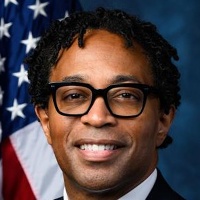
Wesley Bell
Representative
MO
Wesley Bell
Representative
MO
The Shell Company Abuse Act establishes a new federal crime to prevent individuals from using shell companies to conceal illegal election contributions made by foreign nationals in U.S. politics. This legislation specifically targets those who set up or utilize entities with the intent of hiding the source of banned foreign money influencing elections. Violators face up to five years in prison and significant fines for this prohibited activity.
This Act amends federal law to make youth sports facilities eligible for public works funding, prioritizing projects that address health, serve low-income and rural children, and boost local economies.
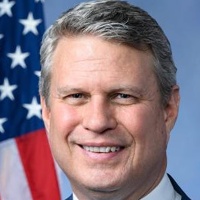
Bill Huizenga
Representative
MI
Bill Huizenga
Representative
MI
The Youth Sports Facilities Act of 2025 amends federal public works funding rules to explicitly include the construction and improvement of youth sports facilities. This allows communities to apply for grants specifically for these projects, provided they meet goals focused on improving health, serving low-income and rural children, and boosting local economies. The bill prioritizes facilities that address sedentary lifestyles and provide safe recreational spaces in underserved areas.
This Act improves early childhood nutrition programs by revising eligibility certification for proprietary centers, streamlining serious deficiency reviews, adjusting meal reimbursement limits, updating inflation calculations, and establishing an advisory committee to reduce paperwork burdens.
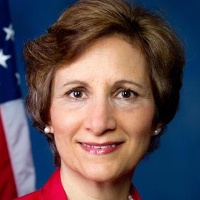
Suzanne Bonamici
Representative
OR
Suzanne Bonamici
Representative
OR
The Early Childhood Nutrition Improvement Act aims to strengthen federal nutrition programs for children by clarifying eligibility rules for for-profit childcare centers and mandating a comprehensive review of serious deficiency processes to ensure fairness and reduce unnecessary state-level burdens. The bill also adjusts meal reimbursement limits, updates inflation tracking for program costs, and establishes an advisory committee to drastically reduce paperwork and modernize administrative requirements for providers. These changes seek to streamline operations, improve consistency, and better support child care providers participating in federal meal programs.
This bill prioritizes federal research and extension funding for developing better vaccines and improving biosecurity measures to combat highly pathogenic avian influenza in poultry.
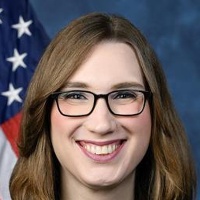
Sarah McBride
Representative
DE
Sarah McBride
Representative
DE
The SAVE Our Poultry Act prioritizes federal research funding to combat highly pathogenic avian influenza (HPAI), or bird flu. This legislation directs grants toward developing improved poultry vaccines and enhancing farm biosecurity measures. The bill also mandates research into the trade and market impacts of widespread poultry vaccination.