Legislative Activity
Track Brian's sponsored bills, co-sponsored legislation, and voting record
This bill mandates increased Small Business Administration engagement, outreach, and assistance related to employee ownership and cooperatives.
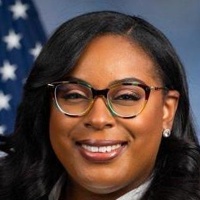
LaMonica McIver
Representative
NJ
LaMonica McIver
Representative
NJ
This bill, the Improving SBA Engagement on Employee Ownership Act, aims to strengthen the Small Business Administration's (SBA) involvement in employee ownership. It mandates the SBA Administrator to participate in relevant federal working groups and expands outreach efforts to investors in small business investment companies. Furthermore, it requires the SBA to implement enhanced outreach and assistance specifically for employee-owned businesses.
This bill reauthorizes and expands funding for the Wildlife Crossings Program through 2031, removes the "pilot" designation, and establishes 100% federal cost-share and technical assistance for projects led by Indian Tribes.
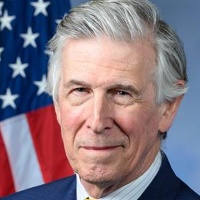
Donald Beyer
Representative
VA
Donald Beyer
Representative
VA
The Wildlife Road Crossings Program Reauthorization Act of 2025 extends and expands federal funding for wildlife crossing infrastructure through 2031. This legislation renames the existing pilot program, authorizes \$200 million annually for the program, and ensures 100% federal cost-sharing for projects led by Indian Tribes. Additionally, it establishes technical assistance to help tribes efficiently access these crucial wildlife safety funds.
This Act establishes a joint task force and enhances penalties to combat the distribution of illegal drugs and goods through dark web marketplaces.
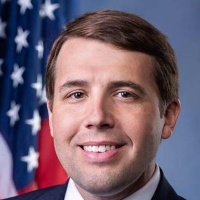
Chris Pappas
Representative
NH
Chris Pappas
Representative
NH
The Dark Web Interdiction Act of 2025 aims to combat the illegal distribution of drugs, weapons, and other illicit goods facilitated by the anonymity of the dark web. This legislation establishes a dedicated interagency task force within the FBI to detect, disrupt, and dismantle dark web marketplaces. Furthermore, it creates a new federal offense for dispensing controlled substances via the dark web, complete with enhanced penalties. The Act also mandates reports on the use of virtual currencies in these illicit transactions to improve investigative capabilities.
The SROS Act excludes certain retirement income received by qualified former military or law enforcement personnel employed as school resource officers from gross income.
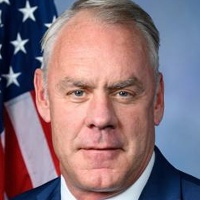
Ryan Zinke
Representative
MT
Ryan Zinke
Representative
MT
The Strengthening Resources for our Schools (SROS) Act aims to encourage qualified retirees to serve as school resource officers. This bill amends the Internal Revenue Code to exclude certain retirement income received by eligible former members of the Armed Forces or law enforcement officers from gross income while they are employed as school resource officers. The exclusion may become a lifetime exemption if the individual serves in the role for at least 10 years.
This Act revises and expands the Patrick Leahy farm to school program to increase access to local foods for eligible institutions through enhanced grants, research, and targeted support for Tribal communities.
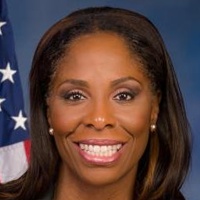
Stacey Plaskett
Representative
VI
Stacey Plaskett
Representative
VI
The Farm to School Act of 2025 revises and expands the Patrick Leahy farm to school program to increase access to local foods in eligible institutions, including land-grant colleges. The bill updates definitions, increases authorized funding to $10 million, and prioritizes grants for projects serving Tribal communities and those incorporating culturally appropriate education. It also mandates research and reporting to identify and eliminate regulatory barriers to local food procurement.
This resolution supports designating November 15, 2025, as "America Recycles Day" to promote recycling and advance the circular economy.
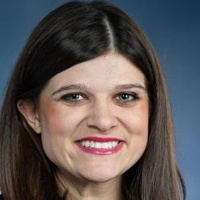
Haley Stevens
Representative
MI
Haley Stevens
Representative
MI
This resolution supports designating November 15, 2025, as "America Recycles Day" to raise national awareness about the importance of recycling and composting. It recognizes the significant economic and environmental contributions of the American recycling sector. The bill encourages public participation and reaffirms the commitment to investing in circular economy solutions.
The Elijah E. Cummings Family Asthma Act aims to reduce the burden of asthma through enhanced CDC activities, including public education, state strategic planning, modernized surveillance, and required reports to Congress.
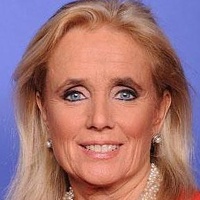
Debbie Dingell
Representative
MI
Debbie Dingell
Representative
MI
The Elijah E. Cummings Family Asthma Act aims to reduce the significant burden of asthma across the United States, which disproportionately affects vulnerable populations. The bill directs the Centers for Disease Control and Prevention (CDC) to enhance asthma surveillance, education, and the development of State strategic control plans. It authorizes funding to improve the quality and reach of asthma management, focusing on reducing attacks, hospitalizations, and health disparities.
This Act expands VA headstone and marker eligibility to honor the graves of certain enslaved individuals and those who performed military functions despite being legally barred from service.
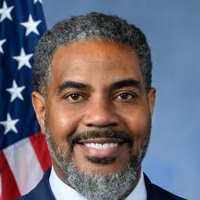
Steven Horsford
Representative
NV
Steven Horsford
Representative
NV
The Headstones for Honor Act expands VA eligibility for official headstones, markers, or medallions to include graves of certain enslaved individuals who accompanied service members and those who performed military functions despite being legally barred from service due to discrimination. This legislation ensures recognition for these historically overlooked contributors to military efforts. The Secretary of Veterans Affairs is required to establish regulations for implementation within one year of enactment.
This bill directs the VA and Department of Education to report on the availability, accessibility, and affordability of childcare for veteran families.
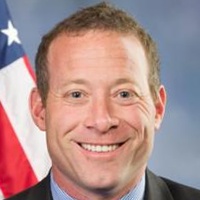
Josh Gottheimer
Representative
NJ
Josh Gottheimer
Representative
NJ
This bill requires the Secretaries of Veterans Affairs and Education to submit a joint report to Congress concerning childcare for veteran families. The report must assess the current availability, accessibility, and affordability of childcare options. It will also identify existing gaps and evaluate barriers, such as cost and distance, preventing veteran families from accessing necessary care.
This bill mandates the Secretary of Veterans Affairs to report to Congress on the prevalence, support, and research efforts related to Amyotrophic Lateral Sclerosis (ALS) among veterans.
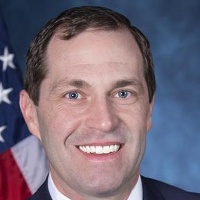
Jason Crow
Representative
CO
Jason Crow
Representative
CO
The Veterans with ALS Reporting Act requires the Secretary of Veterans Affairs to submit a comprehensive report to Congress on the prevalence of Amyotrophic Lateral Sclerosis (ALS) among veterans. This report must detail current support resources, identify gaps, and propose plans for reducing ALS incidence and improving clinical trial access for affected veterans. The VA will also be required to continuously track ALS rates using the CDC's existing registry.
This bill mandates the Department of Defense to submit a comprehensive strategy outlining its approach to leveraging biotechnology for national security, industry collaboration, and international partnership.
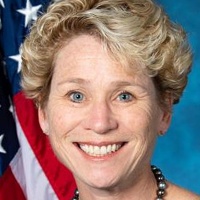
Chrissy Houlahan
Representative
PA
Chrissy Houlahan
Representative
PA
The Defense Biotechnology Strategy Act mandates that the Secretary of Defense submit a comprehensive strategy to Congress within one year. This strategy must outline the Department of Defense's approach to leveraging emerging biotechnologies for national security. It requires detailed plans for integrating biotechnology into defense manufacturing, procurement, and international partnerships, particularly with NATO allies.
The VA Work-Study Improvement Act expands eligible work-study activities, clarifies minimum wage standards, mandates electronic timesheets, and requires annual publication of program data.
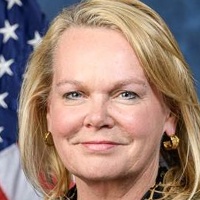
April McClain Delaney
Representative
MD
April McClain Delaney
Representative
MD
The VA Work-Study Improvement Act expands approved work-study locations to include state/local government agencies and nonprofits that benefit veterans. It establishes a clear standard for the minimum hourly wage paid to participants and mandates the use of electronic timesheets. Furthermore, the bill requires the VA to annually publish detailed data regarding the work-study program's activities and participants.
This bill authorizes the Departments of Justice and State to provide technical assistance and support to Ukraine to facilitate the return of abducted children, exchange prisoners of war, and release civilian detainees.
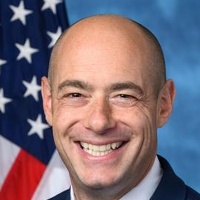
Greg Landsman
Representative
OH
Greg Landsman
Representative
OH
This bill, the Abducted Ukrainian Children Recovery and Accountability Act, authorizes the Departments of Justice and State to provide technical assistance and training to Ukraine. This support aims to help Ukraine secure the exchange of prisoners of war, release civilian detainees, and facilitate the return of forcibly transferred Ukrainian children. The legislation also mandates support for the rehabilitation of returned children and the investigation and prosecution of those responsible for the abductions.
This bill reauthorizes key programs under the North Korean Human Rights Act of 2004, strengthens efforts to promote human rights and freedom of information in North Korea, and addresses the urgent need for family reunions for divided Korean Americans.
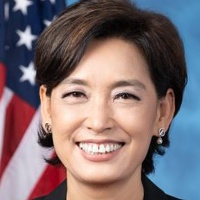
Young Kim
Representative
CA
Young Kim
Representative
CA
The North Korean Human Rights Reauthorization Act of 2025 seeks to continue and strengthen U.S. efforts to promote human rights and democracy in North Korea. The bill reauthorizes key programs and emphasizes the need to increase the flow of outside information into the isolated nation. It also urges China to cease forcibly repatriating North Korean refugees and calls for prioritizing family reunions for divided Korean Americans. Finally, the Act establishes new reporting requirements concerning U.S. human rights activities related to North Korea.
This Act establishes a grant program within the Department of the Interior to fund the preservation of historic military vessels for public education.
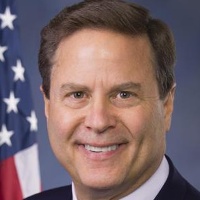
Donald Norcross
Representative
NJ
Donald Norcross
Representative
NJ
The Save Our Ships Act establishes the Historic Naval Ship Preservation Grant Program within the Department of the Interior. This program will provide competitive grants to support the physical preservation of historic military vessels for public education. The grants can also fund workforce development programs related to maritime careers. The legislation authorizes $5 million annually for the program starting in fiscal year 2026.
This resolution honors the service and sacrifice of America's veterans and reaffirms the nation's commitment to supporting them and their families.
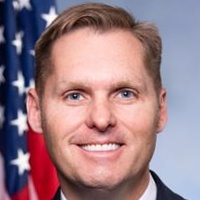
Michael Guest
Representative
MS
Michael Guest
Representative
MS
This resolution honors the service and sacrifice of America's veterans on Veterans Day, 2025, recognizing the history of the observance from Armistice Day. It affirms the nation's deep commitment to supporting the over 15 million veterans and their families. The resolution calls upon the public to observe Veterans Day and ensure veterans continue to receive the services they deserve.
This bill authorizes a Congressional Gold Medal to honor the heroic service of USMC Medevac Marines and Navy Corpsmen during the Vietnam War.
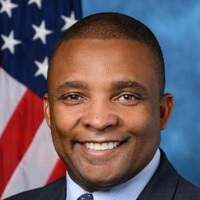
Donald Davis
Representative
NC
Donald Davis
Representative
NC
This bill authorizes the presentation of a single Congressional Gold Medal to honor the Medevac Marines and Navy Corpsmen who served in helicopter support roles during the Vietnam War. The legislation recognizes their heroic service, which included critical troop transport, supply delivery, and life-saving medical evacuations under dangerous conditions. The gold medal will be struck by the Secretary of the Treasury and ultimately displayed at the National Museum of the United States Navy. The Secretary is also authorized to sell bronze duplicates of the medal to the public.
This act prohibits the Department of Housing and Urban Development from counting veterans' disability and dependency compensation as household income when determining eligibility and rent for housing assistance programs.
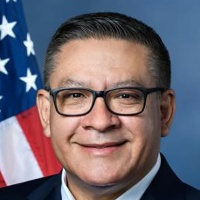
Salud Carbajal
Representative
CA
Salud Carbajal
Representative
CA
The Home for the Brave Act of 2025 ensures that veterans' disability compensation and dependency/indemnity compensation are not counted as household income by the Department of Housing and Urban Development (HUD). This change will positively affect eligibility and the calculation of housing assistance benefits for veterans and their families.
This bill expands eligibility for Department of Defense Education Activity (DoDEA) schools to dependents of certain reserve component members on accompanied permanent change of station orders.
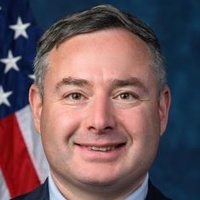
Eugene Vindman
Representative
VA
Eugene Vindman
Representative
VA
The Total Force Family Education Act expands eligibility for Department of Defense Education Activity (DoDEA) schools to dependents of certain reserve component members. This provision applies when the service member is on active duty orders for an accompanied permanent change of station. Eligible dependents will be automatically enrolled if space is available at the school located at the member's permanent installation.
This Act establishes an interagency task force, led by the FTC and DOJ, to develop and implement a national strategy to combat scams through coordination, education, and enforcement.
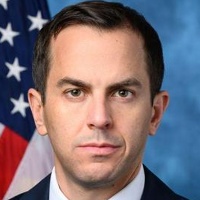
Robert Menendez
Representative
NJ
Robert Menendez
Representative
NJ
This Act establishes the **Strategic Task Force on Scam Prevention**, an interagency group led by the FTC and DOJ, to combat fraud. The task force is charged with developing and implementing a national strategy that includes public education, industry coordination, and enhanced enforcement actions. It will also coordinate with international partners and report annually on its efforts to reduce financial losses from scams.