Legislative Activity
Track Cleo's sponsored bills, co-sponsored legislation, and voting record
This bill ensures federal firefighters receive uninterrupted pay during fiscal year 2026 budget delays and protects them from layoffs during government shutdowns.
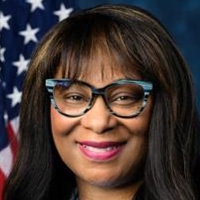
Janelle Bynum
Representative
OR
Janelle Bynum
Representative
OR
The Federal Firefighter Paycheck Protection Act ensures that federal firefighters continue to receive their pay and allowances if Congress delays passing the budget for fiscal year 2026. This legislation also prohibits the reduction in force or layoffs of federal firefighters specifically due to government shutdowns caused by funding lapses. Essentially, this bill protects the paychecks and employment stability of federal firefighters during budget uncertainty.
This Act provides appropriations and mandates contract price adjustments to compensate federal contractor employees for losses incurred due to funding lapses or government shutdowns.
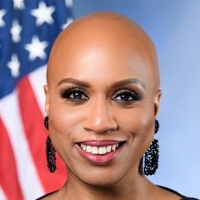
Ayanna Pressley
Representative
MA
Ayanna Pressley
Representative
MA
The Fair Pay for Federal Contractors Act of 2025 ensures that employees of federal contractors are compensated for losses incurred due to government funding lapses or shutdowns. It requires federal agencies to adjust existing contracts to cover reasonable costs associated with furloughs, pay cuts, or mandatory leave taken by contractor employees. The bill appropriates necessary funds to cover these contract price adjustments and mandates public reporting on the compensation provided.
This bill establishes an Agricultural Trade Enforcement Task Force to prioritize and expedite U.S. action against foreign agricultural trade barriers, specifically mandating a plan to challenge India's excessive price support programs at the WTO.
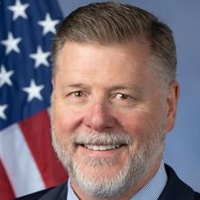
Eric Crawford
Representative
AR
Eric Crawford
Representative
AR
This bill establishes the Prioritizing Offensive Agricultural Disputes and Enforcement Act to aggressively address foreign trade barriers harming U.S. agricultural exports. It specifically mandates immediate action, including a plan to initiate a World Trade Organization dispute against India for its excessive agricultural price supports. The legislation also creates an Agricultural Trade Enforcement Task Force to proactively identify and enforce trade agreements against significant foreign barriers.
This act expands physical therapists' participation in the National Health Service Corps loan repayment program and ensures Medicare coverage for their services at Rural Health Clinics and Federally Qualified Health Centers.

Diana DeGette
Representative
CO
Diana DeGette
Representative
CO
The Physical Therapist Workforce and Patient Access Act of 2025 aims to increase patient access to physical therapy, recognizing its importance in pain management and recovery. This bill integrates physical therapists into the National Health Service Corps, making them eligible for loan repayment in underserved areas. Furthermore, it mandates that Medicare Rural Health Clinics and Federally Qualified Health Centers cover physical therapy services starting in 2027.
The Patients Deserve Price Tags Act mandates comprehensive price transparency for hospitals, labs, and ambulatory surgical centers, strengthens cost disclosure for health plans, and requires itemized billing and detailed Explanation of Benefits for patients.
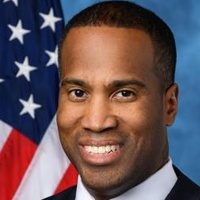
John James
Representative
MI
John James
Representative
MI
The Patients Deserve Price Tags Act aims to significantly increase healthcare price transparency across the board. It mandates that hospitals, clinical diagnostic laboratories, and ambulatory surgical centers must publicly post detailed, consumer-friendly pricing information, including negotiated rates and cash prices. Furthermore, the bill strengthens requirements for health plans to provide real-time cost-sharing estimates and mandates itemized Explanation of Benefits (EOBs) and itemized bills to consumers after receiving care. Finally, it increases fiduciary oversight by requiring group health plans to gain greater access to claims and payment data from their service providers.
This resolution officially recognizes the critical disparities in Black youth mental health access and treatment and urges the administration to implement recommendations to address the crisis.
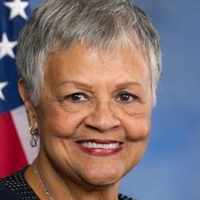
Bonnie Watson Coleman
Representative
NJ
Bonnie Watson Coleman
Representative
NJ
This resolution formally recognizes the critical disparities in mental health access and treatment for Black youth, citing alarming increases in suicide rates among this population. It calls on the current administration to build upon previous efforts and implement recommendations from the *Ring the Alarm* report. The bill specifically urges increased funding, promotion of community education to reduce stigma, and protection of existing mental health service structures.
**Katie Meyer's Law mandates that colleges receiving federal funding must offer students accused of misconduct the option of having a trained adviser present during disciplinary proceedings.**
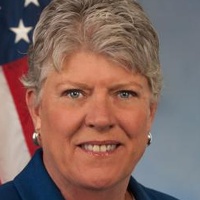
Julia Brownley
Representative
CA
Julia Brownley
Representative
CA
Katie Meyer's Law mandates that colleges and universities receiving federal funding must provide students accused of code of conduct violations the option to have a trained adviser assist them through the disciplinary process. Students can choose their own adviser or request an independent one provided by the institution. Additionally, the bill updates campus security reporting requirements to include incidents of suicide.
This act stops the collection of annual mortgage insurance premiums once a homeowner's loan balance reaches 78% of the original value, unless the insurance fund's capital ratio falls below 2%.
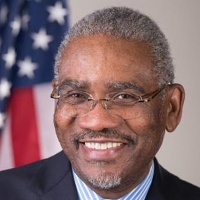
Gregory Meeks
Representative
NY
Gregory Meeks
Representative
NY
The Mortgage Insurance Freedom Act aims to eliminate the collection of annual mortgage insurance premiums once a homeowner's loan balance drops to 78% or less of the original value. This change applies only to newly insured mortgages, though the government can resume collecting premiums if the insurance fund's capital ratio falls below 2%. The Secretary of HUD must establish rules and inform homeowners on how to verify their eligibility to stop paying.
This resolution supports designating September 2025 as "National Voting Rights Month" while urging Congress to pass legislation that expands voting access and restores rights lost due to felony convictions.
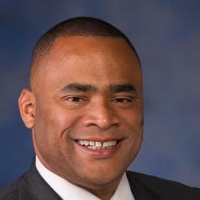
Marc Veasey
Representative
TX
Marc Veasey
Representative
TX
This resolution supports designating September 2025 as "National Voting Rights Month" to highlight ongoing threats to fair elections, such as gerrymandering and restrictive voting laws. It urges Congress to pass key legislation like the Freedom to Vote Act and the Democracy Restoration Act. The bill also encourages educational programs about voting history and registration efforts nationwide. Ultimately, it calls for federal action to protect and expand access to the ballot box for all citizens.
This Act reinforces the political independence of the Federal Reserve by prohibiting Governors and key regional bank officers from simultaneously holding any other position requiring a Presidential appointment.
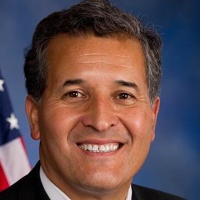
Juan Vargas
Representative
CA
Juan Vargas
Representative
CA
The Fed Integrity and Independence Act of 2025 reinforces the Federal Reserve's separation from political influence by prohibiting members of the Board of Governors and regional Federal Reserve Bank leaders from holding any other position requiring a Presidential appointment. This measure aims to ensure monetary policy decisions remain focused on long-term stability rather than short-term political pressures. Any current officeholder who violates this new dual-appointment restriction will have their Fed service terminated immediately upon the Act's enactment.
The Preparing And Retaining All (PARA) Educators Act establishes a federal grant program to help states fund local efforts aimed at recruiting, retaining, and credentialing school paraprofessionals, prioritizing high-need and low-income districts.
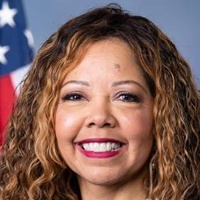
Lucy McBath
Representative
GA
Lucy McBath
Representative
GA
The Preparing And Retaining All (PARA) Educators Act establishes a new federal grant program to help states recruit and retain school paraprofessionals. Funds will be distributed to states based on their existing Title I allocations to support local districts. States must use these competitive subgrants to improve paraprofessional wages, offer professional development, and support credentialing, prioritizing high-need and rural schools. The law requires annual reporting on compensation improvements and retention efforts.
The SHINE for Autumn Act of 2025 establishes federal grants for states to improve stillbirth surveillance, data collection, and risk factor research while mandating the development of standardized educational guidelines on stillbirth.
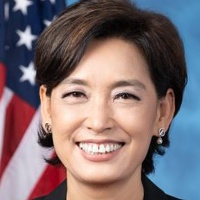
Young Kim
Representative
CA
Young Kim
Representative
CA
The SHINE for Autumn Act of 2025 aims to significantly improve federal support for state-level stillbirth research and data collection. It authorizes grants for states to enhance surveillance, track risk factors, and build local capacity for analyzing stillbirth data, provided the information remains de-identified. Furthermore, the bill mandates the development of standardized guidelines and educational materials regarding stillbirth awareness and risk factors, developed in consultation with experts and bereaved families.
This bill mandates dedicated, funded resources for specialized 988 Suicide Prevention Lifeline services for LGBTQ+ youth.
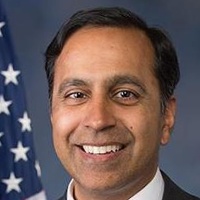
Raja Krishnamoorthi
Representative
IL
Raja Krishnamoorthi
Representative
IL
The **988 LGBTQ+ Youth Access Act of 2025** addresses the high rates of suicide risk among LGBTQ youth by strengthening specialized support through the national crisis hotline. This bill mandates that dedicated resources and services, such as a specific dialing option, must be maintained for LGBTQ individuals contacting 988. Furthermore, it requires that at least 9 percent of appropriated funds for the hotline be specifically reserved to ensure these specialized services for LGBTQ youth remain fully operational.
This bill amends the Social Security Act to provide Medicare coverage for FDA-approved multi-cancer early detection screening tests starting in 2028.
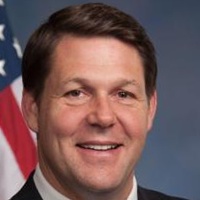
Jodey Arrington
Representative
TX
Jodey Arrington
Representative
TX
The Nancy Gardner Sewell Medicare Multi-Cancer Early Detection Screening Coverage Act amends the Social Security Act to provide Medicare Part B coverage for multi-cancer early detection screening tests starting January 1, 2028. This legislation establishes clear criteria for qualifying tests and outlines payment structures to ensure beneficiaries have access to these advanced diagnostic tools. Importantly, this coverage is designed to complement, rather than replace, existing Medicare-covered cancer screenings.
This constitutional amendment grants Congress and the states the authority to regulate campaign contributions and expenditures, and to establish public financing systems for political campaigns.
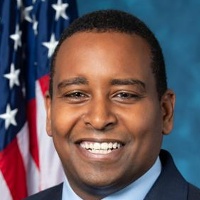
Joe Neguse
Representative
CO
Joe Neguse
Representative
CO
This constitutional amendment seeks to grant Congress and the states the authority to regulate contributions and expenditures in political campaigns. It specifically allows for the establishment of public financing systems to offset the influence of private money in elections. The amendment ensures that any regulations enacted must not infringe upon the freedom of the press.
The FAMILY Act establishes a national paid family and medical leave insurance program administered by the Social Security Administration, providing benefits for caregiving related to serious health conditions or victims of violence.

Rosa DeLauro
Representative
CT
Rosa DeLauro
Representative
CT
The FAMILY Act establishes a national Paid Family and Medical Leave Insurance program administered by a new office within the Social Security Administration. This program provides monthly benefits to eligible individuals who take time off for qualified caregiving reasons, including serious health conditions or victims of violence. The Act also sets forth detailed eligibility requirements, benefit calculation formulas, and job protection guarantees for employees utilizing the leave. Finally, it creates a funding mechanism to support existing state-level paid leave programs that meet federal standards.
This Act establishes grants for Minority-Serving Institutions to enhance arts education, support minority students, and address diversity gaps in the arts sector.
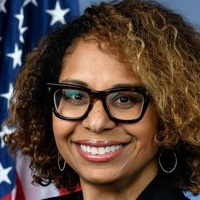
Sydney Kamlager-Dove
Representative
CA
Sydney Kamlager-Dove
Representative
CA
The Equitable Arts Education Enhancement Act establishes a new grant program to boost arts education at Minority-Serving Institutions (MSIs). These funds are intended to increase access to the arts for minority students through financial aid, mentorship, and career development. The bill aims to address the lack of diversity in arts leadership by supporting institutions well-positioned to train diverse arts professionals. Ultimately, this legislation seeks to preserve and promote the work of artists of color while strengthening arts programs nationwide.
This resolution expresses support for designating a week in September 2025 as "National Adult Education and Family Literacy Week" to highlight the critical need for adult education and skills training across the country.
Lucy McBath
Representative
GA
Lucy McBath
Representative
GA
This resolution expresses strong support for designating a specific week as "National Adult Education and Family Literacy Week." The bill highlights the critical need to address low literacy rates among millions of adults, which impacts the economy, workforce readiness, and family success. It encourages communities nationwide to recognize and support local programs that provide essential education, job skills, and family literacy services.
The FLAME Act establishes notification and reimbursement procedures for significant cancellations of training courses offered by the National Academy for Fire Prevention and Control and mandates a GAO study on the impact of such cancellations.
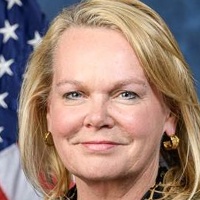
April McClain Delaney
Representative
MD
April McClain Delaney
Representative
MD
The Firefighter Learning And Management Education (FLAME) Act establishes new notification requirements for the Administrator of the U.S. Fire Administration when large-scale cancellations of National Academy for Fire Prevention and Control courses occur. It mandates timely notification to Congress and affected students regarding any significant course reductions. Furthermore, the bill allows fire departments to seek reimbursement for incurred expenses if a course is cancelled for reasons other than "good cause" and requires a GAO study on the impact of these cancellations.
This act establishes a pathway to permanent residency for certain immigrant workers who provided essential services following the September 11th terrorist attacks.
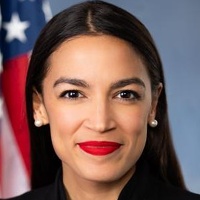
Alexandria Ocasio-Cortez
Representative
NY
Alexandria Ocasio-Cortez
Representative
NY
The 9/11 Immigrant Worker Freedom Act establishes a pathway for certain individuals who provided essential services during the rescue and cleanup efforts following the September 11th terrorist attacks to adjust their status to lawful permanent residents. This relief is available to workers and volunteers who meet specific service hour requirements at the World Trade Center, Pentagon, or Shanksville sites, or those who maintained contaminated vehicles. The bill also mandates fee waivers for eligible applicants and protects their privacy regarding public benefit usage and future immigration enforcement actions.