Legislative Activity
Track Cleo's sponsored bills, co-sponsored legislation, and voting record
This resolution expresses the sense of the House that a commemorative postage stamp should be issued to honor the historical contributions of the Buffalo Soldiers.
Joyce Beatty
Representative
OH
Joyce Beatty
Representative
OH
This resolution expresses the sense of the House of Representatives that a commemorative postage stamp should be issued to honor the historical contributions of the Buffalo Soldiers. It recognizes their significant service in the U.S. Army following the Civil War and through major conflicts. The bill specifically requests that the Citizens Stamp Advisory Committee recommend this stamp to the Postmaster General.
This bill prevents the sitting President and their immediate family from filing claims under the Federal Tort Claims Act while in office.
Bonnie Watson Coleman
Representative
NJ
Bonnie Watson Coleman
Representative
NJ
The CORRUPT Act amends the Federal Tort Claims Act to prohibit the sitting President and their immediate relatives from filing claims under that act while in office. This measure specifically prevents the President and covered family members from seeking damages through the Federal Tort Claims Act during their term.
This resolution recognizes the heroic military service and ongoing challenges faced by Black veterans in their fight for equality and dignity.
Joyce Beatty
Representative
OH
Joyce Beatty
Representative
OH
This Concurrent Resolution expresses the sense of Congress recognizing the heroic military sacrifices and patriotism of Black veterans throughout U.S. history. It acknowledges the significant challenges they faced both during service and upon returning home. The resolution highlights the vital connection between their military service and the ongoing fight for civil rights. Finally, Congress calls attention to the current disparities in health and benefits disproportionately affecting Black veterans.
This resolution urges the USDA to use its contingency funds and interchange authority to ensure continued funding for the Supplemental Nutrition Assistance Program (SNAP), especially during potential government shutdowns.

Suzanne Bonamici
Representative
OR
Suzanne Bonamici
Representative
OR
This resolution expresses the sense of the House that the Department of Agriculture should utilize its existing contingency funds and interchange authority to ensure the Supplemental Nutrition Assistance Program (SNAP) remains fully funded. The bill specifically urges the administration to immediately use these resources to finance SNAP operations, particularly during potential government funding lapses. This action is deemed crucial to support millions of vulnerable Americans, including children, seniors, and veterans, who rely on these benefits.
This resolution commemorates October 2025 as Head Start Awareness Month, recognizing the program's six-decade history of positively impacting over 40 million children and their families through comprehensive support services.

André Carson
Representative
IN
André Carson
Representative
IN
This joint resolution commemorates October 2025 as Head Start Awareness Month to recognize the program's enduring positive impact. It honors Head Start's 60-year legacy of preparing over 40 million children and their families for success through comprehensive health, nutrition, and educational support. The resolution highlights the program's role in promoting long-term academic achievement and empowering parents.
This resolution calls to ban public officials and their families from profiting from cryptocurrency ventures to prevent corruption, conflicts of interest, and foreign influence.
Ro Khanna
Representative
CA
Ro Khanna
Representative
CA
This resolution calls for banning public officials and their families from using their positions for personal enrichment through cryptocurrency ventures. It seeks to prevent conflicts of interest and foreign influence by restricting politicians from issuing or endorsing digital assets. The bill also mandates that current officials holding digital assets place them in a qualified blind trust. Finally, it requires full disclosure of crypto transactions and establishes penalties for violations.
This resolution supports the goals of National Domestic Violence Awareness Month, highlights the pervasive and devastating impact of intimate partner violence across all demographics, and calls for increased funding for prevention and support programs.
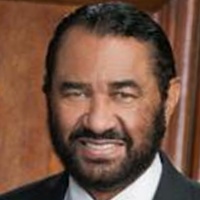
Al Green
Representative
TX
Al Green
Representative
TX
This resolution designates October as National Domestic Violence Awareness Month to highlight the widespread and devastating impact of intimate partner violence across all demographics. It recognizes the urgent need to eliminate domestic violence and supports increased funding for intervention and prevention programs. The resolution underscores the severe physical, emotional, and economic toll this abuse takes on individuals, families, and communities.
This Act ensures the United States Capitol Police receive uninterrupted salaries and expenses during any government shutdown.
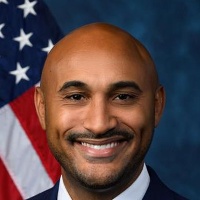
Shomari Figures
Representative
AL
Shomari Figures
Representative
AL
This Act ensures that the salaries and expenses for the United States Capitol Police (USCP) are fully funded during any government shutdown. It appropriates the necessary funds from the Treasury to guarantee uninterrupted pay for USCP employees when discretionary appropriations lapse.
This bill extends deadlines and updates requirements for community water systems to enhance their cybersecurity and resilience against attacks between 2026 and 2031.
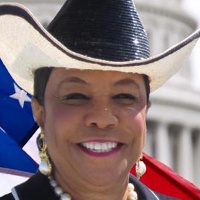
Frederica Wilson
Representative
FL
Frederica Wilson
Representative
FL
The Water Cybersecurity Enhancement Act of 2025 updates requirements for community water systems regarding risk and resilience assessments. It extends relevant deadlines to the 2026 through 2031 period. Furthermore, the bill mandates that water systems focus training and material purchases on cybersecurity defense, response, and related guidance.
This Act expands charitable tax deductions for donations of food storage, transportation, and meal preparation equipment to organizations serving those in need.
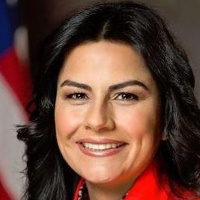
Nanette Barragán
Representative
CA
Nanette Barragán
Representative
CA
The Feed the Community Act amends tax law to encourage charitable donations of essential food service equipment, such as refrigerators, transport vehicles, and preparation tools. This bill expands the definition of eligible donated property beyond just food inventory to include functional food storage, transport, and meal preparation equipment. Donors can elect to limit the reduction in their charitable deduction for these specific donations, subject to certain dollar limits for transport and preparation equipment. These changes are set to take effect for taxable years beginning after December 31, 2025.
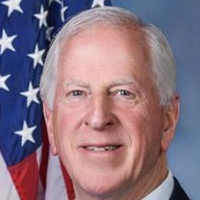
This bill extends and modifies various tax credits for energy production, efficiency improvements, and clean vehicle adoption to lower energy costs and support American energy leadership.
Mike Thompson
Representative
CA
Mike Thompson
Representative
CA
The American Energy Independence and Affordability Act is a comprehensive bill designed to lower energy costs by extending and adjusting key tax incentives across energy production, efficiency, and clean vehicle adoption. It stabilizes support for renewable energy manufacturing, extends deadlines for energy-efficient building credits, and ensures consumer incentives for electric vehicles remain available through 2032. Overall, the legislation aims to provide long-term certainty for energy investments and consumer adoption of cleaner technologies.
The GRAD Act ensures students maintain their enrollment status during a government shutdown, even if it disrupts their Title IV federal student financial aid.
Shomari Figures
Representative
AL
Shomari Figures
Representative
AL
The GRAD Act ensures that students maintain their current enrollment status during a government shutdown, even if federal student aid is temporarily disrupted. This legislation prevents educational institutions from penalizing students by changing their enrollment status due to funding lapses. Essentially, it protects students from negative academic consequences caused by federal funding interruptions.
This bill halts penalties, interest accrual, and negative credit reporting on federal employee student loans during periods of involuntary pay disruption, such as government shutdowns.

Jasmine Crockett
Representative
TX
Jasmine Crockett
Representative
TX
The Halting Education Loan Payments during Federal Employment Disruptions Act (HELP FEDs Act) provides immediate relief for federal employees experiencing involuntary pay disruptions, such as government shutdowns. This bill halts interest accrual and prevents penalties or negative credit reporting on qualified federal student loans during these periods of missed pay. The protections apply retroactively to disruptions occurring on or after October 1, 2025, but the Act does not forgive any underlying loan debt.
This bill requires executive agencies to provide detailed annual reports on their advertising contract expenditures, specifically tracking spending with small, socially and economically disadvantaged, women-owned, and minority-owned businesses.

Eleanor Norton
Representative
DC
Eleanor Norton
Representative
DC
The Federal Government Advertising Equity Accountability Act mandates that executive agencies provide detailed breakdowns of their advertising contract expenditures in their annual budget requests, starting with fiscal year 2027. This new reporting requirement forces agencies to specify total advertising spending alongside amounts directed toward small, socially and economically disadvantaged, women-owned, and minority-owned businesses. The goal is to increase transparency regarding federal advertising investments and equity in contract awards.
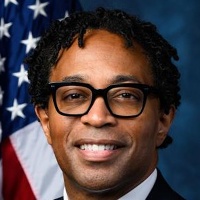
This bill ensures FEMA operations, including disaster relief and payments, continue uninterrupted during a lapse in appropriations by authorizing the use of the Disaster Relief Fund.
Wesley Bell
Representative
MO
Wesley Bell
Representative
MO
The FEMA Operations Continuity Act of 2025 ensures that the Federal Emergency Management Agency (FEMA) can continue all critical disaster relief, recovery, and mitigation operations without interruption during a lapse in appropriations or a government shutdown. This is achieved by explicitly authorizing the use of the Disaster Relief Fund for ongoing and future disaster assistance activities. The Act safeguards these funds from diversion and exempts authorized FEMA work from standard shutdown restrictions by deeming it essential to protect life and property.
This act ensures that state and local funds used to keep Head Start and Early Head Start programs running during a federal government shutdown are fully reimbursed.

Maxine Waters
Representative
CA
Maxine Waters
Representative
CA
The Head Start Shutdown Protection Act of 2025 ensures that states, local governments, or school districts are reimbursed for any of their own funds used to keep Head Start and Early Head Start programs operational during a lapse in federal appropriations. This legislation protects these vital early childhood education services from disruption caused by government shutdowns. By guaranteeing reimbursement, the Act encourages local entities to maintain program continuity without bearing the financial burden.
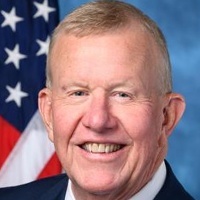
This bill, the Marine Fisheries Habitat Protection Act, establishes a streamlined process for converting inactive offshore oil and gas platforms and pipelines into artificial reefs, contingent upon state assumption of liability.
Mike Ezell
Representative
MS
Mike Ezell
Representative
MS
This bill, the Marine Fisheries Habitat Protection Act, establishes a streamlined process for converting inactive offshore oil and gas platforms and pipelines into artificial reefs. It defines key terms and outlines steps for applicants to seek approval to leave these structures in place, provided they meet environmental and safety criteria. The legislation also facilitates the transfer of long-term liability for these new reefs to participating state agencies. This process temporarily halts government removal orders while applications are under review.
This Act establishes strict evidence requirements for states to remove registered voters from the rolls for federal elections and mandates timely notification to those affected.
Joyce Beatty
Representative
OH
Joyce Beatty
Representative
OH
The Voter Purge Protection Act establishes strict new evidence requirements for states before they can remove registered voters from the rolls for federal elections. States must have objective proof that a voter is ineligible and cannot remove someone solely for not voting or failing to respond to a notice unless it was returned as undeliverable. If a voter is removed, the state must notify them within 48 hours with instructions on how to re-register.
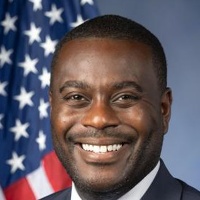
This bill authorizes the Federal Government to reimburse states for using their own funds to maintain WIC program operations during a lapse in federal appropriations.
Gabe Amo
Representative
RI
Gabe Amo
Representative
RI
This bill ensures that states are reimbursed by the Federal Government for any state funds they use to maintain essential operations of the Special Supplemental Nutrition Program for Women, Infants, and Children (WIC) during a lapse in federal appropriations. It provides a mechanism for the Federal Government to pay back states that cover WIC costs during a government shutdown. This protects state budgets while keeping vital nutrition assistance running.
This act automatically reinstates Department of Energy financial assistance awards that were previously canceled based on the May 15, 2025 Secretarial Memorandum.
Nanette Barragán
Representative
CA
Nanette Barragán
Representative
CA
The Stop the Trump Electricity Price Hikes Act immediately reinstates financial assistance awards previously canceled by the Department of Energy (DOE). This action specifically reverses cancellations based on the May 15, 2025 Secretarial Memorandum. The bill ensures these awards continue as if they had never been terminated.