Legislative Activity
Track Sharice's sponsored bills, co-sponsored legislation, and voting record
This Act permanently protects inventoried roadless areas within the National Forest System from new road construction and logging, upholding existing federal "Roadless Rule" prohibitions.
Andrea Salinas
Representative
OR
Andrea Salinas
Representative
OR
The Roadless Area Conservation Act of 2025 aims to provide lasting protection for inventoried roadless areas within the National Forest System. This legislation codifies existing federal regulations, known as the "Roadless Rule," which generally prohibits the construction of new roads or the cutting of timber in these sensitive zones. The purpose is to safeguard critical ecological benefits, clean water sources, and wildlife habitats while maintaining the Forest Service's multiple-use management mission.
The Kids on the Go Act of 2025 incentivizes states to hire a Safe Routes to School Coordinator by increasing the federal funding share for related projects to 95 percent.
Hillary Scholten
Representative
MI
Hillary Scholten
Representative
MI
The Kids on the Go Act of 2025 mandates that every state must designate a Safe Routes to School Coordinator. States that comply with this requirement will receive an increased federal funding share of 95% for eligible Safe Routes to School projects. This aims to boost state efforts in improving safety for students traveling to and from school.
The My Body, My Data Act of 2025 establishes strict limits on the collection, use, and sharing of personal reproductive and sexual health information, while granting individuals robust rights to access, correct, and delete their sensitive data.
Sara Jacobs
Representative
CA
Sara Jacobs
Representative
CA
The My Body, My Data Act of 2025 establishes strict federal protections for personal reproductive and sexual health information held by regulated entities. This law limits data collection and sharing to only what is strictly necessary for providing requested services. It grants individuals the rights to access, correct, and delete this sensitive data, and requires clear public privacy policies detailing data handling practices. Finally, the Act prohibits retaliation against individuals who exercise these new privacy rights and grants enforcement authority to the FTC while allowing individuals to sue violators.
This act increases funding for the Defense Health Agency's research, development, testing, and evaluation, specifically ensuring support for Congressionally Directed Medical Research Programs as outlined in prior appropriations acts.
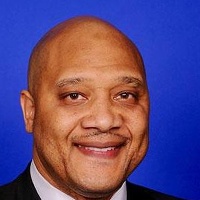
André Carson
Representative
IN
André Carson
Representative
IN
The Medical Research for Our Troops Act increases the budget for the Defense Health Agency's research, development, testing, and evaluation (RDT&E). This legislation specifically restores and increases funding for these critical defense health programs. The restored funds must be used to support all previously directed medical research programs and initiatives as outlined in prior appropriations acts.
The Community TEAMS Act of 2025 establishes grants for medical schools to partner with rural and underserved health facilities to expand community-based clinical training for medical students.
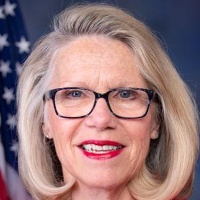
Carol Miller
Representative
WV
Carol Miller
Representative
WV
The Community TEAMS Act of 2025 establishes new federal grants to fund partnerships between medical schools and local health facilities in rural and medically underserved communities. These grants aim to expand clinical training opportunities for medical students in high-need areas. The ultimate goal is to encourage these students to establish long-term medical practices within those communities after graduation.
This Act mandates that most private firearm transfers must go through a licensed dealer to ensure background checks are performed on all purchasers.
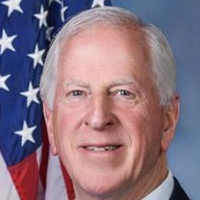
Mike Thompson
Representative
CA
Mike Thompson
Representative
CA
The Bipartisan Background Checks Act of 2025 aims to strengthen existing federal background check systems to prevent prohibited persons from acquiring firearms. This bill primarily mandates that most private firearm transfers must be facilitated through a licensed dealer who will conduct a background check. The legislation includes specific exceptions for family gifts, law enforcement, and temporary transfers under emergency circumstances.
The Kelsey Smith Act mandates that phone and internet service providers immediately disclose a device's location data to law enforcement responding to emergencies involving a recent 911 call or a reasonable suspicion of imminent death or serious harm.
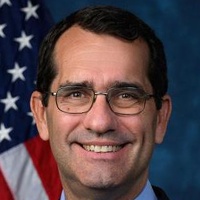
Derek Schmidt
Representative
KS
Derek Schmidt
Representative
KS
The Kelsey Smith Act mandates that providers of certain phone and internet services must immediately disclose a device's location information to law enforcement or emergency dispatchers under specific emergency circumstances. This disclosure is required if there is a reasonable belief the device was recently used for a 911 call or if there is a risk of death or serious physical harm to the user. The Act provides legal protection for providers who comply with these emergency requests while preserving the authority of stricter state laws.
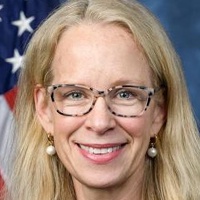
The ADINA Act mandates that drugs containing major food allergens or ingredients derived from gluten-containing grains must clearly display this information on their labels.
Kelly Morrison
Representative
MN
Kelly Morrison
Representative
MN
The ADINA Act mandates that prescription and over-the-counter drugs must clearly label if they contain ingredients derived from major food allergens or gluten-containing grains. This new requirement aims to protect consumers by ensuring transparency regarding potential allergens in medications. Drugs failing to include this specific warning will be considered misbranded under federal law.
The Farmers Feeding America Act of 2025 updates funding rules, increases financial support for storage and infrastructure, and provides flexible food procurement options for geographically isolated states within the Emergency Food Assistance Program.
Andrea Salinas
Representative
OR
Andrea Salinas
Representative
OR
The Farmers Feeding America Act of 2025 aims to strengthen the Emergency Food Assistance Program (TEFAP) by updating funding rules based on 2030 data and mandating $500 million in annual funding from 2026 through 2030. The bill doubles funding for food storage and distribution costs to $200 million and extends infrastructure grant eligibility until 2030. Furthermore, it establishes new flexibility for geographically isolated states, allowing them alternative methods for receiving or purchasing necessary food commodities.
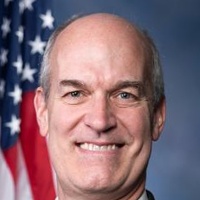
The PROTECT Act of 2025 grants Tribal courts authority to issue warrants under the Stored Communications Act, expands Tribal court jurisdiction over certain drug and gun offenses, and includes offenders under this new jurisdiction in the Bureau of Prisons Tribal Prisoner Program.
Rick Larsen
Representative
WA
Rick Larsen
Representative
WA
The PROTECT Act of 2025 enhances Tribal sovereignty by formally recognizing Tribal courts as competent jurisdictions under federal laws governing electronic data requests, such as the Stored Communications Act. It also expands the scope of offenses over which Tribal courts have jurisdiction, specifically including defined controlled substance and firearms offenses on Tribal lands. Furthermore, the bill ensures that offenders convicted under this expanded Tribal jurisdiction can participate in the Bureau of Prisons Tribal Prisoner Program.
This resolution urgently calls for the immediate delivery of humanitarian aid to address the severe hunger crisis in Gaza and demands the administration use all diplomatic means to secure hostage release and end the fighting.

Pramila Jayapal
Representative
WA
Pramila Jayapal
Representative
WA
This resolution formally expresses the House of Representatives' grave concern over the severe humanitarian crisis and widespread suffering of civilians in Gaza, alongside the plight of hostages. It urgently calls on the Administration to use all diplomatic tools to secure the release of all hostages. Furthermore, the bill demands the immediate delivery and secure distribution of essential humanitarian aid to address the catastrophic hunger crisis in Gaza.
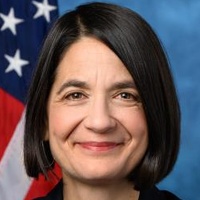
This Act immediately repeals specific Executive Orders that harm LGBTQI+ individuals and prohibits the use of federal funds to enforce them, while preserving the President's constitutional authority.
Becca Balint
Representative
VT
Becca Balint
Representative
VT
The No Place for LGBTQ+ Hate Act immediately repeals specific Executive Orders that reportedly targeted or limited the rights of LGBTQI individuals across federal areas like employment and healthcare. This legislation also prohibits the use of any federal funds to enforce or carry out these canceled orders. The bill includes a savings provision to ensure it does not infringe upon the President's existing constitutional authority.
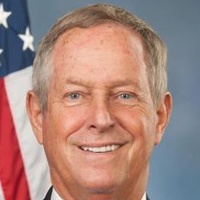
This act establishes a federal tax credit of up to \$5,000 to reimburse living organ donors for related travel, lodging, medical, and lost wage expenses.
Joe Wilson
Representative
SC
Joe Wilson
Representative
SC
The Living Organ Donor Tax Credit Act establishes a new federal tax credit of up to \$5,000 for living donors who incur expenses related to donating a qualified life-saving organ. This credit is designed to reimburse costs such as travel, lodging, lost wages, and medical expenses associated with the donation process. The bill ensures this tax benefit coordinates with existing federal support programs and clarifies that it does not constitute illegal payment for organs.
The Fair and Equal Housing Act of 2025 updates the Fair Housing Act to explicitly prohibit discrimination based on sexual orientation and gender identity, and expands protections against discrimination based on association or perceived identity.
Bradley Schneider
Representative
IL
Bradley Schneider
Representative
IL
The Fair and Equal Housing Act of 2025 significantly updates existing fair housing laws to explicitly prohibit discrimination based on sexual orientation and gender identity. This legislation broadens protections to cover discrimination based on association or perceived association with protected groups. Furthermore, it strengthens anti-intimidation measures related to these newly defined protected characteristics in housing matters.
The TERRA Act establishes a framework for federally recognized Indian Tribes to consolidate multiple federal environmental resiliency funds into a single, flexible plan, streamlining administration and increasing self-determination.
Emily Randall
Representative
WA
Emily Randall
Representative
WA
The TERRA Act establishes a framework allowing federally recognized Indian Tribes to consolidate funding from multiple eligible federal programs into a single, flexible plan for environmental resiliency and community needs. This grants Tribes significant self-determination by streamlining bureaucratic requirements, simplifying reporting, and providing strong authority to waive federal regulations that impede their plans. The legislation mandates federal agencies to coordinate their reviews and accelerate the transfer of funds to participating Tribes. Ultimately, the Act aims to increase efficiency and local control over federal resources while protecting sensitive Traditional Ecological Knowledge.
The Magnus White Cyclist Safety Act of 2025 mandates the Department of Transportation to establish performance standards for automatic emergency braking systems in new passenger vehicles that effectively detect vulnerable road users, including cyclists, in all light conditions.
Joe Neguse
Representative
CO
Joe Neguse
Representative
CO
The Magnus White Cyclist Safety Act of 2025 mandates the Department of Transportation to establish performance standards for automatic emergency braking systems in new passenger vehicles. These standards must ensure the systems can detect vulnerable road users, including cyclists, in various lighting conditions. The final rule must be issued within three years, with compliance required within two model years following the rule's issuance.
This Act mandates the National Park Service to establish a program to reduce and eliminate the sale and distribution of disposable plastic products, like single-use water bottles and utensils, across all national park units.

Mike Quigley
Representative
IL
Mike Quigley
Representative
IL
The Reducing Waste in National Parks Act mandates the National Park Service (NPS) to establish a program to significantly reduce or eliminate the sale and distribution of disposable plastic products, including single-use water bottles, across all park units. Regional directors must implement these changes while considering operational costs, visitor safety regarding water access, and vendor contracts. The law also requires proactive visitor education and biennial reviews to assess the program's effectiveness and public impact.
This bill officially revokes the twenty Medals of Honor awarded for actions during the Wounded Knee Massacre of 1890 while allowing recipients to keep the physical medals and associated benefits.
Jill Tokuda
Representative
HI
Jill Tokuda
Representative
HI
The Remove the Stain Act officially rescinds the 20 Medals of Honor awarded to U.S. soldiers for actions during the Wounded Knee Massacre of 1890. This legislation aims to preserve the integrity of the nation's highest military honor by voiding awards given for the killing of predominantly unarmed Native Americans. While the recognition is revoked and names will be removed from the official rolls, recipients will not be required to return the physical medal or forfeit any associated benefits.
This bill establishes the National ACERT Grant Program to fund states, local governments, Tribes, and community organizations in developing comprehensive responses to adverse childhood experiences (ACEs).
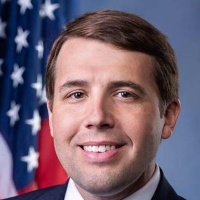
Chris Pappas
Representative
NH
Chris Pappas
Representative
NH
The National ACERT Grant Program Authorization Act establishes a new federal grant program to help communities address the impact of adverse childhood experiences (ACEs). Administered by the Attorney General and HHS, these grants will fund local teams to improve trauma response systems, coordinate services, and train professionals. The legislation authorizes $10 million annually for these efforts from fiscal years 2026 through 2029.
The Fit to Serve Act prohibits discrimination against service members and recruits in the Armed Forces based on their gender identity.
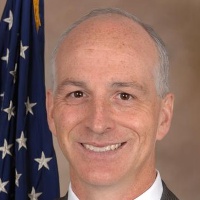
Adam Smith
Representative
WA
Adam Smith
Representative
WA
The Fit to Serve Act prohibits the U.S. Armed Forces from discriminating against service members based on their gender identity. This means military branches cannot set different standards, involuntarily discharge personnel, or deny medically necessary healthcare due to a service member's gender identity. The bill ensures equal opportunity for joining, serving, and receiving care regardless of one's internal sense of self.