
Legislative Activity
Track Debbie's sponsored bills, co-sponsored legislation, and voting record
The Keep Kids Covered Act extends continuous Medicaid and CHIP coverage for children and former foster youth to ensure longer periods without re-enrollment.

Kathy Castor
Representative
FL
Kathy Castor
Representative
FL
The Keep Kids Covered Act aims to ensure children maintain continuous health coverage under Medicaid and CHIP for longer periods. This legislation extends continuous eligibility for children under age 19, significantly increasing the duration they remain covered without needing to re-enroll. Furthermore, it grants former foster youth continuous Medicaid eligibility until they turn 26.
This Act expands Medicare coverage for hereditary cancer genetic testing, preventative surgeries, and evidence-based cancer screenings for at-risk individuals.
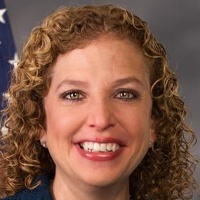
Debbie Wasserman Schultz
Representative
FL
Debbie Wasserman Schultz
Representative
FL
The Reducing Hereditary Cancer Act expands Medicare coverage for individuals with a family or personal history suggestive of hereditary cancer. This legislation mandates Medicare coverage for appropriate genetic testing and risk-reducing preventive surgeries. Furthermore, it allows for expanded, evidence-based cancer screenings for individuals already diagnosed with a hereditary cancer gene mutation.
This bill establishes a new system for distributing up to 2,000 additional Medicare-funded residency positions annually from 2026 through 2032, prioritizing hospitals serving underserved areas, and mandates a study on strategies to increase workforce diversity.
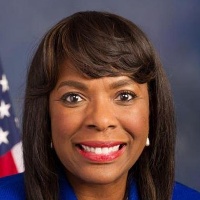
Terri Sewell
Representative
AL
Terri Sewell
Representative
AL
The Resident Physician Shortage Reduction Act of 2025 establishes a structured process for distributing up to 2,000 additional, federally funded residency positions annually between fiscal years 2026 and 2032. This distribution prioritizes hospitals serving in underserved areas, those already training above their limit, and those committed to primary care and general surgery training. The bill also mandates a study and report by the Comptroller General on effective strategies to increase diversity within the health professional workforce.
This constitutional amendment prohibits immunity from criminal prosecution for federal officials based on their official duties and bars the President from self-pardoning.
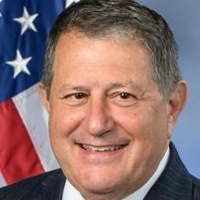
Joseph Morelle
Representative
NY
Joseph Morelle
Representative
NY
This proposed constitutional amendment would eliminate immunity from criminal prosecution for federal officials, including the President, based on their official duties. It also explicitly prohibits the President from issuing a self-pardon for any federal crimes. If ratified, these changes would take effect immediately.
The Supporting Apprenticeship Colleges Act of 2025 establishes grant programs to boost outreach for construction and manufacturing apprenticeships and to fund academic advising and student support services for apprentices in those fields.
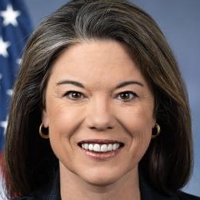
Angie Craig
Representative
MN
Angie Craig
Representative
MN
The Supporting Apprenticeship Colleges Act of 2025 establishes two grant programs totaling \$10 million annually to boost construction and manufacturing apprenticeships. The first program funds community outreach to recruit students and connect programs with local employers, particularly in rural areas. The second program provides funds for expanded academic advising and student support services to improve program retention and completion rates. The Act also formally defines specialized apprenticeship colleges and sets reporting requirements for grant recipients.
Ally's Act mandates that certain private health insurance plans must cover auditory implant devices, related services, and upgrades for qualifying individuals without imposing stricter cost-sharing or treatment limitations than other medical benefits.

Joe Neguse
Representative
CO
Joe Neguse
Representative
CO
The Ally's Act mandates that certain private health insurance plans must cover auditory implant devices, related supplies, and necessary services for qualifying individuals. This coverage must be comparable to other medical and surgical benefits regarding cost-sharing and treatment limitations. Furthermore, plans cannot deny coverage if a physician or qualified audiologist determines the required hearing items or services are medically necessary. These new requirements take effect for plan years beginning on or after January 1, 2026.
Dillon's Law updates federal guidelines to grant preference points to states that allow any trained personnel, not just school employees, to administer epinephrine delivery systems in schools.
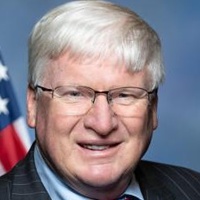
Glenn Grothman
Representative
WI
Glenn Grothman
Representative
WI
Dillon's Law amends federal guidelines to grant preference points to states that allow trained, non-school personnel to administer epinephrine in schools. This change broadens the definition of who can provide life-saving medication beyond just school employees. The law also updates terminology to cover a wider range of epinephrine delivery systems.
This bill expands Medicare coverage for mental health services provided by qualified doctoral interns and postdoctoral residents in psychology and directs guidance to states for similar coverage under Medicaid and CHIP.
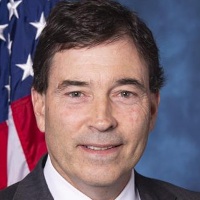
Troy Balderson
Representative
OH
Troy Balderson
Representative
OH
The Accelerating the Development of Advanced Psychology Trainees (ADAPT) Act aims to expand Medicare coverage for mental health services provided by qualified doctoral interns and postdoctoral residents under general supervision. This legislation directs the Secretary of Health and Human Services to establish necessary billing codes for Medicare reimbursement one year after enactment. Furthermore, the Act requires the Secretary to issue guidance to states on removing barriers to covering these trainee services under Medicaid and CHIP programs.
The Healing Partnerships for Survivors Act establishes grants to foster collaboration between health, behavioral health, disability, and sexual assault service providers to create stronger, coordinated support systems for survivors of sexual assault.
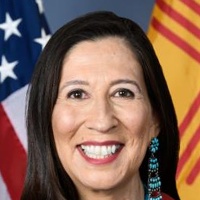
Teresa Leger Fernandez
Representative
NM
Teresa Leger Fernandez
Representative
NM
The Healing Partnerships for Survivors Act establishes new federal grants to foster stronger collaborations between health providers, behavioral health programs, disability services, and sexual assault organizations. These funds aim to create coordinated, trauma-informed systems of care that improve comprehensive support for survivors of sexual assault, including adult survivors of childhood sexual abuse. The grants will support activities like direct services, specialized training, and culturally relevant wellness options.
This act mandates the FDA to study the human health impacts of microplastic exposure through food and water and report recommendations to Congress.

Janelle Bynum
Representative
OR
Janelle Bynum
Representative
OR
The Microplastics Safety Act mandates the FDA to conduct a comprehensive study on the human health impacts of microplastic exposure through food and water. This research must specifically investigate risks to children's health, endocrine function, cancer, and reproduction. Following the study, the FDA is required to report its findings and recommend necessary legislative or regulatory actions to Congress.
This bill expands Medicaid coverage for certain individuals with breast or cervical cancer and mandates coverage for breast reconstruction following a mastectomy.

Maxine Waters
Representative
CA
Maxine Waters
Representative
CA
The Medicaid Breast Cancer Access to Treatment Act expands Medicaid eligibility to cover certain individuals who have had breast or cervical cancer. This legislation also mandates that Medicaid coverage must include breast reconstruction surgery following a medically necessary mastectomy. These changes aim to ensure comprehensive care and remove financial barriers for cancer survivors under the program.
This bill places a temporary moratorium on the closure or restriction of access to National Oceanic and Atmospheric Administration (NOAA) facilities until 180 days after a required justification report is submitted to Congress.
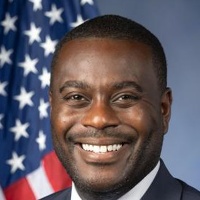
Gabe Amo
Representative
RI
Gabe Amo
Representative
RI
The Stop NOAA Closures Act places a temporary moratorium on the closure or restriction of access to any National Oceanic and Atmospheric Administration (NOAA) facilities. This freeze remains in effect until 180 days after key officials submit a required report to Congress detailing the criteria and process for any future facility changes. After the moratorium lifts, any major facility action will still require a 30-day advance notice and justification report to Congress, except in cases of immediate emergency threatening staff safety.
This bill requires suppliers to inform Medicare beneficiaries undergoing a medically necessary mastectomy that breast reconstruction surgery is covered before performing the procedure, or face non-payment for the mastectomy.
Maxine Waters
Representative
CA
Maxine Waters
Representative
CA
The Medicare Breast Reconstruction Access and Information Act mandates that suppliers performing medically necessary mastectomies must inform patients about their Medicare coverage for post-mastectomy breast reconstruction. This information must be provided and documented in the patient's medical file before the surgery takes place. Failure to comply will result in Medicare withholding payment for the mastectomy procedure.
This act enhances protections for Medicare beneficiaries receiving orthotic and prosthetic care by ensuring required training accompanies direct shipments and expanding exemptions within competitive acquisition programs.

Glenn Thompson
Representative
PA
Glenn Thompson
Representative
PA
The Medicare Orthotics and Prosthetics Patient-Centered Care Act aims to enhance protections for Medicare beneficiaries receiving custom braces and artificial limbs. This bill ensures that payment will not be made for certain devices shipped directly to a patient without required training from a qualified practitioner. Additionally, it expands exemptions from competitive bidding for certain providers and clarifies access to replacement custom orthotic devices.
The Toxic-Free Beauty Act of 2025 bans the intentional use of specific harmful chemicals and limits certain contaminants in cosmetic products sold in the U.S., effective January 1, 2027, while preserving states' rights to enact stricter regulations.

Janice Schakowsky
Representative
IL
Janice Schakowsky
Representative
IL
The Toxic-Free Beauty Act of 2025 establishes new federal standards for cosmetic safety by banning the intentional addition of specific harmful chemicals, such as formaldehyde and certain parabens, in products sold in the U.S. It also sets maximum allowable limits for certain contaminants like 1,4 dioxane and lead. Importantly, this federal legislation does not preempt stricter state laws regarding cosmetic ingredients. These new requirements will take effect for products shipped interstate starting January 1, 2027.
This Act mandates research into cosmetic health disparities affecting communities of color and salon workers, funds safer alternative development, establishes resource centers for beauty justice and worker safety, and requires translated safety data sheets for professional products, while also regulating synthetic braids.
Janice Schakowsky
Representative
IL
Janice Schakowsky
Representative
IL
The Cosmetic Safety for Communities of Color and Professional Salon Workers Act of 2025 aims to enhance cosmetic safety through targeted research into health disparities affecting communities of color and salon workers. The bill mandates improved access to safety data sheets in multiple languages for professional products and establishes two new National Resource Centers to empower these communities and workers. Finally, it brings synthetic hair braids under FDA cosmetic regulation, requiring new safety standards and labeling.
This Act mandates federal standards requiring employers to implement comprehensive heat illness and injury prevention programs to protect workers from dangerous heat stress.
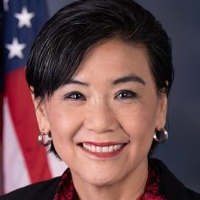
Judy Chu
Representative
CA
Judy Chu
Representative
CA
The Asunción Valdivia Heat Illness, Injury, and Fatality Prevention Act of 2025 mandates that employers protect workers from dangerous heat stress by establishing comprehensive safety standards. This Act requires the Secretary of Labor to create evidence-based rules covering engineering controls, administrative procedures, required training, and paid rest breaks to prevent heat-related illness. Furthermore, the law establishes strict enforcement mechanisms, whistleblower protections, and specific timelines for the implementation of these new federal heat protection standards.
This bill mandates comprehensive online and label disclosure of all cosmetic ingredients, especially fragrances and flavors, while preserving stronger state regulations.
Janice Schakowsky
Representative
IL
Janice Schakowsky
Representative
IL
The Cosmetic Hazardous Ingredient Right to Know Act of 2025 significantly updates cosmetic regulation by mandating comprehensive ingredient disclosure, especially for fragrances and flavors, on both product labels and brand owner websites. This law requires detailed, machine-readable online ingredient lists and specific hazard warnings on packaging if certain harmful chemicals are present. Importantly, this federal act preserves the authority of states to enact stricter ingredient bans or transparency requirements.
This Act mandates increased ingredient and supply chain transparency for cosmetics, establishes federal standards while preserving stricter state regulations, and requires the FDA to maintain a public list of harmful trace constituents.
Janice Schakowsky
Representative
IL
Janice Schakowsky
Representative
IL
The Cosmetic Supply Chain Transparency Act of 2025 enhances cosmetic regulation by requiring detailed ingredient and supply chain information sharing between brand owners and suppliers. This law mandates the FDA to create a public list of harmful, nonfunctional chemical traces that suppliers must eventually test for and certify. Importantly, this federal legislation preserves the right of states to enact stricter ingredient or transparency rules than those established here.
This Act establishes federal funding for research, state grants, and public awareness campaigns aimed at improving the early detection, intervention, and treatment of uterine fibroids.

Shontel Brown
Representative
OH
Shontel Brown
Representative
OH
The Uterine Fibroid Intervention and Gynecological Health Treatment Act of 2025 aims to improve the detection and treatment of uterine fibroids. It mandates federal research to develop evidence-based early detection strategies and establishes grant programs for states to fund screening, education, and intervention services, prioritizing vulnerable populations. Furthermore, the bill allocates funding for research into pain management related to fibroid surgery and other uterine conditions.