
Legislative Activity
Track Debbie's sponsored bills, co-sponsored legislation, and voting record
This resolution calls for prioritizing mental health equally with physical health to combat the national epidemics of suicide and drug overdose by expanding resources, enforcing parity, and reducing stigma.

Shri Thanedar
Representative
MI
Shri Thanedar
Representative
MI
This resolution calls for prioritizing mental health with the same seriousness as physical health to combat rising suicide and overdose rates across the United States. It emphasizes the need to eliminate stigma, enforce mental health parity in insurance coverage, and significantly boost resources for prevention and treatment. Key actions include expanding the mental health workforce, improving crisis care, and supporting evidence-based strategies to address these national health crises.
The Telehealth Modernization Act extends key Medicare telehealth flexibilities, enhances program integrity for DME, and expands access to remote care options like hospital-at-home and cardiac rehabilitation.
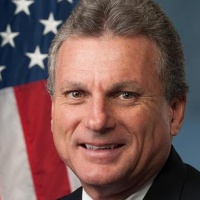
Earl Carter
Representative
GA
Earl Carter
Representative
GA
The Telehealth Modernization Act primarily extends critical Medicare telehealth flexibilities, such as location and audio-only options, through September 30, 2027. It also extends the "Hospital Care at Home" waiver until 2030 and mandates a comprehensive study comparing home-based versus traditional hospital care. Furthermore, the bill enhances program integrity for Durable Medical Equipment claims and requires new guidance to ensure telehealth services are accessible to individuals with limited English proficiency.
The INFORM Act of 2025 mandates that Homeland Security must notify the immediate family of a transferred immigration detainee within 24 hours, providing details about the relocation and the new facility's contact information.
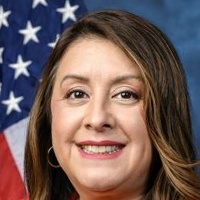
Luz Rivas
Representative
CA
Luz Rivas
Representative
CA
The INFORM Act of 2025 mandates that Homeland Security must notify the immediate family of any individual transferred between immigration detention facilities within 24 hours. This notification must include the reason for the transfer and contact information for the new location. The Act broadly defines "immediate family" to cover a wide range of relatives, including step- and foster-family members.
The Dont STEAL Act mandates that employers pay employees the highest rate among their contract, federal, or state requirements, and it introduces stricter criminal penalties for willful wage theft.
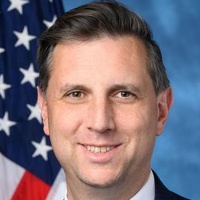
Seth Magaziner
Representative
RI
Seth Magaziner
Representative
RI
The Dont STEAL Act ensures employees are paid at least the highest amount guaranteed by their contract or federal/state law. It strengthens the Fair Labor Standards Act by establishing new criminal penalties, including potential prison time, for employers who willfully commit wage theft exceeding $1,000. Furthermore, fines collected from these new criminal penalties will fund the Department of Labor's enforcement efforts.
This bill amends the SNAP program to extend certification periods for low-income seniors, simplify medical expense deductions, and streamline income verification for long-term benefits.

Josh Riley
Representative
NY
Josh Riley
Representative
NY
The Increasing Nutrition Access for Seniors Act of 2025 aims to streamline and improve SNAP benefits for eligible seniors and disabled individuals. This bill extends certification periods up to 36 months for households with no earned income and introduces greater flexibility for medical expense deductions, including a self-attestation option. These changes are designed to reduce administrative burdens for long-term recipients while ensuring continued access to necessary food assistance.
This resolution formally states Congress's commitment to upholding the current retirement ages for Social Security and Medicare, affirming the President's promise not to raise them.

Marcy Kaptur
Representative
OH
Marcy Kaptur
Representative
OH
This resolution formally affirms Congress's commitment to maintaining the current retirement ages for Social Security and Medicare benefits. It declares that raising the eligibility age would constitute an unfair cut to the earned benefits of current and future retirees. The measure highlights the reliance of millions on these programs and rejects any proposals to push back access to earned retirement security and healthcare.
The Keep Seniors Fed Act amends the Food and Nutrition Act of 2008 to include Title II Social Security payments when calculating eligibility for food assistance benefits.
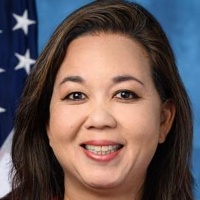
Jill Tokuda
Representative
HI
Jill Tokuda
Representative
HI
The Keep Seniors Fed Act makes technical amendments to the Food and Nutrition Act of 2008 regarding how income is calculated for food assistance eligibility. Specifically, it mandates that income received under Title II of the Social Security Act must now be counted when determining eligibility for benefits. These changes will take effect 90 days after the bill is signed into law.
This Act prohibits grocery stores from price gouging, using personal surveillance data to set individualized prices, and mandates disclosure of facial recognition use, while banning electronic shelf labels in larger stores.
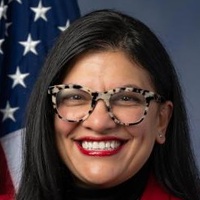
Rashida Tlaib
Representative
MI
Rashida Tlaib
Representative
MI
The Stop Price Gouging in Grocery Stores Act of 2025 aims to protect consumers by prohibiting grocery stores from charging "grossly excessive" prices for food items. The bill also bans stores from adjusting prices based on personal tracking data, such as facial recognition, and requires clear signage if facial recognition technology is used. Furthermore, it mandates that large physical grocery stores must use printed signs instead of electronic shelf labels for displaying prices.
This bill penalizes companies that move call center jobs overseas while requiring transparency about agent location and AI use during customer service communications.
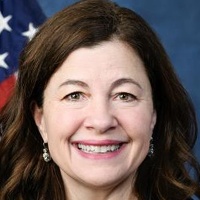
Kristen McDonald Rivet
Representative
MI
Kristen McDonald Rivet
Representative
MI
The Keep Call Centers in America Act of 2025 aims to incentivize keeping customer service jobs in the U.S. by penalizing companies that move call centers overseas with loss of federal grants and contracts. The bill also mandates transparency, requiring businesses to disclose an agent's physical location or the use of AI during customer service communications. Furthermore, it ensures that all call center work performed under a federal contract must be completed within the United States.
The Warehouse Worker Protection Act establishes new federal standards for large employers regarding performance quotas, mandatory paid breaks, data transparency, and workplace safety, while strengthening NLRA protections against retaliatory metrics.
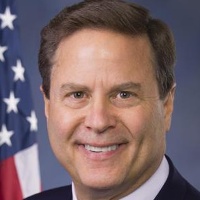
Donald Norcross
Representative
NJ
Donald Norcross
Representative
NJ
The Warehouse Worker Protection Act establishes new federal standards to increase transparency and fairness for warehouse workers at large companies by mandating disclosure of performance quotas and monitoring data. It guarantees mandatory paid rest breaks, strengthens protections against using quotas to suppress organizing efforts, and introduces new federal ergonomics and safety standards under OSHA. The bill creates a new Department of Labor office to enforce these provisions and invalidates mandatory pre-dispute arbitration for related claims.
This Act establishes a competitive grant program to fund voluntary resident services, such as health, education, and financial stability support, for tenants in various federally assisted affordable housing properties.
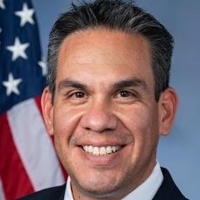
Pete Aguilar
Representative
CA
Pete Aguilar
Representative
CA
The Affordable Housing Resident Services Act establishes a new competitive grant program managed by the Department of Health and Human Services to fund supportive services in qualified affordable housing properties. These grants will finance activities like health coordination, education, and financial stability assistance for residents, with a requirement that services remain strictly voluntary. Grantees must dedicate at least 25% of the funds to service coordinator salaries and report annually on the impact of the services provided.
This bill repeals specific prior health reconciliation provisions and expands eligibility for the Premium Tax Credit by removing the 400% income cap and adjusting the subsidy calculation formula.
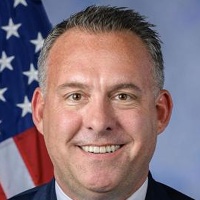
Adam Gray
Representative
CA
Adam Gray
Representative
CA
The Protecting Health Care and Lowering Costs Act of 2025 repeals specific prior reconciliation health provisions. This bill significantly expands eligibility for the Premium Tax Credit by eliminating the 400% Federal Poverty Level income cap. It also updates the subsidy calculation formula to ensure a smoother, linear adjustment of assistance across various income levels.
This act restores previous state Medicaid provider tax rules by repealing Section 71115 of Public Law 11921.
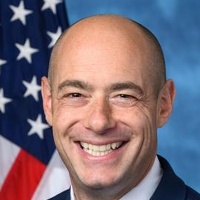
Greg Landsman
Representative
OH
Greg Landsman
Representative
OH
The Protect Our Hospitals Act aims to restore previous regulations concerning Medicaid provider taxes by repealing a specific section of Public Law 11921. This action effectively nullifies recent changes, returning the rules governing how states tax Medicaid providers to their original status.
The EATS Act of 2025 expands eligibility for SNAP benefits by removing previous restrictions for students enrolled at least half-time in recognized educational programs.
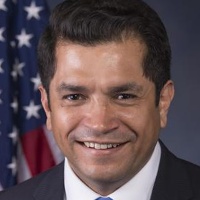
Jimmy Gomez
Representative
CA
Jimmy Gomez
Representative
CA
The EATS Act of 2025 significantly updates eligibility for the Supplemental Nutrition Assistance Program (SNAP) by removing previous restrictions that often disqualified students. This legislation explicitly includes bona fide students enrolled at least half-time in recognized educational programs as eligible participants for food assistance. These changes take effect on January 2, 2026.
The Protected Time Off Act establishes a federal minimum accrual rate of one hour of paid annual leave for every 25 hours worked, while protecting employees' rights to use and enforce this earned time off.
Seth Magaziner
Representative
RI
Seth Magaziner
Representative
RI
The Protected Time Off Act establishes a federal minimum standard for earned paid annual leave, requiring employers to grant employees at least one hour of paid time off for every 25 hours worked, up to 80 hours annually. This law specifies how leave is accrued, used, and rolled over, while protecting employees from retaliation for exercising these rights. It also ensures that existing state laws or agreements that provide more generous leave benefits remain in effect. Enforcement mechanisms are established, largely mirroring those under the Fair Labor Standards Act, allowing both government investigation and direct employee lawsuits.
This resolution recognizes the foundational role of the ADA while calling for renewed, comprehensive action to eliminate persistent barriers to employment, independent living, and full community participation for individuals with disabilities.
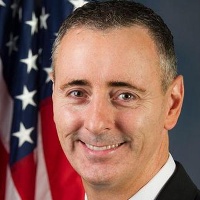
Brian Fitzpatrick
Representative
PA
Brian Fitzpatrick
Representative
PA
This resolution recognizes the foundational importance of the Americans with Disabilities Act (ADA) while asserting that further action is necessary to achieve true equality. It highlights persistent barriers in employment, technology, and community integration that prevent many individuals with disabilities from achieving economic self-sufficiency. Congress pledges to work across party lines to strengthen opportunities for independent living and full participation in society.
This Act prohibits businesses from using automated systems that rely on personal data surveillance to set individualized prices or determine worker wages, while preserving stronger state and collective bargaining protections.
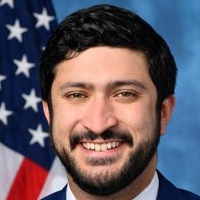
Gregorio Casar
Representative
TX
Gregorio Casar
Representative
TX
The Stop AI Price Gouging and Wage Fixing Act of 2025 prohibits businesses from using automated systems that analyze personal data to set individualized prices or determine employee wages. This legislation establishes strict transparency requirements for any permitted pricing exceptions and grants enforcement power to the FTC, EEOC, State Attorneys General, and private citizens. Furthermore, the Act ensures that existing state laws providing greater protections and collective bargaining rights remain fully in effect.
This Concurrent Resolution affirms Congress's commitment to ensuring equal physical access to federally funded facilities for all people, especially those with disabilities, by supporting existing laws and pledging to use universal design principles in future projects.
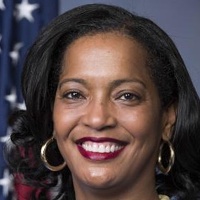
Jahana Hayes
Representative
CT
Jahana Hayes
Representative
CT
This Concurrent Resolution affirms the importance of equal physical access to federally funded facilities for all Americans, especially people with disabilities. It recognizes that current infrastructure often fails to meet the needs of the growing population of people with disabilities. The resolution reaffirms support for existing accessibility laws like the ADA and pledges to use universal design principles in future federal projects. Ultimately, it calls for the removal of existing barriers to ensure full societal participation.
This Act prioritizes federal research and development funding for controlling the invasive Spotted Lanternfly and extends key agricultural research programs through 2030.
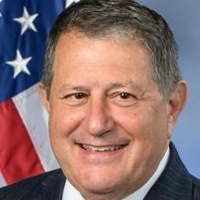
Joseph Morelle
Representative
NY
Joseph Morelle
Representative
NY
The Spotted Lanternfly Research and Development Act prioritizes federal funding for research and extension programs specifically aimed at controlling the invasive Spotted Lanternfly. This legislation ensures that developing effective tools and treatments against this pest becomes a high-priority initiative. Additionally, the Act extends the authorization for several existing high-priority agricultural research programs until 2030.
This bill amends the structure, assessment timing, and authorization period for user fees related to Over-the-Counter (OTC) monograph drugs through fiscal year 2030.
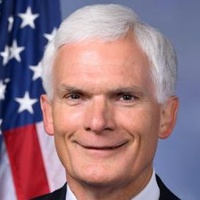
Robert Latta
Representative
OH
Robert Latta
Representative
OH
This bill, the Over-the-Counter Monograph Drug User Fee Amendments, updates the fee structure and authority for the FDA to collect and use user fees to fund activities related to Over-the-Counter (OTC) monograph drugs through fiscal year 2030. It modifies definitions, adjusts the assessment and payment timelines for facility fees, and extends the program's authorization. The legislation also includes minor technical updates regarding drug development advice and sets sunset dates for certain provisions.