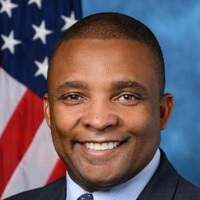
Legislative Activity
Track Donald's sponsored bills, co-sponsored legislation, and voting record
This bill expresses the House of Representatives' desire to keep the United States Postal Service (USPS) as an independent entity within the Federal Government, protecting it from privatization. It emphasizes the USPS's importance to the mailing industry, its role in connecting communities, and the potential negative impacts of privatization on prices, services, and infrastructure.
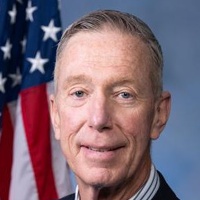
Stephen Lynch
Representative
MA
Stephen Lynch
Representative
MA
This bill expresses the House of Representatives' view that Congress should act to maintain the United States Postal Service (USPS) as an independent entity within the Federal Government. It emphasizes the USPS's role as a self-sustaining service vital to the economy and national connectivity. The resolution discourages privatization, citing concerns about increased costs, reduced services, and damage to critical infrastructure.
This bill directs the U.S. Holocaust Memorial Museum to conduct a comprehensive study and report to Congress on the current state and effectiveness of Holocaust education in public elementary and secondary schools across the United States.
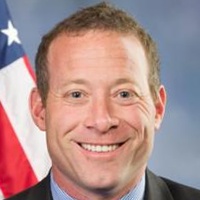
Josh Gottheimer
Representative
NJ
Josh Gottheimer
Representative
NJ
The Holocaust Education and Antisemitism Lessons Act directs the U.S. Holocaust Memorial Museum to conduct a comprehensive study of Holocaust education in public elementary and secondary schools across the United States. This study will evaluate current curriculum standards, teaching methods, and available resources to identify gaps and improve how students learn about the Holocaust and the history of antisemitism. The findings will be compiled into a report submitted to Congress to help strengthen educational efforts in preventing hate and bigotry.
This bill recognizes the significant contributions of tax-exempt fraternal benefit societies to communities across the United States through charitable activities, volunteer work, and financial support for their members, and expresses Congressional support for their continued promotion.
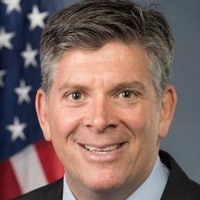
Darin LaHood
Representative
IL
Darin LaHood
Representative
IL
This bill recognizes the significant historical and ongoing contributions of tax-exempt fraternal benefit societies to communities across the United States through charitable activities, volunteer work, and financial support for members. It expresses the sense of Congress that these societies are a valuable support system that addresses unmet needs and generates substantial returns to the U.S. through their tax-exempt status. The bill also advocates for the continued promotion of fraternal benefit societies.
The Charitable Act extends and modifies tax deductions for charitable contributions, allowing individuals who take the standard deduction to claim additional tax benefits for donations made in 2026 and 2027.
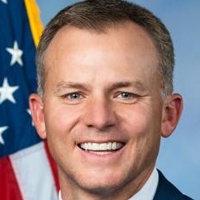
Blake Moore
Representative
UT
Blake Moore
Representative
UT
The Charitable Act allows individuals who take the standard deduction to also claim a deduction for charitable contributions during the 2026 and 2027 tax years. This legislation permits non-itemizers to deduct donations up to one-third of their standard deduction amount while removing previous penalties for overstatements.
This bill permanently authorizes the delivery of cardiac and pulmonary rehabilitation services in the home via telehealth, allowing for virtual physician supervision and expanding hospital billing eligibility.
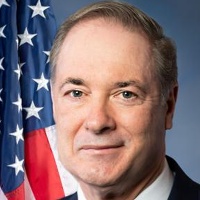
John Joyce
Representative
PA
John Joyce
Representative
PA
The Sustainable Cardiopulmonary Rehabilitation Services in the Home Act permanently codifies the ability for patients to receive cardiac and pulmonary rehabilitation services from the comfort of their own homes. By authorizing telehealth delivery and virtual physician supervision, the bill expands access to these essential services while removing restrictive geographic requirements. This legislation ensures that the flexibility established during the COVID-19 pandemic remains a permanent, standard feature of Medicare coverage.
This bill extends Medicare incentive payments and qualifying performance thresholds for healthcare providers participating in advanced alternative payment models through 2027.
Darin LaHood
Representative
IL
Darin LaHood
Representative
IL
The Preserving Patient Access to Accountable Care Act extends critical financial incentives for healthcare providers participating in advanced alternative payment models through 2027. By maintaining these bonus payments and performance thresholds, the bill ensures continued support for providers transitioning to value-based care within the Medicare system.
This Act mandates detailed and timely reporting from the Treasury Department to Congress regarding the use, costs, and duration of special accounting measures taken to avoid a government shutdown when the national debt limit is reached.
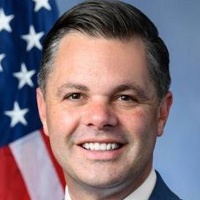
Zachary (Zach) Nunn
Representative
IA
Zachary (Zach) Nunn
Representative
IA
The Extraordinary Measures Transparency Act mandates increased public accountability regarding the Treasury Department's use of special accounting tools to manage the national debt limit. This legislation requires the Treasury Secretary to provide advance notice and detailed daily updates to Congress whenever these "extraordinary measures" are implemented or utilized. Furthermore, the Act requires a final report detailing the total administrative costs associated with these temporary funding actions once the debt limit crisis has passed.
This bill establishes a three-year pilot program to improve health outcomes and care coordination for veterans enrolled in both the VA health care system and Medicare.
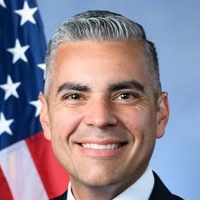
Juan Ciscomani
Representative
AZ
Juan Ciscomani
Representative
AZ
The Coordinating Care for Senior Veterans and Wounded Warriors Act establishes a three-year pilot program to improve health outcomes and care coordination for veterans enrolled in both VA health care and Medicare. By utilizing dedicated case managers and private sector care models, the program aims to streamline access to services, reduce costs, and eliminate gaps in care. The initiative will be implemented across select regions, including rural and medically underserved areas, to ensure better integration between VA and Medicare systems.
The BNA Fairness Act ensures that the Basic Needs Allowance for active-duty service members is exempt from federal income tax.
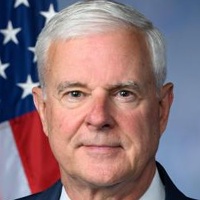
Steve Womack
Representative
AR
Steve Womack
Representative
AR
The BNA Fairness Act ensures that the Basic Needs Allowance (BNA) provided to eligible active-duty service members is exempt from federal income tax. By classifying this support as a qualified military benefit, the bill prevents these essential payments from being reduced by tax obligations.
The FARM Act strengthens national security by bringing U.S. agricultural systems under the review of the Committee on Foreign Investment in the United States (CFIUS) and mandating regular reporting on foreign influence in the agricultural sector.
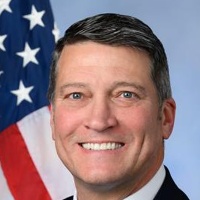
Ronny Jackson
Representative
TX
Ronny Jackson
Representative
TX
The Foreign Adversary Risk Management (FARM) Act strengthens national security by bringing U.S. agriculture and its supply chains under the oversight of the Committee on Foreign Investment in the United States (CFIUS). By adding the Secretary of Agriculture to the committee and classifying agricultural systems as critical infrastructure, the bill ensures foreign investments in the sector undergo rigorous security reviews. Additionally, the Act mandates annual reporting to Congress to monitor foreign influence, espionage, and potential threats to the U.S. agricultural industry.
The SANE Act of 2025 mandates that all VA medical facilities provide access to qualified sexual assault forensic examiners and ensure immediate mental health care referrals for survivors.
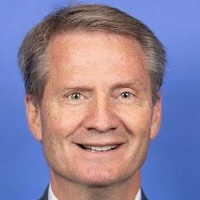
Tim Burchett
Representative
TN
Tim Burchett
Representative
TN
The SANE Act of 2025 mandates that all Department of Veterans Affairs hospitals and urgent care facilities provide access to qualified sexual assault forensic examiners. The bill also ensures that survivors receive immediate referrals for mental health services, utilizing community providers if VA care is not available within 30 days. These requirements are designed to improve support for veterans without compromising existing patient care responsibilities.
The Honor Our Living Donors Act removes financial barriers for organ donors by prohibiting income-based reimbursement restrictions and requiring annual federal reporting on program funding adequacy.
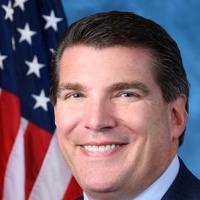
Jay Obernolte
Representative
CA
Jay Obernolte
Representative
CA
The Honor Our Living Donors Act removes financial barriers for organ donors by prohibiting the consideration of a recipient’s income during the reimbursement process and eliminating expectations of payment from recipients. Additionally, the bill mandates an annual report to Congress to ensure that federal grant programs provide sufficient funding to fully cover all qualifying expenses for living donors.
The 911 SAVES Act mandates the reclassification of public safety telecommunicators as "Protective Service Occupations" within the federal Standard Occupational Classification system to accurately reflect their critical role in emergency response.
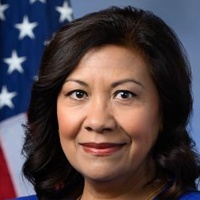
Norma Torres
Representative
CA
Norma Torres
Representative
CA
The 911 SAVES Act mandates that the Office of Management and Budget reclassify public safety telecommunicators as "Protective Service Occupations" within the federal Standard Occupational Classification system. This legislation recognizes the critical, high-stress, and lifesaving nature of 911 dispatchers, correcting their current misclassification to better reflect their essential role in emergency response.
The Increased TSP Access Act of 2025 expands and streamlines the certification process for third-party technical service providers to improve the delivery of conservation assistance to farmers and ranchers.
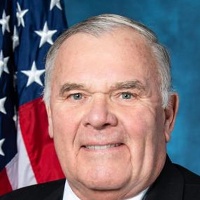
James Baird
Representative
IN
James Baird
Representative
IN
The Increased TSP Access Act of 2025 aims to expand and accelerate the delivery of conservation technical assistance to farmers and ranchers by diversifying the certification process for third-party providers. The bill authorizes non-federal entities and state agencies to certify providers, streamlines credentialing for qualified professionals, and mandates fair payment rates. These reforms are designed to increase capacity, improve transparency, and ensure more efficient implementation of conservation practices nationwide.
This bill permanently authorizes and secures ongoing funding for supportive services for very low-income veteran families in permanent housing.
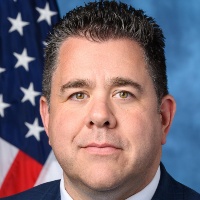
Nicolas LaLota
Representative
NY
Nicolas LaLota
Representative
NY
The "Supporting Veteran Families in Need Act" permanently authorizes financial assistance for supportive services for very low-income veteran families in permanent housing. By establishing ongoing annual funding, this legislation eliminates the need for future reauthorizations, ensuring consistent support for vulnerable veterans and their families.
The Pet Food Uniform Regulatory Reform (PURR) Act of 2025 establishes a streamlined, uniform federal regulatory framework for pet food labeling, ingredient review, and marketing to replace inconsistent state-level requirements.
Steve Womack
Representative
AR
Steve Womack
Representative
AR
The Pet Food Uniform Regulatory Reform (PURR) Act of 2025 establishes a streamlined, uniform federal regulatory framework for pet food to replace the current patchwork of state-level requirements. By centralizing oversight under the FDA’s Center for Veterinary Medicine, the bill standardizes ingredient reviews, labeling, and marketing claims to improve marketplace certainty and innovation. Ultimately, this Act aims to enhance the nationwide availability of safe, nutritious, and affordable food for companion animals.
The Saving the Civil Service Act protects the merit-based federal workforce by restricting the ability of agencies to reclassify competitive service positions into the excepted service.

Gerald Connolly
Representative
VA
Gerald Connolly
Representative
VA
The Saving the Civil Service Act protects the merit-based federal workforce by restricting the ability of agencies to reclassify competitive service positions into the excepted service. The bill establishes strict oversight, limits the number of positions that can be transferred, and mandates employee consent for such reclassifications. These measures ensure that federal staffing remains professional and protected from arbitrary political interference.
The Chiropractic Medicare Coverage Modernization Act of 2025 expands Medicare coverage to include all services provided by doctors of chiropractic that are within the scope of their state licensure.
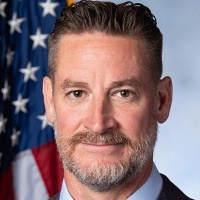
W. Steube
Representative
FL
W. Steube
Representative
FL
The Chiropractic Medicare Coverage Modernization Act of 2025 expands Medicare coverage to include all services legally authorized under a chiropractor’s state license, moving beyond the current restriction limited to manual spinal manipulation. This legislation aligns Medicare benefits with private insurance and other federal health programs to better reflect modern chiropractic practice. To provide these expanded services, chiropractors will be required to complete a one-time training program verified by the Secretary of Health and Human Services.
This bill increases the railroad track maintenance tax credit, introduces annual inflation adjustments, and extends the eligibility period for qualifying expenditures.
Mike Kelly
Representative
PA
Mike Kelly
Representative
PA
This bill amends the Internal Revenue Code to expand the railroad track maintenance credit by increasing the per-mile tax credit to $6,100 and implementing annual inflation adjustments starting in 2026. It also extends the eligibility window for qualifying maintenance expenditures to include costs incurred through 2023. These updates aim to provide greater financial support for ongoing railroad infrastructure improvements.
The No Tax on Tips Act provides a federal income tax deduction of up to $25,000 for qualified cash tips and extends the FICA tax credit for employer-paid tips to include beauty service establishments.
Vern Buchanan
Representative
FL
Vern Buchanan
Representative
FL
The "No Tax on Tips Act" proposes a federal tax deduction of up to $25,000 per year for cash tips received by workers in traditionally tipped occupations. Additionally, the bill expands the existing tax credit for employer-paid Social Security taxes on tips to include beauty service establishments. These changes are designed to provide tax relief for service workers and support businesses where tipping is customary.