Legislative Activity
Track Donald's sponsored bills, co-sponsored legislation, and voting record
The Secure Rural Schools Reauthorization Act of 2025 extends federal funding and program authorities for states and counties containing national forest land through 2026.
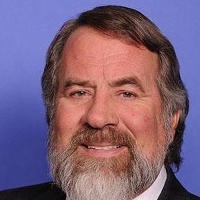
Doug LaMalfa
Representative
CA
Doug LaMalfa
Representative
CA
The Secure Rural Schools Reauthorization Act of 2025 extends critical federal funding for states and counties containing national forest land through 2026. This legislation ensures the continuation of essential community services and maintains the authority for resource advisory committees and local special projects.
The "PSA Screening for HIM Act" ensures that high-risk men, including African-American men and those with a family history of prostate cancer, have access to prostate cancer screenings without cost-sharing under group health plans and insurance coverage.
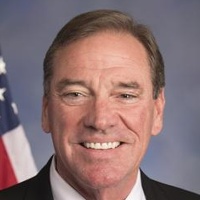
Neal Dunn
Representative
FL
Neal Dunn
Representative
FL
The "PSA Screening for HIM Act" aims to improve early detection of prostate cancer by requiring group health plans and health insurance issuers to cover prostate cancer screenings without cost-sharing for high-risk men aged 40 and over, including African-American men and those with a family history of the disease. This coverage mandate ensures that high-risk individuals have access to potentially life-saving screenings, aligning with the goal of reducing prostate cancer-related deaths and improving treatment outcomes. The Act defines "men with a family history of prostate cancer" as those with a first-degree relative with prostate cancer, associated cancers, or genetic alterations linked to increased risk. This provision is set to take effect for plan years starting on or after January 1, 2026.
This Act establishes a three-year pilot program to offer donated-fund supported hyperbaric oxygen therapy for veterans with TBI or PTSD and extends certain pension payment limits.
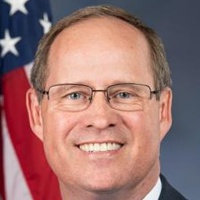
Gregory Murphy
Representative
NC
Gregory Murphy
Representative
NC
This Act establishes a three-year pilot program to provide hyperbaric oxygen therapy (HBOT) to veterans suffering from traumatic brain injury (TBI) or PTSD, funded solely through donations. It also mandates an updated Government Accountability Office (GAO) report assessing recent clinical trials on HBOT for these conditions. Finally, the bill extends the expiration date for certain limitations on veteran pension payments.
The "Safeguarding Social Security and Medicare Act" mandates a study on the impact of inflation and cost of living increases on Social Security and Medicare, providing Congress with recommendations to protect these vital benefits.
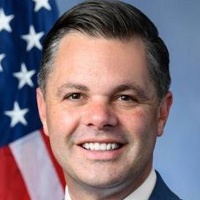
Zachary (Zach) Nunn
Representative
IA
Zachary (Zach) Nunn
Representative
IA
The "Safeguarding Social Security and Medicare Act" orders a study to assess the effects of inflation and cost of living increases on Social Security and Medicare. The goal is to provide Congress with recommendations on legislative actions needed to maintain full benefits under these programs. This is important because millions of Americans rely on these benefits, and increased cost of living and inflation are putting a financial strain on them.
The EAGLES Act of 2025 codifies and expands the National Threat Assessment Center to prevent targeted violence through research, training, and multidisciplinary collaboration, particularly in schools.
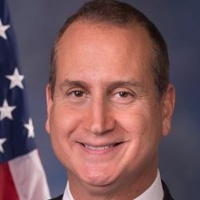
Mario Diaz-Balart
Representative
FL
Mario Diaz-Balart
Representative
FL
The EAGLES Act of 2025 codifies and expands the National Threat Assessment Center within the Secret Service to focus on preventing targeted violence through research, training, and information sharing. It establishes a national program on targeted school violence prevention, mandating research, training courses, and coordination among various departments and agencies. The Act authorizes \$10 million annually from 2026 to 2030 for these activities, emphasizing early intervention and support for individuals exhibiting concerning behavior, while explicitly prohibiting the use of funds for firearms training. This act aims to standardize threat assessment and prevention practices at all levels, ensuring a proactive and comprehensive approach to school safety.
This resolution designates February 15–22, 2025, as "National FFA Week" to celebrate the organization's impact on agricultural education and its historic milestones.
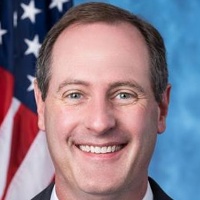
Tracey Mann
Representative
KS
Tracey Mann
Representative
KS
This resolution designates February 15–22, 2025, as "National FFA Week" to honor the National FFA Organization’s vital role in cultivating the next generation of agricultural leaders. It celebrates the organization’s commitment to personal growth and career readiness while commemorating the 90th anniversary of the New Farmers of America and the 75th anniversary of the FFA’s federal charter.
This bill authorizes a Congressional Gold Medal to be awarded to the First Rhode Island Regiment in recognition of their heroic service during the Revolutionary War, particularly highlighting their integrated composition and valor at the Battle of Rhode Island.
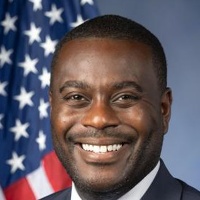
Gabe Amo
Representative
RI
Gabe Amo
Representative
RI
The "First Rhode Island Regiment Congressional Gold Medal Act" authorizes the creation of a Congressional Gold Medal to honor the First Rhode Island Regiment, a historically significant integrated unit that fought valiantly during the Revolutionary War. The medal will be presented to the Rhode Island State Library for public display and research. The Act also allows for the creation and sale of bronze duplicates of the medal to support the United States Mint Public Enterprise Fund.
The "Collision Avoidance Systems Act of 2025" mandates the Department of Transportation to update safety standards to allow and set performance standards for pulsating brake lights on vehicles to help prevent rear-end collisions.
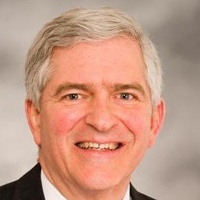
Daniel Webster
Representative
FL
Daniel Webster
Representative
FL
The "Collision Avoidance Systems Act of 2025" permits and sets performance standards for pulsating light systems on vehicles to help prevent rear-end collisions. It mandates the Secretary of Transportation to update Federal Motor Vehicle Safety Standard Number 108 within 180 days to include these systems. The bill defines a pulsating light system as a high-mounted stop lamp that pulses rapidly up to 4 times within 1.2 seconds upon braking before converting to a continuous light.
This resolution expresses Congressional opposition to imposing new performance fees or royalties on local radio stations and businesses for broadcasting or playing music.
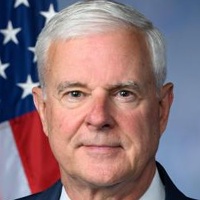
Steve Womack
Representative
AR
Steve Womack
Representative
AR
The Local Radio Freedom Act expresses Congressional opposition to imposing new performance fees, taxes, or royalties on local radio stations and businesses for playing music. It argues that the current system of free airplay provides essential promotional value to artists and that new fees would threaten the financial viability of local broadcasters and the vital community services they provide.
The "BEST Facilitation Act" establishes an image technician pilot program within U.S. Customs and Border Protection to enhance border security and trade efficiency through advanced image analysis of cargo and conveyances.
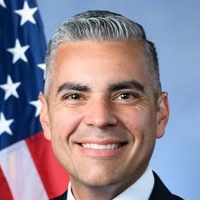
Juan Ciscomani
Representative
AZ
Juan Ciscomani
Representative
AZ
The "BEST Facilitation Act" establishes an image technician pilot program within U.S. Customs and Border Protection's Office of Field Operations, where trained technicians review non-intrusive inspection images to identify contraband and other illicit activities, and then refer them to CBP officers. The Act mandates specific training, assessment, and reporting requirements to evaluate the program's effectiveness in improving border security and trade facilitation. This pilot program will operate for five years, after which the image technicians may be transferred to other comparable positions within the agency.
The HEARTS Act of 2025 aims to reduce animal testing by promoting and funding alternative research methods, establishing a National Center for Alternatives, and requiring transparent reporting of animal use in federally funded research.
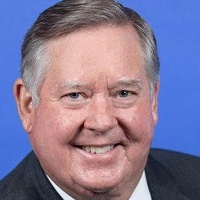
Ken Calvert
Representative
CA
Ken Calvert
Representative
CA
The HEARTS Act of 2025 aims to reduce animal use in research and testing by promoting and funding alternative methods. It mandates the evaluation and utilization of non-animal methods before animal research is approved and establishes a National Center for Alternatives to Animals in Research and Testing within the NIH to develop, promote, and fund these alternatives. The Act also requires federally funded research entities to report on animal use and develop plans to reduce animal numbers in research.
The "Death Tax Repeal Act" eliminates estate and generation-skipping transfer taxes, adjusts gift tax calculations, and sets a $10,000,000 lifetime gift exemption.
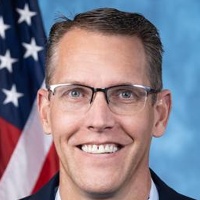
Randy Feenstra
Representative
IA
Randy Feenstra
Representative
IA
The "Death Tax Repeal Act" eliminates both estate and generation-skipping transfer taxes, effective from the date of enactment. It adjusts gift tax calculations by setting the lifetime gift exemption at $10,000,000, with inflation adjustments after 2011. The Act also includes transitional rules for applying certain sections of the Internal Revenue Code during the enactment year.
The "More Homes on the Market Act" increases the tax exclusion for profit from the sale of a primary residence, incentivizing homeowners to sell and increasing housing supply.
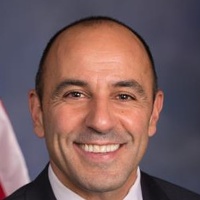
Jimmy Panetta
Representative
CA
Jimmy Panetta
Representative
CA
The "More Homes on the Market Act" increases the tax exclusion for profit from the sale of a primary residence, raising it to $500,000 for single filers and $1,000,000 for married couples filing jointly. These amounts will be adjusted for inflation starting in 2025. This change encourages homeowners to sell their properties, thereby increasing the availability of homes on the market.
The Investing in Rural America Act of 2025 expands Farm Credit System institutions' ability to finance essential community facilities in rural areas, fostering partnerships with local lenders and increasing transparency through public reporting.
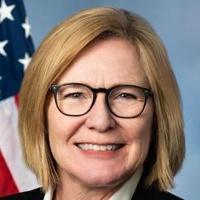
Michelle Fischbach
Representative
MN
Michelle Fischbach
Representative
MN
The Investing in Rural America Act of 2025 amends the Farm Credit Act of 1971, enabling Farm Credit System institutions to finance essential community facilities in rural areas, with a limit of 15% of their total outstanding loans. These institutions must offer participation in financing to other domestic lenders, especially community banks, and report these offers to the Farm Credit Administration. The Farm Credit Administration will then provide an annual report to Congress on these activities. This amendment aims to support rural development by leveraging the resources of the Farm Credit System.
The Long-Term Care Transparency Act mandates annual reports to Congress summarizing findings from state Long-Term Care Ombudsman programs, enhancing oversight and transparency in long-term care.
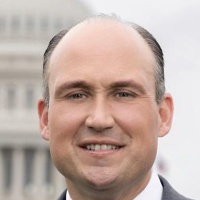
Nicholas Langworthy
Representative
NY
Nicholas Langworthy
Representative
NY
The Long-Term Care Transparency Act mandates the Assistant Secretary to produce an annual report for the Senate and House committees. This report will summarize findings from submitted reports under section 712(h). The goal of this act is to increase transparency in long-term care facilities.
This Act allows schools participating in the National School Lunch Program to offer organic or non-organic whole milk alongside other options, while clarifying saturated fat accounting and restricting milk sourcing from China state-owned enterprises.
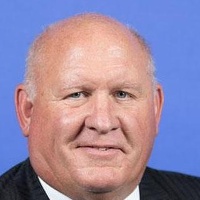
Glenn Thompson
Representative
PA
Glenn Thompson
Representative
PA
The Whole Milk for Healthy Kids Act of 2025 expands milk options available to students in the National School Lunch Program by allowing schools to offer organic or non-organic whole milk. This legislation provides greater flexibility for schools in providing fluid milk choices while maintaining accommodations for students with special dietary needs. Importantly, the saturated fat content of these offered milk options will not count toward the meal's overall saturated fat limits.
This bill provides additional funding for scholarships to students at 1890 institutions, including both bachelor's and graduate programs, with mandatory funding starting in 2025.
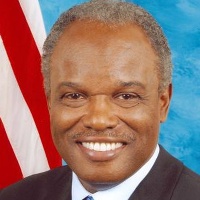
David Scott
Representative
GA
David Scott
Representative
GA
This bill amends the National Agricultural Research, Extension, and Teaching Policy Act of 1977 to expand scholarship opportunities at 1890 institutions to both bachelor's and graduate students. It provides mandatory funding of $15 million per fiscal year, starting in 2025, through the Commodity Credit Corporation, and makes discretionary funding available from fiscal year 2020 onward. The scholarships will be available each academic year that funding is available.
Extends federal death benefits to retired law enforcement officers who die or are disabled from targeted attacks related to their service.
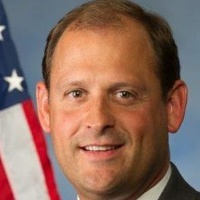
Garland Barr
Representative
KY
Garland Barr
Representative
KY
The "Chief Herbert D. Proffitt Act of 2025" amends the Omnibus Crime Control and Safe Streets Act of 1968 to extend death benefits to retired law enforcement officers who die or are disabled from targeted attacks due to their service. The bill applies retroactively to pending matters before the Bureau of Justice Assistance, or those filed/accruing after the enactment date, with exceptions for actions against retired law enforcement officers that occurred on or after August 28, 2012.
This bill updates the definition of "customs waters" to align with international law, extending U.S. authority for customs enforcement to the territorial sea and contiguous zone.
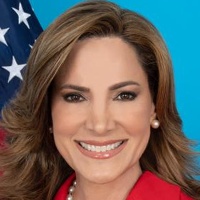
Maria Salazar
Representative
FL
Maria Salazar
Representative
FL
The "Extending Limits of U.S. Customs Waters Act" updates the definition of "customs waters" to align with international law, Presidential Proclamation 5928, and Presidential Proclamation 7219. It extends U.S. customs authority to include the territorial sea and contiguous zone, as permitted by international law. These changes will take effect the day after the Act is enacted.
The AG VETS Act establishes a grant program to support veterans in agriculture through education, training, and increased farming and ranching opportunities.
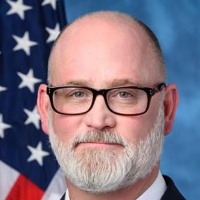
Derrick Van Orden
Representative
WI
Derrick Van Orden
Representative
WI
The AG VETS Act aims to increase opportunities for veterans in the agriculture sector by establishing a competitive grant program. These grants will be awarded to eligible entities to fund education, training, and curriculum development related to farming and ranching. Grantees are required to provide matching funds, and the bill authorizes $5 million in appropriations annually from 2026 to 2030.