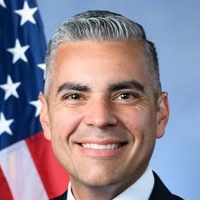
Legislative Activity
Track Juan's sponsored bills, co-sponsored legislation, and voting record
This bill renames and revises the Great American Outdoors Act's maintenance fund, increases dedicated funding through new, higher fees for foreign visitors, and sets spending priorities for deferred maintenance across public lands agencies.
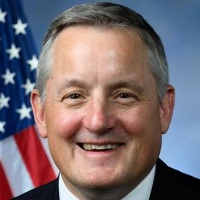
Bruce Westerman
Representative
AR
Bruce Westerman
Representative
AR
This bill, the Great American Outdoors Act 250, significantly reforms and renames the existing public lands restoration fund to the America’s Legacy Restoration Fund. It secures dedicated funding streams, primarily from energy revenues and new fees on foreign visitors, to address critical deferred maintenance across the National Park Service, Forest Service, and other public land agencies. The legislation establishes strict spending priorities for infrastructure repair while also creating pilot programs for enhancing outdoor recreation and sportsmen's access. Finally, it mandates increased transparency and accountability through standardized metrics and public reporting on all funded projects.
This Act enhances accountability and transparency for Small Business Administration (SBA) disaster loans through expanded reporting requirements, detailed budget submissions, low-funding notifications, and independent GAO reviews.
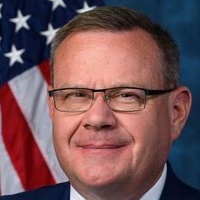
Tim Moore
Representative
NC
Tim Moore
Representative
NC
The Disaster Loan Accountability and Reform Act (DLARA) aims to increase transparency and oversight of Small Business Administration (SBA) disaster loan programs. It mandates expanded monthly reporting on loan funding levels, requires detailed breakdowns in future Presidential budget requests, and imposes new notification requirements when disaster loan funds become critically low. Additionally, the bill directs the GAO to report on loan disbursement rates and the financial impact of recent program changes.
This bill establishes a free, voluntary program to provide veteran borrowers with expert support services to help them understand and navigate their VA home loan benefits.
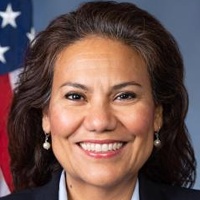
Veronica Escobar
Representative
TX
Veronica Escobar
Representative
TX
The VA Home Loan Navigator Act establishes a new, free program to provide comprehensive housing loan support services to veteran borrowers. This program will offer education, guidance, and assistance navigating all aspects of their VA home loan benefits, from eligibility to foreclosure prevention. Services will be delivered by independent, neutral third-party organizations approved by the VA and HUD. Participation is entirely voluntary for the borrower.
The ReCement Act streamlines regulations by excluding certain non-hazardous secondary materials used in cement manufacturing from the definition of solid waste.
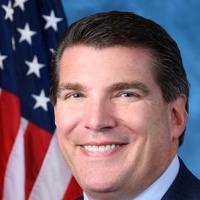
Jay Obernolte
Representative
CA
Jay Obernolte
Representative
CA
The ReCement Act reforms regulations to streamline the use of alternative fuels and raw materials in cement manufacturing. This is achieved by excluding specific, non-hazardous secondary materials from the definition of "solid waste" under federal law. This change allows cement producers to utilize these recovered resources more easily without triggering stringent solid waste regulations.
The **Take Care of America’s Veterans Act** comprehensively reforms veteran benefits, healthcare access, education opportunities, and VA organizational structure to improve services and increase accountability across the board.
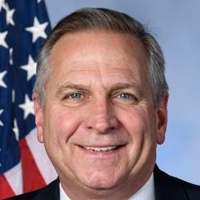
Mike Bost
Representative
IL
Mike Bost
Representative
IL
The **Take Care of America’s Veterans Act** is a comprehensive bill designed to strengthen benefits and modernize services across compensation, education, health care, and VA operations. It eliminates benefit offsets for disabled retirees, expands educational flexibility, sets new standards for timely health care access, and invests in VA technology and infrastructure. Overall, the legislation aims to provide faster, fairer, and more comprehensive support for veterans and their families.
The Jewish American Security Act aims to combat rising antisemitism through enhanced security grants, new protections for Jewish students in education, and increased transparency requirements for online platforms regarding hate speech.

Dan Goldman
Representative
NY
Dan Goldman
Representative
NY
The Jewish American Security Act addresses the rising threat of antisemitism across the nation. This bill mandates new protections for Jewish students in educational settings and significantly increases funding and administrative support for securing Jewish community institutions. Furthermore, it requires increased transparency from large online platforms regarding their moderation of antisemitic content and mandates federal assessments of domestic and transnational antisemitic threats.
This act amends the Byrd Rule to classify any provision resulting in the sale, disposal, or transfer of federal lands as extraneous in budget reconciliation bills.
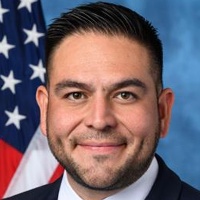
Gabriel (Gabe) Vasquez
Representative
NM
Gabriel (Gabe) Vasquez
Representative
NM
The Public Lands Integrity Act amends the Byrd Rule to classify any provision resulting in the sale, disposal, or transfer of federal lands as "extraneous." This change allows senators to challenge and potentially remove such land transfer provisions from budget reconciliation bills. The act aims to protect federal lands from being sold or transferred through the reconciliation process.
This resolution calls upon Americans to honor the service members who died defending freedom and peace on Memorial Day, 2026.
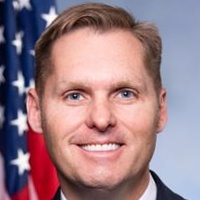
Michael Guest
Representative
MS
Michael Guest
Representative
MS
This resolution calls upon all Americans to honor the service members who died defending freedom and peace, particularly on Memorial Day 2026. It recognizes the ultimate sacrifice of over one million Americans in pursuit of these ideals. The bill emphasizes the importance of continuing to express gratitude and commemorate these patriots.
The Sharri Briley and Eric Edmundson Veterans Benefits Expansion Act of 2026 increases disability compensation, enhances Dependency and Indemnity Compensation adjustments, extends certain VA home loan fee structures, and broadens VA home loan eligibility for National Guard and Reserve members.
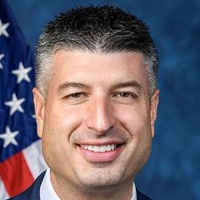
Tom Barrett
Representative
MI
Tom Barrett
Representative
MI
The Sharri Briley and Eric Edmundson Veterans Benefits Expansion Act of 2026 significantly enhances benefits for veterans and service members. It increases disability compensation with a new monthly allowance for certain veterans and ties future Dependency and Indemnity Compensation (DIC) adjustments to Social Security cost-of-living increases plus an extra percentage. The bill also expands VA home loan eligibility to include National Guard and Reserve members with at least 14 days of qualifying service, though these borrowers will pay a higher loan fee. Finally, it extends the current VA home loan fee structure and modifies definitions of active duty for Guard and Reserve components.
This bill establishes the Smithsonian American Women's History Museum, designates its site on the National Mall, and sets requirements for its mission, construction, and diverse representation of viewpoints.
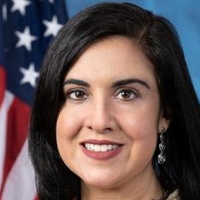
Nicole Malliotakis
Representative
NY
Nicole Malliotakis
Representative
NY
This act officially establishes the Smithsonian American Women’s History Museum and designates its location on the National Mall, requiring the transfer of land jurisdiction to the Smithsonian Institution. The museum is mandated to preserve and present the history and achievements of biological women in the United States. Furthermore, the legislation requires that exhibits and programs reflect diverse political viewpoints and authentic experiences of women, as guided by a broad array of knowledgeable sources.
The Provider Reimbursement Stability Act of 2026 reforms Medicare physician payment policies by updating budget neutrality thresholds, establishing a correction process for utilization estimates, mandating periodic updates to practice expense data, and limiting annual conversion factor fluctuations.
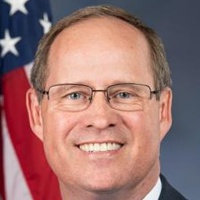
Gregory Murphy
Representative
NC
Gregory Murphy
Representative
NC
The Provider Reimbursement Stability Act of 2026 aims to improve the accuracy and predictability of Medicare physician payments. The bill reforms budget neutrality calculations, mandates periodic updates to practice expense cost data, and establishes a 2.5% cap on annual conversion factor fluctuations. These measures are designed to ensure more stable reimbursement rates for healthcare providers.
This bill expands Medicare Part B coverage to reimburse for specific pharmacist services related to testing and treatment for certain public health threats, effective January 1, 2026.

Adrian Smith
Representative
NE
Adrian Smith
Representative
NE
The Ensuring Community Access to Pharmacist Services Act expands Medicare Part B coverage to include services provided by pharmacists starting January 1, 2026. This coverage is specifically for testing or treatment related to COVID-19, the flu, RSV, strep throat, or during a declared public health emergency. The bill outlines payment structures, generally covering 80% of the cost, and prohibits pharmacists from balance billing Medicare patients for these covered services.
This bill authorizes the minting and sale of commemorative gold and silver coins to honor the 25th anniversary of the September 11, 2001, terrorist attacks, with surcharges supporting the National September 11 Memorial and Museum.
Dan Goldman
Representative
NY
Dan Goldman
Representative
NY
This bill authorizes the Secretary of the Treasury to mint and issue commemorative gold and silver coins marking the 25th anniversary of the September 11, 2001, terrorist attacks. The coins will honor the victims, first responders, and survivors, with designs selected in consultation with the National September 11 Memorial and Museum. All surcharges from the sale of these coins will be paid directly to the Memorial and Museum to support its operations and maintenance.
This bill designates May 10 through May 16, 2026, as the 27th annual National Charter Schools Week to recognize the contributions and goals of public charter schools.
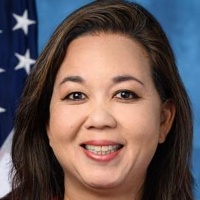
Jill Tokuda
Representative
HI
Jill Tokuda
Representative
HI
This bill officially designates May 10 through May 16, 2026, as the 27th annual National Charter Schools Week. It recognizes public charter schools as tuition-free options that promote innovation and accountability in education. The resolution congratulates charter school communities for their contributions to public education and efforts in closing achievement gaps. It encourages public observance of the week to demonstrate support for charter schools.
The RECOVER Act establishes a three-year VA pilot program to grant funds to non-profit organizations providing culturally competent, evidence-based mental health care to eligible veterans.
Mike Bost
Representative
IL
Mike Bost
Representative
IL
The Recognizing Community Organizations for Veteran Engagement and Recovery (RECOVER) Act establishes a three-year Department of Veterans Affairs (VA) pilot program to award grants to non-profit organizations. These grants fund the provision of culturally competent, evidence-based mental health care specifically for veterans. Recipients cannot charge veterans for this care and must encourage them to enroll in the VA system for ongoing services. The VA must report on the program's outcomes, including veteran engagement and care quality, after the pilot concludes.
This bill, the CRUISE Act, centralizes and expedites the Department of Veterans Affairs' payment process to automobile sellers for vehicles purchased for disabled veterans.
Tom Barrett
Representative
MI
Tom Barrett
Representative
MI
The CRUISE Act aims to improve the process by which the Department of Veterans Affairs reimburses automobile sellers for vehicles purchased for disabled veterans. This legislation mandates timely payments to sellers, requiring the VA to adhere to federal payment standards and publicly report delays. Furthermore, it centralizes the payment process within the VA's Central Office to ensure better tracking and resolution of outstanding claims.
This resolution designates specific dates to honor law enforcement officers killed in the line of duty and expresses support for all officers.
Michael Guest
Representative
MS
Michael Guest
Representative
MS
This resolution officially designates May 15, 2026, as Peace Officers Memorial Day and the week of May 10-16, 2026, as National Police Week. It honors the service and sacrifice of law enforcement officers killed in the line of duty, specifically recognizing 363 officers lost in 2025. The bill expresses unwavering support for law enforcement and acknowledges the need for proper resources to ensure officer safety.
This act establishes a new federal income tax credit of up to $2,000 per qualifying child born during the tax year, with options for advance payment.
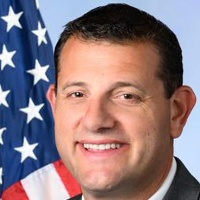
David Valadao
Representative
CA
David Valadao
Representative
CA
The Supporting Newborn Parents Act of 2026 establishes a new federal income tax credit of up to $2,000 for each qualifying child born during the tax year. This credit includes an option for parents to receive an advance payment shortly after the child's birth. The bill also streamlines the application process by collecting necessary election information directly through the Social Security application for a newborn's number.
This bill establishes the Combating Organized Retail Crime Act of 2025 to enhance federal prosecution tools against organized retail and supply chain crime and create a DHS-led coordination center to align law enforcement efforts.
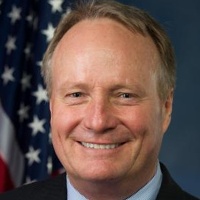
David Joyce
Representative
OH
David Joyce
Representative
OH
The Combating Organized Retail Crime Act of 2025 aims to combat sophisticated, cross-jurisdictional organized retail and supply chain theft. It achieves this by strengthening federal laws regarding money laundering and stolen property offenses, including lowering monetary thresholds for prosecution. Furthermore, the bill establishes a dedicated Center within the Department of Homeland Security to coordinate federal, state, and local enforcement efforts against these criminal organizations.
The Never Fight Alone Act expands veterans' access to community-based mental health and substance use disorder residential treatment when the VA cannot provide timely care, while also restricting the VA's ability to limit community care options.
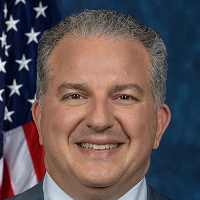
Jimmy Patronis
Representative
FL
Jimmy Patronis
Representative
FL
The Never Fight Alone Act aims to expand veterans' access to community-based mental health and substance use disorder treatment when the VA cannot provide timely residential care. It prohibits the VA from using restrictive wait times to deny eligibility for community care and ensures veterans have a choice among available care options. Furthermore, the bill mandates increased transparency through detailed reporting on community care metrics and requires Congressional approval for future changes to community care access standards.