This bill authorizes a Congressional Gold Medal to honor the bravery and outstanding service of the members of MACVSOG during the Vietnam War.
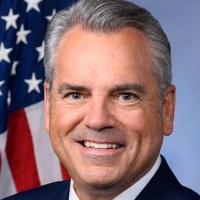
Mark Alford
Representative
MO-4
This bill authorizes the presentation of a single Congressional Gold Medal to the service members of the Military Assistance Command Vietnam-Studies and Observations Group (MACVSOG). This award recognizes their high-risk, covert operations and profound sacrifices conducted in denied areas of Southeast Asia during the Vietnam War. The medal will be presented on behalf of Congress and ultimately housed at the Smithsonian Institution. The Act also permits the creation and sale of bronze duplicates of the medal.
Congressional Gold Medal Authorized for MACVSOG: Recognizing the Vietnam War's Secret Warriors
This legislation, the MACVSOG Congressional Gold Medal Act, authorizes the highest civilian honor bestowed by Congress—a single Congressional Gold Medal—to the service members of the Military Assistance Command, Vietnam Studies and Observation Group (MACVSOG). The bill is a formal recognition of the unit’s extraordinary bravery and service during the Vietnam War, particularly for the high-risk, covert operations they conducted in denied areas of North Vietnam, Laos, and Cambodia between 1964 and 1972. It’s essentially Congress officially acknowledging a group of elite soldiers whose sacrifices were kept secret for decades.
The Long-Overdue Honor
For those unfamiliar with the history, MACVSOG was one of the most elite special operations units in U.S. military history, pioneering tactics now standard across modern special forces. Their missions included deep-penetration reconnaissance, sabotage, and rescue operations. As the bill notes, their work was so secret that it remained unacknowledged until decades later, denying proper recognition to the operators and their families. This act aims to change that, providing formal recognition for a unit that suffered heavy casualties—with approximately 1,579 U.S. personnel killed or missing while serving with MACVSOG.
What Happens Next?
This bill sets up a clear process for the award. First, the Speaker of the House and the President pro tempore of the Senate are tasked with arranging the presentation of the medal. The Secretary of the Treasury will then strike the gold medal with appropriate emblems and inscriptions. Once presented, the medal won’t end up in a private collection; it will be given to the Smithsonian Institution, which will keep it available for display and research. The bill specifically expresses Congress’s desire that the Smithsonian also make the medal available for display at other appropriate locations and events related to MACVSOG.
How the Duplicates Pay the Bills
One practical detail for taxpayers and collectors is how the production is funded. The Secretary of the Treasury is authorized to create and sell bronze duplicates of the gold medal. The price of these duplicates must be set high enough to cover all associated costs, including materials, labor, and overhead. Crucially, the proceeds from selling these bronze medals will be deposited into the United States Mint Public Enterprise Fund, effectively ensuring the cost of this national recognition is covered by the sale of collector items rather than general appropriations. For anyone interested in military history, this means a high-quality, officially sanctioned bronze replica will eventually be available for purchase, commemorating the unit’s legacy.