This act exempts small businesses from duties imposed under Executive Order 14257 and mandates refunds for any such duties already paid.
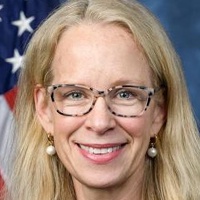
Kelly Morrison
Representative
MN-3
The Small Business RELIEF Act exempts qualified small businesses from duties imposed under Executive Order 14257. It also mandates that the President refund any such duties already paid by small businesses within 90 days of enactment. This legislation aims to provide economic fairness and relief to small importers.
Small Business RELIEF Act Mandates Tariff Refunds and Exemptions on Imports Tied to Specific National Emergency Order
The Small Business RELIEF Act isn't about setting up new programs; it’s about giving back cash to small businesses hit by specific tariffs. This bill focuses squarely on duties imposed under Executive Order 14257, which was established during a national emergency declaration. The short version: if you’re a small business that imported goods under that order, you’re getting relief—and potentially a refund.
The Straight-Up Exemption
Section 2 of the Act makes it clear: duties imposed under Executive Order 14257 simply do not apply to goods imported by or for a small business. Think of it as an immediate, ongoing tax break on specific imported materials or products. If you run a small manufacturing shop or a boutique that relies on components from overseas, this provision removes a specific, federally imposed cost that has been eating into your margins. This is designed to reduce the cost of doing business right now, allowing those funds to be reinvested into operations, hiring, or keeping prices stable.
Cash Back: The 90-Day Refund Mandate
Perhaps the most impactful part for immediate cash flow is the refund requirement. The bill mandates that the President must refund the amount of any duties already paid under Executive Order 14257 if those goods were imported by a small business. Crucially, it sets a hard deadline: the refund must be issued no later than 90 days after the law is enacted. For a small business owner, especially one who might have paid tens of thousands of dollars in tariffs over the last few years, a mandated, time-bound cash injection like this is a huge deal. It’s not a loan or a grant; it’s the return of money they were charged under a specific order.
Who Qualifies as a “Small Business”?
To keep things clear and avoid creating a brand new bureaucratic definition, the Act simply points to the existing rule. A "small business concern" is defined using the standard definition found in section 3 of the Small Business Act (15 U.S.C. 632). This is the same definition the Small Business Administration (SBA) uses for its programs, which typically uses metrics like the number of employees or average annual receipts, depending on the industry. This reliance on an existing, well-established definition should make it easier for businesses to confirm their eligibility quickly, avoiding the confusion that comes with novel legal language.
Real-World Impact on Main Street
Consider a small electronics repair shop that imports specialized components, or a local furniture maker who sources specific hardware—if those items were affected by the duties in EO 14257, their costs immediately went up. This bill is designed to reverse that. The exemption means lower cost of goods moving forward, and the 90-day refund means immediate liquidity. This relief could be the difference between a small business holding onto an employee or being able to afford a critical equipment upgrade. While the benefit is focused, it’s a direct, tangible financial boost for the qualifying small business sector.