Legislative Activity
Track J.'s sponsored bills, co-sponsored legislation, and voting record
This bill eliminates a specific work requirement exemption and related state funding provisions within the Supplemental Nutrition Assistance Program (SNAP).
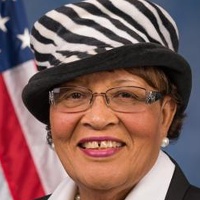
Alma Adams
Representative
NC
Alma Adams
Representative
NC
The Improving Access to Nutrition Act of 2026 addresses the Supplemental Nutrition Assistance Program (SNAP) by eliminating a specific work requirement exemption and related state funding provisions. Congress finds that existing SNAP work requirements are ineffective at reducing poverty and create significant barriers to food assistance, disproportionately affecting vulnerable populations. This legislation aims to streamline access to benefits by removing these administrative hurdles.
This bill appropriates funding and establishes operational rules for the Department of Homeland Security for Fiscal Year 2026 across management, security, preparedness, and research functions, while imposing strict oversight and spending restrictions.
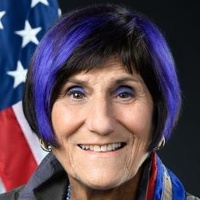
Rosa DeLauro
Representative
CT
Rosa DeLauro
Representative
CT
This bill provides the funding and establishes the operational rules for the Department of Homeland Security (DHS) for Fiscal Year 2026 across all major components, including intelligence, security operations, emergency management, and research. It allocates billions for agencies like TSA, Coast Guard, FEMA, and CISA while imposing strict new requirements for congressional oversight, spending transparency, and management of federal grants. The legislation also includes specific policy directives, such as mandating security screening for senior officials and restricting certain intelligence and contracting activities.
This act allows first-time homebuyers to take tax-free distributions of up to \$35,000 from a 529 college savings plan under specific conditions.
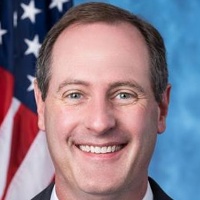
Tracey Mann
Representative
KS
Tracey Mann
Representative
KS
The First-Time Home Buyer Empowerment Act amends tax law to allow first-time homebuyers to take tax-free distributions from a 529 college savings plan for a home purchase. This special provision is subject to conditions, including a $35,000 lifetime limit per beneficiary. If the home is sold within five years, a recapture tax applies to recover the avoided income tax.
This act mandates the EPA to study and report on the feasibility and best practices for expanding reuse and refill systems across various sectors to promote sustainable economies.
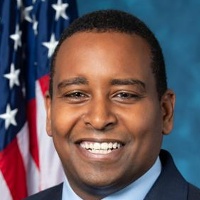
Joe Neguse
Representative
CO
Joe Neguse
Representative
CO
The Research for Environmental Uses and Sustainable Economies Act of 2026 (REUSE Act of 2026) directs the Environmental Protection Agency (EPA) to study and report on the feasibility and best practices for establishing reuse and refill systems for various products. This report will analyze the economic impacts, job creation potential, and necessary support for expanding these sustainable systems across different sectors. The goal is to identify effective methods for implementing convenient and safe reuse infrastructure nationwide.
This bill establishes mandatory minimum humanitarian standards for health screening, water, sanitation, food, and shelter for all individuals in ICE and CBP custody.
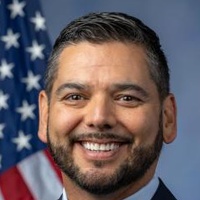
Raul Ruiz
Representative
CA
Raul Ruiz
Representative
CA
The Humanitarian Standards for Individuals in ICE and CBP Custody Act establishes minimum standards for health screening, nutrition, sanitation, and shelter for individuals detained by ICE and CBP. This bill mandates specific protocols for medical care, facility conditions, and personnel training to ensure humane treatment. It also requires regular inspections and public reporting on compliance and sexual abuse complaints.
This resolution condemns federal workforce reductions at FEMA that threaten national preparedness, response, and recovery capabilities, and expresses concern over proposed future staffing cuts.
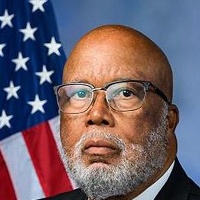
Bennie Thompson
Representative
MS
Bennie Thompson
Representative
MS
This resolution condemns current and proposed staffing cuts at the Federal Emergency Management Agency (FEMA), arguing they undermine national preparedness and disaster response capabilities. It highlights that workforce reductions endanger the ability to effectively manage increasingly severe disasters and critical counterterrorism programs. The bill expresses concern that these cuts compromise institutional knowledge and slow vital assistance to communities recovering from events like recent hurricanes. Ultimately, it commits Congress to supporting a stable and adequately resourced FEMA workforce.
The ICE OUT Act reforms qualified immunity standards for ICE and CBP agents, eliminating immunity for excessive force claims and tightening the "clearly established law" standard for other civil rights lawsuits.

Dan Goldman
Representative
NY
Dan Goldman
Representative
NY
The ICE OUT Act reforms the standards for qualified immunity for federal immigration agents from ICE and CBP when they are sued for law enforcement activities. This legislation specifically removes immunity for claims involving the use of excessive force. For all other civil rights claims, agents must meet a "clearly established law" standard to claim immunity.
This bill mandates the removal of U.S. Armed Forces from Venezuela unless explicitly authorized by Congress.
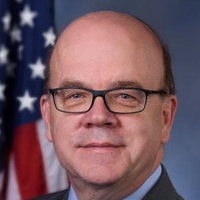
James McGovern
Representative
MA
James McGovern
Representative
MA
This bill mandates the President to withdraw all United States Armed Forces from Venezuela. This action is required unless Congress has formally declared war or passed specific legislation authorizing the use of military force in that country.
The Language Access for All Act of 2026 mandates that federal agencies implement comprehensive language assistance services, including translation and interpretation, to ensure meaningful access for individuals with limited English proficiency.
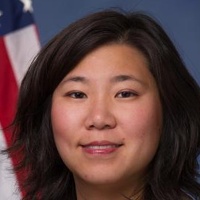
Grace Meng
Representative
NY
Grace Meng
Representative
NY
The Language Access for All Act of 2026 mandates that federal agencies provide meaningful access to programs and services for individuals with limited English proficiency. The bill requires agencies to implement comprehensive language access plans, establish technical standards for translation and interpretation, and appoint dedicated coordinators to ensure compliance. Additionally, it creates a public complaint system and sets strict guidelines for the use of AI in language services to ensure accuracy and accountability.
This bill establishes victim-centered guidance and training to strengthen protections for child sex trafficking victims who testify against traffickers, while also modernizing federal rights and recording procedures for child victims and witnesses.
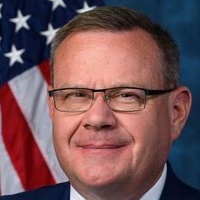
Tim Moore
Representative
NC
Tim Moore
Representative
NC
This Act requires the Attorney General to create victim-centered guidance to strengthen protections for child sex trafficking victims who testify against their traffickers. It mandates training on these new protocols for law enforcement, prosecutors, and judges, and expands how block grant funds can be used to support these child witnesses. Finally, the bill modernizes federal rights for child victims and witnesses by updating terminology and explicitly allowing for digital recording technology in testimony procedures.
This act amends Medicare Part B to cover pharmacist-provided HIV prevention services, including PrEP and PEP management, starting January 1, 2027.
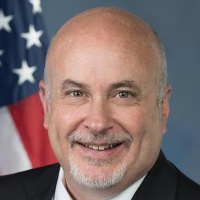
Mark Pocan
Representative
WI
Mark Pocan
Representative
WI
The PrEP Access Act aims to expand access to HIV prevention by amending Medicare Part B to cover HIV prevention services, such as PrEP and PEP management, when provided by pharmacists. This coverage will take effect on January 1, 2027. The bill also establishes specific payment rates and prohibits pharmacists from balance billing Medicare beneficiaries for these services.
This bill redirects federal enforcement funding to significantly increase resources for local police departments through the COPS Hiring Program and the Byrne JAG Program.
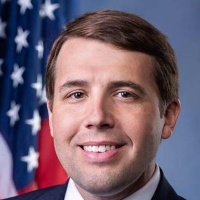
Chris Pappas
Representative
NH
Chris Pappas
Representative
NH
This bill, the PUBLIC SAFETY Act, redirects $2 billion from U.S. Immigration and Customs Enforcement (ICE) to significantly boost the COPS Hiring Program to support local law enforcement. It also allocates an additional $45 billion to the Edward Byrne Memorial Justice Assistance Grant (JAG) Program for local criminal justice initiatives. The legislation aims to increase federal funding available directly to local police departments for hiring and operations.
This bill automatically appropriates funds to ensure federal employees and essential contractors receive their regular pay during a government shutdown.
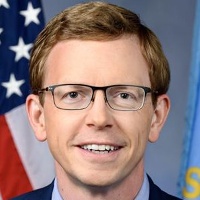
Dusty Johnson
Representative
SD
Dusty Johnson
Representative
SD
The Shutdown Fairness Act automatically appropriates necessary funds to ensure federal employees and essential contractors receive their regular pay during a government shutdown. This legislation mandates timely payment for covered personnel, regardless of whether they were deemed "excepted" or furloughed. The funds are charged against the agency's subsequent regular appropriations once they are enacted.
This bill establishes a Department of Veterans Affairs research program to study and facilitate veteran access to innovative and emerging treatments, including psychedelic-assisted therapies, for conditions like PTSD and chronic pain.
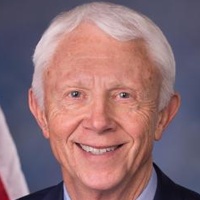
Jack Bergman
Representative
MI
Jack Bergman
Representative
MI
This bill establishes a Department of Veterans Affairs (VA) research program to study innovative and emerging therapies, such as psychedelic-assisted treatments, for conditions like PTSD and chronic pain. The program will facilitate clinical trials and compassionate access protocols for eligible veterans. The VA Secretary must report on the program's progress and outcomes within one year of enactment.
This bill restricts the Department of Homeland Security's use and sharing of specific facial recognition mobile applications to only identifying individuals at ports of entry and mandates the destruction of captured U.S. citizen biometric data.
Bennie Thompson
Representative
MS
Bennie Thompson
Representative
MS
This bill, the Realigning Mobile Phone Biometrics for American Privacy Protection Act, restricts the Department of Homeland Security's use of specific facial recognition mobile applications to identifying individuals only at ports of entry. It prohibits sharing these applications with other agencies and mandates the destruction of U.S. citizen biometric data captured by them. The law requires immediate removal and deactivation of these applications from non-essential systems and remote disabling of downloaded copies.
This bill establishes a Department of Justice Task Force to combat anti-Sikh hate and discrimination through definition, education, and reporting.
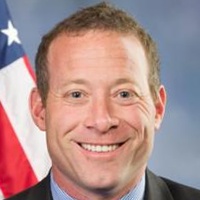
Josh Gottheimer
Representative
NJ
Josh Gottheimer
Representative
NJ
The Sikh American Anti-Discrimination Act of 2026 establishes a Department of Justice Task Force dedicated to combating anti-Sikh hate and discrimination. This Task Force is charged with formally defining anti-Sikh hate, developing educational programs for law enforcement and schools, and collaborating with the Sikh community. The bill mandates annual reporting to Congress on hate crimes, legal actions, and ongoing threats against Sikhs.
This bill impeaches Secretary of Homeland Security Kristi Lynn Arnold Noem for high crimes and misdemeanors, citing willful refusal to comply with oversight law, violating the Impoundment Control Act, directing unlawful ICE misconduct, and misusing federal funds for personal gain.
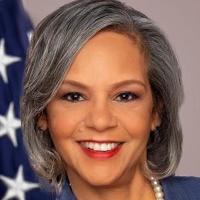
Robin Kelly
Representative
IL
Robin Kelly
Representative
IL
This resolution initiates impeachment proceedings against Secretary of Homeland Security Kristi Lynn Arnold Noem for high crimes and misdemeanors. The articles of impeachment charge her with willfully refusing to comply with Congressional oversight laws and violating the Impoundment Control Act by improperly withholding funds. Further articles allege she directed widespread misconduct by ICE agents that violated federal law and constitutional rights, and misused taxpayer funds for personal gain through improper contracting.
This resolution designates January 13th as Korean American Day to honor the contributions of Korean Americans and recognize the anniversary of the first Korean immigrants' arrival.
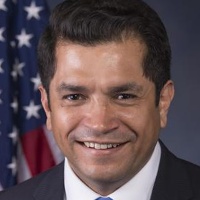
Jimmy Gomez
Representative
CA
Jimmy Gomez
Representative
CA
This resolution officially designates January 13th as Korean American Day. It expresses support for the day's ideals and encourages Americans to observe it. The resolution also honors the 123rd anniversary of the first Korean immigrants arriving in the United States.
This resolution urges the Secretary of Defense to review the law governing the enlistment of aliens, specifically those with DACA status, into the Armed Forces.
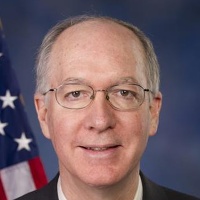
Bill Foster
Representative
IL
Bill Foster
Representative
IL
This resolution expresses the sense of the House that the Secretary of Defense should review current law regarding the enlistment of non-citizens in the Armed Forces. Specifically, it calls for a review concerning the eligibility of aliens holding Deferred Action for Childhood Arrivals (DACA) status to serve.
This resolution recognizes the 15th anniversary of the 2011 Tucson shooting, honoring the victims, survivors, and the ongoing advocacy of Gabby Giffords.
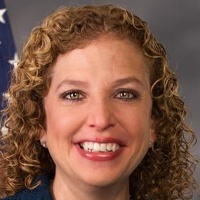
Debbie Wasserman Schultz
Representative
FL
Debbie Wasserman Schultz
Representative
FL
This resolution commemorates the 15th anniversary of the tragic January 8, 2011, Tucson shooting, honoring the six lives lost and the thirteen injured. It specifically commends the courage and ongoing advocacy of gun violence survivor and former Congresswoman Gabby Giffords. The resolution also recognizes the resilience of the community and reaffirms a commitment to ending political violence.