Legislative Activity
Track J.'s sponsored bills, co-sponsored legislation, and voting record
The PBM Reform Act of 2025 mandates sweeping changes to increase transparency, ensure fair pharmacy access in Medicare, and prohibit abusive spread pricing in Medicaid by holding Pharmacy Benefit Managers accountable for their financial dealings.
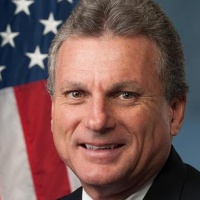
Earl Carter
Representative
GA
Earl Carter
Representative
GA
The Pharmacy Benefit Manager Reform Act of 2025 aims to increase transparency and accountability across the prescription drug supply chain. It mandates fairer pharmacy network access for Medicare beneficiaries and imposes strict new financial reporting and service fee requirements on Pharmacy Benefit Managers (PBMs) working with Medicare and private health plans. Furthermore, the bill establishes new federal mechanisms to accurately track drug acquisition costs in Medicaid and explicitly bans the practice of "spread pricing" in state Medicaid contracts.
This Act eliminates the dollar limits on the tax-free profit exclusion when selling a principal residence.
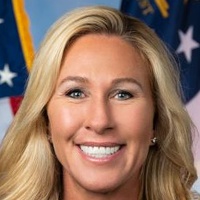
Marjorie Greene
Representative
GA
Marjorie Greene
Representative
GA
The No Tax on Home Sales Act eliminates the existing dollar limitations on the amount of profit an individual can exclude from taxes when selling their principal residence. This change removes the caps on the tax-free gain from the sale of a primary home. The provisions of this Act take effect immediately upon enactment.
This bill establishes new pilot projects and a dedicated program to significantly improve subseasonal to seasonal forecasts for atmospheric rivers, aiming to reduce damage from these major moisture events in the Western US.
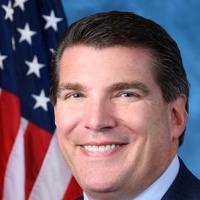
Jay Obernolte
Representative
CA
Jay Obernolte
Representative
CA
This bill establishes new pilot projects and a dedicated program to significantly improve subseasonal to seasonal forecasts for atmospheric rivers, which are crucial for water management in the West. The legislation directs NOAA to advance the science behind these moisture-laden storms, focusing on better modeling for mountainous terrain and storm track prediction. The ultimate goal is to create more accurate, actionable forecasts and warnings to reduce the damage caused by these major weather events.
The REMIT Act of 2025 restricts the federal government from imposing excise taxes or fees on money transmitters unless the Treasury Secretary certifies that such measures will not aid criminal activity or unduly burden the businesses.
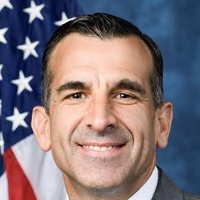
Sam Liccardo
Representative
CA
Sam Liccardo
Representative
CA
The REMIT Act of 2025 aims to protect the integrity of international money transfers while minimizing burdens on legal remittance services. This legislation restricts the federal government's ability to impose new excise taxes or fees on money transmitting businesses. Before any such tax or fee can be implemented, the Treasury Secretary must certify that it will not aid criminal money laundering or place an excessive burden on these businesses. This framework seeks to prevent regulatory changes from inadvertently benefiting informal and illicit transfer systems.
This bill extends the maximum holding period for certain real estate assets for Federal credit unions from 15 to 20 years and clarifies loan eligibility language.
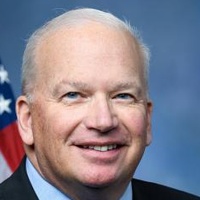
Scott Fitzgerald
Representative
WI
Scott Fitzgerald
Representative
WI
The Expanding Access to Lending Options Act directs the National Credit Union Administration (NCUA) to prioritize the safety and soundness of federally chartered credit unions. This legislation primarily amends the Federal Credit Union Act by extending the maximum holding period for certain real estate assets from 15 to 20 years. It also clarifies the eligibility language for property involved in these real estate loans.
This Act prohibits the use of "panic defenses" in federal court that attempt to excuse or mitigate crimes based on a victim's sexual orientation or gender identity.
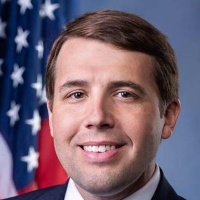
Chris Pappas
Representative
NH
Chris Pappas
Representative
NH
The LGBTQ+ Panic Defense Prohibition Act of 2025 bans the use of "panic defenses" in federal court, which attempt to excuse or lessen a defendant's culpability for a crime based on the victim's sexual orientation or gender identity. This legislation recognizes that these outdated defenses rely on prejudice and undermine justice for LGBTQ+ individuals. The Act also requires the Attorney General to report annually on violent federal crimes motivated by bias against LGBTQ+ people.
This resolution expresses support for designating September 25th as National Stop SuiSilence Day to encourage open conversation and action regarding suicide prevention.
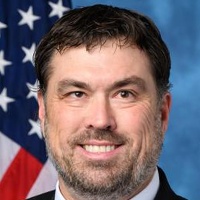
Morgan Luttrell
Representative
TX
Morgan Luttrell
Representative
TX
This resolution expresses strong support for designating **September 25th** as **National Stop SuiSilence Day**. The bill emphasizes that open conversation is crucial for reducing the stigma surrounding suicide and preventing loss of life. It encourages individuals, communities, and the government to actively engage in suicide prevention awareness and action on this designated day.
This Act mandates that federal officers involved in border security or immigration enforcement must clearly display identification, wear visible uniforms or badges, and not conceal their faces during detentions or arrests.

Dan Goldman
Representative
NY
Dan Goldman
Representative
NY
The No Secret Police Act of 2025 mandates that federal officers engaged in border security or immigration enforcement must clearly display identification, wear visible badges or uniforms, and refrain from wearing face coverings during detentions or arrests. This ensures accountability by requiring clear identification from Department of Homeland Security (DHS) personnel. The bill also requires the Secretary of Homeland Security to report on current tactical gear policies and research methods to improve officer visibility.
This resolution recognizes the right to peaceful protest while condemning violence and criticizing the federal government's controversial deployment of military forces during recent Los Angeles demonstrations.
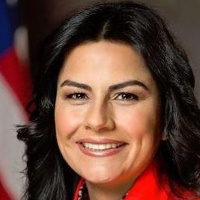
Nanette Barragán
Representative
CA
Nanette Barragán
Representative
CA
This resolution formally recognizes the constitutional right to peaceful protest while strongly condemning violence and illegal acts committed during demonstrations. It criticizes the federal government's deployment of military forces during recent events, arguing the actions were an overreach that bypassed proper legal and state authority. Ultimately, the bill asserts the importance of transparency in law enforcement and denounces rhetoric that escalates community tensions.
This bill makes technical corrections and clarifications to the Camp Lejeune Justice Act of 2022, including adjusting venue options, setting standards of proof, and capping attorney fees, all retroactively applied to August 10, 2022.
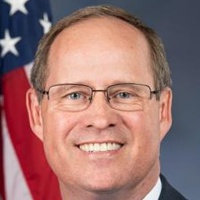
Gregory Murphy
Representative
NC
Gregory Murphy
Representative
NC
The Ensuring Justice for Camp Lejeune Victims Act of 2025 makes technical corrections to the 2022 Camp Lejeune Justice Act to clarify standards for proving harm and venue for trials. This legislation sets specific caps on attorney fees and retroactively applies these changes to all existing and future claims filed under the original 2022 Act. The bill ensures that existing statutes of limitations for filing claims remain unchanged.
This Act expands healthcare access by ensuring lawfully present immigrants are eligible for federal health programs, treating federally authorized presence as lawful presence for coverage, and giving states the option to cover undocumented individuals under Medicaid and CHIP.

Pramila Jayapal
Representative
WA
Pramila Jayapal
Representative
WA
The Health Equity and Access under the Law for Immigrant Families Act of 2025 aims to significantly expand healthcare access for immigrants legally residing in the U.S. by ensuring eligibility for federal health programs like Medicaid and CHIP, removing state restrictions for permanent residents, and treating federally authorized presence as lawful presence for coverage purposes. The bill also provides states the option to extend Medicaid and CHIP coverage to individuals without lawful status. Furthermore, it removes citizenship barriers preventing certain non-citizens from accessing ACA marketplace subsidies and updates Medicare eligibility rules.
This Act prohibits states from interfering with or penalizing individuals who provide, receive, or facilitate abortion services that are legal in the state where the service occurs, including interstate travel for such care.

Lizzie Fletcher
Representative
TX
Lizzie Fletcher
Representative
TX
The Ensuring Women’s Right to Reproductive Freedom Act prohibits states from interfering with or retaliating against individuals who provide or receive abortion services that are legal in the state where the service occurs. This protection extends to interstate travel for legal abortion care and the movement of FDA-approved abortion-related drugs across state lines. Individuals harmed by violations can sue in federal court for damages and legal fees.
The Women’s Health Protection Act of 2025 establishes a federal right to access abortion services before fetal viability and protects the right to travel for care, overriding state restrictions that place burdens on abortion access not imposed on comparable medical procedures.
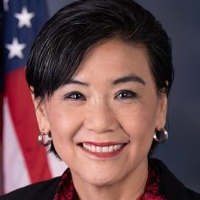
Judy Chu
Representative
CA
Judy Chu
Representative
CA
The Women’s Health Protection Act of 2025 establishes a federal statutory right to access abortion services, prohibiting medically unnecessary restrictions that impede care before fetal viability. This Act protects the right of patients to travel across state lines to receive reproductive healthcare and allows providers to offer services free from state interference that conflicts with established medical standards. It preempts conflicting state and local laws and provides robust enforcement mechanisms for individuals and the Attorney General to challenge violations.
This Act mandates clear "Do Not Flush" labeling on disposable wipes containing petrochemical fibers to prevent plumbing pollution, enforced by the FTC.

Lisa McClain
Representative
MI
Lisa McClain
Representative
MI
The Wastewater Infrastructure Pollution Prevention and Environmental Safety Act (WIPPES Act) mandates clear "Do Not Flush" labeling on disposable wipes that cause plumbing issues. This federal standard, enforced by the FTC, requires specific placement and high contrast for the required symbols and text on all packaging. The Act preempts differing state or local labeling laws and gives manufacturers one year to comply.
This bill establishes a pilot program to provide grants for training family caregivers of young children with autism or developmental disabilities in essential skills to improve child well-being and community involvement.
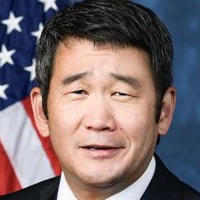
Dave Min
Representative
CA
Dave Min
Representative
CA
The Autism Family Caregivers Act of 2025 establishes a new pilot program to award grants for evidence-based skills training to family caregivers of children with autism or developmental disabilities. This training aims to improve child well-being and community engagement by focusing on communication, daily living skills, and caregiver self-care. The Secretary of Health and Human Services will oversee the program, which requires grantees to establish diverse advisory committees and report annually on program effectiveness. Funding is authorized through fiscal year 2030 to support at least 25 entities across multiple states.
This Act mandates that U.S. Immigration and Customs Enforcement (ICE) agents operating within the United States must clearly display their name and agency affiliation and cannot wear facial coverings, with limited exceptions subject to supervisory review.
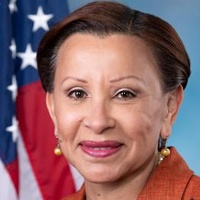
Nydia Velázquez
Representative
NY
Nydia Velázquez
Representative
NY
The No Anonymity in Immigration Enforcement Act of 2025 mandates that U.S. Immigration and Customs Enforcement (ICE) agents conducting domestic enforcement operations must clearly display their name and agency affiliation, and cannot wear facial coverings. Exceptions to this identification rule are permitted only in cases of immediate danger or necessary safety gear, subject to supervisory review within 48 hours. The bill also establishes disciplinary procedures for non-compliance and requires annual reporting to Congress on enforcement and complaints.
This bill prohibits the Secretary of the Navy from changing the names of naval vessels currently honoring Cesar Chavez, Medgar Evers, Ruth Bader Ginsburg, Dolores Huerta, Thurgood Marshall, Harvey Milk, Lucy Stone, or Harriet Tubman.
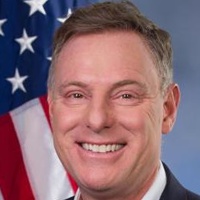
Scott Peters
Representative
CA
Scott Peters
Representative
CA
The Preserving Great Americans’ Legacies Act of 2025 prohibits the Secretary of the Navy from changing the names of naval vessels currently honoring eight specific individuals. This legislation ensures that ships named after figures like Cesar Chavez, Ruth Bader Ginsburg, and Harriet Tubman retain their designations. The act immediately prevents any renaming of these protected vessels.
This bill repeals the Caesar Syria Civilian Protection Act of 2019.
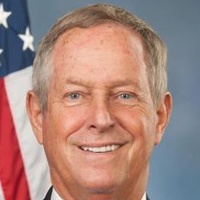
Joe Wilson
Representative
SC
Joe Wilson
Representative
SC
This bill proposes the complete repeal of the Caesar Syria Civilian Protection Act of 2019. By repealing this previous legislation, the bill removes all existing rules and requirements established under that Act.
This Act mandates that most private firearm transfers must go through a licensed dealer to ensure background checks are performed on all purchasers.
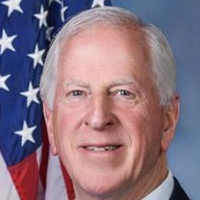
Mike Thompson
Representative
CA
Mike Thompson
Representative
CA
The Bipartisan Background Checks Act of 2025 aims to strengthen existing federal background check systems to prevent prohibited persons from acquiring firearms. This bill primarily mandates that most private firearm transfers must be facilitated through a licensed dealer who will conduct a background check. The legislation includes specific exceptions for family gifts, law enforcement, and temporary transfers under emergency circumstances.
This Act increases compensation for Chapter 7 trustees, adjusts bankruptcy fee allocations to fund the U.S. Trustee system, and extends the terms of certain temporary bankruptcy judge offices.

Ben Cline
Representative
VA
Ben Cline
Representative
VA
The Bankruptcy Administration Improvement Act of 2025 addresses the funding and administration of the federal bankruptcy system. This bill primarily increases the compensation for Chapter 7 trustees to address decades of stagnant pay while adjusting various bankruptcy fees to ensure the U.S. Trustee System remains self-funded. Additionally, it extends the term limits for certain temporary bankruptcy judge offices.