Legislative Activity
Track J.'s sponsored bills, co-sponsored legislation, and voting record
This act establishes a dedicated unit within the Department of Justice to enhance the investigation and prosecution of international trade-related crimes, such as smuggling, money laundering, and duty evasion.
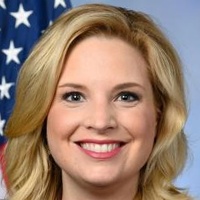
Ashley Hinson
Representative
IA
Ashley Hinson
Representative
IA
The Protecting American Industry and Labor from International Trade Crimes Act of 2026 establishes a dedicated unit within the Department of Justice to investigate and prosecute criminal trade activities, such as smuggling, duty evasion, and trade-based money laundering. This legislation aims to bolster enforcement capacity through increased staffing, interagency collaboration, and the development of multi-jurisdictional responses. Additionally, it mandates annual reporting to Congress to ensure transparency and accountability in the government's efforts to protect American industry and labor.
This bill designates the United States Postal Service facility located at 15642 Sand Canyon Avenue in Irvine, California, as the "Mary Kageyama Nomura Post Office Building."
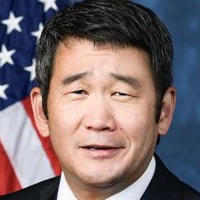
Dave Min
Representative
CA
Dave Min
Representative
CA
This bill designates the United States Postal Service facility located at 15642 Sand Canyon Avenue in Irvine, California, as the "Mary Kageyama Nomura Post Office Building."
The Diabetes Prevention Program Reauthorization Act of 2026 provides renewed federal funding for the National Diabetes Prevention Program from 2027 through 2031.
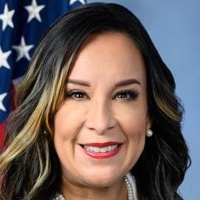
Mónica De La Cruz
Representative
TX
Mónica De La Cruz
Representative
TX
The Diabetes Prevention Program Reauthorization Act of 2026 extends and secures federal funding for the National Diabetes Prevention Program. This legislation authorizes specific annual appropriations totaling over $246 million from fiscal years 2027 through 2031 to support ongoing efforts to prevent and manage diabetes nationwide.
The Protect American Values Act prohibits the use of federal funds to implement or enforce the Department of Homeland Security’s "Public Charge Ground of Inadmissibility" rule.
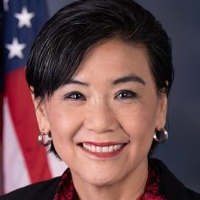
Judy Chu
Representative
CA
Judy Chu
Representative
CA
The Protect American Values Act seeks to block the implementation and enforcement of the Department of Homeland Security’s "Public Charge Ground of Inadmissibility" rule. The bill asserts that this policy harms immigrant families and local economies by restricting access to essential food, housing, and medical care. Consequently, it prohibits the use of federal funds to carry out or administer the rule.
The PERM Backlog Reduction Act of 2026 establishes an optional, fee-based premium processing program to ensure permanent labor certification applications are adjudicated within 30 days.
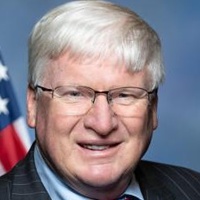
Glenn Grothman
Representative
WI
Glenn Grothman
Representative
WI
The PERM Backlog Reduction Act of 2026 establishes an optional, fee-based premium processing program to accelerate the permanent labor certification process. Under this legislation, the Department of Labor is required to adjudicate expedited Form ETA-9089 applications within 30 days. The bill ensures that these expedited services are funded by user fees while mandating that standard processing times for non-expedited applications remain unaffected.
The Stop ICE’s Medical Neglect Act of 2026 establishes a confidential online platform for reporting and addressing medical neglect within immigration detention facilities while ensuring independent expert review and protections against retaliation.
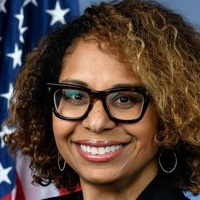
Sydney Kamlager-Dove
Representative
CA
Sydney Kamlager-Dove
Representative
CA
The Stop ICE’s Medical Neglect Act of 2026 establishes a secure, confidential online platform for reporting medical neglect within immigration detention facilities. The bill mandates that all complaints be reviewed by independent medical experts to ensure detainees receive necessary care, while providing robust protections against retaliation. Additionally, it guarantees language access and oversight to hold detention facilities accountable for the health and well-being of those in their custody.
The Deputy Darren Almendarez Act establishes federal criminal penalties for the illicit trafficking of catalytic converters and the unauthorized sale of their precious metals.
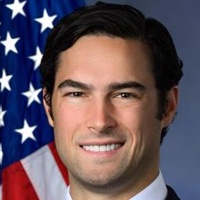
Brandon Gill
Representative
TX
Brandon Gill
Representative
TX
The Deputy Darren Almendarez Act establishes a new federal crime for the illegal trafficking of catalytic converters. This legislation imposes significant fines and prison sentences for the unauthorized possession or sale of these devices, while providing clear exemptions for legitimate automotive repair, recycling, and manufacturing businesses.
The Federal Naming Standards Act prohibits naming federal buildings, facilities, or programs after elected officials or political appointees until at least 10 years after they leave office.
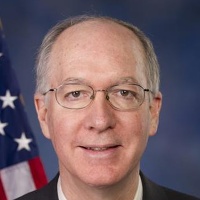
Bill Foster
Representative
IL
Bill Foster
Representative
IL
The Federal Naming Standards Act prohibits federal buildings, facilities, and programs from being named after elected officials or political appointees until at least 10 years after they leave office. This legislation aims to prevent the politicization of public property by establishing strict waiting periods and oversight by agency inspectors general. It includes specific exemptions for deceased individuals and historical or educational contexts.
This bill reauthorizes the Accelerating Access to Critical Therapies for ALS Act through 2031 while enhancing grant oversight, safety reporting requirements, and FDA strategic planning for rare neurodegenerative diseases.

Mike Quigley
Representative
IL
Mike Quigley
Representative
IL
The Accelerating Access to Critical Therapies for ALS Reauthorization Act of 2026 extends vital funding for ALS research and clinical trial programs through 2031. This legislation strengthens oversight by enhancing grant review processes, improving safety reporting requirements, and mandating a comprehensive five-year FDA action plan to accelerate the development of treatments for rare neurodegenerative diseases.
The Right to Learn Act of 2026 establishes a federal grant program to provide schools and community organizations with the resources necessary to support students and staff impacted by immigration enforcement actions while protecting their privacy and right to education.
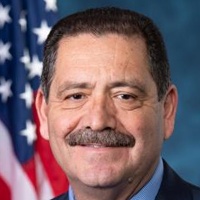
Jesús García
Representative
IL
Jesús García
Representative
IL
The Right to Learn Act of 2026 establishes a federal grant program to support schools and community organizations in providing trauma-informed care and resources to students and families impacted by immigration enforcement. The Act aims to ensure that all children, regardless of immigration status, have access to a safe, stable, and inclusive learning environment. Additionally, it mandates strict privacy protections for student information and prohibits discrimination based on immigration status.
The "Combating Illicit Xylazine Act" aims to combat the misuse of xylazine by adding it to Schedule III of the Controlled Substances Act, tracking its distribution, and ensuring appropriate penalties for related offenses, while also protecting legitimate veterinary use.
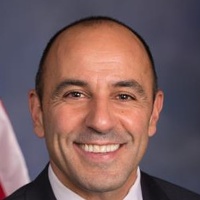
Jimmy Panetta
Representative
CA
Jimmy Panetta
Representative
CA
The "Combating Illicit Xylazine Act" aims to combat the illegal use of xylazine by adding it to Schedule III of the Controlled Substances Act, which would allow for increased regulation and tracking of the substance. The bill includes exemptions and delayed effective dates for certain requirements to ease the transition for legitimate users, such as veterinarians and animal handlers. It also directs the Sentencing Commission to review sentencing guidelines for xylazine-related offenses and mandates reports to Congress on the prevalence and impact of illicit xylazine use. Finally, it will include xylazine in Arcos tracking.
Orlin’s Law establishes comprehensive protections for detained immigrant parents, prioritizing family unity by mandating release procedures, access to legal and child welfare proceedings, and the creation of a dedicated office to coordinate parental rights and care.

Pramila Jayapal
Representative
WA
Pramila Jayapal
Representative
WA
Orlin’s Law establishes critical protections for immigrant parents in U.S. custody to prevent the unnecessary separation of families. The bill mandates that detained parents be prioritized for release, provided with the means to participate in family court proceedings, and granted access to resources for their children’s care. Additionally, it creates an Office of Detained Parent Coordination to oversee these protections and requires the government to provide alternatives to detention for parents.
This bill designates the Department of Veterans Affairs community-based outpatient clinic in San Jose, California, as the "Corporal Patrick D. Tillman VA Clinic."
Jimmy Panetta
Representative
CA
Jimmy Panetta
Representative
CA
This bill designates the Department of Veterans Affairs community-based outpatient clinic in San Jose, California, as the "Corporal Patrick D. Tillman VA Clinic." This renaming honors the legacy of Pat Tillman, a San Jose native and former NFL player who left his professional career to serve as an Army Ranger and made the ultimate sacrifice for his country.
The Patients First Act of 2026 reforms Medicare physician payment systems to ensure more stable, predictable reimbursement for providers while improving patient access to primary care and value-based services.
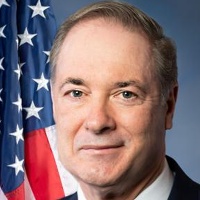
John Joyce
Representative
PA
John Joyce
Representative
PA
The Patients First Act of 2026 is comprehensive legislation designed to stabilize Medicare physician payments, improve patient access to primary care, and transition the current quality reporting system to a more clinician-led framework. By modernizing reimbursement formulas, reducing financial volatility for providers, and increasing transparency in value-based care models, the bill aims to ensure a more sustainable and predictable healthcare environment. These reforms seek to lower out-of-pocket costs for patients while supporting the long-term viability of medical practices.
This bill mandates electronic prior authorization, increases transparency through required data reporting, and establishes faster decision timelines for Medicare Advantage plans to improve timely access to care for seniors.
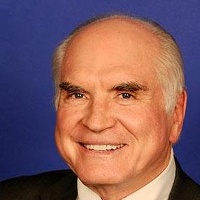
Mike Kelly
Representative
PA
Mike Kelly
Representative
PA
The Improving Seniors’ Timely Access to Care Act of 2025 aims to streamline and modernize the prior authorization process within Medicare Advantage plans. This bill mandates the adoption of electronic prior authorization systems and significantly increases transparency regarding approval rates and decision times starting in 2027. Furthermore, it establishes new enrollee protections and grants the Secretary authority to enforce faster decision timeframes for medical services.
The High Court Gift Ban Act prohibits federal judicial officers from accepting gifts exceeding $50 per instance or $100 annually from a single source, with specific exceptions and enforcement penalties.
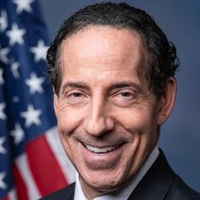
Jamie Raskin
Representative
MD
Jamie Raskin
Representative
MD
The High Court Gift Ban Act establishes strict limits on gifts accepted by federal judicial officers, prohibiting any gift valued over $50 or exceeding $100 in total annual value from a single source. The bill includes specific exemptions for personal hospitality, professional events, and family gifts, while mandating enforcement through the Judicial Conference and potential civil or criminal penalties for violations.
This bill mandates that the Department of Homeland Security improve inter-agency data sharing and establish performance metrics to more effectively detect, deter, and seize illicit fentanyl.
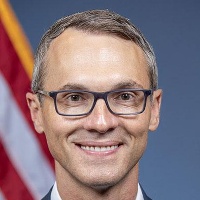
James Walkinshaw
Representative
VA
James Walkinshaw
Representative
VA
The Measuring Illicit Fentanyl Trafficking Act mandates that the Department of Homeland Security improve inter-agency data sharing to better combat the flow of illicit fentanyl. Additionally, the bill requires the establishment of standardized performance metrics to track and evaluate the effectiveness of the Department’s detection and interdiction efforts.
This resolution designates July 10th as Journeyman Lineworkers Recognition Day to honor the essential service and sacrifices of the professionals who maintain our nation’s power grid.
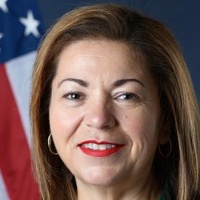
Linda Sánchez
Representative
CA
Linda Sánchez
Representative
CA
This resolution designates July 10th as Journeyman Lineworkers Recognition Day to honor the essential, high-risk work performed by these skilled professionals. It pays tribute to the lineworkers who provide critical service during emergencies and recognizes those who have made the ultimate sacrifice in the line of duty.
The IBOGAINE Act directs federal funding toward clinical research and the development of ibogaine as a therapeutic treatment for substance use disorders.
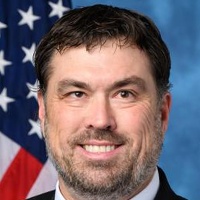
Morgan Luttrell
Representative
TX
Morgan Luttrell
Representative
TX
The IBOGAINE Act seeks to authorize and fund critical clinical research into the therapeutic potential of ibogaine for treating substance use disorders and mental health conditions. By facilitating rigorous scientific study, the bill aims to evaluate the safety and efficacy of this treatment as a viable option for patients. Ultimately, the legislation supports the development of innovative medical interventions to address the ongoing addiction crisis.
The Online Accessibility Act amends the Americans with Disabilities Act to establish accessibility standards for private, consumer-facing websites and mobile applications, ensuring equal access for individuals with disabilities.
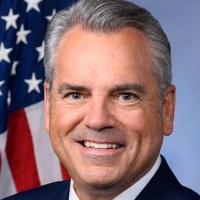
Mark Alford
Representative
MO
Mark Alford
Representative
MO
The Online Accessibility Act amends the Americans with Disabilities Act to ensure that private, consumer-facing websites and mobile applications are accessible to individuals with disabilities. It establishes compliance standards based on the Web Content Accessibility Guidelines (WCAG) and outlines a formal administrative process for addressing and enforcing accessibility violations. The bill also provides a framework for federal oversight and private legal action to ensure businesses provide equal access to their digital platforms.