Legislative Activity
Track Judy's sponsored bills, co-sponsored legislation, and voting record
This Act establishes federal minimum salary and wage floors for school paraprofessionals and support staff, providing federal funding to help states meet these new pay standards within four years.
Jesús García
Representative
IL
Jesús García
Representative
IL
The Pay Paraprofessionals and Support Staff Act establishes minimum federal salary and wage floors for school support staff, requiring states to implement higher state-level standards. It authorizes significant federal funding through grants to help states and local districts meet these new pay requirements within four years. States must prioritize funding distribution to districts serving high numbers of low-income students to ensure compliance with the mandated pay increases.
This bill modifies deposits into the Crime Victims Fund by excluding certain False Claims Act recoveries and mandates an Inspector General audit of the Fund's sustainability.
Ann Wagner
Representative
MO
Ann Wagner
Representative
MO
This bill amends the Victims of Crime Act of 1984 to temporarily exclude certain False Claims Act recoveries from being deposited into the Crime Victims Fund through fiscal year 2029. It also mandates a comprehensive audit by the Department of Justice Inspector General on the Fund's sustainability and the impact of recent legislative changes. The resulting report will provide recommendations for improving the Fund's effectiveness and oversight.
This act mandates the EPA to list all PFAS chemicals with fully fluorinated carbon atoms as hazardous air pollutants and identify their emission source categories under the Clean Air Act.
Haley Stevens
Representative
MI
Haley Stevens
Representative
MI
The PROTECT Act of 2026 mandates the Environmental Protection Agency (EPA) to list all perfluoroalkyl and polyfluoroalkyl substances (PFAS) with at least one fully fluorinated carbon atom as hazardous air pollutants. This action requires the EPA to identify and list the specific source categories that emit these newly designated hazardous substances under the Clean Air Act.
This act establishes a ten-year, \$50 billion program to fund grants for recruiting, hiring, and training public health nurses, particularly in underserved areas.
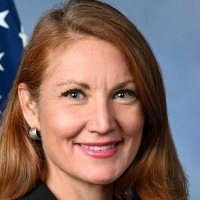
Melanie Stansbury
Representative
NM
Melanie Stansbury
Representative
NM
The Public Health Nursing Act establishes a ten-year, \$50 billion program to fund and expand the public health nursing workforce across the nation. This funding will provide grants to state, local, and territorial health departments to recruit, hire, and train registered nurses for essential public health services. Priority will be given to applicants serving medically underserved areas facing high rates of chronic disease, infant mortality, or maternal morbidity.
This resolution recognizes the 15th anniversary of the 2011 Tucson shooting, honoring the victims, survivors, and the ongoing advocacy of Gabby Giffords.
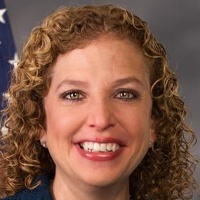
Debbie Wasserman Schultz
Representative
FL
Debbie Wasserman Schultz
Representative
FL
This resolution commemorates the 15th anniversary of the tragic January 8, 2011, Tucson shooting, honoring the six lives lost and the thirteen injured. It specifically commends the courage and ongoing advocacy of gun violence survivor and former Congresswoman Gabby Giffords. The resolution also recognizes the resilience of the community and reaffirms a commitment to ending political violence.
This bill excludes certain cost-of-living adjustments and supplementary Social Security payments from being counted as income when determining SNAP benefit eligibility.
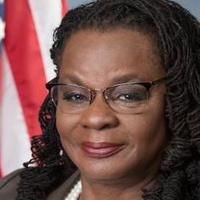
Gwen Moore
Representative
WI
Gwen Moore
Representative
WI
The COLAs Don’t Count Act of 2026 aims to protect SNAP benefits by excluding certain cost-of-living adjustments (COLAs) from Social Security and other federal benefits when calculating eligibility. This ensures that automatic annual income increases do not cause households to lose their food assistance. The legislation also excludes specific supplementary payments from the income calculation.
This bill restores forest health, expands recreation opportunities, and permanently protects hundreds of thousands of acres of federal land in Northwest California.
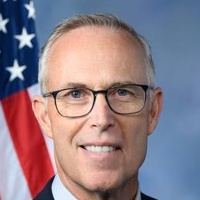
Jared Huffman
Representative
CA
Jared Huffman
Representative
CA
The Northwest California Wilderness, Recreation, and Working Forests Act is a comprehensive bill designed to restore federal forest health, expand outdoor recreation opportunities, and permanently conserve significant natural landscapes in Northern California. It establishes large restoration areas to reduce wildfire risk, designates new wilderness and wild and scenic rivers, and authorizes new trails and visitor centers. The legislation also protects existing utility operations and affirms the rights of Indian Tribes for traditional and religious uses.
This bill expresses support for designating a week in September as "National Hispanic-Serving Institutions Week" to recognize their achievements and goals.
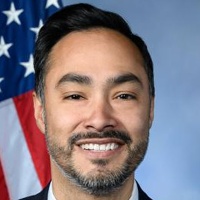
Joaquin Castro
Representative
TX
Joaquin Castro
Representative
TX
This bill officially designates the week of September 15 through September 21, 2024, as "National Hispanic-Serving Institutions Week." It recognizes the significant achievements and goals of these vital institutions across the nation. The resolution encourages public observance with appropriate activities to demonstrate support for Hispanic-Serving Institutions during Hispanic Heritage Month.
The American Affordability Act of 2025 is a comprehensive bill designed to lower costs for families through expanded housing assistance, clean energy tax credits, monthly child payments, education relief, and enhanced healthcare subsidies.
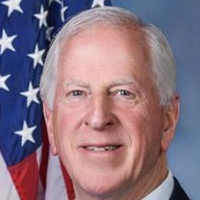
Mike Thompson
Representative
CA
Mike Thompson
Representative
CA
The American Affordability Act of 2025 is a comprehensive bill designed to lower costs across five key areas: housing, energy, family care, education, and healthcare. It achieves this by expanding tax credits for housing construction and homebuyers, extending incentives for clean energy manufacturing and consumer adoption, replacing the Child Tax Credit with larger monthly payments, making higher education expenses more affordable, and permanently expanding subsidies to lower health insurance premiums for millions. Overall, the legislation aims to provide direct financial relief and increase access to essential services for American families and workers.
The GRACE Act establishes a minimum annual refugee admission ceiling of 125,000, allows for higher numbers based on presidential determination and private sponsorship, and mandates detailed quarterly reporting on admissions and processing.
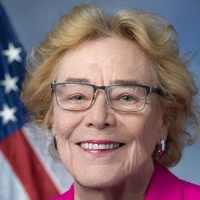
Zoe Lofgren
Representative
CA
Zoe Lofgren
Representative
CA
The GRACE Act establishes the Guaranteed Refugee Admission Ceiling Enhancement Act to reform how the annual number of refugee admissions is set, requiring a minimum of 125,000 plus an additional amount for privately sponsored refugees. The bill mandates detailed quarterly public reporting on admission progress and processing statistics, including security checks and circuit ride operations. It also requires the President to submit plans if admissions fall significantly below the annual goal.
The Schedules That Work Act establishes rights for employees to request flexible schedules, mandates advance notice and predictability pay for schedule changes in covered sectors, and grants employees rest time between shifts.

Rosa DeLauro
Representative
CT
Rosa DeLauro
Representative
CT
The Schedules That Work Act aims to provide workers with greater stability and predictability in their work hours. It grants employees the right to request flexible or stable schedules and requires employers to engage in a good-faith discussion about these requests. For covered sector employees (like retail and food service), the bill mandates 14 days' advance notice of schedules and establishes "predictability pay" for last-minute changes or split shifts. The Act also grants employees the right to 11 hours of rest between shifts, with premium pay required if this rest period is violated.
The Clean Competition Act establishes a carbon intensity charge on high-emission industrial goods produced domestically or imported, while funding programs to incentivize industrial decarbonization and global climate cooperation.
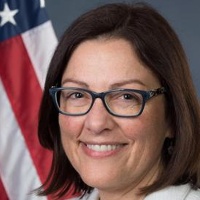
Suzan DelBene
Representative
WA
Suzan DelBene
Representative
WA
The Clean Competition Act establishes a carbon intensity charge on energy-intensive industrial goods produced domestically or imported into the United States to incentivize lower emissions. The bill provides financial support for industrial decarbonization through technology grants and competitive contracts funded by these charges. Additionally, it promotes international cooperation through "carbon club" agreements and climate assistance programs.
The Part-Time Worker Bill of Rights Act expands FMLA eligibility to part-time employees and establishes protections against scheduling discrimination, ensuring fair access to benefits and work hours.

Janice Schakowsky
Representative
IL
Janice Schakowsky
Representative
IL
The Part-Time Worker Bill of Rights Act aims to strengthen protections and expand benefits for part-time and temporary employees. The legislation eliminates restrictive hours-of-service requirements for FMLA leave and prohibits discrimination based on hours worked regarding pay, benefits, and promotion opportunities. Additionally, it mandates that employers offer available work hours to existing staff before hiring new employees or contractors.
The Fair Competition for Small Business Act of 2025 empowers state attorneys general to sue on behalf of residents for damages resulting from antitrust violations under the Sherman Act.
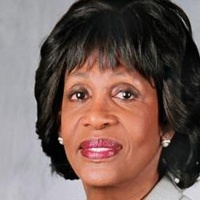
Maxine Waters
Representative
CA
Maxine Waters
Representative
CA
The Fair Competition for Small Business Act of 2025 empowers state attorneys general to file lawsuits on behalf of their residents against companies violating federal antitrust laws. This legislation strengthens consumer protections by allowing states to seek damages for anti-competitive practices under the Sherman Act.
This act restricts senior government officials and their families from owning or trading specific investments, requiring divestment of existing holdings to restore public trust.
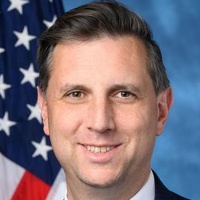
Seth Magaziner
Representative
RI
Seth Magaziner
Representative
RI
The Restore Trust in Government Act establishes strict new federal restrictions on senior government officials and their immediate families regarding the ownership and trading of specific financial investments. Covered individuals must divest existing investments that fall under the law's definition within a set timeframe, with limited exceptions. Violators face significant financial penalties, including a 10% fee on the investment value and disgorgement of any profits earned from prohibited transactions.
This act removes the White House and its grounds from a specific list of protected properties under existing historic preservation law.
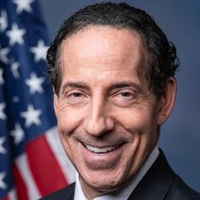
Jamie Raskin
Representative
MD
Jamie Raskin
Representative
MD
The People's White House Historic Preservation Act removes the White House and its grounds from a specific list of properties under current preservation law. This action reclassifies the status of the White House regarding federal historic preservation regulations.
The Connecting Caregivers to Medicare Act of 2025 mandates expanded outreach and education to help Medicare beneficiaries authorize family caregivers to access their health information through 1-800-MEDICARE while implementing robust fraud protection measures.
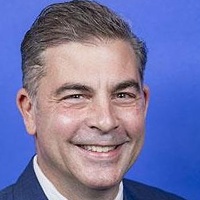
Mike Carey
Representative
OH
Mike Carey
Representative
OH
The Connecting Caregivers to Medicare Act of 2025 mandates that the Department of Health and Human Services conduct widespread outreach to educate Medicare beneficiaries on how to authorize family caregivers to access their personal health information via 1-800-MEDICARE. The bill requires the integration of this authorization process into official Medicare resources and mandates the development of new fraud protection best practices to ensure beneficiary security. By streamlining access and providing clear guidance, this legislation aims to better support caregivers while safeguarding sensitive health data.
The Essential Caregivers Act of 2025 guarantees nursing home and long-term care residents the right to designate an essential caregiver who maintains access to them even during public health emergencies.
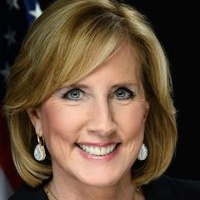
Claudia Tenney
Representative
NY
Claudia Tenney
Representative
NY
The Essential Caregivers Act of 2025 protects the rights of residents in long-term care facilities to designate an essential caregiver who can provide support and companionship. This legislation ensures that these caregivers maintain in-person access to residents even during public health emergencies when general visitation is restricted. By establishing clear protocols and an appeals process, the bill aims to prevent the harmful effects of isolation and ensure residents continue to receive vital care and advocacy.
The EFFECTIVE Food Procurement Act mandates that the USDA prioritize purchasing food that supports regional economies, worker well-being, environmental sustainability, and equity for specific producers.
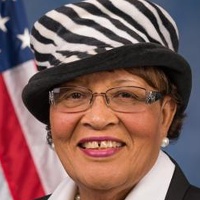
Alma Adams
Representative
NC
Alma Adams
Representative
NC
The EFFECTIVE Food Procurement Act directs the USDA to reform its food purchasing practices to support a more just, healthy, and sustainable food system. This is achieved by mandating the purchase of foods that prioritize equity, resilient supply chains, worker well-being, and climate mitigation. The bill also establishes reporting requirements, a set-aside for specific producers, and pilot programs to help smaller and targeted producers participate in USDA contracts.
This act nullifies a recent Executive Order regarding federal labor relations and ensures existing collective bargaining agreements remain in effect.
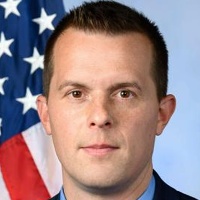
Jared Golden
Representative
ME
Jared Golden
Representative
ME
The Protect America's Workforce Act nullifies a specific Executive Order issued in March 2025 concerning exclusions from federal labor-management relations programs. This legislation ensures that any existing collective bargaining agreements between federal agencies and employee unions remain fully in effect until their stated expiration dates. The Act also prohibits the use of federal funds to implement the overturned Executive Order.