This act establishes a ten-year, \$50 billion program to fund grants for recruiting, hiring, and training public health nurses, particularly in underserved areas.
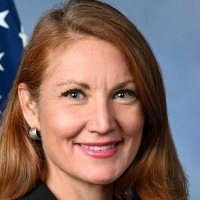
Melanie Stansbury
Representative
NM-1
The Public Health Nursing Act establishes a ten-year, \$50 billion program to fund and expand the public health nursing workforce across the nation. This funding will provide grants to state, local, and territorial health departments to recruit, hire, and train registered nurses for essential public health services. Priority will be given to applicants serving medically underserved areas facing high rates of chronic disease, infant mortality, or maternal morbidity.
Public Health Nursing Act Authorizes $5 Billion Annually to Boost Local Health Staffing and Maternal Care
The Public Health Nursing Act is setting up a massive, decade-long investment to rebuild and expand the public health workforce across the country. Specifically, this bill authorizes $5 billion every year from 2026 through 2035 to fund a new program focused entirely on public health nurses (PHNs). The core goal is to inject funding directly into state, local, and territorial public health departments so they can hire, train, and retain PHNs, especially in areas where healthcare access is already tough.
The New Public Health Nurse Pipeline
Think of this as a major hiring drive for specialized nurses. The funding isn't just for general hospital staff; it’s specifically for nurses who focus on preventive care and community health. The bill defines a “public health nurse” as someone providing health services and education on things like nutrition, infectious diseases, chronic disease management, and maternal/infant health. This means if you live in a community with high rates of chronic illness or where infant mortality is a major concern, these new nurses are meant to focus on improving those specific outcomes right where you live, often through home visits or mobile clinics.
Grant money must be used for tangible costs: recruiting and hiring licensed registered nurses, training them, buying essential medical supplies (including PPE), and covering necessary administrative costs. For example, a local health department in a rural area could use these funds to hire two new PHNs and purchase a mobile clinic van, allowing them to bring prenatal education and blood pressure checks directly to remote towns.
Prioritizing High-Need Communities
One of the most important aspects of the bill is how it directs the money. When the Secretary of Health and Human Services reviews grant applications, they are required to prioritize departments that serve the highest-need populations. This includes areas with high rates of chronic disease, infant or maternal mortality, low-income populations, or those designated as Health Professional Shortage Areas. Essentially, the money is aimed at the places that need it most, not just the places that write the best grant applications.
Furthermore, the bill stresses that applicants must show a plan for delivering services in the “appropriate language and cultural context.” This means if a local department serves a large immigrant population, they need to demonstrate how the newly hired PHNs will communicate effectively and respect cultural norms. This provision is designed to ensure that the care provided actually connects with the people receiving it, moving beyond a one-size-fits-all approach.
The Catch: Maintenance of Effort
While the $5 billion per year sounds like a huge boost, state and local governments can't just use this federal money to replace their existing budgets. The bill includes a “Maintenance of Effort” requirement (Section 2). This means that any health department receiving a grant must agree to keep spending their own (non-federal) money on these public health activities at a level at least equal to what they spent the year before the grant. This is a common mechanism in federal funding designed to prevent states from cutting their own budgets just because the feds stepped in. For local governments already juggling tight budgets, this requirement ensures they remain financially committed to public health, but it also means they can’t use the federal funds to ease current budget pressures—they must use it for genuine expansion.