
Legislative Activity
Track Gerald's sponsored bills, co-sponsored legislation, and voting record
The PAST Act of 2025 significantly strengthens the Horse Protection Act by increasing penalties, banning specific action devices, and mandating licensed inspectors to combat the practice of horse soring.
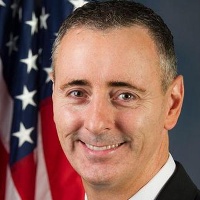
Brian Fitzpatrick
Representative
PA
Brian Fitzpatrick
Representative
PA
The PAST Act of 2025 significantly strengthens the Horse Protection Act to combat the painful practice of soring in specific horse breeds. This bill increases penalties for violations, establishes stricter licensing and oversight for inspectors, and explicitly bans the use of "action devices" designed to cause unnatural gaits. The legislation aims to enhance enforcement, ensure fairer competition, and hold violators accountable through increased fines and disqualifications.
This resolution recognizes the serious health impacts of polycystic ovary syndrome (PCOS) and designates September as "PCOS Awareness Month" to promote education, research, and improved care.
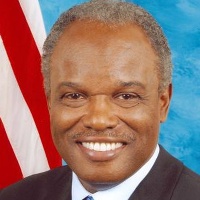
David Scott
Representative
GA
David Scott
Representative
GA
This resolution recognizes polycystic ovary syndrome (PCOS) as a serious health condition that significantly impacts the reproductive, metabolic, and mental well-being of millions of women. It expresses support for designating September as "PCOS Awareness Month" to improve public education, encourage earlier diagnosis, and promote further research into treatments and a potential cure.
The American Dream and Promise Act of 2025 provides a pathway to permanent residency for eligible individuals who came to the U.S. as children, or who have Temporary Protected Status (TPS) or Deferred Enforced Departure (DED) status.
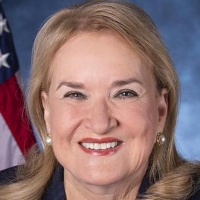
Sylvia Garcia
Representative
TX
Sylvia Garcia
Representative
TX
The American Dream and Promise Act of 2025 provides a pathway to permanent residency for eligible individuals who entered the United States as children and those with Temporary Protected Status (TPS) or Deferred Enforced Departure (DED). Title I, the Dream Act of 2025, establishes conditional permanent residency for eligible individuals who entered the U.S. as children. Title II, the American Promise Act of 2025, allows the Secretary of Homeland Security or the Attorney General to grant permanent resident status to eligible individuals from TPS or DED countries. Title III outlines general provisions, such as background checks, application processes, and fee exemptions, applicable to all seeking to adjust their status under this Act.
The TREATS Act amends the Controlled Substances Act to allow telehealth evaluations for prescribing certain medications for substance use disorder treatment.
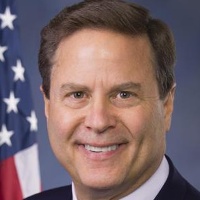
Donald Norcross
Representative
NJ
Donald Norcross
Representative
NJ
The TREATS Act amends the Controlled Substances Act to allow telehealth evaluations for prescribing certain controlled substances used in substance use disorder treatment. This removes the prior requirement for an in-person evaluation, enabling remote medical assessments via real-time audio-visual or audio-only communication, in accordance with federal and state laws. The goal of this bill is to increase access to treatment for substance use disorders.
The Compassion for Vulnerable and Struggling Workers Act allows involuntarily terminated civil service employees who meet specific criteria, such as being pregnant or having cancer, to enroll in a health benefits plan, with funding sourced from the United States DOGE Service savings.

Sheila Cherfilus-McCormick
Representative
FL
Sheila Cherfilus-McCormick
Representative
FL
The Compassion for Vulnerable and Struggling Workers Act allows civil service employees involuntarily terminated between January 20, 2025, and January 1, 2026, to enroll in a health benefits plan if they meet certain conditions. These conditions include being removed without cause, having a fully successful performance review, being pregnant at the time of removal, or being diagnosed with cancer in the 5 years before removal. Federal funds saved by the United States DOGE Service will cover the government and individual contributions for these health benefits.
The "Protect Veteran Jobs Act" allows wrongly terminated veteran civil service employees to be reinstated and requires executive agencies to report to Congress on veteran employee terminations.
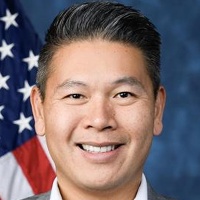
Derek Tran
Representative
CA
Derek Tran
Representative
CA
The Protect Veteran Jobs Act allows wrongly fired or dismissed veterans in civil service jobs between January 20, 2025, and the Act's enactment date to be reinstated to their previous position or a similar one. It mandates executive branch agencies to report to Congress every three months on all veteran employees who were fired or dismissed and the reasons for their termination, effective until January 20, 2029. The Act relies on existing U.S. Code definitions for key terms like "veteran" and "civil service."
Ethan's Law establishes federal penalties for improperly storing firearms where minors or prohibited persons can access them and creates grant programs to incentivize states to adopt matching safe storage laws.
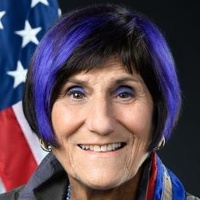
Rosa DeLauro
Representative
CT
Rosa DeLauro
Representative
CT
Ethan's Law establishes federal requirements for the secure storage of firearms to prevent unauthorized access by minors and prohibited persons, making improper storage a civil violation with escalating penalties if injury or death results. The bill also creates a federal grant program to incentivize states and Tribes to adopt matching safe storage laws. Furthermore, Congress declares that failing to comply with these storage requirements constitutes negligence and may be considered the direct cause of resulting firearm injuries.
The Accountability in Government Efficiency Act mandates a report from the Comptroller General to Congress analyzing the impact and legal compliance of the Department of Government Efficiency's actions by December 31, 2025.
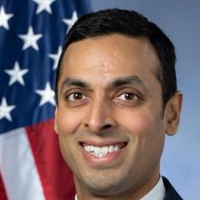
Suhas Subramanyam
Representative
VA
Suhas Subramanyam
Representative
VA
The Accountability in Government Efficiency Act requires the Comptroller General of the United States to report to Congress on the actions taken by the Department of Government Efficiency. This report will analyze the effects of the Department's actions on the long-term financial, public health, and safety interests of the United States, as well as the Department's compliance with certain sections of title 5, United States Code. The report must be submitted to Congress by December 31, 2025.
The "Accelerating Kids’ Access to Care Act of 2025" streamlines Medicaid and CHIP enrollment for out-of-state providers, increasing healthcare access for children.
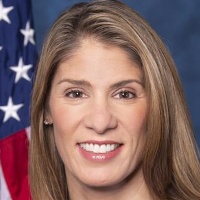
Lori Trahan
Representative
MA
Lori Trahan
Representative
MA
The "Accelerating Kids Access to Care Act of 2025" streamlines the enrollment process for out-of-state healthcare providers in Medicaid and CHIP, ensuring children under 21 have access to care from eligible providers across state lines. By reducing administrative burdens and unnecessary screening requirements, the Act aims to improve healthcare access for children while maintaining necessary safeguards against fraud and abuse. Participating providers will be enrolled for a 5-year period, and the changes will take effect three years after the Act's enactment.
This House resolution clarifies that UN Resolution 2758 only addressed UN representation and does not validate the PRC's "One China Principle" regarding Taiwan's status, while supporting Taiwan's international participation.
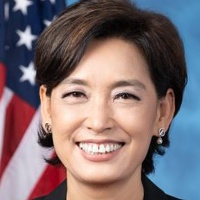
Young Kim
Representative
CA
Young Kim
Representative
CA
This resolution clarifies that United Nations General Assembly Resolution 2758 only addressed seating arrangements and does not validate the People's Republic of China's "One China Principle" regarding Taiwan's status. It asserts that the U.S. "One China Policy" is distinct from Beijing's claims and does not endorse PRC sovereignty over Taiwan. The bill strongly opposes PRC efforts to use the resolution to exclude Taiwan from international organizations and supports Taiwan's meaningful participation globally.
This bill encourages the deployment and use of automated external defibrillators (AEDs) by providing nationwide legal protections from civil liability for those who use them in emergencies, own them, or manage properties where they are used.
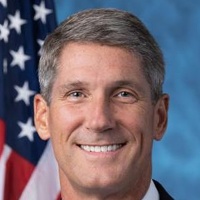
C. Franklin
Representative
FL
C. Franklin
Representative
FL
The Cardiac Arrest Survival Act of 2025 aims to establish a national standard of legal protection from civil liability for individuals using automated external defibrillators (AEDs) in emergencies, as well as for AED owners and property managers where AEDs are used. This bill amends the Public Health Service Act to encourage broader AED deployment by providing Good Samaritan protections for those who use or attempt to use an AED, premises owner/lessee/manager protections, and device owner-acquirer protections, with certain exceptions for misconduct or failure to maintain the device. The Act seeks to preempt inconsistent state laws and clarify that it does not mandate AED placement or create new causes of action. By creating consistent, nationwide legal protection, this bill intends to save lives from cardiac arrest.
This resolution reaffirms the United States' unwavering commitment to NATO, its collective defense obligations under Article 5, and the alliance's vital role in countering global security threats.
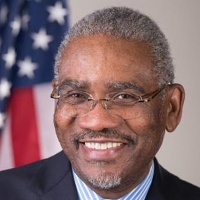
Gregory Meeks
Representative
NY
Gregory Meeks
Representative
NY
This bill reaffirms the United States' unwavering commitment to NATO and the collective defense obligations outlined in Article 5. It highlights the alliance's vital role in countering global security threats from authoritarian regimes and underscores the necessity of member nations meeting defense spending targets. Additionally, the legislation supports NATO’s open-door policy and emphasizes the importance of continued collaboration on defense innovation and cybersecurity.
The "PSA Screening for HIM Act" ensures that high-risk men, including African-American men and those with a family history of prostate cancer, have access to prostate cancer screenings without cost-sharing under group health plans and insurance coverage.
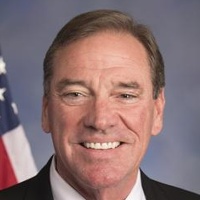
Neal Dunn
Representative
FL
Neal Dunn
Representative
FL
The "PSA Screening for HIM Act" aims to improve early detection of prostate cancer by requiring group health plans and health insurance issuers to cover prostate cancer screenings without cost-sharing for high-risk men aged 40 and over, including African-American men and those with a family history of the disease. This coverage mandate ensures that high-risk individuals have access to potentially life-saving screenings, aligning with the goal of reducing prostate cancer-related deaths and improving treatment outcomes. The Act defines "men with a family history of prostate cancer" as those with a first-degree relative with prostate cancer, associated cancers, or genetic alterations linked to increased risk. This provision is set to take effect for plan years starting on or after January 1, 2026.
This resolution expresses Congressional opposition to imposing new performance fees or royalties on local radio stations and businesses for broadcasting or playing music.
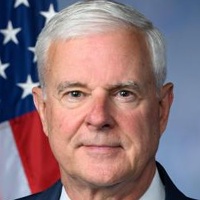
Steve Womack
Representative
AR
Steve Womack
Representative
AR
The Local Radio Freedom Act expresses Congressional opposition to imposing new performance fees, taxes, or royalties on local radio stations and businesses for playing music. It argues that the current system of free airplay provides essential promotional value to artists and that new fees would threaten the financial viability of local broadcasters and the vital community services they provide.
This bill mandates the Secretary of State to resume all State Department demining and unexploded ordnance clearing programs halted by Executive Order 14169.
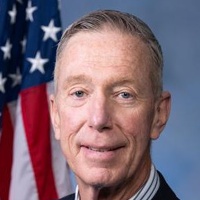
Stephen Lynch
Representative
MA
Stephen Lynch
Representative
MA
The Global Demining Protection Act mandates the Secretary of State to promptly resume all Department of State programs related to demining, clearing unexploded ordnance, and destroying small arms. This resumption is in accordance with the activities authorized by Executive Order 14169, section 3(e). The aim of the act is to restart global demining efforts.
Mandates the creation of a national registry for Korean American divided families to facilitate potential reunions and requires the Secretary of State to advocate for these reunions in dialogues with North Korea.
Suhas Subramanyam
Representative
VA
Suhas Subramanyam
Representative
VA
The Korean American Divided Families National Registry Act mandates the State Department to create a national registry of Korean Americans separated from family in North Korea since 1953, in order to prepare for potential family reunions. It requires the Secretary of State to include progress toward these reunions in any dialogue with North Korea, consult with South Korea, and submit annual reports to Congress on the registry's status and reunion efforts. The registry will serve as a private internal database to organize reunions and maintain information on divided families, including those who may have passed away.
The Honoring Our Fallen Heroes Act of 2025 expands public safety officer benefits to include disability and death coverage for certain cancers presumed to be caused by on-duty exposure to carcinogens, and clarifies "line of duty" definitions for first responder benefits.
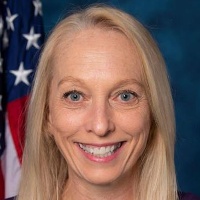
Mary Scanlon
Representative
PA
Mary Scanlon
Representative
PA
The Honoring Our Fallen Heroes Act of 2025 expands public safety officer benefits to include deaths and disabilities caused by exposure-related cancers, presuming that certain cancers diagnosed within 15 years of service are line-of-duty injuries if the officer served for at least 5 years. It defines "exposure-related cancer" and allows for updates to the list based on medical evidence, while also permitting individuals to petition for additions. The Act also clarifies "line of duty action" and applies retroactively to claims dating back to January 1, 2020, with a three-year window for filing claims based on these amendments.
This bill amends the Omnibus Crime Control and Safe Streets Act of 1968 to include TSA employees in the public safety officers death benefits program, applicable to injuries on or after October 31, 2013.
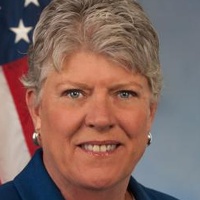
Julia Brownley
Representative
CA
Julia Brownley
Representative
CA
The Honoring Our Fallen TSA Officers Act amends the Omnibus Crime Control and Safe Streets Act of 1968 to include Transportation Security Administration (TSA) employees in the Public Safety Officers' Benefits program. This ensures that TSA officers who die or are injured in the line of duty while protecting the nation's transportation systems are eligible for death benefits. This law applies retroactively to injuries occurring on or after October 31, 2013.
The CLEAR Act amends Title 5 of the United States Code, Section 552(f)(1), to include any entity established under Section 3161 within the scope of the Freedom of Information Act (FOIA).
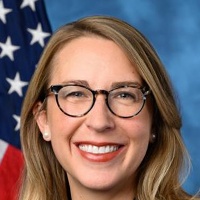
Hillary Scholten
Representative
MI
Hillary Scholten
Representative
MI
The CLEAR Act amends the Freedom of Information Act (FOIA) to include entities established under Section 3161, ensuring their records are accessible to the public. This change applies to all FOIA requests made after the Act's enactment, regardless of when the records were created.
The "Truth in Tuition Act of 2025" mandates that colleges provide students with clear, multi-year tuition schedules or single-year schedules with cost estimates, ensuring transparency in education expenses.
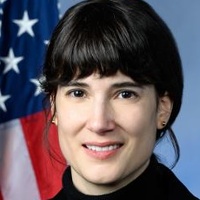
Marie Gluesenkamp Perez
Representative
WA
Marie Gluesenkamp Perez
Representative
WA
The "Truth in Tuition Act of 2025" mandates that colleges provide students with clear information about tuition costs, either through a multi-year tuition schedule or a single-year schedule accompanied by a multi-year cost estimate. Colleges opting for single-year schedules must also disclose the historical accuracy of their estimates. The Secretary of Education has the authority to waive these requirements under specific circumstances. This act aims to provide students with greater transparency and predictability regarding the cost of their education.