
Legislative Activity
Track Steve's sponsored bills, co-sponsored legislation, and voting record
This Act prohibits the sale or importation of connected vehicles and components containing hardware or software from covered adversarial countries like China, Russia, Iran, and North Korea, starting in 2027.
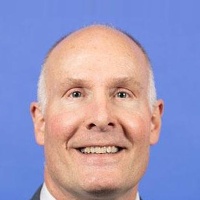
John Moolenaar
Representative
MI
John Moolenaar
Representative
MI
The Connected Vehicle Security Act of 2026 prohibits the sale or importation of connected vehicles, hardware, or software originating from or controlled by designated "covered countries" (North Korea, China, Russia, or Iran). This measure aims to safeguard U.S. economic and national security against risks like espionage and cyber intrusion posed by foreign adversaries exploiting vehicle connectivity technology. The Secretary of Commerce is tasked with issuing regulations to enforce these bans, which begin phasing in starting in 2027, though waivers may be granted under specific national security conditions.
This bill officially designates the Russian Federation as a state sponsor of terrorism under U.S. law, with specific provisions regarding frozen assets and the duration of the designation.
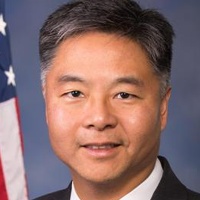
Ted Lieu
Representative
CA
Ted Lieu
Representative
CA
This bill officially designates the Russian Federation as a state sponsor of terrorism under U.S. law. The designation is based on Russia's documented support for international terrorism and its ongoing acts of violence against civilians in Ukraine. This designation triggers existing legal consequences but includes specific protections for humanitarian aid and limits the designation's duration. Furthermore, the Act preserves the President's authority over frozen Russian assets while protecting victims' rights to seek compensation through other legal channels.
This act prohibits the use of federal funds for military action in or against Iran through 2026 unless Congress formally declares war or authorizes such force.
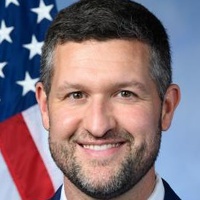
Patrick Ryan
Representative
NY
Patrick Ryan
Representative
NY
The No Funds for Iran War Act prohibits the use of federal funds for military action in or against Iran through the end of 2026. This ban remains in effect unless Congress formally declares war or passes a specific authorization for military force. Exceptions are made only for actions consistent with the War Powers Resolution or necessary self-defense against an imminent attack.
This act establishes a new federal grant program to fund academic enrichment, youth development, and family engagement in afterschool, before-school, and summer learning programs for K-12 students, while also significantly increasing funding for the existing Community Learning Centers program and adjusting the corporate tax rate.

Dan Goldman
Representative
NY
Dan Goldman
Representative
NY
The Afterschool for All Act establishes a new competitive grant program to fund high-quality afterschool, before-school, and summer learning opportunities for K-12 students. These grants will support partnerships between schools and community organizations to provide academic enrichment, youth development, and family engagement services. The bill also significantly increases funding for the existing Community Learning Centers program.
The No WAR Act establishes a point of order preventing the use of budget reconciliation to fund unauthorized military hostilities against Iran.
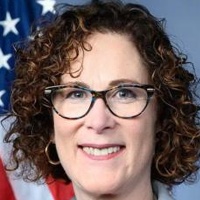
Valerie Hoyle
Representative
OR
Valerie Hoyle
Representative
OR
The No WAR Act establishes a procedural barrier, a "point of order," in Congress to prevent funding for unauthorized military action against Iran through the budget reconciliation process. This means that any reconciliation bill providing budget authority for hostilities against Iran will be out of order unless Congress has first formally authorized that military force. The Act ensures that funding for military conflict against Iran requires explicit prior congressional approval.
This bill nullifies three specific Department of State rules regarding foreign assistance, effectively voiding their implementation and preventing enforcement of similar future policies.

Grace Meng
Representative
NY
Grace Meng
Representative
NY
This Act nullifies three specific Department of State rules concerning foreign assistance, effectively treating them as if they never existed. It prohibits any federal agency from implementing or enforcing these rules, or any substantially similar future policies. The legislation aims to prevent the enforcement of rules related to "Protecting Life," "Discriminatory Equity Ideology," and "Gender Ideology" in foreign aid.
This Act establishes grant programs to fund community reentry centers and 24/7 assistance hotlines to support individuals after conviction or incarceration.
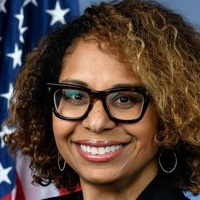
Sydney Kamlager-Dove
Representative
CA
Sydney Kamlager-Dove
Representative
CA
The One Stop Shop Community Reentry Program Act of 2026 establishes federal grant programs to fund community reentry centers and statewide assistance hotlines. These initiatives aim to provide comprehensive, trauma-informed services to individuals post-conviction or incarceration to reduce recidivism. The Act prioritizes hiring formerly incarcerated individuals and mandates rigorous evaluation and reporting on program outcomes.
This bill raises the minimum age for federal juvenile prosecution, limits murder liability for those under 18, mandates data collection on incarcerated youth, and funds state collaboration between child welfare and juvenile justice systems.
Sydney Kamlager-Dove
Representative
CA
Sydney Kamlager-Dove
Representative
CA
The Directly Impacted Child Rehab and Safety Act amends federal juvenile justice laws to raise the minimum age for prosecution as an adult and limits murder convictions for those under 18 to intentional killings. The bill also mandates comprehensive federal data collection on incarcerated youth and authorizes grants to improve collaboration between state child welfare and juvenile justice systems. These measures aim to prioritize rehabilitation and better address the needs of children in the justice system.
This bill officially recognizes the week of April 24 through April 30 as the annual "National Reentry Week" to focus on supporting formerly incarcerated individuals and reducing recidivism.
Sydney Kamlager-Dove
Representative
CA
Sydney Kamlager-Dove
Representative
CA
This bill officially designates the week of April 24th through April 30th as "National Reentry Week." It recognizes the challenges of mass incarceration and the high rates of recidivism facing formerly incarcerated individuals. The legislation encourages increased support and investment in programs that promote successful reentry, including access to housing, education, job training, and mental health services. Ultimately, the goal is to foster safer communities by supporting the stability and success of those returning to society.
The Second Look Act of 2026 establishes a process for federal inmates serving over ten years to petition the court for sentence reduction based on demonstrated rehabilitation and reduced community danger.
Sydney Kamlager-Dove
Representative
CA
Sydney Kamlager-Dove
Representative
CA
The Second Look Act of 2026 establishes a process for individuals serving long federal prison sentences to petition a court for a sentence reduction after serving at least 10 years. Courts must consider factors like rehabilitation and community safety when deciding on a modification. The bill also creates a rebuttable presumption for release for defendants aged 50 and older and mandates annual reporting by the U.S. Sentencing Commission.
This act establishes a framework for identifying, planning for, and conserving marine mammal populations in U.S. waters that are adversely affected by climate change.
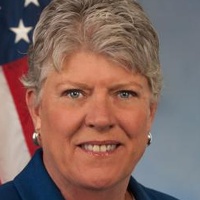
Julia Brownley
Representative
CA
Julia Brownley
Representative
CA
The Marine Mammal Climate Change Protection Act of 2026 amends existing law to mandate the identification of marine mammal species threatened by climate change. It requires the development of specific Climate Impact Management Plans to conserve and recover these at-risk populations. The bill also establishes a federal monitoring program to track climate impacts and ensures all agencies coordinate to support these conservation efforts.
This bill mandates that developers of AI-focused data centers must publicly disclose detailed project plans, including environmental impact analyses, 180 days before taking definitive steps to establish the facility.

LaMonica McIver
Representative
NJ
LaMonica McIver
Representative
NJ
The AI Data Center Site Selection Transparency Act of 2026 mandates that developers of large AI-focused data centers must publicly disclose comprehensive project details, including environmental impact analyses, at least 180 days before taking significant action. This bill requires extensive public notification across multiple media channels and limits the use of non-disclosure agreements concerning public resources. Violations of these transparency requirements will be enforced by the Federal Trade Commission as unfair or deceptive practices.
This bill expresses support for U.S. library staff, recognizes their essential community services, advocates for adequate funding, and defends their rights to free access to information and union organization.
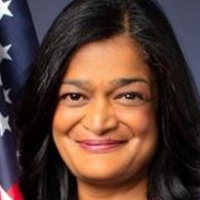
Pramila Jayapal
Representative
WA
Pramila Jayapal
Representative
WA
This resolution expresses strong support for library staff across the United States and recognizes the essential, expanding community services they provide. It advocates for commensurate funding, defends the right of all citizens to freely access information, and supports the civil rights and union voice of library workers. Furthermore, the bill condemns threats to library access and staff, such as book bans and funding cuts.
This resolution expresses support for honoring Earth Day while affirming Congress's commitment to environmental protection, climate action, and reversing recent environmental rollbacks.

Doris Matsui
Representative
CA
Doris Matsui
Representative
CA
This resolution expresses support for honoring Earth Day and reaffirms Congress's commitment to environmental protection and sustainability. It recognizes the historical impact of Earth Day on the modern environmental movement and calls for continued action against threats like climate change and pollution. The bill urges immediate steps to reduce emissions, address environmental injustices, and ensure a healthy planet for future generations.
This Act mandates a comprehensive report to Congress detailing emerging military, cyber, and political threats to the Baltic states and recommending strategies to enhance their security and U.S. partnership.
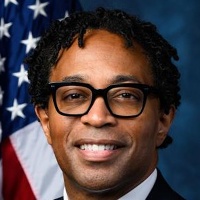
Wesley Bell
Representative
MO
Wesley Bell
Representative
MO
The Baltic Security Assessment Act of 2025 affirms the critical importance of Estonia, Latvia, and Lithuania to U.S. national security amidst Russian aggression. This bill mandates that the Secretary of State and Secretary of Defense deliver a comprehensive report to Congress detailing emerging military, cyber, and political threats to the Baltic states. The report must also recommend specific actions to enhance U.S. and NATO defense cooperation and bolster Baltic resilience.
This bill mandates a report on Russia's persecution of religious groups in occupied Ukraine and authorizes sanctions against responsible individuals and entities.
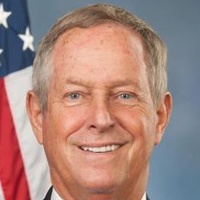
Joe Wilson
Representative
SC
Joe Wilson
Representative
SC
This bill mandates a comprehensive report to Congress detailing Russia's systematic persecution of religious groups in occupied Ukrainian territories. It requires the administration to identify responsible individuals and entities involved in suppressing religious freedom, including the destruction of houses of worship. Following the report, the President must impose sanctions on those found responsible for this religious persecution.
This Act establishes federal programs to address the impact of climate change risks, like extreme heat and pollution, on maternal and infant health through grants, education, research, and risk zone identification.

Lauren Underwood
Representative
IL
Lauren Underwood
Representative
IL
The Protecting Moms and Babies Against Climate Change Act directs the Department of Health and Human Services to address how climate change risks, like extreme heat and pollution, harm maternal and infant health. The bill establishes grant programs to support local efforts and education, and mandates research and strategies to identify high-risk zones for pregnant individuals and young children. Its goal is to reduce adverse outcomes such as preterm birth, low birth weight, and maternal mortality linked to climate change.
The RECOVER Act of 2026 eliminates the Medicare payment reduction for therapists providing multiple outpatient therapy services to a patient on the same day.
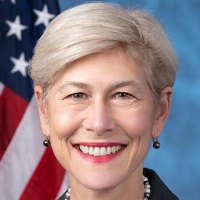
Deborah Ross
Representative
NC
Deborah Ross
Representative
NC
The RECOVER Act of 2026 aims to eliminate the current Medicare payment reduction for therapists providing multiple therapy services to a patient on the same day. This legislation strikes the rule that reduces payments by more than 50% for these concurrent services under the Physician Fee Schedule and outpatient rehabilitation services. By removing this reduction, the bill seeks to ensure fair compensation for comprehensive therapy care.
This bill prohibits most prior authorization requirements in Medicare Advantage plans starting in 2027 and restricts the use of certain prior authorization testing models under traditional Medicare.
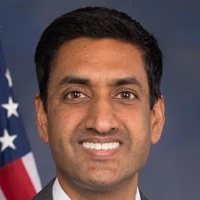
Ro Khanna
Representative
CA
Ro Khanna
Representative
CA
The Stop Deadly Denials Act of 2026 aims to restrict the use of prior authorization requirements in Medicare Advantage plans starting in 2027. It also prohibits the implementation of certain new prior authorization testing models under traditional Medicare, especially those relying on automated decision-making without physician review. This legislation seeks to limit administrative hurdles for beneficiaries accessing necessary medical care.
This resolution directs the President to remove U.S. Armed Forces from hostilities with Iran, unless necessary for imminent self-defense.
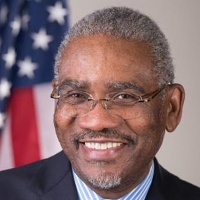
Gregory Meeks
Representative
NY
Gregory Meeks
Representative
NY
This resolution directs the President, under the War Powers Resolution, to remove U.S. Armed Forces from hostilities involving Iran. The order mandates withdrawal unless forces are necessary for imminent self-defense of the U.S. or its allies. Any continued defensive action must comply with existing War Powers reporting requirements.