This Act mandates federal oversight and new rules for large data centers connecting to the electric grid, requiring them to pay for associated infrastructure costs and adhere to labor and clean energy standards.
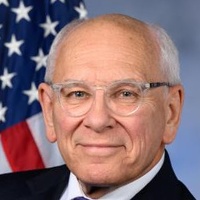
Paul Tonko
Representative
NY-20
The Power for the People Act of 2026 aims to hold large data centers accountable for their significant and growing impact on the electric grid and consumer energy bills. It mandates that the Federal Energy Regulatory Commission (FERC) establish a special interconnection queue prioritizing data centers that use clean energy, pay prevailing wages, and agree to load flexibility. Furthermore, the bill requires states to consider creating special electricity rate classes so that data centers pay the full cost of necessary local grid upgrades instead of passing those costs to other ratepayers.
New Bill Forces Data Centers to Foot the Bill for Grid Upgrades, Prioritizing Clean Power & Local Jobs
Ever felt like your electricity bill keeps creeping up, and you're not quite sure why? Well, a new piece of legislation, the 'Power for the People Act of 2026,' is taking aim at one big reason: the massive energy appetite of data centers. This bill isn't just tinkering around the edges; it's a full-on overhaul of how these digital giants connect to our electric grid, with a clear message: if you're going to use that much power, you're going to pay for it.
The Digital Drain on Your Wallet
The core idea here, as laid out in Section 2, is pretty straightforward: Congress believes that everyday folks shouldn't be subsidizing the enormous energy demands of data centers. We're talking facilities that gobble up over 50 megawatts of power each, with their electricity consumption projected to more than double by 2028. That kind of load growth, when it's not 'organic' (meaning from homes, hospitals, or local businesses), can really drive up electricity prices for everyone else. This bill says, 'Nope, not on our dime.' It aims to make data center owners and operators directly responsible for the increased energy costs and infrastructure upgrades they necessitate.
Getting in Line: The Data Center Fast Pass (with Strings Attached)
Section 4 is where things get really interesting for data center developers. The Federal Energy Regulatory Commission (FERC) will create a special 'data center load queue' — basically, a waiting list for connecting to the grid. But it's not first-come, first-served. To get priority in this queue, data centers have to jump through some pretty specific hoops. They'll need to pay for and bring online new clean energy sources (think solar or wind farms) that can fully power their operations for the long haul. Plus, their backup power can't be dirty diesel generators; it has to be low- or no-carbon. And here's a big one for the trades: all construction workers on these projects must be paid prevailing wages, and contractors have to use registered apprentices. This means good-paying, local jobs are part of the deal.
Your Bills, Their Costs: Shifting the Tab for Grid Upgrades
Right now, when a new data center needs a beefed-up transmission line or a new substation, those costs can often get spread across all ratepayers. Section 5 of this bill says, 'No more.' FERC will direct utilities to update their tariffs so that the costs of local transmission upgrades specifically needed for a data center are allocated directly to that data center. So, if a data center needs a custom-built connection, they're on the hook for it, not the local diner or your apartment building. This is a big win for your wallet, aiming to keep your electricity rates from climbing due to someone else's massive energy appetite.
States to Create Special Data Center Rate Classes
Building on the idea of making data centers pay their way, Section 6 amends the Public Utility Regulatory Policies Act of 1978. It requires states with data centers to consider creating a special electricity rate class just for them. This isn't just about higher rates; it's about ensuring data centers cover the full cost of the generation, transmission, and distribution upgrades they demand. States would look at things like minimum demand charges (so infrastructure built for peak usage doesn't sit idle on your dime), longer contract lengths to prevent stranded costs, and even higher upfront fees for interconnection studies. The goal is to prevent data centers from leaving utilities and ratepayers holding the bag if their energy needs fluctuate or they move on.
Making Sense of the Future: Better Forecasting and Transparency
Finally, Section 8 tackles the crystal ball problem. It's tough for grid operators to plan when they don't have a clear picture of future demand, especially with data centers popping up. This section requires the Department of Energy to offer technical assistance to help grid operators get better at forecasting demand, particularly from data centers. FERC will also establish new transparency rules for data center interconnection requests. This should cut down on speculative requests that gum up the works and make it harder to accurately predict future energy needs. For you, this means a more stable and reliably planned grid, which is crucial for preventing blackouts and brownouts when demand spikes.